REVIEW · HANOI
2-Day Sa Pa Ethnic Homestay Tour & Trek with Limousine Bus
Book on GetYourGuide →Operated by Go Asia Travel · Bookable on GetYourGuide
Rice terraces and real village nights. I love the Hmong/English-speaking guides like Sha and Soso, who explain what you’re seeing and help you connect with daily life on the trail. I also love the Ta Van homestay, where meals and mountain rhythm feel like the point, not the add-on. The main consideration: the trek can get muddy and slick, so bring real hiking shoes and expect some slipping.
This is a smart way to see Sa Pa without burning a whole week. You ride a comfortable limousine bus from Hanoi (via Lao Cai), enjoy lunch in town, then hike into the villages for an overnight stay before returning on day two.
You’ll also pass through the colorful world of the Hmong, Dzao, and Tay communities, with village areas like Lao Chai and Ta Van plus rice terraces, the Muong Hoa Stream area, and a bamboo-forest feel on day two. It’s basic in the homestay sense, but the food and location get high praise.
In This Review
- Key Things I’d Put at the Top of Your Checklist
- Limousine Bus to Sa Pa: Comfort You Actually Use
- Day 1: Hanoi to Sapa, Then Down Into Lao Chai and Ta Van
- Rice terraces and Muong Hoa-area walking
- Checking into Ta Van homestay
- The Trail Rhythm: What Day 1 Feels Like (And How to Prepare)
- Day 2: Bamboo Forest Trek, Giang Ta Chai Views, Then Back to Sa Pa
- What day two usually feels like
- Homestay Reality Check: Clean, Basic, and Worth It
- Food and Water: Simple Meals That Don’t Feel Like a Ticket Perk
- Price and Value: What You’re Getting, and What You’ll Pay Extra
- The Craft-Selling Reality: Be Kind, Be Firm, Keep Control
- Packing for a Two-Day Sa Pa Trek That Can Turn Muddy
- Who Should Book This and Who Should Skip It
- Should You Book This 2-Day Sa Pa Homestay Trek with Limousine Bus?
- FAQ
- What meals are included in the 2-day tour?
- Where do you stay overnight?
- Is a guide included?
- What transport is included?
- Does the tour include village entrance tickets?
- What should I bring for the trek?
- Do I need cash, or can I rely on card payment?
- Are drinks included?
- Can I upgrade my room or bus experience?
- Is this tour suitable for young children or mobility needs?
Key Things I’d Put at the Top of Your Checklist
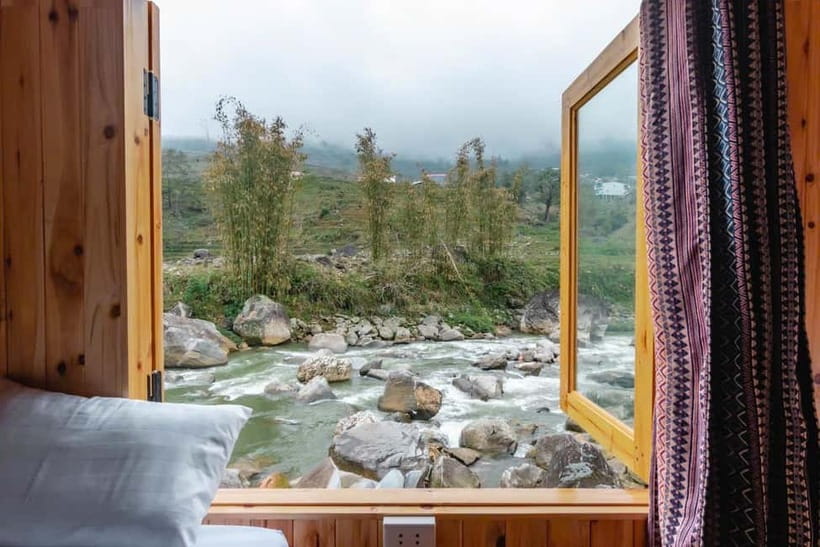
- Limousine bus comfort on the New Highway: less fuss than standard buses for a long transfer day
- Guides who can actually explain things in English: names you might meet include Sha, Sua, Soso, Tung, and Wan
- Two trek styles in two days: day one is longer (often around 8 km and mostly downhill), day two shorter (around 4 km) with bamboo-forest segments
- Ta Van homestay location and meals: clean water and fresh food, plus dinner and breakfast that feel part of the experience
- Cash matters in Sa Pa: banking can be unreliable, and craft sellers may be persistent
- Night village sounds: it’s safe and friendly, but bring earplugs if you’re a light sleeper
Limousine Bus to Sa Pa: Comfort You Actually Use
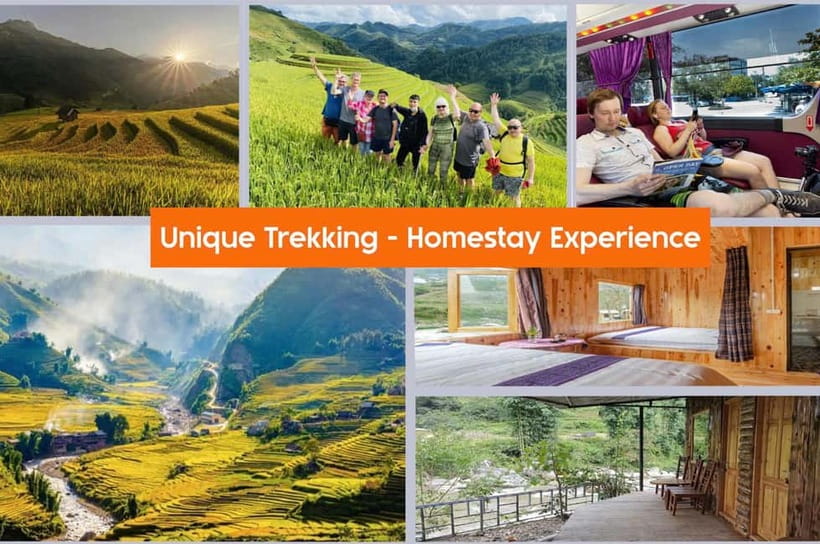
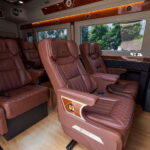
Getting to Sa Pa can be the hardest part of the trip if you travel the wrong way. This tour uses a limousine-style bus from Hanoi to Sa Pa (through Lao Cai), and that matters because the ride starts early and you still need energy for hiking right after.
The route also gives you a smoother on-ramp to the mountains. You’re not just arriving—you’re arriving with enough stamina to enjoy lunch in Sa Pa town, then move on to village trekking.
There’s also a real practical perk: you can store luggage in the bus trunk during the journey. The tour notes that your luggage gets held near your lunch stop in Sa Pa, then you retrieve it when you finish on day two. That helps you travel lighter in the daypack that you take on the trail.
If you have the option to upgrade (some people do, especially for private rooms and better sleeping-bus setups), it’s usually worth considering for the sleep quality alone. Even when the hiking is great, bad rest turns the next day into a chore.
You can also read our reviews of more tours and experiences in Hanoi.
Day 1: Hanoi to Sapa, Then Down Into Lao Chai and Ta Van
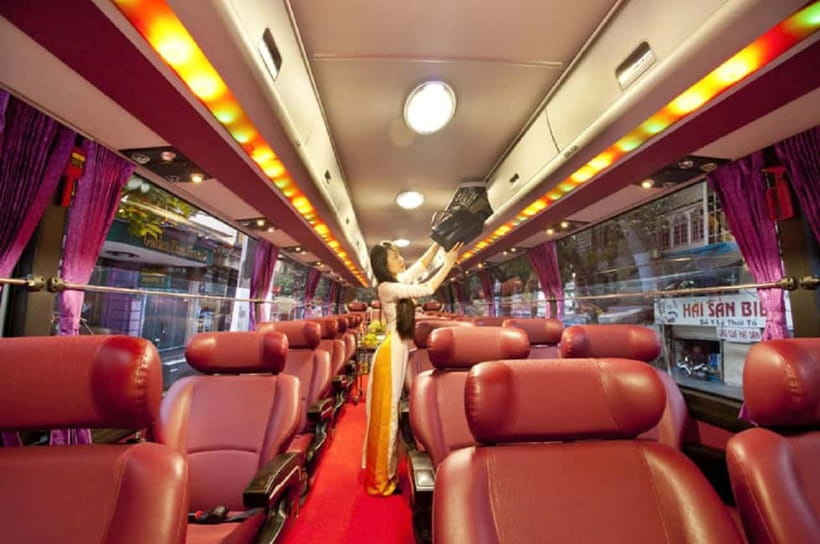
Your day starts with pickup at the meeting point (which can vary depending on your option). You then head to Sa Pa by limousine bus, arriving in time for a meal and a chance to settle.
Once you arrive, the tour includes a welcome in Sa Pa and transport to your hotel for a breather. Lunch is provided with local dishes—think carbs and protein so your legs don’t feel instantly regretful on the first trek.
Rice terraces and Muong Hoa-area walking
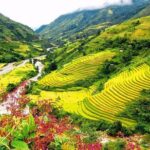
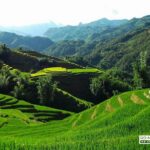
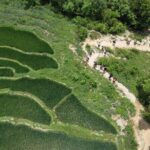
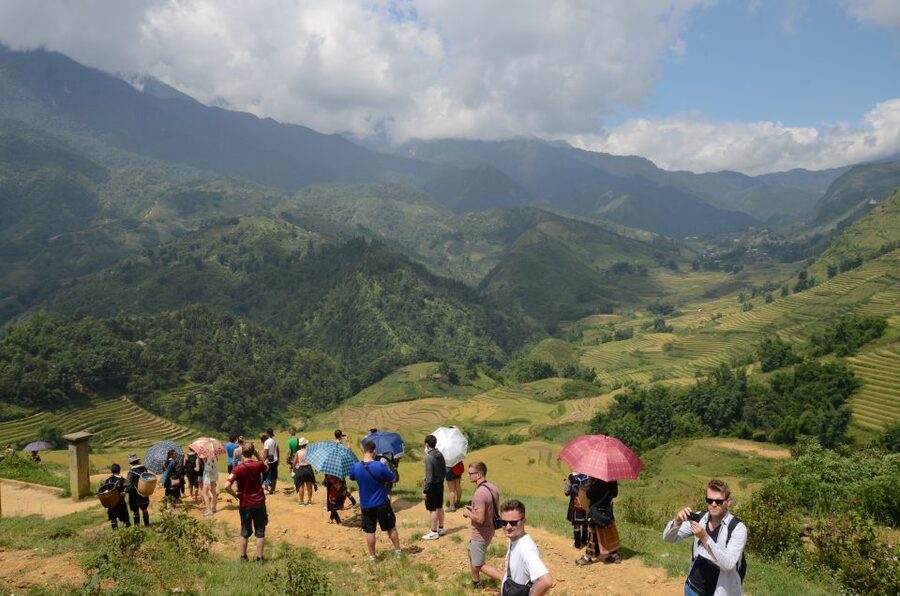
After lunch, you trek through rice terraces and along the Muong Hoa Stream area. This is the heart of Sa Pa’s “mountain life” feeling: terraces you can actually walk through, water moving nearby, and views that change every time the path turns.
In Lao Chai, you’ll get time around the Black Hmong village area. You’ll also see traditional costumes and learn how different ethnic groups live and dress in this region. Guides such as Sha, Sua, and Soso are praised for turning what could be a quick cultural stop into a real conversation, with explanations you can ask questions about along the way.
Checking into Ta Van homestay
Next comes Ta Van village check-in. This is where the tour changes gears from sightseeing to living.
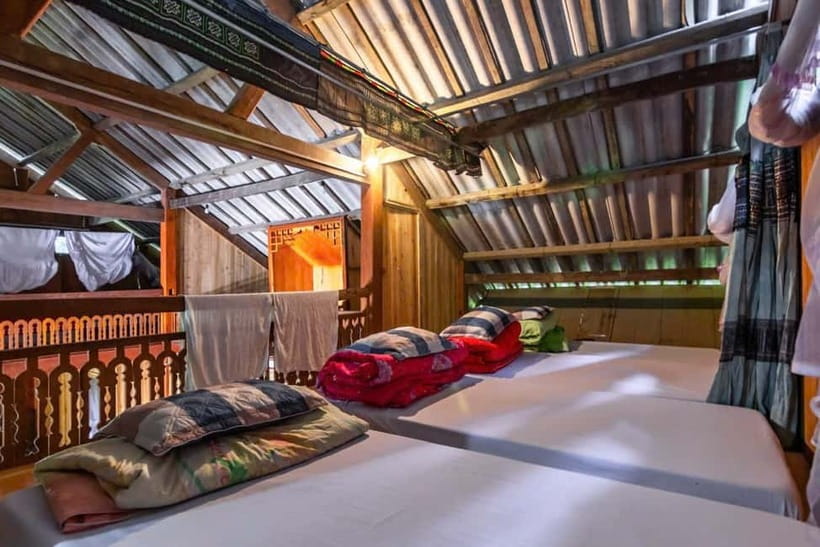
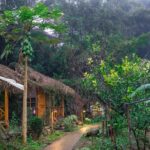
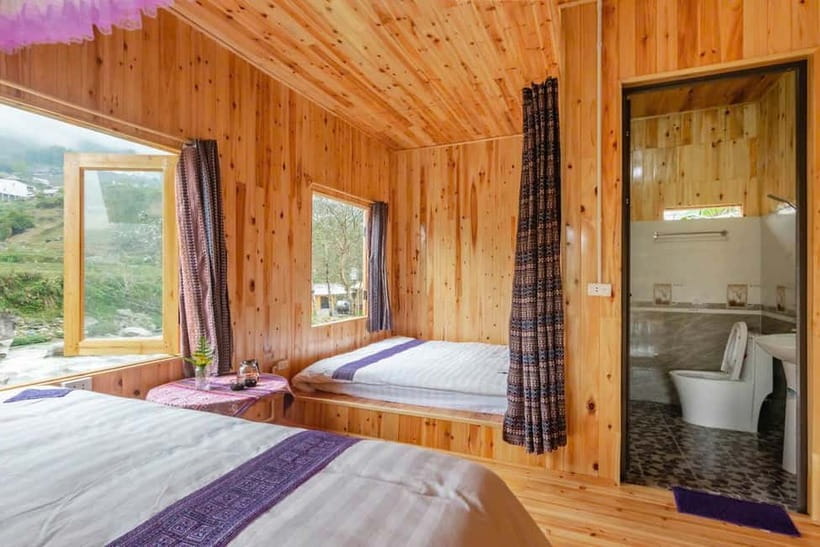
The homestay includes a single mattress setup by default, and there’s also the option to upgrade to a private room if you want more comfort. Either way, you’ll get clean water and fresh food, and the homestay experience includes basic culture facilities rather than full hotel-style amenities.
One small but real note: homestays are human places. You may hear village life at night. Most people find it safe and friendly, but if you’re sensitive to noise, it’s smart to pack earplugs.
The Trail Rhythm: What Day 1 Feels Like (And How to Prepare)
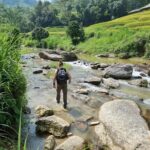
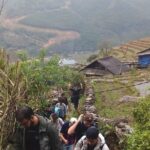
Day one is often described as about 8 km and mostly downhill. That sounds easier than it is, because downhill trekking means your quads do the work, and muddy patches can make your footing unpredictable.
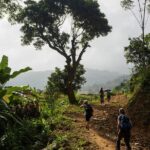
The tour is designed as a medium trekking effort. Your guide helps keep the group together, and you might walk with local women who know the paths well.
Still, don’t underestimate the weather factor. Fog can reduce visibility at viewpoints, and rain can turn paths into slick clay. One of the best practical upgrades you can make is gear, not route.
Bring:
- hiking shoes with real grip
- sunscreen and sunglasses
- insect repellent
- extra clothes for when you get splattered or damp
This isn’t a “cute stroll” route. It’s short enough to do in two days, but long enough to deserve proper footwear.

Day 2: Bamboo Forest Trek, Giang Ta Chai Views, Then Back to Sa Pa
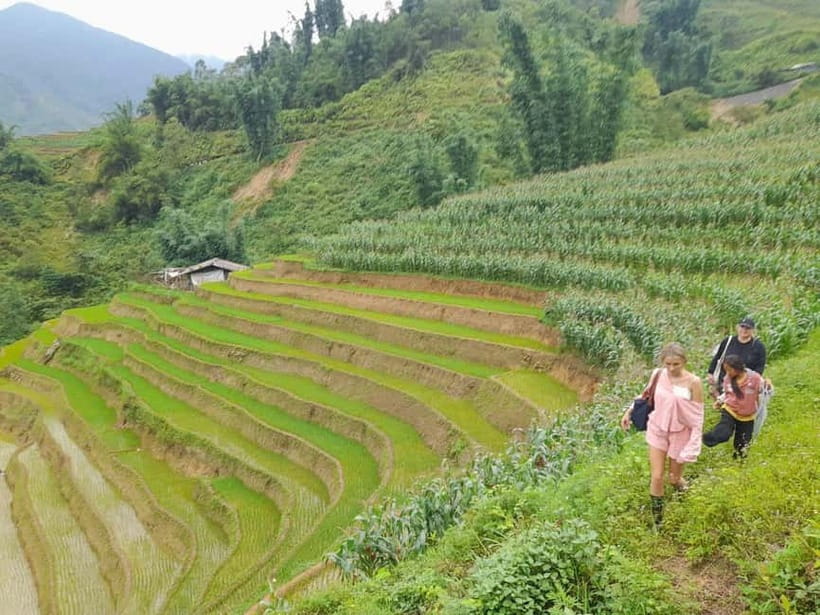
Day two starts with breakfast prepared by the family. This is one of the nicer parts of the homestay setup: food is included, it’s prepared where you’re staying, and it helps you start the morning without having to hunt for a café.
Then you set out for a morning trek through rice paddies and bamboo forest areas. You’ll get a panoramic view point of Giang Ta Chai village, then cross the Giang Ta Chai Bridge.
From there, the tour includes a car back to the hotel in Sa Pa for lunch and a shower. After lunch and cleanup, you return to Hanoi by limousine bus, ending back at your meeting point.
What day two usually feels like
Day two is often described as around 4 km and more undulating. Shorter distance doesn’t automatically mean easier. Bamboo-forest sections and wet ground can still be slippery, especially after rain.
The upside: the route feels like a change of scenery rather than simply repeating day one. You see different textures—rice, then bamboo, then village viewpoints—so the two-day format stays interesting.
Homestay Reality Check: Clean, Basic, and Worth It
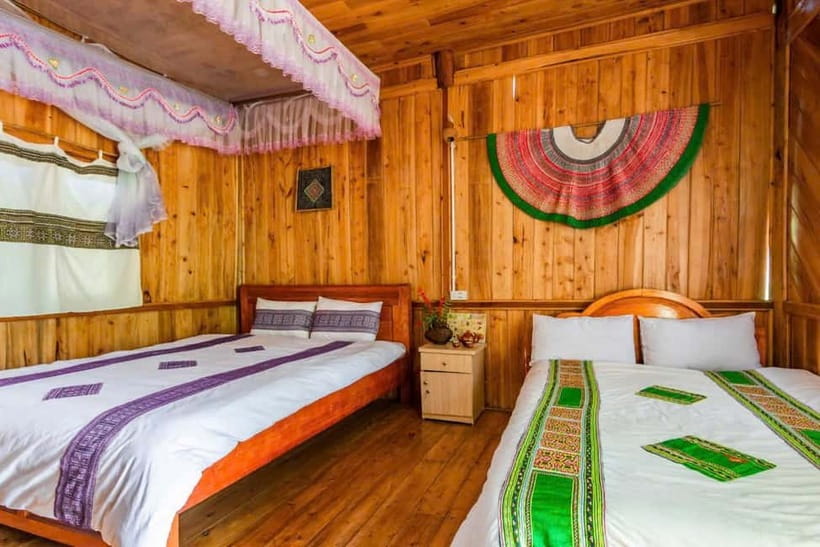
Let’s talk honestly about the homestay. This is not a luxury hotel. It’s basic with cultural facilities, and the “comfort” level comes from cleanliness, food, and the location—not from fancy rooms.
What’s included:
- a mattress (single mattress by default)
- clean water and fresh food
- dinner (day one) and breakfast (day two)
- access to the homestay setting you’re learning about
What people love most is that it feels like a real evening with the family rhythm—eating together and seeing how daily mountain life works. Several guides are praised for helping make that connection feel natural, not forced.
If you’re the kind of traveler who needs a private room to sleep well, the upgrade option is worth asking about when you book. Many people specifically call out private-room upgrades as improving the experience.
Also pack for small surprises: night sounds are common in village settings, and some villages have active routines after dark. Earplugs can be a lifesaver.
Food and Water: Simple Meals That Don’t Feel Like a Ticket Perk
Meals are included on both days:
- Day 1: lunch in Sa Pa + dinner at the homestay
- Day 2: breakfast at the homestay + lunch back in Sa Pa
In a lot of tours, food is just fuel. Here, it’s part of the cultural pacing. You eat where you’re staying and where you’re trekking from, and the meals are consistently described as good and plentiful.
The tour also states that the homestay provides clean water. That’s a big deal on treks, where you don’t want to spend energy worrying about what’s safe to drink.
A practical tip: if you’re sensitive to spicy food or strong flavors, say so to your guide when you can. Guides often coordinate with the family and can help you get comfortable meals.
Price and Value: What You’re Getting, and What You’ll Pay Extra
The tour is strong value because it bundles the real costs people forget: transportation, guide time, village entry, and most meals.
Included:
- round-trip Hanoi–Sa Pa by limousine bus (optional)
- Hmong/English-speaking local guide
- homestay accommodation in Ta Van village
- 2 lunches, 1 dinner, 1 breakfast
- entrance ticket to Lao Chai and Ta Van villages
- car from Giang Ta Chai back to the hotel on day two
Not included:
- drinks
- 8% government tax
- tips for guide and driver
- holiday surcharges on specific dates (700,000 VND per person, paid onsite)
- optional upgrades like a private homestay room
So how do you judge value? You’re paying for:
- a two-day trekking structure that’s short but meaningful
- the transportation that gets you there without chaos
- the homestay experience that a hotel can’t replicate
If you were to piece this together yourself, you’d likely spend similar money on transport and still struggle to coordinate the homestay rhythm plus village access. The bundled setup is the advantage.
Plan extra for tips and for drinks. Also consider cash for snacks, small purchases, and anything you want to buy from craft sellers.
The Craft-Selling Reality: Be Kind, Be Firm, Keep Control
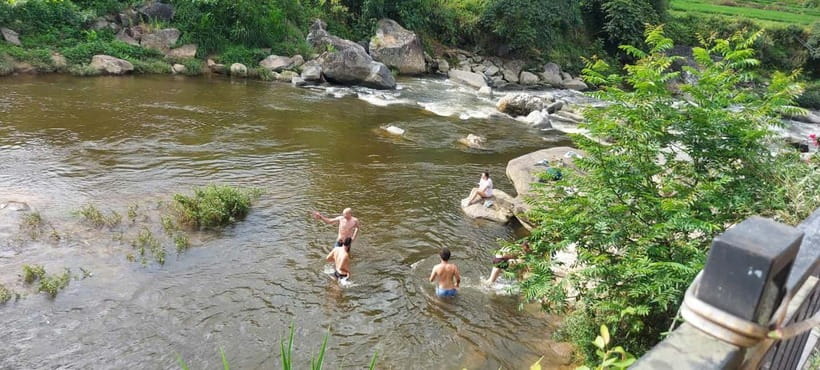
One thing that comes up in this kind of trek: you’ll meet people selling handmade items. In this region, it’s part of the local economy, and it can become pushy at points on the trail.
You can still approach it responsibly without losing your day. The best move is to set a small budget in advance so you’re not stressed when someone offers a scarf or jewelry mid-trek. Some people suggest having around 1,000,000 VND set aside if you plan to buy.
When you don’t want to buy, keep your answer simple. Don’t argue. Don’t promise. Just be clear and move with your group.
If you do want to purchase, do it calmly and treat it like supporting artisans. Guides usually help keep interactions safe and respectful.
Packing for a Two-Day Sa Pa Trek That Can Turn Muddy
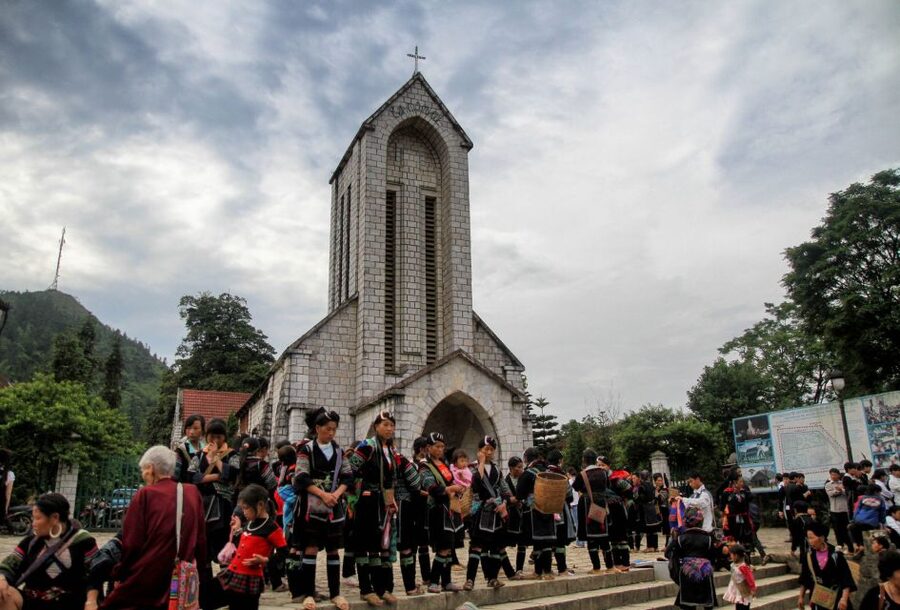
The tour’s packing list is spot-on. Bring:
- hiking shoes
- sunglasses
- sunscreen
- insect repellent
- cash (local currency)
Then add what I’d consider smart extras:
- a small rain layer or poncho
- a dry change of clothes in your daypack
- earplugs for the homestay night
- a small towel or quick-dry item (for post-shower comfort)
Cash is especially important. Sa Pa banking can be unreliable, and the tour notes that VND is best. US dollars, euros, and Australia dollars are accepted too, which helps if you manage your money from Hanoi.
Also remember: you can leave larger luggage handled by the bus trunk, but make sure you carry what you need for the trek and the homestay in your day bag.
Who Should Book This and Who Should Skip It
This tour is a strong fit if you want:
- a real ethnic homestay experience in Ta Van
- a guided trek with culture explanations
- a short timeframe (two days) with meaningful movement
It’s also a good fit if you like moderate hiking with a clear end point and you want a guide to keep logistics simple.
It might not be a fit if:
- you have mobility impairments or wheelchair needs (the trek and homestay are not set up for this)
- you’re traveling with children under 6
- you don’t feel comfortable on uneven, possibly slippery paths in mountain weather
If you’re an experienced hiker, you’ll likely find it enjoyable rather than punishing. If you’re newer to hiking, treat this as a “get serious about shoes and pace” trip, not a casual walk.
Should You Book This 2-Day Sa Pa Homestay Trek with Limousine Bus?
I think you should book if you want Sa Pa in a way that feels human: villages, rice terraces, a homestay night, and a guide who can explain the culture behind what you see. The strongest advantages are the Hmong/English-speaking guides, the Ta Van homestay rhythm, and the combination of comfort transport plus a trek that fits into two days.
I’d hesitate if you’re extremely weather-sensitive or if you hate mud and steep steps. You don’t control fog. You don’t control rain. But you can control your footwear, your expectations, and how you handle cash and craft-selling moments.
If you’re ready for that mix—mountains, people, and a short but real hike—this tour is a solid choice.
FAQ
What meals are included in the 2-day tour?
The tour includes lunch and dinner on day one, and breakfast and lunch on day two.
Where do you stay overnight?
You stay overnight at a homestay accommodation in Ta Van village.
Is a guide included?
Yes. You get a local tour guide who speaks Hmong and English.
What transport is included?
The tour includes round-trip limousine bus travel between Hanoi and Sa Pa. On day two, there’s also a car that takes you back from Giang Ta Chai to the hotel in Sa Pa.
Does the tour include village entrance tickets?
Yes. Entrance tickets for Lao Chai and Ta Van village are included.
What should I bring for the trek?
Bring sunglasses, hiking shoes, sunscreen, insect repellent, and cash.
Do I need cash, or can I rely on card payment?
Bring cash in Vietnamese Dong since banking in Sa Pa can be unreliable. US dollars, euros, and Australia dollars are accepted.
Are drinks included?
No. Drinks are not included.
Can I upgrade my room or bus experience?
Yes. You can upgrade into a private room in the Sa Pa homestay by contacting the provider when booking. There is also an optional upgrade mentioned for the sleeper bus.
Is this tour suitable for young children or mobility needs?
No. It is not suitable for children under 6, and it is also not suitable for people with mobility impairments or wheelchair users.