REVIEW · POKHARA
From Pokhara: 5-Day Annapurna Basecamp Trek with Hot Springs
Book on GetYourGuide →Operated by Snow Peak Tours and Travels pvt. ltd. · Bookable on GetYourGuide
Hot springs after Annapurna hikes feel unreal. This 5-day trek pairs the hard-earned pay-off of reaching Annapurna Base Camp at 4,130m with the simple luxury of soaking at Jhinu Danda afterward, plus cultural village walking through the Annapurna Conservation Area. You’re not just moving uphill-you’re collecting views, people, and moments at altitude.
I like how the plan uses a sensible rhythm: a gradual first push, a big high-altitude day, then a downhill return that still leaves room for sunrise light and photos. One thing to consider, though: even with a “moderately challenging” label, the cold at higher elevations and the steep bits (especially early and on the descent) can feel tough if you’re not comfortable pacing yourself.
In This Review
- Quick reasons this Annapurna trek hits the spot
- Why this 5-day version of Annapurna Base Camp works
- Day 1: From Pokhara to Jhinudanda, then up to Chomrong/Sinuwa
- Day 2: Chomrong to Deurali via forest walking
- Day 3: Deurali to Annapurna Base Camp (4,130m)
- Day 4: Back to Bamboo for a controlled descent
- Day 5: Bamboo to Jhinu Danda, then hot springs and the drive home
- Food, tea houses, and what your nights really look like
- Guides and pacing: the difference between surviving and enjoying it
- Price and value: what $155 really buys you
- What to pack so you feel human at 4,130m
- Who this trek suits best (and who should think twice)
- Should you book this Annapurna Base Camp trek with hot springs?
- FAQ
- What is the highest altitude on this trek?
- How long is the trek?
- Is the trek suitable for beginners?
- What’s included in the price?
- Do I need travel insurance?
- Is a porter included?
- What permits are covered?
- What languages does the guide speak?
- Can I cancel for a full refund?
Quick reasons this Annapurna trek hits the spot
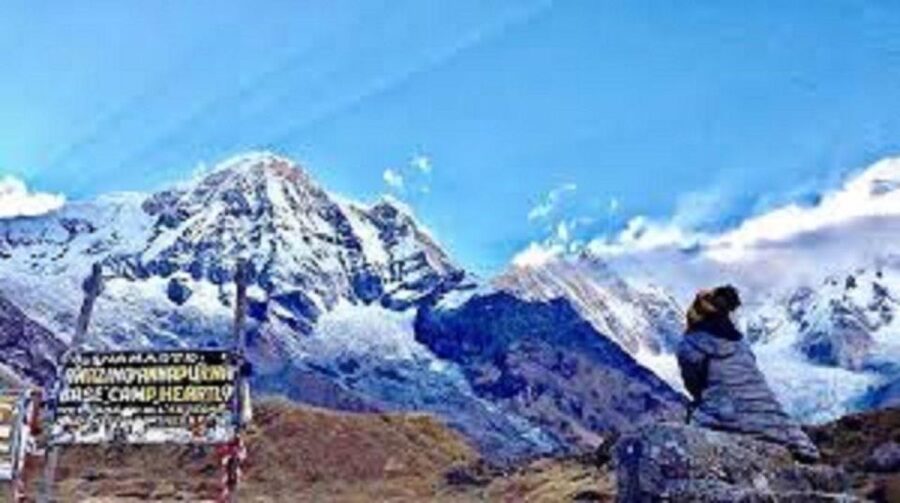
- Base Camp at 4,130m with morning and late-day photo moments
- Jhinu Danda hot springs included right after the trek wind-down
- Rhododendron, oak, and bamboo forests early on, then harsher alpine scenery higher up
- Traditional Gurung/Magar/Tibetan community areas you pass through on the way
- Guides who focus on pacing and encouragement, with names like Anil, Santosh, Uttam, Bishnu, and Sun Bahadur showing up repeatedly in guide feedback
Why this 5-day version of Annapurna Base Camp works
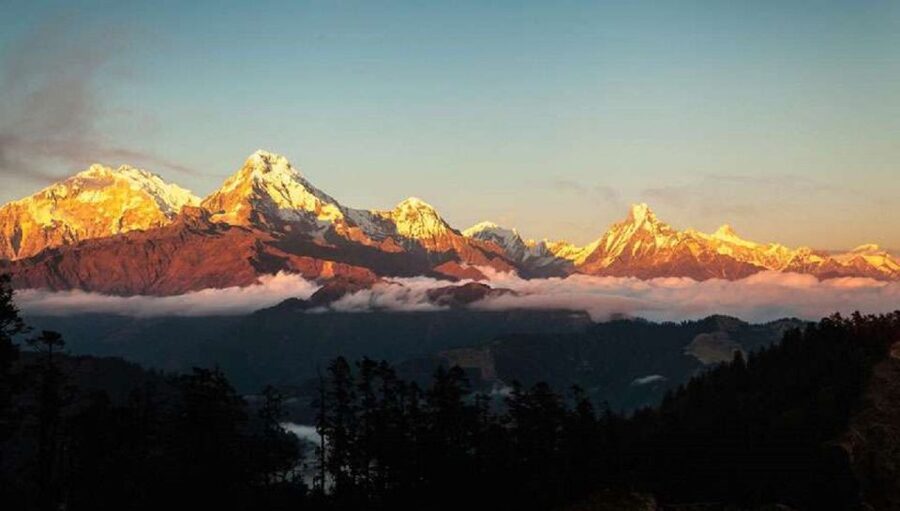
Annapurna Base Camp is one of Nepal’s classic treks, but it can turn into a long, exhausting grind if you try to cram it in without a plan. This 5-day format is built to keep you moving toward the goal while still giving you enough time to enjoy the mountain views and the villages you pass through.
You start from the Pokhara side with road time into the hills, then you hike daily with clear turning points: Chomrong/Sinuwa, Deurali, the Base Camp area, Bamboo, and finally Jhinu Danda for the soak. The big idea here is balance: you get one intense high-altitude day, then you descend efficiently enough to recover before the drive back to Pokhara.
Also, you’re not traveling alone in theory. This is a private group trek with an English, Hindi, or Nepali–speaking government-registered guide, and the company handles practical stuff like guide coordination, first aid kit support, and basic logistics. That matters because on treks, “how” you move is often as important as “where” you go.
You can also read our reviews of more tours and experiences in Pokhara.
Day 1: From Pokhara to Jhinudanda, then up to Chomrong/Sinuwa
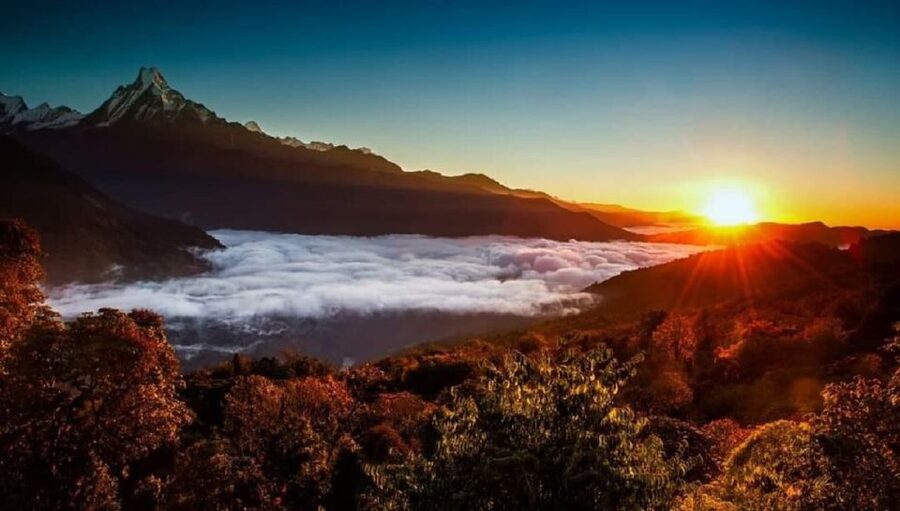
Expect a mix of driving and early trekking. After pickup (Pokhara Lakeside area, Sarangkot zone, and also Pokhara International Airport are covered), you’ll head toward the trail starting area with a jeep/SUV segment and then a bus/coach segment before the hike begins.
A short stop at Jhinu Danda is part of the day-one route as a photo moment and quick guided sightseeing. Then it’s on to your first serious hike: from Matque/Jhinudanda up to either Chomrong (around 2,170m) or Sinuwa (around 2,340m).
What I like about this day is that it gives your body an entry ramp. Even though you’ll have some steep descents and early altitude strain, you’re not jumping straight to the highest passes on day one. You’re also introduced to the kind of rhythm Annapurna treks demand: steady steps, pauses when you need them, and constant scenery changes.
Possible drawback: day-one climbing can feel steeper than you expect because you’re still waking up your hiking legs after the drive. If you’re prone to going too fast early, this is the day to resist it. Slow and consistent wins.
Day 2: Chomrong to Deurali via forest walking
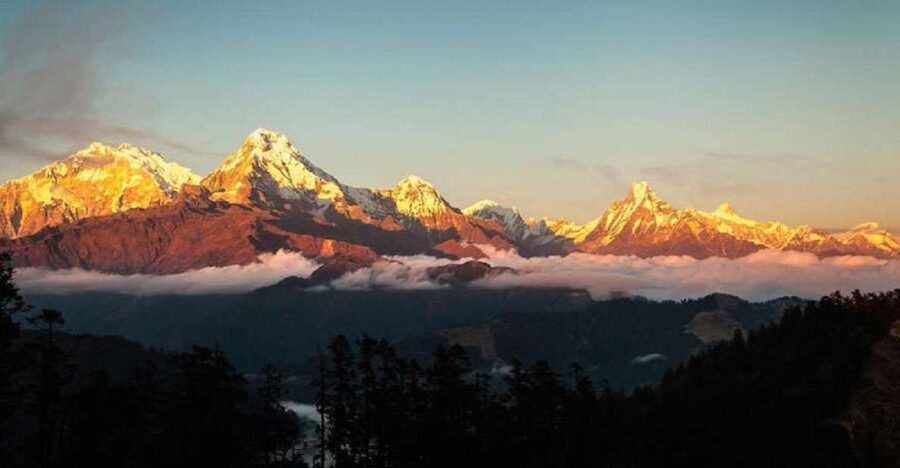
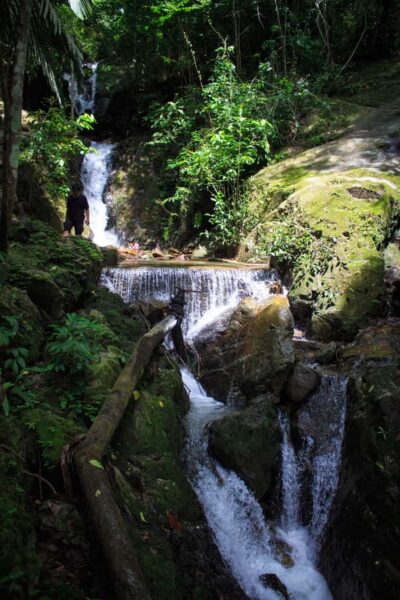
Day 2 is where the trail starts to feel more like a “real trekking day.” You’ll move from Chomrong toward Deurali (around 2,900m), and the route leans into forest cover—rhododendron, oak, and bamboo—so the walk can feel cooler and more shaded than you’d expect at these elevations.
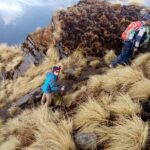
You’ll also feel the classic Annapurna ups and downs: some steep ascents and descents across long stretches. The good news is that forests can be forgiving for footing, and you’re not yet at the harsh, thin-air zone where everything becomes slower.
Why this day matters: it’s the bridge between comfortable village trekking and the Base Camp grind. If you get through day two feeling steady—breathing under control and legs not burning too hard—day three becomes much more manageable.
Possible drawback: the day is still long (around 6–7 hours of walking). If you’re not used to hiking for that duration, you’ll want to plan your pacing so you don’t blow energy early.
Day 3: Deurali to Annapurna Base Camp (4,130m)
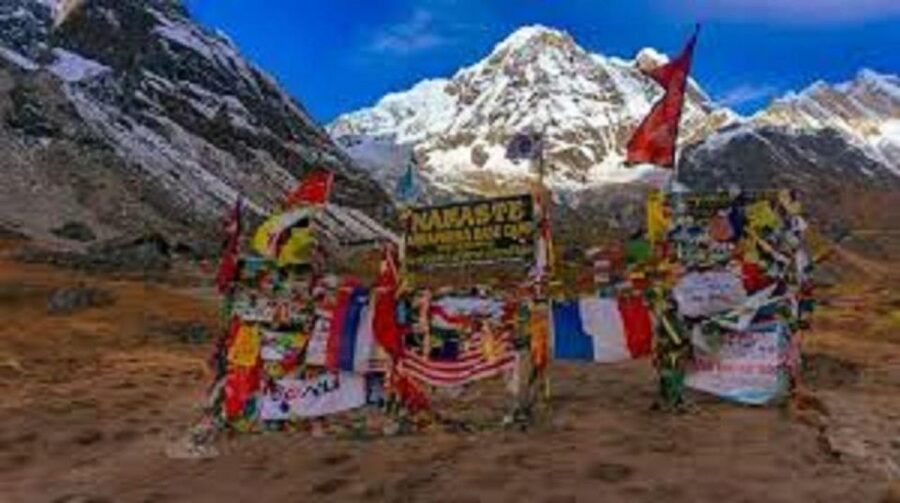
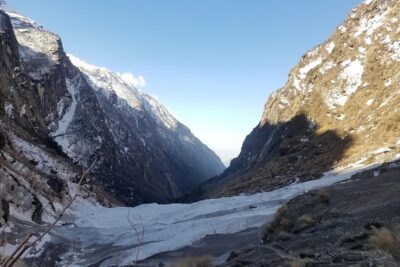
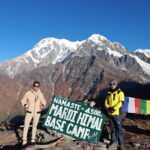
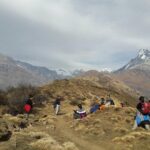
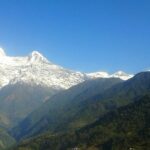
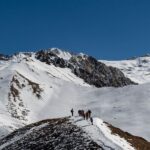
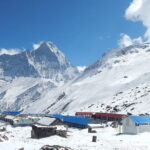
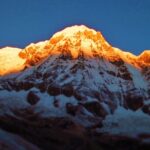
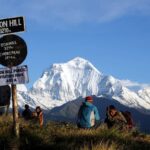
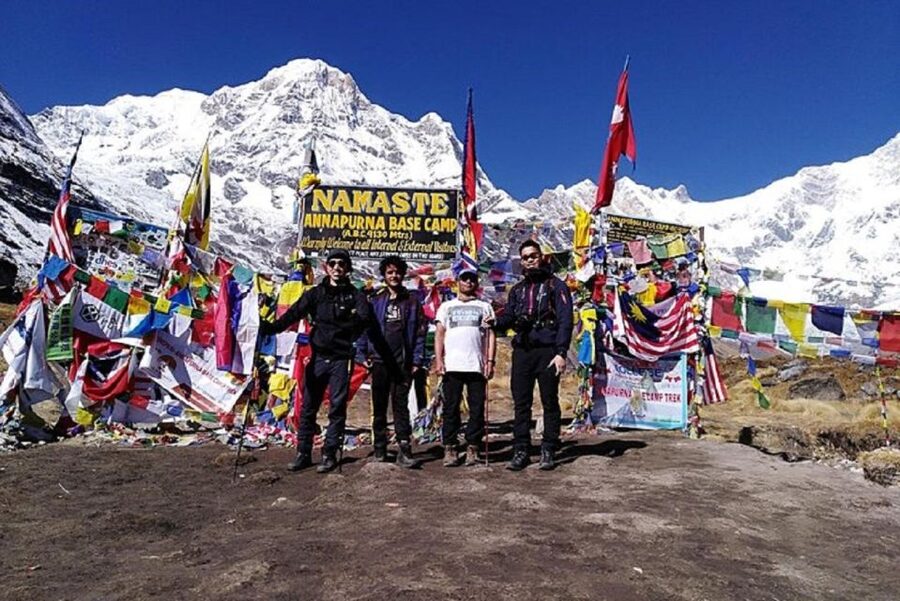
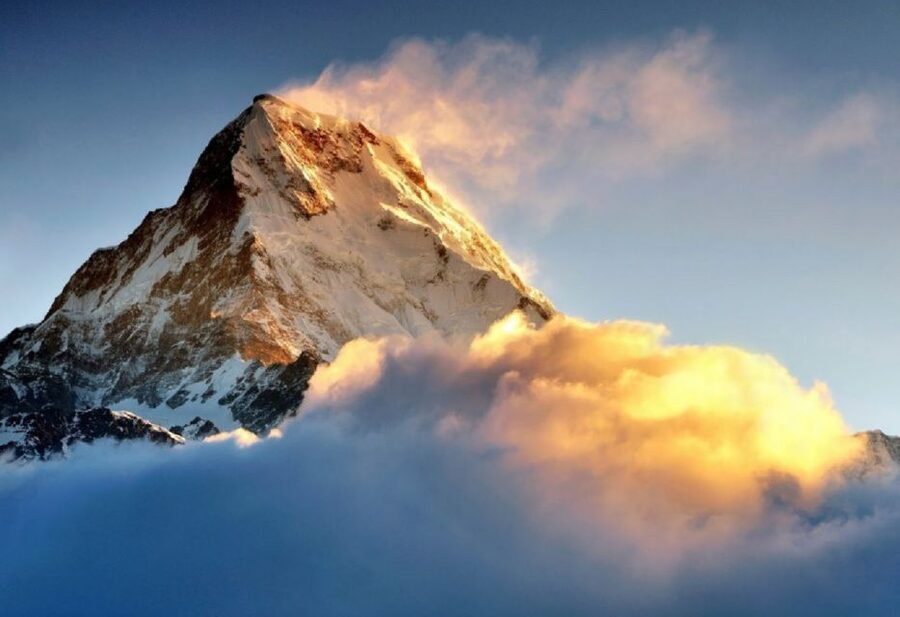
This is the day you came for. You’ll push from Deurali up to Annapurna Base Camp at 4,130m, passing through Machhapuchhre Base Camp along the way. The scenery shifts dramatically as altitude increases, and the views start stacking: Annapurna peaks, nearby ridgelines, and the famous silhouettes people photograph for years.
The trek time is about 5–6 hours, but the difficulty is less about pure distance and more about altitude plus steep effort. You’ll likely feel your breathing change. That’s normal. This is exactly where a good guide makes the difference: pacing you, reminding you to take your time, and keeping you calm when the cold or thin air slows you down.
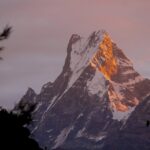
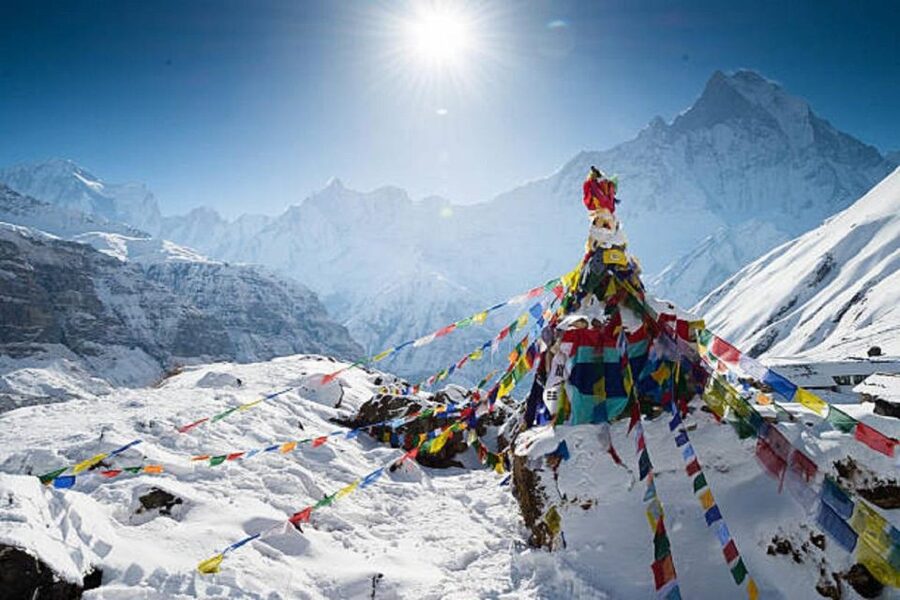
One of the best parts of reaching Base Camp is that you’re not just staring at a mountain from far away. You’re in the amphitheater of the Annapurna massif with peaks like Annapurna South, Annapurna I, Hiunchuli, and Machhapuchhre (Fishtail) all in your field of view (conditions permitting). And because you have time at Base Camp for sightseeing and a bit of free time, you can actually enjoy the place instead of sprinting through it.
Possible drawback: it’s a demanding day, and cold conditions are common at higher elevations. Wear layers you can adjust quickly so you don’t cook yourself uphill and freeze on breaks.
Day 4: Back to Bamboo for a controlled descent
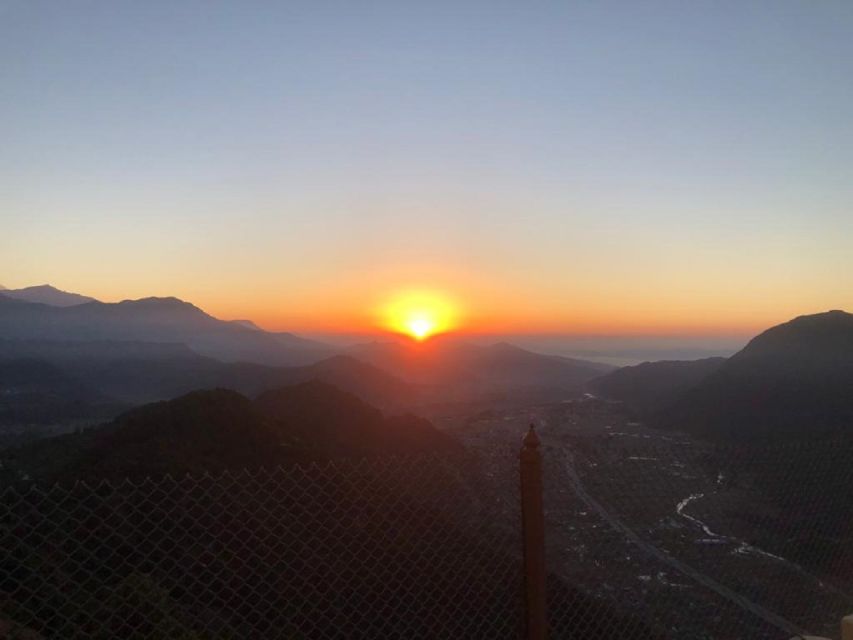
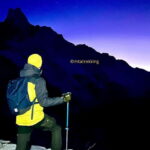
After Base Camp, the trail turns mostly downhill toward Bamboo (around 2,340m). This is the day your knees will negotiate new terms. Even though it’s easier on your heart rate, descending for 6–7 hours can be rough if you don’t use good technique.
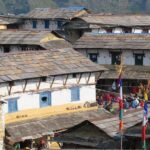
You’ll retrace parts of the route, passing through familiar village nodes and crossing the changing forest-to-alpine feel again. That retracing isn’t boring—it’s how you confirm what you saw on the way up. You’ll notice how the weather, cloud layers, and light change the peaks.
What I like about this day is that it creates recovery time without making the trek feel like a retreat. Bamboo is a practical base for a night close to the hot springs area, and you’ll likely feel more energetic the next morning because you’re not climbing again.
Possible drawback: downhill is where many people get sore. If you know you’re sensitive on descents, plan to use trekking poles and slow your steps.
Day 5: Bamboo to Jhinu Danda, then hot springs and the drive home
Your final hiking push takes you from Bamboo to Jhinu Danda / hot springs area (around 1,780m) for about 5–6 hours, followed by a 2–3 hour drive back to Pokhara.
This is the day for payoff. Once you reach Jhinu Danda, you’ll have the chance to soak in the natural hot springs. The hot springs entry fee is included, so you’re not scrambling for cash or figuring it out at the last minute.
Then the drive back to Pokhara closes the loop. You go from cold mountain air and thick trekking layers down to a lower elevation where your body can finally breathe easier. Even if you’re tired, this ending is the kind that makes you smile—because it’s not just “done,” it’s actually taken care of.
Possible drawback: your legs are still working on day five. If you’ve pushed hard on day three or day four, you’ll want to keep your downhill pace controlled instead of trying to finish fast.
Food, tea houses, and what your nights really look like
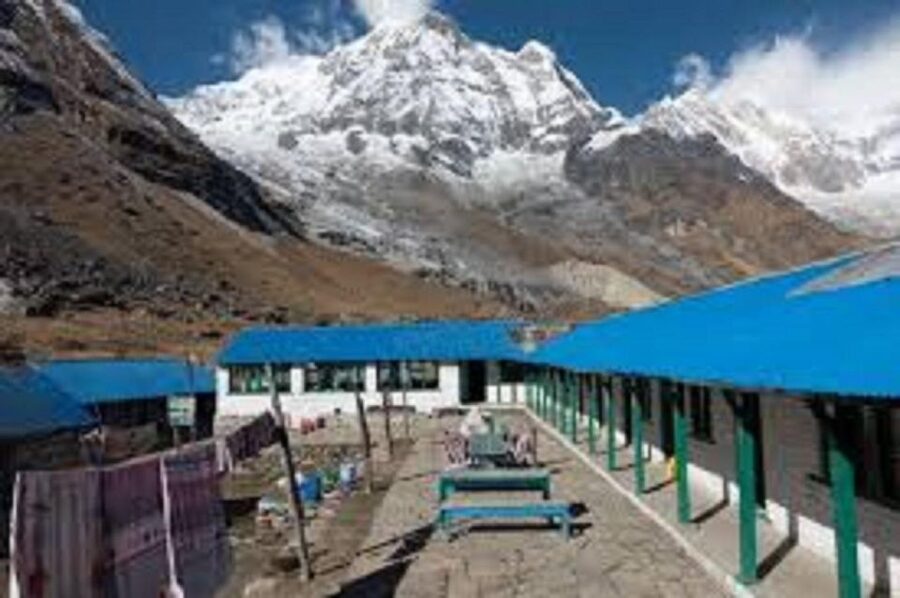
This trek uses basic tea houses or lodges, which is exactly what you want on a route like this. You’re spending your time outdoors; the sleeping arrangements are simple, practical, and built for trekkers.
Meals are included depending on the selected option, and the guide helps coordinate food and accommodations. In real terms, that means you can focus on the day’s hike instead of hunting for meals at each stop.
One practical point: at higher elevations, warmth becomes more important than luxury. Bring clothing that you can layer for cold nights. If you keep your core warm and your socks dry, you’ll sleep better and wake up less cranky.
Guides and pacing: the difference between surviving and enjoying it
This is a trek where your attitude matters, but your guide’s pacing matters more. The guides on this route are consistently described as supportive and safety-focused, and names you might hear include Anil, Santosh, Uttam, Bishnu, and Sun Bahadur. The common thread is patient guidance—especially during colder stretches—and a steady reminder to take your time rather than rushing.
If you’re a first-time long trekker, that kind of pacing guidance is gold. You’re not just learning the trail; you’re learning how to move at altitude without panicking. A good guide also makes arrivals at guesthouses smoother, which sounds minor until you’re tired and trying to figure out where you are, what you eat, and how you settle in.
Also, weather can force schedule adjustments. One guide team was noted for handling a weather-related situation by switching the plan and keeping the trek running. That’s reassuring because mountains don’t care about schedules.
Price and value: what $155 really buys you
At $155 per person for a 5-day trek, this stands out as good value—mainly because so many “hidden” costs are folded into the price.
Here’s what’s included:
- Round-trip transportation between your hotel, the trek starting point, and Pokhara return
- Annapurna Conservation Area (ACAP) Permit
- Meals throughout the trek (depending on option)
- Basic tea house or lodge accommodations
- An English-speaking government-registered guide
- Hot springs entry fee
- First aid kit
- Luggage storage in Pokhara
- Trekking gear support if you need it (a duffel bag / trekking pole / trekking bag if required)
What’s not included:
- Travel insurance (mandatory for your safety)
- Personal expenses like snacks and drinks
- Emergency rescue services
- Porter service, if you choose it (listed at $20 per day)
So the real value question is: are you comfortable managing your own personal spending and staying insured? If yes, $155 is a straightforward way to do Annapurna without getting nickel-and-dimed for core items.
What to pack so you feel human at 4,130m
You’ll be hiking in changing conditions—warm sun at lower levels and cold at higher elevations. Use layers and bring the items that keep you functional:
Essentials:
- Comfortable shoes plus hiking shoes
- Rain gear
- Warm layers (temperatures can vary significantly at altitude)
- Hat
- Change of clothes
- Cash for personal expenses
- Passport (copy accepted is fine, and you should submit it before permits)
Nice-to-have:
- Camera (Base Camp photos are a big deal here)
- Hiking pants
- Hair tie (small, but practical when it gets windy and cold)
- Trekking gear you prefer to use (and ask if you need a trekking pole/bag support)
Trip tip: if you can, pack so you can access layers quickly. On cold mornings, fumbling with bags wastes time and patience.
Who this trek suits best (and who should think twice)
This trek is described as moderately challenging and suitable for trekkers of all experience levels, but I’d interpret that realistically. You don’t need technical mountaineering skills. You do need the willingness to walk uphill for hours, manage cold, and keep moving during long days.
Best fit:
- You want the iconic Annapurna Base Camp goal in just 5 days
- You like village trekking and want to see how people live along the route
- You’d enjoy a recovery stop with hot springs at the end
Consider thinking twice if:
- You’re not comfortable with cold weather at higher elevations
- You have limited tolerance for steep sections and long downhill days
- You don’t plan to take altitude seriously and pace carefully
Should you book this Annapurna Base Camp trek with hot springs?
If your dream is Base Camp views plus a satisfying reset at the end, I’d lean yes. The route makes practical sense: you push to 4,130m in a concentrated window, then you return to a lower elevation with hot springs ready for your tired legs. Add in included ACAP permitting, guide support, basic lodges, and transportation, and you get a clean package with fewer decision points.
Before you book, do two reality checks:
- Make sure you’re ready for cold mornings and steep effort, not just scenic hiking.
- Buy travel insurance, because the trek explicitly treats insurance as mandatory.
If you want an Annapurna experience that feels focused (not rushed) and ends with something genuinely relaxing, this one is easy to recommend.
FAQ
What is the highest altitude on this trek?
The itinerary reaches Annapurna Base Camp at 4,130m.
How long is the trek?
The trek duration is 5 days.
Is the trek suitable for beginners?
It’s described as suitable for trekkers of all experience levels, but it can be physically demanding and includes steep ascents and descents plus cold at higher elevations.
What’s included in the price?
Included items are round-trip transportation between your hotel and the trek starting point, the ACAP permit, meals (depending on option), basic tea house/lodge accommodation, an English-speaking government-registered guide, hot springs entry fee, luggage storage in Pokhara, and a first aid kit.
Do I need travel insurance?
Yes. Travel insurance is listed as mandatory for your safety and peace of mind.
Is a porter included?
A porter is not included. If you want one, it’s listed at $20 per day.
What permits are covered?
The Annapurna Conservation Area (ACAP) Permit is included.
What languages does the guide speak?
The guide is listed as speaking English, Hindi, and Nepali.
Can I cancel for a full refund?
Free cancellation is offered up to 24 hours in advance for a full refund.