REVIEW · KATHMANDU
Everest Base Camp Trek
Book on Viator →Operated by Himalayan Recreation Treks & Expedition Pvt.Ltd · Bookable on Viator
Everest Base Camp is all about altitude and timing. This trek stands out because your Lukla flights and tea house accommodations are built into the package, not tacked on later, and you’ll be moving with a government-licensed trekking guide. I also like that the operator keeps a tight support setup, with guide-team examples like Bishnu and Basu noted for staying on top of details. One real consideration: the trek is demanding at altitude, and you should plan for health risk and weather swings.
You’ll start in Kathmandu, get a few days to get oriented (including classic sights around Thamel and major temples), then fly to Lukla and settle into the Khumbu trail rhythm. Along the way, the stops are chosen for both scenery and progression, with acclimatization built into the pace rather than pushed aside.
If you want the Everest Base Camp experience without DIY chaos, this package can be a strong value. Just understand that even with lodging included, you still need to budget for meals, drinks, and tips.
In This Review
- Key highlights worth paying attention to
- Everest Base Camp: the value of having Lukla handled
- Kathmandu warm-up: Thamel, major temples, and a comfortable reset
- Fly to Lukla, then climb into the Khumbu rhythm
- Phakding to Namche: rivers, stair days, and acclimatization that actually matters
- Everest View Point and Tengboche: first big payoffs, plus monastery calm
- Dingboche and Chukhung: the altitude check you don’t want to ignore
- Lobuche, Khumbu Glacier, and Gorak Shep: where the route feels real
- Kala Pattar and the Everest Base Camp payoff
- Returning via Namche and Lukla: don’t waste the downhill
- Price and what you’re really buying at $999
- Altitude, gear, and health: the checklist you shouldn’t skip
- Who this trek suits best (and who should rethink it)
- Should you book this Everest Base Camp package?
Key highlights worth paying attention to
- Lukla domestic airfare included so you’re not gambling on flight logistics at the last minute
- Tea house accommodation included for 11 nights which keeps your daily spending predictable
- Government-licensed trekking guide plus a first aid kit and basic first aid training on the team
- Kathmandu hotel nights included so you’re not trekking straight off the plane
- Max 8 people per booking with a private group setup, which usually means easier pacing
- Altitude awareness is explicit and strongly baked into how you should prepare
Everest Base Camp: the value of having Lukla handled
The most stressful part of Everest Base Camp isn’t the hiking. It’s getting to the start—Lukla—and doing it at the right time, with the right buffer.
With this tour, the Kathmandu ↔ Lukla ↔ Kathmandu domestic flights (including airport tax) are included. That matters because Lukla flights can be weather-dependent. The operator even flags the need to consider delays or cancellations, and asks you to plan for 1–2 extra days if things don’t line up. That’s not a small detail. It can be the difference between arriving, acclimatizing, and feeling rushed.
The second big value piece is that you’re not carrying the entire cost burden of your day-to-day trek. You get tea house accommodation for the bulk of the route. In practice, this helps you control your budget while you’re away from ATMs and big grocery options.
The third value note is human: this is guided by a government license holder trekking guide with full facilities. You’re not just buying “someone who hikes.” You’re buying a person whose job is to keep you on track and thinking about safety.
You can also read our reviews of more tours and experiences in Kathmandu.
Kathmandu warm-up: Thamel, major temples, and a comfortable reset
Your trek begins in Kathmandu, with airport meeting help at Tribhuvan Airport, plus arrival/departure assistance by private car via the operator. If you’ve ever traveled in Nepal and arrived tired, that small logistics layer feels real.
Day 1 includes a Kathmandu orientation stop and a base in Thamel, the tourist hub where you can handle last-minute gear needs. The tour also schedules time near Garden of Dreams, a well-known calm pocket in the middle of the city. You’re not meant to “see everything.” You’re meant to get your bearings and handle the practical things you’ll need for the mountains.
Then the trip layers in big cultural anchors. You’ll also visit Swayambhunath (the Monkey Temple area) and Boudhanath Stupa during the early portion of the program. These aren’t random add-ons. For most trekkers, they work as an orientation to Nepal’s pace and spirituality—plus, they’re great for easy walking after sitting all day.
Hotel nights are included at a 3-star property. The details mention 2 nights in the hotel (with breakfast on day 1 and day 13), while the overall description also refers to three nights. Since the document is slightly inconsistent, I’d treat this as a “confirm with the operator” item so you know exactly what you’re getting.
Fly to Lukla, then climb into the Khumbu rhythm
Flying to Lukla is where Everest Base Camp stops being a plan and starts becoming a lived experience. The schedule includes a flight to Lukla on Day 2, described as the way to “get way to Everest,” which is a reminder that you’re not just touring villages—you’re entering the trekking corridor.
One practical note: don’t treat the first day after arrival as a day for hero moves. Even before big climbs, the body needs adjustment. Trekking at altitude isn’t only about height—it’s about how quickly you go from low oxygen to thin air.
After Lukla, your trek heads toward Phakding. Phakding is a classic “settle in” stop. It’s a good place to learn how your pack feels over time and to get your water and snack routine locked in. The long travel blocks listed in the schedule suggest you’ll be on the move more than you might be on a casual hike, so keep expectations realistic.
Phakding to Namche: rivers, stair days, and acclimatization that actually matters
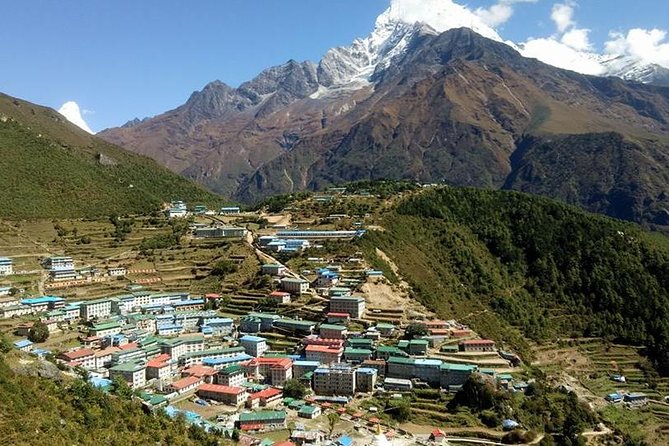
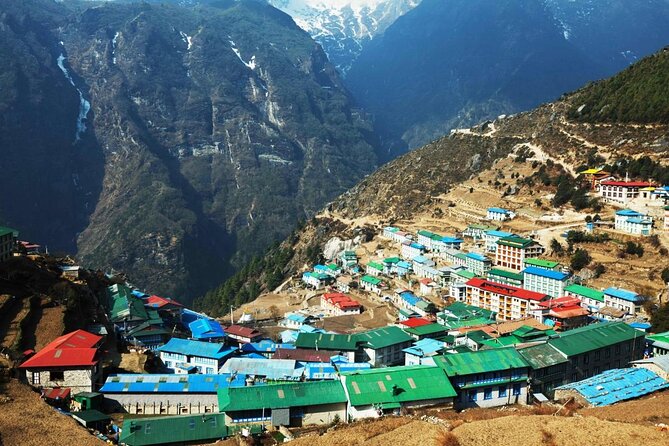
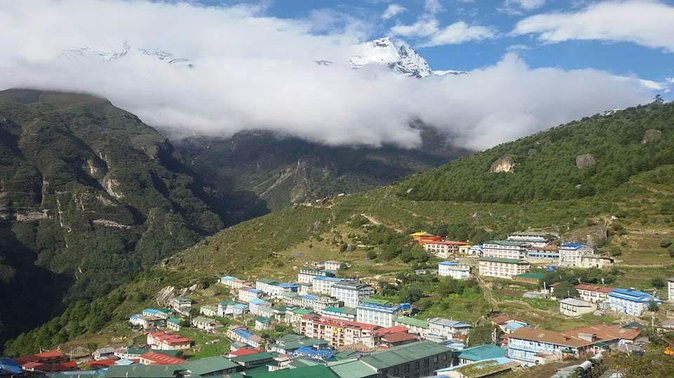
From Phakding you continue toward Namche Bazaar, the key altitude hub for most Everest treks. The route crosses the Dudh Koshi River area, which is one of those reminders that you’re trekking through valleys carved by big weather and big water.
Namche is where most trekkers learn their personal altitude limits. The tour includes days around Namche that give you time to breathe and adjust rather than turning it into an all-legs grind.
The schedule also includes time in Namche itself (Day 3 and Day 4). That’s a smart move. Without that built-in pause, you’re more likely to feel wrecked later. Here, you’re also in the zone where tea houses are plentiful, supplies are easier to find, and you can feel what “mountain life” is like without being fully isolated.
A quick, practical mindset shift for you: think of Namche as your checkpoint, not just a stop. If you handle Namche calmly, the rest of the trek usually feels more manageable.
Everest View Point and Tengboche: first big payoffs, plus monastery calm
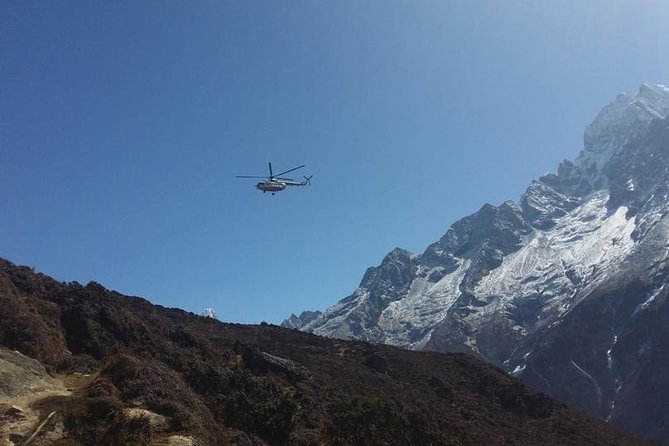
Day 4 includes an Everest View Point stop. This is the part many people remember: the sky opens, the scale hits, and you can finally understand what the word Everest means. Even if the views aren’t perfect every day, you’ll still get the “oh wow” moment—often with a clearer view than you’d expect given the altitude.
Then you move toward Tengboche, with Tengboche Gompa included. Tengboche is not just about photos. It’s a spiritual waypoint and a place where the trail energy slows down. You’ll likely notice the difference in sound—more quiet, more pause, less “race to the next tea house.”
The schedule also references Mt. Ama Dablam and Mt. Taboche. You’ll see plenty of these peaks from viewpoints along the route, but the key is this: viewpoints like this help you connect the dots between what you’re walking and what you’re seeing. That’s motivating, and motivation matters when the air is thin.
Possible drawback here: Tengboche days can feel longer than the numbers suggest, especially if weather is messy. If visibility drops, keep your effort focused on the next safe step, not on chasing perfect mountain shots.
Dingboche and Chukhung: the altitude check you don’t want to ignore
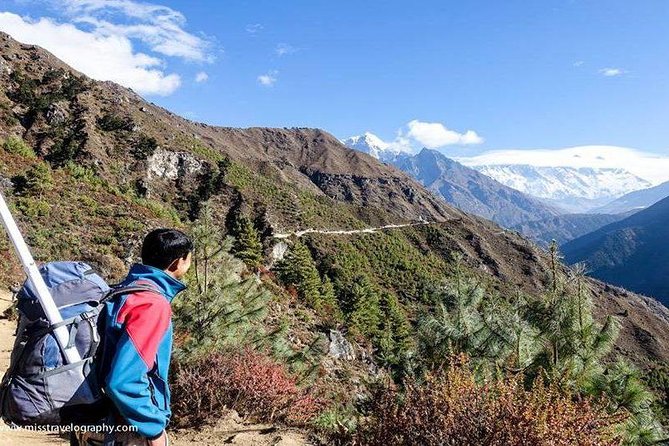
As you head into Dingboche, the trek shifts from “scenery walking” to “how are you breathing” territory.
Dingboche is included on Day 6, with the schedule listing another Dingboche day later too. That pattern signals a common trekking principle: give your body repeated chances to adapt. You’ll also pass through the Chukhung area on a day that’s listed as part of your progression.
In this zone, you’ll likely feel altitude more clearly. The tour itself warns that you’ll be walking at demanding elevations around 5,364 meters (17,598 ft), with possible extreme weather changes and that adverse health effects are possible regardless of age or fitness. That warning isn’t there to scare you. It’s to make you responsible about pacing, hydration, and listening to your guide.
My practical advice: in Dingboche, treat symptoms early. If you’re getting unusual headaches, nausea, or unusual fatigue, don’t try to “tough it out.” Tell your guide quickly so your pace can adjust.
Lobuche, Khumbu Glacier, and Gorak Shep: where the route feels real
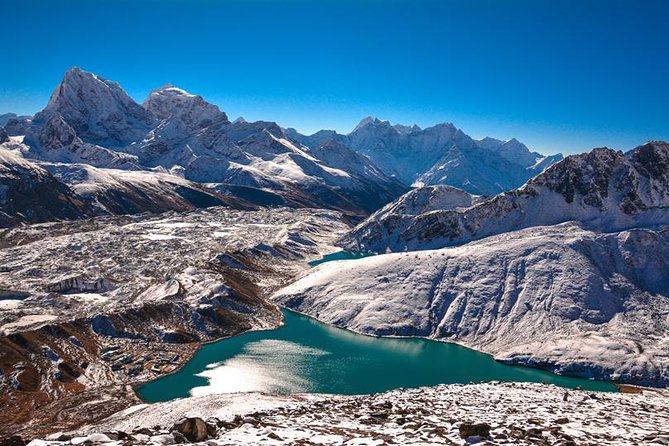
Day 8 brings you to Lobuche and includes time tied to the Khumbu Glacier. Day 9 includes Mount Everest and Gorak Shep. This is the part of the trek that feels the most “high altitude mission.” It’s also where your planning about warmth and sleep will pay off.
Gorak Shep is especially important because it’s a staging area for the high viewpoint day. Tea houses here can be basic, but that’s normal at this elevation. The tour’s included tea house accommodation is a big win because you’re not scrambling for lodging logistics when you’re tired and cold.
There’s also a psychological factor. When you move into glacier-adjacent terrain and the mountain scale changes, it can feel like the trek is suddenly serious. If you plan your energy early, you’ll arrive at Gorak Shep feeling like you still have something left for the main viewpoint day.
Kala Pattar and the Everest Base Camp payoff
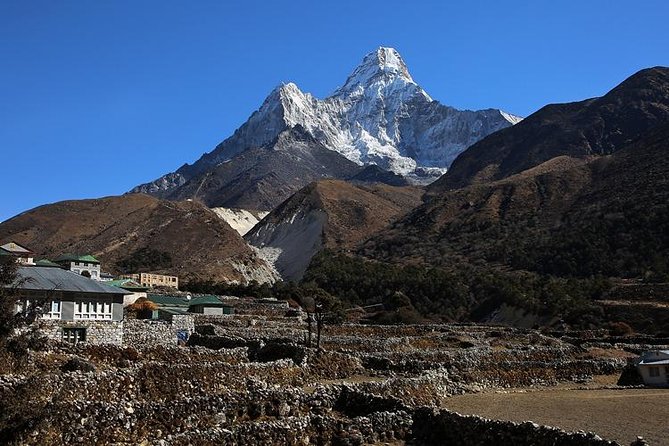
Kala Pattar is included on Day 10. This is the kind of stop that can turn a good trek into a lifetime memory. It’s a viewpoint day where you earn the view with effort.
The schedule also includes stops listed around Pheriche–Dughlha Road and Pangboche during the broader Day 10 movement. In practice, that means your day is about more than just one view. It’s a blend of climbing, descending, and stepping through villages that help you transition back into calmer trail rhythms.
Base Camp is the core goal of the entire tour package, and the design of the route makes sense for it. You’re not hopping around randomly. You’re building up to the high points, then you’re moving onward with your body still in trekking mode—not dropped cold into full recovery and then expected to perform.
One drawback to keep in mind: weather at altitude can change your experience fast. Cloud cover can blunt views. That’s why the tour has you doing multiple altitude-critical days rather than one single “all or nothing” push.
Returning via Namche and Lukla: don’t waste the downhill
After the main viewpoint day, the schedule brings you back toward Namche Bazaar on Day 11, then down to Lukla on Day 12, and finally back to Kathmandu on Day 13.
This return route is more than just repetition. It’s where you test whether your pacing worked earlier. Descending can be easier emotionally, but it can punish your knees and ankles if you rush. You’ll be tired, and the temptation is to speed up. Don’t.
Namche again gives you a familiar checkpoint. You can reset your water routine, rest your legs, and prepare for the long day to Lukla. When you finally reach Lukla on Day 12, it’s a relief for many trekkers because you’re closer to civilization and less exposed.
Then you fly back to Kathmandu and finish with your included hotel night(s).
Price and what you’re really buying at $999
At $999 per person, this is priced like a guided, structured Everest Base Camp trek with major costs included. The big question is always the same: what does the price prevent you from paying out of pocket?
Here’s what’s explicitly included in the provided details:
- 3-star Kathmandu hotel nights (noted as 2 nights in the inclusions; overview mentions three, so confirm)
- Tea house accommodation for 11 nights
- Domestic airfare Kathmandu–Lukla–Kathmandu including airport tax
- Licensed trekking guide plus first aid kit and guide support
- All government taxes, VAT, and service charges
- Pickup/dropoff assistance by private car with arrival and departure help
- A Himalayas Recreation’s T-shirt and dinner (dinner is listed as included, but meals beyond that aren’t fully specified)
- Mobile ticket
Then what you still pay:
- Food and drinks (listed as not included) with a guideline of $350 per person
- Gratuities of $150 per person
So the value is in removing the biggest headache categories: flights and lodging logistics. You’re also getting taxes and guide services handled inside the price, which is what most “cheaper” treks often leave out until you get hit with surprise charges.
A smart budgeting approach for you: plan your spending in two layers. First lock in the fixed included costs (flights + tea houses + guide + taxes). Then treat the meals, drinks, and tips as your on-the-ground variables.
Finally, the operator notes group size max 8 and a private setup for your group. Smaller groups usually help pacing decisions and make it easier to manage health and safety conversations in real time.
Altitude, gear, and health: the checklist you shouldn’t skip
This tour is serious about altitude. It states you’ll walk at demanding elevations around 5,364 meters, and that adverse health effects are possible regardless of fitness.
Here’s what you can do to protect yourself based on the tour requirements:
- Discuss with your doctor before departure. Seriously. The trip’s own guidance points you there.
- Use travel insurance that covers medical expenses and emergency repatriation. Proof of insurance must be shown to the tour leader on the first day.
- Pack light: aim for under 22 lbs (10 kg) since you carry your own luggage.
- Bring required permit documents: passport photo copy (clear color scan) with validity minimum 6 months, two passport-size photos, plus occupation and home details address.
- Expect gear sourcing in Kathmandu: the guide can help you buy or rent trekking gear there.
The tour also notes basic first aid training on leaders and awareness of closest medical facilities. That’s good, but it’s still on you to pace correctly and report symptoms early. Guides can’t breathe for you. They can help you make safer decisions.
Who this trek suits best (and who should rethink it)
This program fits you best if:
- you want a guided Everest Base Camp trek with the heavy logistics handled (especially Lukla flights and tea house beds)
- you like a smaller group size (max 8) and a private group setup
- you’re prepared for strenuous walking at altitude and you can follow safety guidance
It’s a weaker fit if:
- you’re not comfortable with altitude risk, long walking days, and basic tea house conditions
- you aren’t ready to budget for meals, drinks, and tips beyond the package price
- you need constant luxury or fully predictable weather (altitude never promises that)
Minimum age is listed as 8 years, but that doesn’t mean every child is a fit. The core condition here is physical fitness and altitude readiness.
Should you book this Everest Base Camp package?
If your biggest fear is Everest Base Camp becoming a logistical puzzle, I’d say this is worth serious consideration. The Lukla airfare included, the tea house accommodation included, and the licensed guide with first aid readiness add real peace of mind. For a $999 trek, that’s the kind of cost control you actually feel when you’re away from home.
Before you hit book, do two things:
1) Confirm the exact Kathmandu hotel nights (the document mentions both 2 and 3 nights).
2) Plan for the mountain truth: pack light, protect your health, and assume weather can affect flights.
If you can handle those points, you’re set up for a classic Everest Base Camp experience that’s guided, structured, and built to help you stay on track.