REVIEW · KATHMANDU
Annapurna Base Camp Trek
Book on Viator →Operated by Everest Trekking Routes Pvt. Ltd. · Bookable on Viator
The Annapurna Base Camp trek is wonderfully organized. It blends iconic peaks like Annapurna and Machapuchare with changing trail scenery and culture, ending at base camp around 4,130 meters. I like that this trip handles the hard bits up front (permits and day-to-day meals), and I also like the steady mix of viewpoint hikes and longer walking days. One thing to think about: the trek is built for moderate physical fitness, and extra costs like drinks, tips, and evacuation insurance are on you.
I also like the way the team is described in real feedback. You’ll hear familiar names like guide Cecil and guide Sushil Gurung, with porters Samu Gurung, Sujan Gurung, and Bishal, plus trip coordination by Rabin. That human layer matters on a long walk in the Himalaya, especially when you’re tired or questions pop up.
A small practical note: Wi‑Fi on the trekking portion isn’t included, so plan to be offline for a while. And while transport is included, you’ll still have morning timing and mountain pacing to match, not “sleep-in and stroll.”
In This Review
- Key highlights worth paying attention to
- Why Annapurna Base Camp Feels Big on a 12-Day Schedule
- Kathmandu’s Pasupatinath Temple: a strong start before the trail
- Pokhara Lake time: two nights that help you breathe
- Birethanti: entering the Annapurna Conservation Area
- Ghorepani and Poon Hill: the shortcut to big views
- Chhomrong and Bambook: village days with real walking
- The Annapurna Base Camp run: tea houses, cold air, and clear rewards
- The team behind the trek: guides and porters make it work
- Price and what your $935 actually buys
- Getting ready: fitness, altitude, and smart packing
- Who should book this trek, and who should think twice
- Should you book the Annapurna Base Camp trek with this provider?
- FAQ
- How long is the Annapurna Base Camp trek?
- Where does the trek start and end?
- What time does the experience start?
- Is airport and hotel pickup included?
- What’s included for trekking days?
- Are trekking permits included?
- What’s not included?
- Is Wi‑Fi available during the trek?
- What fitness level do I need?
- Should I know anything about canceling?
Key highlights worth paying attention to
- Permits and taxes handled: TIMS card and ACAP permit are included, plus government fees.
- All meals during the trek: breakfast, lunch, and dinner, with tea or coffee.
- Tea-house style stays: included throughout the trekking portion.
- View-focused hiking: Poon Hill is built in as a classic short, rewarding climb.
- Pro guide + porter support: a licensed professional guide plus an expert local porter are part of the package.
Why Annapurna Base Camp Feels Big on a 12-Day Schedule
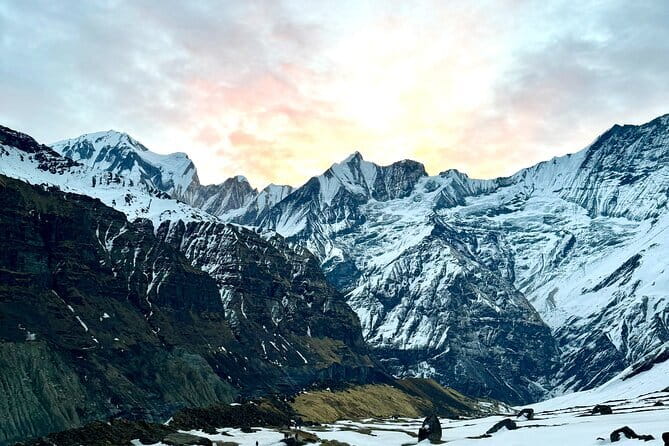
This trek is popular for a reason: you don’t just hike through one type of scenery. You move through terraced farming zones, rhododendron forests, and higher, colder ground that turns into alpine meadows as you get closer to the big views. Along the way, you pass traditional Gurung and Magar village areas, which is where the walk starts to feel less like a hike and more like traveling on foot through people’s daily world.
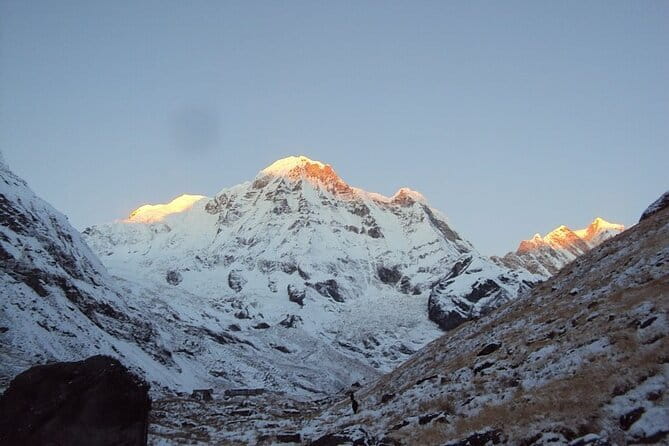
Most importantly, the goal is specific: reaching Annapurna Base Camp at about 4,130 meters. That height isn’t just a number on a brochure. It shapes the whole experience—cooler air, quicker fatigue, and a “we’re really here” feeling when the weather clears. If you want a trek with a clear finish line and enough structure to keep things comfortable, this one has that.
You can also read our reviews of more tours and experiences in Kathmandu.
Kathmandu’s Pasupatinath Temple: a strong start before the trail
Day 1 puts you at Pashupatinath Temple, widely known as one of the most beautiful and biggest temples in Kathmandu. Even if you’re not the kind of traveler who studies temples for fun, this is the kind of place that gives you context fast. Kathmandu isn’t only about trekking gear and bus terminals; it’s a living city with religious life right in the open.
Practically, a temple stop early in your itinerary also helps you reset after travel. You get a cultural “anchor” before you start stacking hiking days on top of each other. If you arrive in Nepal with jet lag, you’ll likely appreciate that the day isn’t built around a long trek.
Pokhara Lake time: two nights that help you breathe
You’ll transfer to Pokhara and spend two nights in a hotel with breakfast. Pokhara’s best-known calling card here is the Pokhara Lake area, plus the fact that it’s a tourist-friendly zone. That matters more than it sounds. After days of mountain stair-climbing, you want a place where food, rest, and a calm evening are easy to find.
From a pacing point of view, this Pokhara break is smart. It’s not just sightseeing; it’s a buffer. You can wash clothes, stretch, and get your packing sorted for the trekking section. And because the trek moves through villages and tea-house stops, having a day or two of “normal hotel life” before you go fully basic on the trail makes the overall experience feel smoother.
One consideration: Pokhara can feel busy compared with what you’ll experience on the trek. If you’re hoping for total quiet, use your time intentionally—early walks around the lake, an easy dinner, then sleep.
Birethanti: entering the Annapurna Conservation Area
On Day 3 you reach Birethanti, which marks the point of entering the Annapurna Conservation Area. This is one of those small itinerary moments that becomes meaningful once you’re walking higher. Conservation areas often mean clearer trail rules and a stronger emphasis on protecting forests and wildlife habitats. You’ll feel it as you transition from lower, farmed areas into more forested paths.
Why I like this stop: it’s not just “geography.” It’s the moment your trek starts to feel like it has boundaries and purpose. You’re leaving town ease behind and entering a protected region where the scenery changes more dramatically day by day.
Ghorepani and Poon Hill: the shortcut to big views
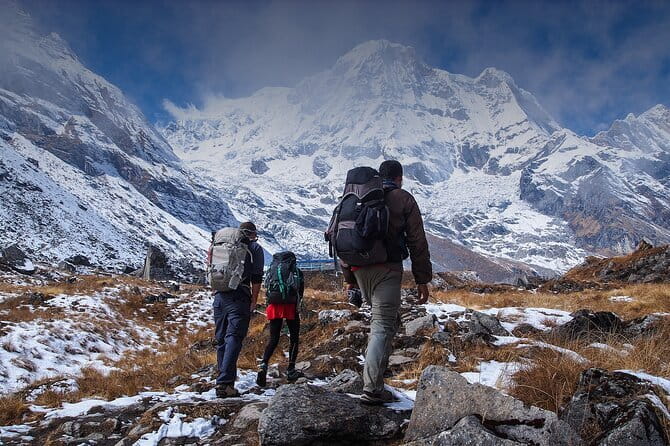
Day 4 includes Ghorepani and the Poon Hill route, one of the classic short hikes and viewpoint routes in the Annapurna region. If you’re trying to build confidence before longer trekking days, this is a strong choice. You get the reward of viewpoint climbing without the commitment of a full-day grind.
Then Day 5 is a longer walk: about 5 hours from Ghorepani to Tadapani. This is a good pattern for many walkers—start with a high-payoff hike, then settle into steady trekking. You’ll notice the transition in the environment as you move between settlements: paths narrow, the air can cool, and the rhythm shifts from “tourist viewpoint” to “trail walking.”
A practical thought: viewpoint hikes often mean early departures and chilly mornings. Bring layers you can peel on the ascent and reapply fast when you stop moving.
Chhomrong and Bambook: village days with real walking
Day 6 takes you to Chhomrong via a beautiful walk. Chhomrong is the kind of place that typically gives trekkers more than one thing at once: a village feel, a strong sense of being in the valley system, and good chances for dramatic mountain sightlines depending on weather.
Day 7 is the trek to Bambook, described as moderate walking. That “moderate” detail is important. It signals that not every day is meant to punish you. The goal here is to keep you moving at a sustainable pace while still building the stamina you’ll want for the base camp approach.
If you’re planning for effort, treat these days like training for the emotional payoff ahead. You’re not yet at Annapurna Base Camp, but you’re building the legs, and you’re also building familiarity with how tea-house trekking works.
The Annapurna Base Camp run: tea houses, cold air, and clear rewards
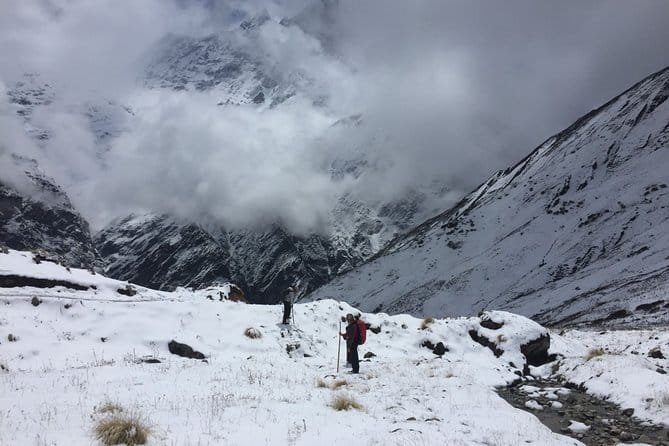
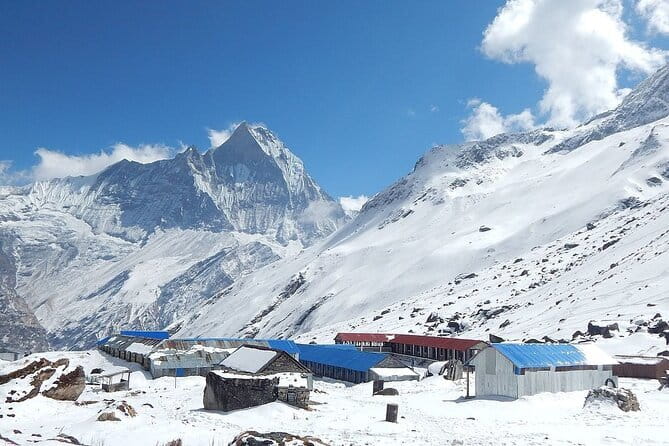
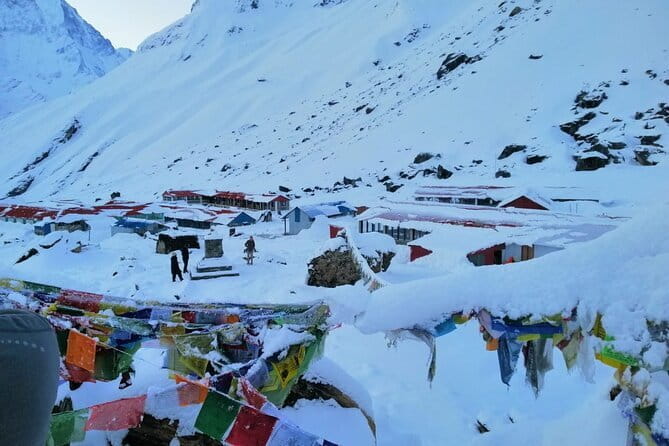
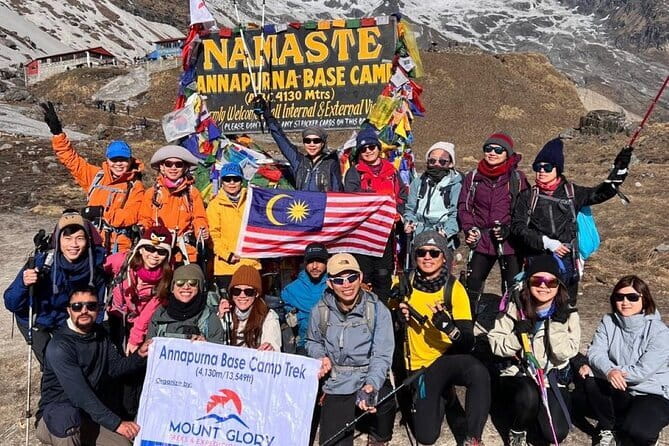
Days 8 to 10 focus on reaching and then hiking around Annapurna Base Camp. Day 8 is the big move: trek to Annapurna Base Camp. Day 9 continues the momentum, described as a hike to Annapurna Base Camp trekking. Day 10 finishes with another key payoff: Annapurna Base Camp is noted as one of the most view-point routes in the region.
What I like about the structure is that you don’t just “arrive and leave.” You have time for multiple moments at altitude. If weather shifts—cloud cover, changing light—you still have chances to catch the views. That matters a lot in the Himalaya, where one clear afternoon can feel like winning the lottery.
Also, this trip includes tea house accommodation throughout the trek and includes all meals (breakfast, lunch, dinner) with tea or coffee. That’s a value win. Meal decisions on the trail can otherwise become stressful: you’re tired, you’re cold, you just want to eat. Having it handled keeps you focused on pacing and staying comfortable.
One reality check: base camp days can be long and cold. Even without specific weather promises, you should assume you’ll be dealing with temperature swings and altitude fatigue.
The team behind the trek: guides and porters make it work
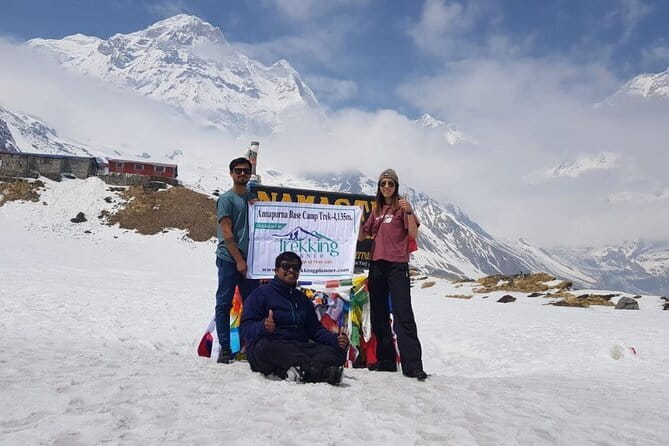
This is where the feedback becomes most useful. The trekking company is consistently described as professional and careful, and the human names keep coming up. Guide Cecil and guide Sushil Gurung are mentioned along with porters Samu Gurung, Sujan Gurung, and Bishal. You also see Rabin described as responsive during planning.
Why that matters for your decision: on a trek like this, logistics aren’t small. When you’re navigating permits, schedules, meals, and daily decisions, you want experienced leadership. And when you’re high on the trail, you want someone who can explain what’s next without confusion.
If you like the idea of having a plan plus people who know how to keep it running smoothly, this team approach is a big selling point.
Price and what your $935 actually buys
At $935 per person for roughly 12 days, the price looks reasonable when you compare what’s included. You get:
- Airport and hotel pickup/drop-off by private car/van/bus
- Kathmandu to Pokhara and return to Kathmandu by tourist bus
- Two nights in Pokhara hotel (with breakfast)
- Two nights in Kathmandu hotel (Kathmandu Suite Home) (with breakfast)
- All meals during the trek, plus tea or coffee
- Tea-house accommodation during the trek
- Trekking permits (TIMS and ACAP)
- All government taxes and listed fees
Those inclusions reduce the number of decisions you have to make while tired and on the move. That’s not flashy, but it’s real value.
What’s not included also matters:
- Extra meals and extra accommodation in Kathmandu beyond what’s listed
- Drinks beyond the included tea/coffee
- On-trek Wi‑Fi
- Personal expenses
- Travel insurance and evacuation insurance
- Tipping for the guide and porter
- If you’re a solo trekker, porter cost is extra (the package notes solo/porters extra)
My practical take: if you want a guided trek that handles the “daily machine,” this price can feel fair. If you already have insurance, your own planning rhythm, and you know how to manage tea-house meals and permits independently, the value depends on how much you want help versus control.
Getting ready: fitness, altitude, and smart packing
The trek is marked for moderate physical fitness. That doesn’t mean you can ignore training—it means the plan is built for steady walkers, not just hardcore hikers. You’ll want a hiking routine before you go, focusing on leg endurance and long-walking comfort.
Altitude is part of the story. Since the finish is around 4,130 meters, you should plan for slower days and listen to your body. Even when the itinerary looks straightforward on paper, altitude can change how “moderate” feels once you’re higher and the air is thinner.
Packing advice that fits this specific setup:
- Layers for cold mornings and warmer afternoons
- A rain layer or weather shell (because conditions can change)
- Comfortable trekking shoes you trust for long days
- A small daypack for water and layers, so you’re not constantly asking for help
Also, remember: Wi‑Fi isn’t included on the trekking portion. If you need connectivity, plan for offline maps and download anything you might use.
Who should book this trek, and who should think twice
This Annapurna Base Camp trek is a strong match if you:
- Want a structured itinerary that includes meals, lodging, and permits
- Prefer traveling with a licensed guide and local porter support
- Enjoy viewpoint days like Poon Hill, but still want longer walking
- Are comfortable with tea-house trekking as the main style of accommodation
It may be less ideal if you:
- Want to travel fully independent without guide or porter support
- Need reliable Wi‑Fi on the trail
- Are not comfortable with moderate trekking and altitude effects near base camp
It’s also described as a private tour/activity, meaning only your group participates. That’s great if you don’t want to share your pace or your planning with strangers.
Should you book the Annapurna Base Camp trek with this provider?
If you’re choosing between a DIY trek and a guided one, I’d lean toward booking something like this when you value clarity and fewer moving parts. The best reason is simple: you get a complete trekking framework—meals, tea-house stays, permits, and a pro team—without you having to figure out the daily system yourself.
I’d book especially if you like the idea of cultural stops in Kathmandu, a reset in Pokhara, and then a payoff-heavy middle to late trek with multiple base camp view moments. And if the names Cecil, Sushil Gurung, Samu Gurung, and Sujan Gurung sound like the type of team you’d want supporting you, that’s a strong sign this trip is built around real people, not just checklists.
FAQ
How long is the Annapurna Base Camp trek?
The duration is listed as about 12 days.
Where does the trek start and end?
It starts at Everest Trekking Routes Pvt. Ltd., Timila Marg, Kathmandu 44600, Nepal, and ends back at the meeting point.
What time does the experience start?
The start time is listed as 1:15 am.
Is airport and hotel pickup included?
Yes. Airport and hotel pickup and drop-off are included by private car/van/bus.
What’s included for trekking days?
All meals during the trek are included (breakfast, lunch, dinner) with tea or coffee, plus tea-house accommodation during the trek.
Are trekking permits included?
Yes. The package includes trekking permits via TIMS card and ACAP permit, plus government taxes and listed fees.
What’s not included?
Not included are extra meals and extra accommodation in Kathmandu, drinks other than the included tea or coffee, Wi‑Fi on the trekking, personal expenses, travel and evacuation insurance, and tipping for the guide and porter.
Is Wi‑Fi available during the trek?
No. Wi‑Fi on the trekking is listed as not included.
What fitness level do I need?
The information says travelers should have a moderate physical fitness level.
Should I know anything about canceling?
Cancellation is listed as free if you cancel at least 24 hours in advance for a full refund. If you cancel less than 24 hours before the start time, the amount paid isn’t refunded.