REVIEW · KATHMANDU
4 Days Poon Hill Trek
Book on Viator →Operated by The Great Adventure Treks & Expedition - Private Day Tours · Bookable on Viator
Sunrise at Poon Hill feels like a cheat code. This guided trek is interesting because it keeps the hike lower-altitude at 3,210m while you pass through terraced farmland, villages, and old forest to reach big Himalayan viewpoints.
I particularly like the private, customizable approach. Your guide can shape the day around your comfort level, and guides such as Binod Silwal or Bikram are known for clear English and careful planning.
One thing to weigh: lunch and dinner aren’t included, so you’ll want to budget for food (and go with what tea houses have that day).
In This Review
- Quick hits before you lace up
- Why Poon Hill at 3,210m is the whole point
- The difficulty level: moderate hiking, not a couch-and-sweets day
- Day-by-day: Ghorepani, Poon Hill, Tadapani, Ghandruk
- Day 1: Getting onto the trail and easing into mountain walking
- Day 2: The sunrise mission, then onward toward Tadapani
- Day 3: Village-to-village hiking and the Ghandruk-area vibe
- Day 4: Wrap-up walking and return via transport
- Sunrise at Poon Hill: what you’re actually chasing
- Guides matter more than you think
- Comfort on the nights: tea houses and real trekking logistics
- Packing and pacing: simple choices that prevent misery
- Price and value: what you’re paying for at about $405
- Kathmandu start: pickup, timing, and staying calm
- Weather reality: a trek you plan around the sky
- Who should book this Poon Hill trek?
- Should you book this Poon Hill trek?
- FAQ
- Where is this trek based?
- When does the trek start each day?
- How hard is the hike?
- What views can I expect from Poon Hill?
- Is this a private trek or shared with others?
- What’s included in the price?
- Are meals included?
- What happens if the weather is bad or I need to cancel?
Quick hits before you lace up
- 3,210m Poon Hill sunrise payoff with wide views of Annapurna, Manaslu, and Dhaulagiri
- Private and customizable routing for moderately fit hikers (a real plus for families or mixed groups)
- Guide-led logistics so you don’t spend your trip worrying about directions or bookings
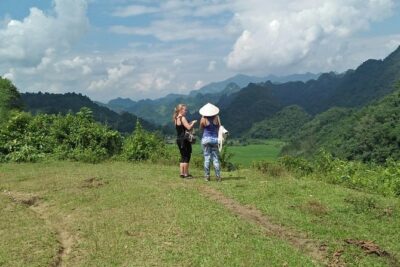
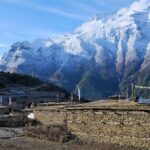
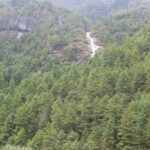
- Route mix you can feel: terraced fields, remote villages, and dense older forest
- Tea house nights with mountain views are a common theme when you stop along the Ghorepani–Tadapani–Ghandruk line
- Private transportation + mobile ticket help keep the start and handoffs simple
Why Poon Hill at 3,210m is the whole point
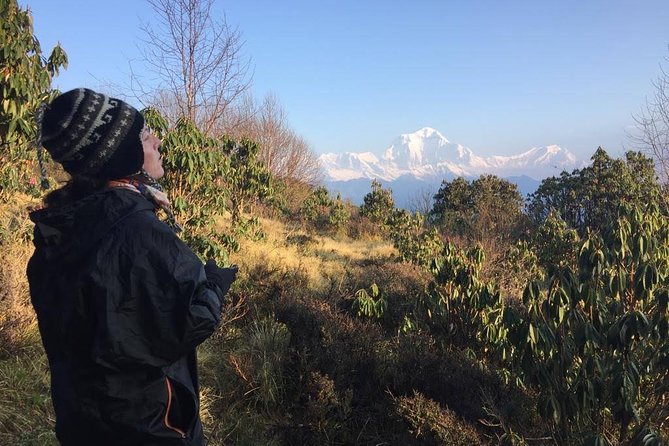
Poon Hill is the classic Nepal “sunrise target,” because you climb to a viewpoint at about 3,210 meters (10,531 feet) and then watch the mountain giants come into view as light spreads. The goal isn’t an epic summit. It’s that moment when the Annapurna region looks close enough to touch.
What I like about this is how the trek is designed around the viewpoint, not just the daily mileage. Your guide focuses on getting you to the right places at the right time—especially for sunrise—while keeping the hiking at a level that feels realistic for moderately fit people.
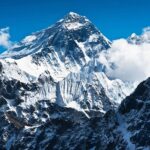
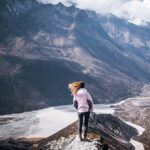
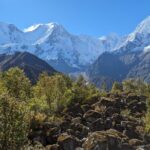
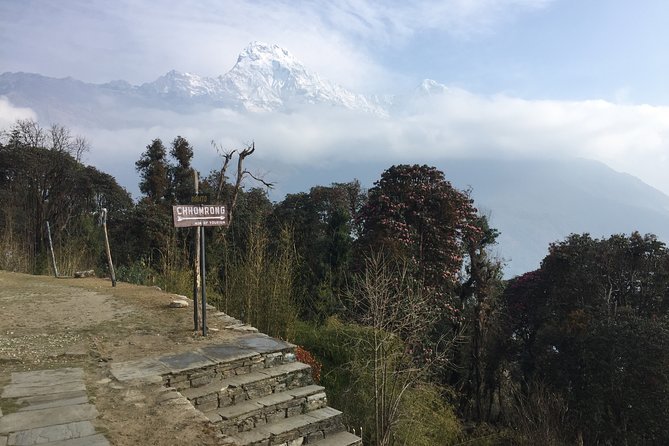
And yes, the views are the headline. From Poon Hill, you should be able to see Mount Annapurna, plus other major peaks including Manaslu and Dhaulagiri when the weather cooperates.
You can also read our reviews of more tours and experiences in Kathmandu.

The difficulty level: moderate hiking, not a couch-and-sweets day
This trek is best for moderately fit travelers. That wording matters. You’re hiking at altitude, moving through forest and villages, and doing some uphill walking. This isn’t flat trekking in comfortable shoes.
The good news is that the plan is built around lower-altitude hiking compared with many Himalayan routes. You still should take altitude seriously—go slow, drink water, and don’t treat the first day like it’s a race. But compared to higher passes and long elevation gains, Poon Hill is often the “entry ticket” into the Annapurna panorama.
If you’re traveling with kids, grandparents, or a group where fitness varies, the private format is what makes it work. You can adjust pacing and timing without being stuck in a one-size-fits-all group schedule.
Day-by-day: Ghorepani, Poon Hill, Tadapani, Ghandruk
This is a four-day trek along the well-known line often described as Ghorepani → Poon Hill → Tadapani → Ghandruk. Your exact daily pacing can shift based on the trail conditions and what your guide recommends, but the overall rhythm stays the same.
Day 1: Getting onto the trail and easing into mountain walking
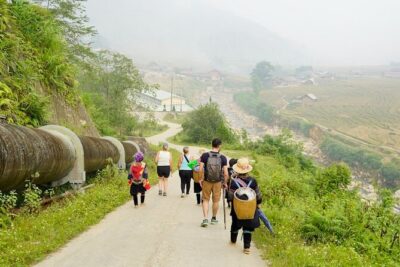
You start with a Kathmandu morning at 9:15 am, and pickup is part of the deal. From there, you’ll get transported to the trail start and begin walking through the kind of scenery Poon Hill routes are famous for: terraced farmland and villages where life looks calm, routine, and not built for tourists.
This is the day where you’ll feel the difference between “city legs” and “mountain legs.” It’s also where having a guide helps. You’re not just following a path—you’re learning what you’re walking through: local land use, village patterns, and how nature and farming connect.
Possible drawback: if you’re unused to uphill walking, Day 1 can feel longer than it looks on a map. Go steady. Let your body find rhythm.
Day 2: The sunrise mission, then onward toward Tadapani
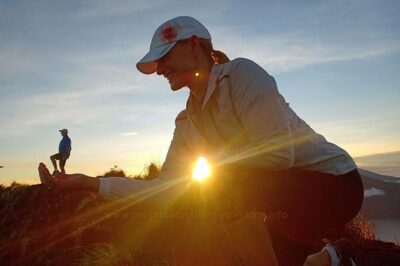
This is the day you earn the early start. Poon Hill sunrise happens at 3,210m, so you’ll need to plan for a pre-dawn climb to the viewpoint. Even when the hike is short, it’s done in cold, dim conditions. Pack for temperature swings, not just daylight.
When the sky opens up, this is where the Annapurna view checklist comes alive: the peaks you’re aiming for show themselves one by one as visibility improves. If the weather is clear, you’ll get those sweeping sights across the Annapurna region—plus other peaks like Manaslu and Dhaulagiri.
After sunrise, the day continues on toward the next stop (often in the direction of Tadapani). You’ll keep walking through forested sections and smaller settlements, so the scenery keeps changing instead of feeling repetitive.
Day 3: Village-to-village hiking and the Ghandruk-area vibe
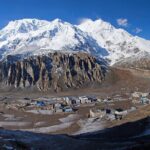
On the third day, you continue deeper into the route toward Ghandruk. This is where the trail often feels more like a community walk: paths between homes, small viewpoints, and moments where the guide can explain what you’re seeing.
Dense older forest shows up again, and the contrast between shaded trails and brighter village areas helps break up the effort. If you like slow travel, this day is where it pays off: you’ll see how the landscape shapes everyday movement.
If you’re feeling strong, it’s also the day where you can ask your guide to adjust the pace—because the trek is private and customizable, not locked to a strict group itinerary.
Day 4: Wrap-up walking and return via transport
The final day is typically about finishing the route and returning to civilization using the private transportation included in the trip.
If you’ve got energy, this is when you can slow down and enjoy final views from the village area before you descend. If you’re tired, it’s still worth it to move at a comfortable pace. The goal is to finish feeling proud, not wrecked.
And yes, your guide helps the trip feel tidy end-to-end—less stress, fewer decision points.
Sunrise at Poon Hill: what you’re actually chasing
Sunrise here isn’t just pretty light. It’s the payoff for the early climb, and it’s why Poon Hill is so widely chosen for a short Himalayan trek.
Here’s the view target as your guide will frame it:
- Annapurna and the surrounding range
- Clear visibility can also reveal Manaslu and Dhaulagiri
- You’re at 3,210m, so the viewpoint angle is high enough to feel dramatic without being a brutal altitude challenge
A practical tip: cloud cover changes everything. This trek requires good weather, and if conditions are poor, plans may shift. That doesn’t mean your trip is doomed—it means you should travel with flexibility and trust the guide’s judgment.
Guides matter more than you think
This is a private guided trek, and that changes the whole feel. You’re not just buying a route. You’re buying somebody who knows how to pace you and where to stand for the best viewing.
From the experience details and the names tied to successful trips, you may be guided by people like Binod Silwal, Bikram, or Jayaram KC. The thread in the feedback is consistent: guides who communicate well, keep logistics running smoothly, and help you find good local food.
One guide detail I’d take seriously: food isn’t an afterthought. If you care about eating well on the trail, ask your guide what’s worth ordering at the tea house. Some guides are praised for pointing you toward organic local food options.
And if you’re worried about getting lost: you don’t have to be the navigator. The point of a guided trek is that your guide takes responsibility for route flow and stops.
Comfort on the nights: tea houses and real trekking logistics
You’re not going to a luxury lodge on this trek. Still, the overnight experience often matters more than people expect, because you need sleep to handle sunrise the next day.
What you can take from the trek setup is that nights are spent in basic guesthouse/tea house-style accommodations, and many trekkers highlight them as comfortable and well placed for views. Sometimes you’ll wake up and look straight at the mountains or at least feel the openness of the valley.
You can also plan your packing with meals in mind. Lunch and dinner aren’t included, so you’ll pay per meal while you’re on the trail. That means:
- Bring cash for small purchases and meal bills
- Expect menus that change from stop to stop
- Keep snacks for emergencies, especially if your appetite swings with altitude
Packing and pacing: simple choices that prevent misery
I’m a big fan of practical packing for treks like this—nothing fancy, just the items that keep you comfortable during early mornings and changing weather.
Pack for:
- Cold mornings for the sunrise climb
- Warm layers you can remove during the day hike
- Good traction footwear
- A water plan you can stick to daily
Then pace like it’s a marathon in miniature. The trek is moderate, but altitude plus repeated walking can still wear you out. If you’re with a mixed group, let the slowest pace set the day and adjust as needed. That’s the hidden value of a private route: you can make the trek fit your group, not the other way around.
Price and value: what you’re paying for at about $405
At $405.13 per person for a private 4-day trek, you’re paying for more than trail time. You’re paying for:
- Private transportation
- A private guide who handles route flow and helps with accommodation decisions
- A setup designed to reduce stress (no need to book each day alone)
- A trek structure that’s appropriate for moderately fit hikers
Now, what’s not in the price:
- Lunch and dinner aren’t included
So the value equation becomes pretty straightforward. If you’d otherwise pay for guide support, day-by-day coordination, and transport, this price can look reasonable fast—especially because it’s private rather than a crowded shared tour.
Also note the schedule context: this trek is commonly booked about 158 days in advance. If you want specific timing during busy seasons, booking earlier tends to help you lock things in.
Kathmandu start: pickup, timing, and staying calm
The meeting point is near public transportation, and the start time is 9:15 am. Pickup is offered, and the trek includes private transportation, which usually means you won’t spend your first hour in Kathmandu playing logistics roulette.
If you’re arriving fresh to Nepal, this kind of organized start helps. You can focus on doing the right things the first day: hydrate, eat something easy, and keep your gear organized.
Mobile ticket is listed too, which can simplify the handoff. Bring your phone battery charger habit. In places where signal can be spotty, a charged device is your friend.
Weather reality: a trek you plan around the sky
This experience requires good weather. That line isn’t small. Sunrise treks are at the mercy of clouds and visibility.
If the trek is canceled due to poor weather, the policy says you’ll be offered a different date or a full refund. The practical takeaway for you: don’t schedule this trek as the one single unmovable part of your Nepal plan.
Also, go into it with the mindset that your guide is working to maximize the day. Sometimes the best “plan B” is simply adjusting timing and viewpoints while you’re already on the trail.
Who should book this Poon Hill trek?
Book this if you want:
- A short Himalayan trek that still delivers major mountain views
- A guided, private experience where pacing and needs can be adjusted
- An easier altitude target at 3,210m (compared to many Himalayan routes)
- To see the Annapurna region from the famous Poon Hill sunrise viewpoint
I’d think twice if:
- You need meals fully included (lunch and dinner are not part of the package)
- You have zero flexibility for weather changes, since the trek depends on clear conditions
Should you book this Poon Hill trek?
Yes—if you’re looking for a well-organized, private way to get Himalayan views without signing up for a long, high-altitude expedition. The strongest reasons to book are the private customization, the focus on the Poon Hill sunrise goal, and the fact that someone else handles the moving pieces like transportation and day-to-day coordination.
To make it a smooth trip, arrive in Kathmandu rested, budget for meals, and pack for cold early hours. If you do those basics, this 4-day trek can feel like high reward for the time you give it.
FAQ
Where is this trek based?
The experience is located in Kathmandu, Nepal, and your trek starts from the Kathmandu area with pickup offered.
When does the trek start each day?
The listed start time is 9:15 am.
How hard is the hike?
It’s best suited to moderately fit travelers. Poon Hill is at 3,210 meters (10,531 feet), and the trek is described as a lower-altitude Himalayan hike.
What views can I expect from Poon Hill?
From Poon Hill, you can watch sunrise from 3,210 meters and see mountains including Mount Annapurna, Mount Manaslu, and Mount Dhaulagiri (and other peaks depending on conditions).
Is this a private trek or shared with others?
This is a private tour/activity, so only your group participates.
What’s included in the price?
The included item listed is private transportation, and the experience also offers pickup and uses a mobile ticket.
Are meals included?
Lunch and dinner are not included.
What happens if the weather is bad or I need to cancel?
The experience requires good weather. If it’s canceled due to poor weather, you’ll be offered a different date or a full refund. Free cancellation is available up to 24 hours in advance for a full refund.