REVIEW · CHIANG RAI
Cultural trekking and boat trip
Book on GetYourGuide →Operated by Chai Machete Tours · Bookable on GetYourGuide
If you like Thailand that feels lived-in, this one fits. You start with a long-tail boat glide up the Mae Kok River, then move into a rural day of walking, village culture, and local food. I love that it mixes scenery with hands-on moments, not just photo stops.
Two things I especially like: the combination of hilltribe village time (Lahu and Akha) with time to learn from a licensed guide, and the way you help make something meaningful through tree planting on the trekking route. There’s a real sense of shared effort, and you’re not rushing through it like a checklist.
One thing to consider: the trek’s first push can feel sun-steep and tiring for the first 20 to 30 minutes, so plan on pacing yourself. Also, hiking shoes are not included, and the day can involve a waterfall swim if you want it.
In This Review
- Key moments worth centering your day on
- River-to-trek flow: long-tail boat on Mae Kok
- Buddha cave and river views without the rush
- The first trek stretch: where the sun tests you
- Local lunch that feels part of the day
- Bamboo forest + farmland planting: the meaningful part
- Lahu and Akha hilltribe villages: culture you can ask about
- Huay Kaew waterfall: swim time if you want it
- Chinese village + tea plantation: the “why here?” stop
- Hot spring mineral bath: end the day like a reset button
- Price and value: why $94 can make sense
- What to bring (so the day feels easy)
- Who this trek and boat day suits best
- Should you book Chai Machete Tours?
- FAQ
- How long is the tour?
- What’s included in the price?
- Do I need hiking shoes?
- Is there a boat ride?
- Can I swim during the day?
- What languages are available for the guide?
- Who should avoid this tour?
Key moments worth centering your day on
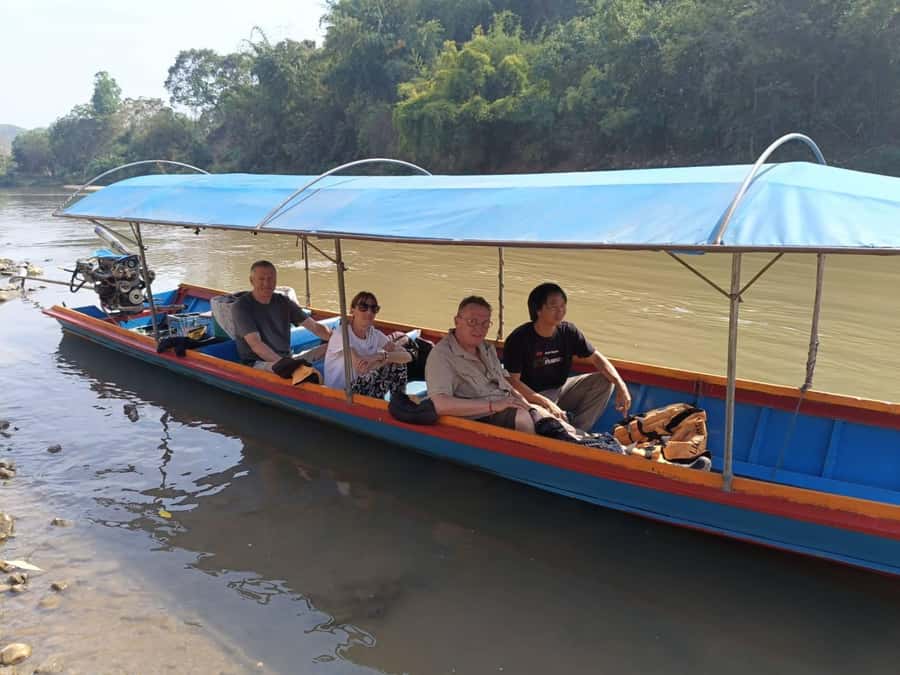
- Mae Kok River long-tail boat ride that sets a calm pace right away
- Buddha cave sightseeing from the river route
- Tree planting with your own chosen spot for a memorial
- Lahu and Akha hilltribe village visits with ongoing guide explanations
- Huay Kaew waterfall time where swimming is possible
- Mineral hot bath at the hot spring to end the day right
River-to-trek flow: long-tail boat on Mae Kok
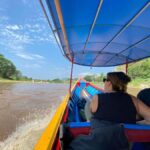
The day starts with hotel pickup in Chiang Rai, then a short ride to the pier. From there, you hop onto a classic Thai long-tail boat and cruise up the Mae Kok River for about 45 minutes.
This is more than a transfer. The river ride gives your legs a break before the walking starts, and it offers the kind of views you can’t get from a road. You’ll also travel toward the Buddha cave area by water, which keeps things interesting while you settle in.
Practical tip: bring your camera early. Lighting on the river can be excellent, and you’ll want a few shots before the day turns into hats, sun, and hydration.
You can also read our reviews of more tours and experiences in Chiang Rai.
Buddha cave and river views without the rush
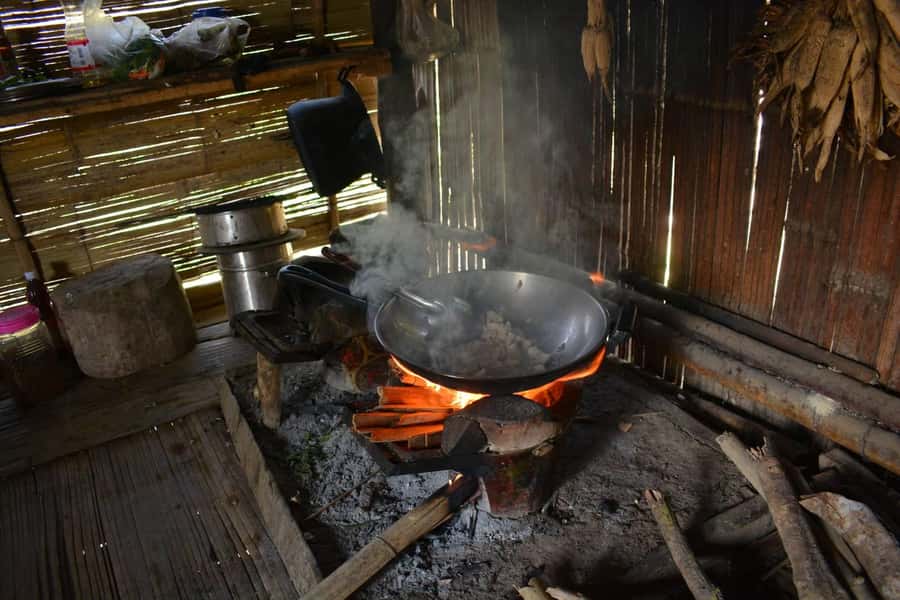
Once you’re out on the water, the schedule stays smooth. You’re moving along a scenic stretch of the Mae Kok River while the boat route brings you to the Buddha cave viewpoint.
What I like here is the pacing. You’re not yet sweating. You’re still in that calm, scenic mode, which makes the rest of the day feel less like forced marching.
If you’re the kind of traveler who likes to understand why locals care about certain places, this is where the guide’s commentary becomes useful. You’ll be hearing about local nature and culture as the day unfolds, which adds meaning to the scenery.
The first trek stretch: where the sun tests you
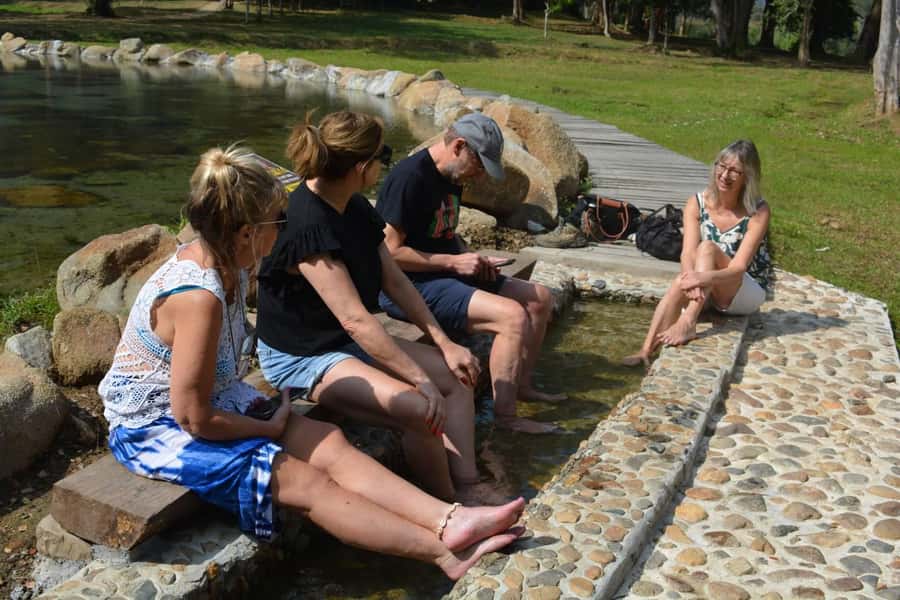
After the boat, you shift into walking time. Your day includes two hiking stretches, totaling around 3 hours on foot overall. In other words: it’s active, but not a multi-hour slog nonstop.
One note that matters: the trek can feel harder at the start. In a reported experience, the first 20 to 30 minutes were steep and hot along the sun’s line, before the route became easier to manage.
So here’s the smart approach: go slow at the beginning. Short steps. Drink early. Don’t save your energy for later like you’re in a movie montage. You’ll enjoy the trail more once the climb eases.
Also, trekking shoes are on you. They’re not included. Bring shoes you’ve actually worn, not brand-new ones that will betray your feet.
Local lunch that feels part of the day
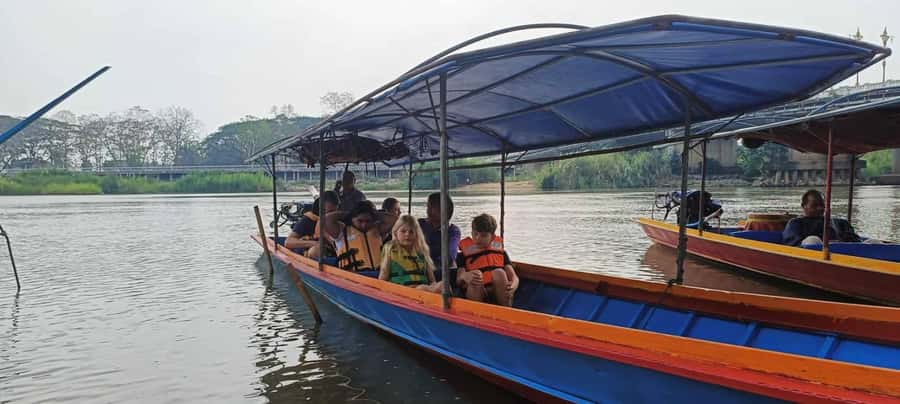
Lunch comes after the first main walking segment, with about an hour set aside. You’ll eat at a local restaurant, and the day is clearly built around getting you fed properly—Thailand runs on food, and the schedule reflects that.
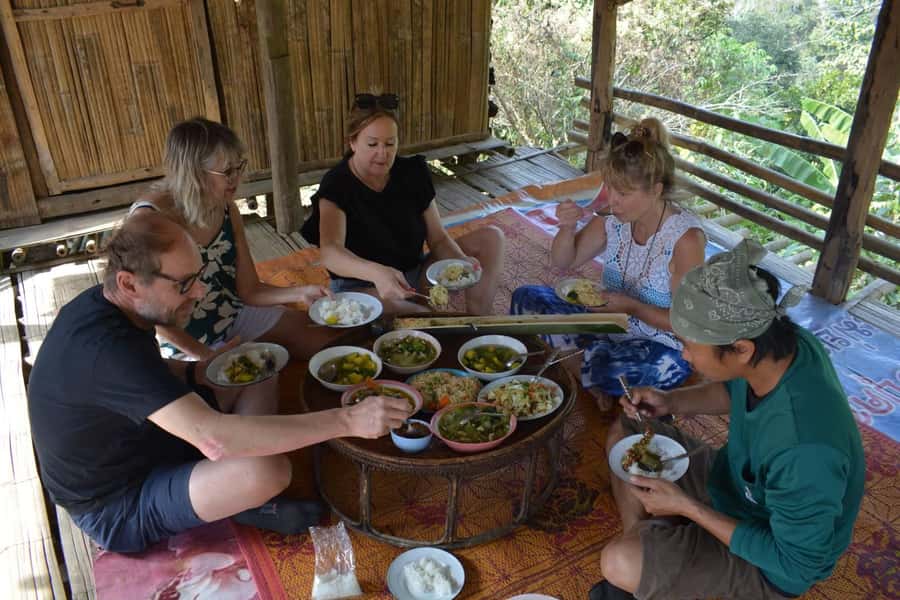
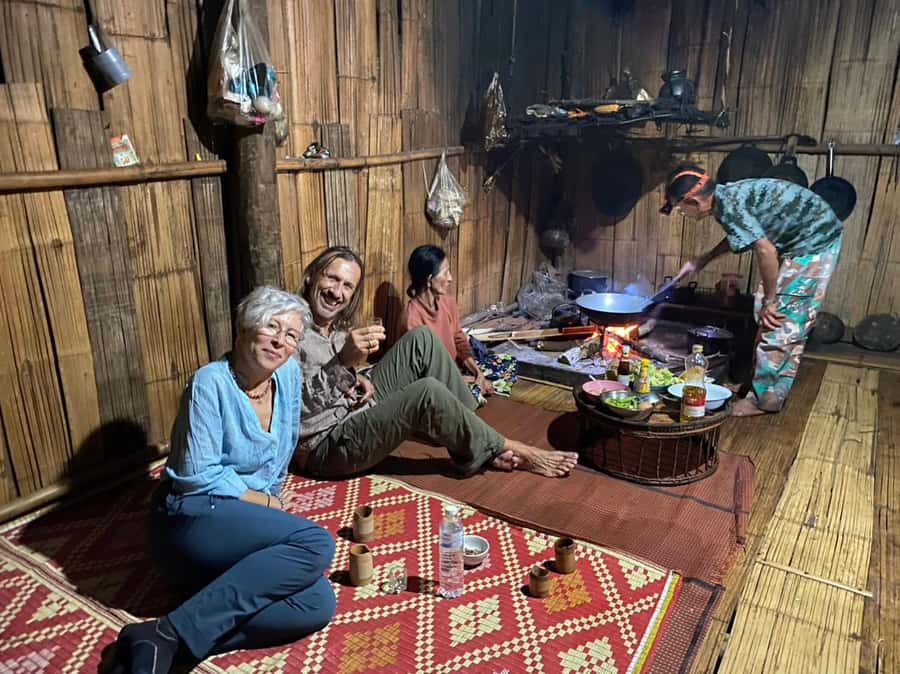
What makes this lunch stand out is how it ties into the day’s theme: eat and drink like a local. One memorable highlight from a past participant was a shared cooking moment in a simple bamboo hut—exactly the kind of low-key, communal experience that makes a trip stick in your memory.
Even if your day’s exact format varies, expect food that feels grounded rather than tourist-polished.
Practical tip: if you’re sensitive to heat, use lunch to cool down. This is a good time to reassess your pacing for the afternoon hike.
Bamboo forest + farmland planting: the meaningful part
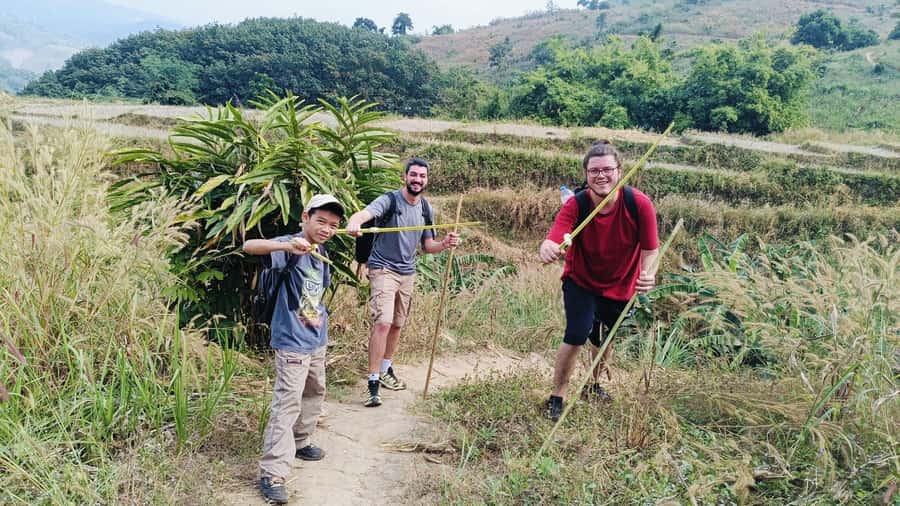
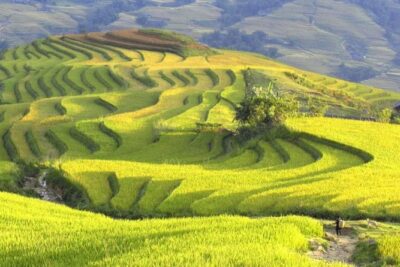
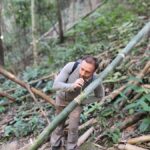
After lunch, the trek moves into a bamboo forest stretch and then through farmland. You’ll also bring a young tree plant with you and then plant it at a trekking area.
This is the part I’d call the heart of the experience. You’re not just walking through nature; you’re doing one small act that leaves a trace. And because you can choose where to plant—picking your own spot—the moment feels personal, not scripted.
If you care about responsible travel, this is a way to convert sightseeing energy into something constructive. Just keep expectations practical: this isn’t a grand ceremony with a dozen speeches. It’s a work-focused, human moment, done with locals and your guide.
Practical tip: keep that plant carefully before you reach your chosen spot. The day has uneven terrain, and you’ll want to avoid getting it mangled on the way.
Lahu and Akha hilltribe villages: culture you can ask about
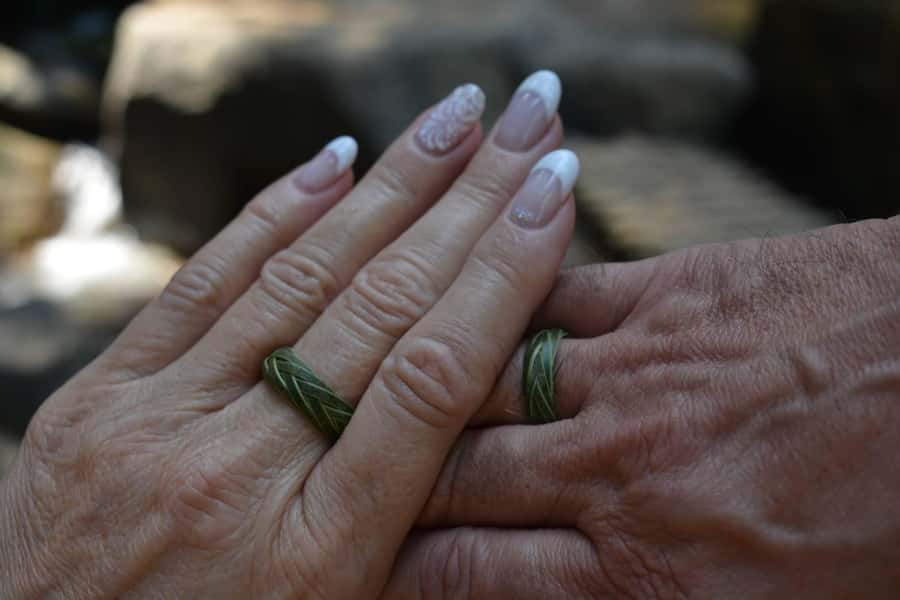
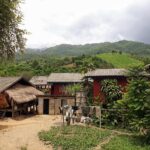
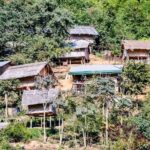
Once the planting segment ends, you continue walking toward the Lahu and Akha hilltribe villages. This is where the trip stops being only scenic and becomes cultural—time with real communities.
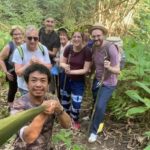
You’ll have a licensed tour guide (English and Thai are offered), and the key value here is that the guide keeps explaining what you’re seeing. In one of the experiences shared, the guide talked continuously about local nature and culture, which turned the walk into something more like guided learning than just passing through.
What to expect: friendly people, everyday life, and the kind of local interaction that’s best when you stay curious and respectful. Bring a calm attitude. Ask questions about daily routines if your guide prompts them. Listen more than you talk. You’ll get more out of the experience that way.
Huay Kaew waterfall: swim time if you want it

Next up is Huay Kaew waterfall, described as the second-largest waterfall in Chiang Rai. You’ll get time to enjoy it, and swimming is possible.
This is the fun payoff after trekking. Waterfalls can be great for resetting your body after walking, and the cool water can feel like someone turned down the heat on your whole day.
Just don’t forget the logistics: swimwear is not included. If you want to swim, pack a suit. Also, towels aren’t listed as included, so plan accordingly with whatever you normally carry for day trips.
Chinese village + tea plantation: the “why here?” stop
After the waterfall, the route continues to a Chinese village and then on to a tea plantation.
This part adds variety. You get a sense of how different cultural influences show up across the region, and then you see a working landscape tied to agriculture. Even without a deep farming lesson, the tea plantation stop gives you context for what people do beyond the villages you visited earlier.
Practical tip: if you love tea, ask your guide what to look for during plantation time. The more you ask, the more this stop becomes than a quick look-and-go.
Hot spring mineral bath: end the day like a reset button
The final phase is the hot spring. You’ll take a mineral hot bath before returning to your hotel by car.
This is a smart design choice. After hills, sun, and a full day that includes two hiking stretches, a hot mineral soak helps your muscles feel less angry. It also gives you a calm, sensory landing at the end—no late-day scrambling.
One more practical detail: the day includes hot-bath access, so you don’t need to hunt down another ticket or activity. Just bring what you need for your comfort and follow the local rules at the bathing area.
Price and value: why $94 can make sense
At $94 per person for a full day, you’re paying for more than one sight. Your day includes transportation, a TAT-licensed tour guide, lunch and drinking water, a boat trip, tree planting supplies, and the hot spring bath.
If you were building this on your own, the cost would usually add up fast: licensed guiding, getting a long-tail boat arranged, transport across rural points, and the hot spring access. Even if you don’t pay more than the stated price for each individual item, the real value is the time saved and the smoother flow.
You also get a built-in cultural arc: river views → walking trail → village visits → waterfall break → tea/agriculture stop → hot spring recovery. That kind of structure is hard to copy without extra effort.
This is also a tour style that rewards the right mindset. If you want lots of sitting and zero sweat, you might not love it. If you like active days with local rhythm, you’ll likely feel it was worth every baht of the price.
What to bring (so the day feels easy)
You’ll want to pack for heat, shoes, and water time:
- Camera (you’ll want river and waterfall photos)
- Hiking shoes (not included)
- Cash (for personal spending)
- If you plan to swim at Huay Kaew waterfall, bring a swim suit (not included)
- Mosquito repellent is not included, so bring it if you’re sensitive to bites
Also, wear clothes that can handle a warm day and dusty paths. You’re walking in bamboo and farmland areas, so light layers beat heavy cotton that traps sweat.
Who this trek and boat day suits best
This is a good fit if you want an active but not extreme day: around 3 hours walking, plus river time and cultural stops. I’d especially recommend it for people who enjoy:
- Rural Thailand beyond temples and city blocks
- Learning from a guide during both walks and village visits
- Community-style experiences, like the tree planting moment
- A rewarding ending, thanks to the hot spring bath
It’s not a fit for everyone. It’s specifically marked not suitable for people with diabetes, babies under 1 year, and people over 95 years.
Should you book Chai Machete Tours?
I think you should book this if you want a full, local-feeling day in Chiang Rai that moves between water, trail, villages, and a real recovery moment at the hot spring. The standout strengths are the human, informative guiding (including a guide named June in one reported experience), the smooth organization, the memorable food, and the hands-on tree planting.
If you hate heat or can’t do steep starts, you might want to reconsider—or at least go in with a slow pacing plan for the first stretch and proper shoes.
FAQ
How long is the tour?
It’s a 1-day experience.
What’s included in the price?
The tour includes transportation, a licensed TAT guide, lunch and drinking water, the boat trip, tree planting materials, and a hot bath at the hot spring.
Do I need hiking shoes?
Yes. Hiking shoes are not included, so you’ll need to bring your own.
Is there a boat ride?
Yes. You’ll take a long-tail boat for about 45 minutes on the Mae Kok River.
Can I swim during the day?
Yes. You’ll have time at Huay Kaew waterfall where swimming is possible, but a swim suit is not included.
What languages are available for the guide?
The tour guide speaks Thai and English.
Who should avoid this tour?
It’s not suitable for people with diabetes, babies under 1 year, and people over 95 years.