REVIEW · CHIANG RAI
Chiang Rai: 2-Day Jungle Trek only walk with Waterfall
Book on GetYourGuide →Operated by R U tour and trek · Bookable on GetYourGuide
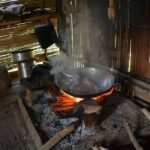
Bamboo tools in the jungle. Then you soak.
This Chiang Rai jungle trek mixes real survival know-how (yes, bamboo cups and chopsticks) with village life and nature time, ending in a hot spring soak. You’ll hike through forest and tea country, stop at hill-tribe communities, swim in a waterfall, then sleep in an Akha village homestay before heading back through the mountains.
I like two things a lot here: the hands-on jungle skills and the people-focused route. You learn to make what you need with a traditional long-bladed jungle knife (machete) and you cook lunch using bamboo, with plenty of time to watch and ask questions. The cultural part is practical, not performative—visits include Lesu, Chinese, Akha, and Lahu villages, plus an overnight with a local family.
One consideration: this is not a lazy walk. Expect around 10 km of walking each day and some real climbing, so if you’re not feeling athletic, you’ll want to think carefully before booking. Also, waterfall swimming can depend on conditions and how the day’s route lands.
In This Review
- Key things I’d plan around
- Jungle survival skills that you can actually use
- Day 1: hot spring start, tea country waterfall break, and Akha overnight
- Village visits: Lesu, Chinese, Akha, Lahu and how to get the most out of them
- Day 2: bamboo cups and chopsticks, then Pasoet hot spring reward
- Waterfall swimming and hot spring costs: how to plan your day
- Price and value: is $122 fair for 2 days like this?
- Fitness, weather, and packing for real jungle walking
- Who should book this Chiang Rai jungle trek
- Should you book?
- FAQ
- How long is the Chiang Rai jungle trek?
- How much walking is involved each day?
- Is there an English-speaking guide?
- What meals are included?
- Are there swims included?
- What is the meeting and pickup setup?
- What should I bring?
- Is this a small group tour?
Key things I’d plan around
- Hands-on bamboo cooking (cups and chopsticks) that feels useful, not just scenic
- Forest survival practice with a traditional machete style knife and natural materials
- Village time that’s lived-in, including an Akha homestay night
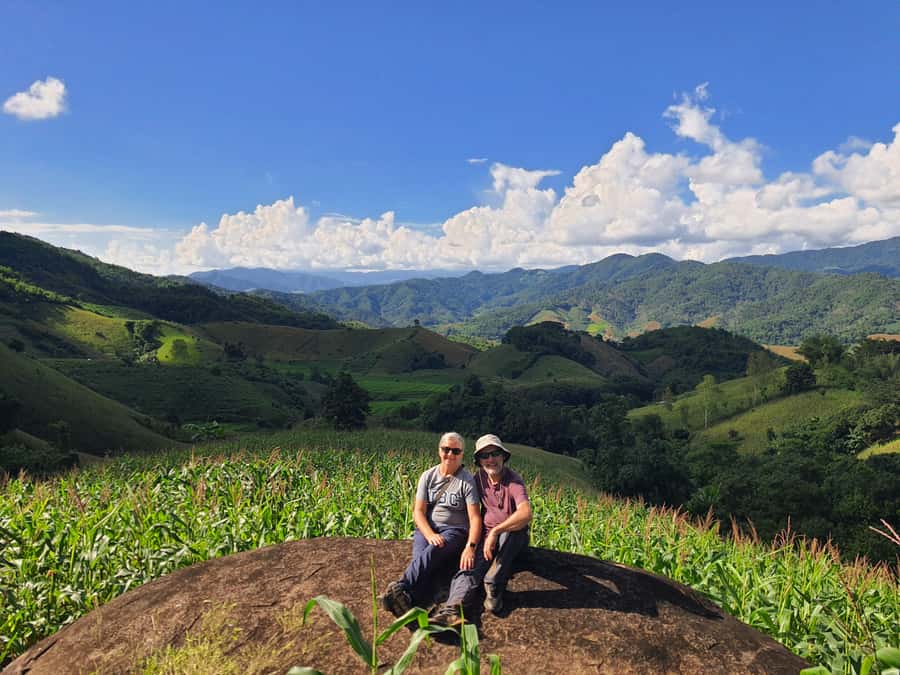
- Waterfall + hot spring payoff in the middle of the mountains
- Small group format capped at 10, which helps you keep questions personal
- Walking every day (about 10 km) through uneven jungle terrain
Jungle survival skills that you can actually use
The best part of this trek is that it teaches you survival thinking in a very Thai way: look at what’s already around you, then learn how to turn it into something practical. Before you go full jungle-mode, you get context on local flora and fauna—simple facts that help you understand what you’re seeing instead of just pushing through green.
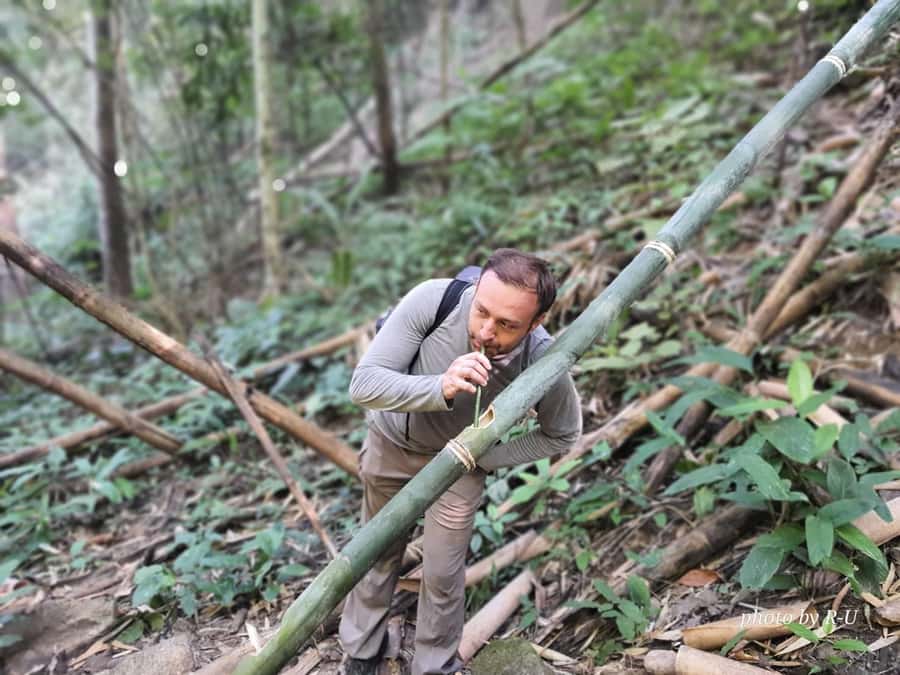
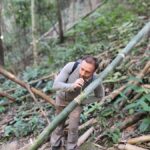
You’ll carry a traditional long-bladed jungle knife (machete) during the learning portion. The key is that you’re not just holding it for photos. You’re shown how to use natural resources carefully and efficiently, then you try bamboo carving and bamboo-made tools yourself. The vibe is hands-on and direct: cut, shape, use, eat.
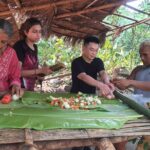
Food is part of the lesson too. Cooking lunch in bamboo (and using bamboo cups and chopsticks) makes the skills feel real. You’re not waiting for a restaurant meal; you’re watching how people adapt to limited tools and still get something satisfying. If you like learning-by-doing, this is the trek that delivers.
You can also read our reviews of more tours and experiences in Chiang Rai.
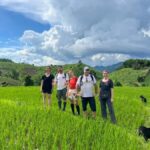
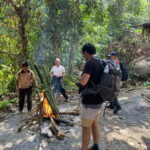
Day 1: hot spring start, tea country waterfall break, and Akha overnight
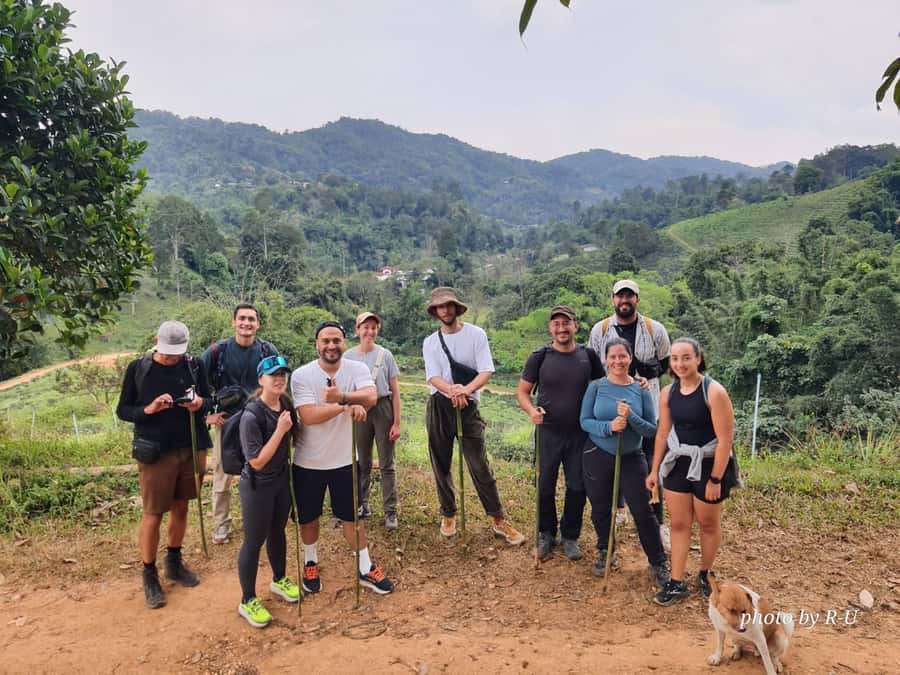
Day 1 starts with hotel pickup and a drive to a hot spring area. Getting warm early matters because you’ll head into cooler mountain air once you start trekking. After that, you move into the jungle with a guide who points out plants and explains what’s safe, what’s useful, and what to ignore. It’s the kind of information you’ll actually remember because it connects to what you’re walking past.
Lunch lands in a hill-tribe village setting—Lesu is one of the stops. That meal is more than “food provided.” It’s a chance to slow down, ask questions, and see village routines up close. After lunch, you head toward the Chinese village area, where tea plantations and a waterfall give you that classic Chiang Rai mountain scenery.
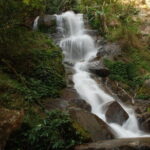
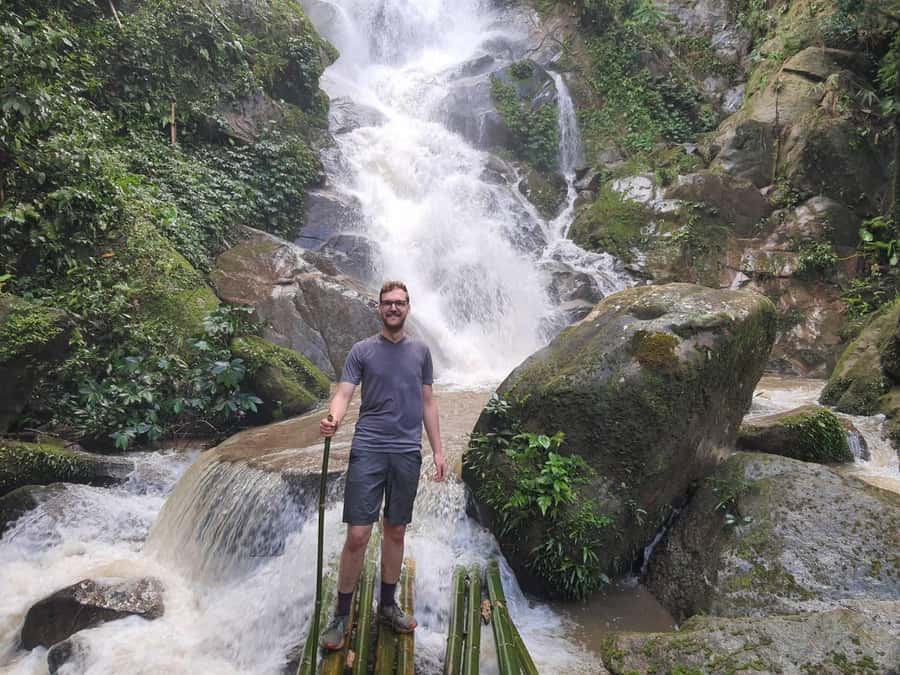
Then comes the waterfall swim break. Having a swim here is a big mental reset: your legs are tired, your back feels the slope, and suddenly the air is cool and the water is refreshing. One note to keep in mind: if the waterfall is more challenging to access on the day or conditions aren’t right, swimming may not be as easy as you picture. This is jungle trekking, not a theme park.
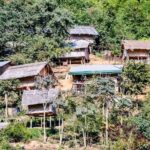
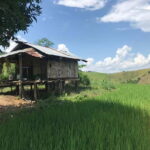
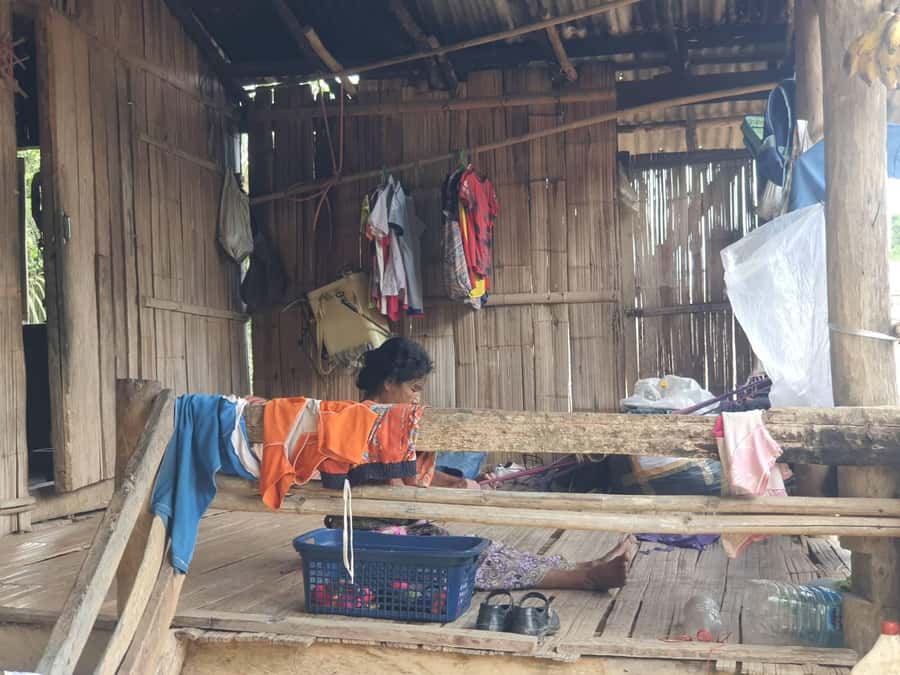
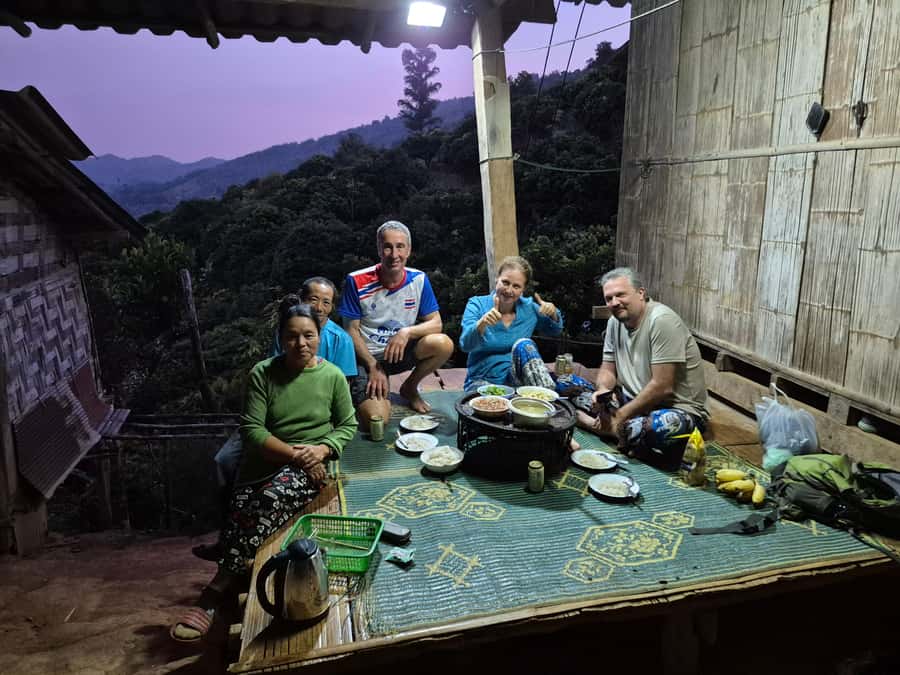
From there, you trek to the Akha village for your overnight stay. This is where the experience turns personal. You’ll sleep in the village accommodation (often simple bamboo-style sleeping setups). One detail I’d take seriously: you may find the mattress is thin because this is how locals live, not hotel comfort. It’s part of the authenticity, but pack your attitude accordingly.
Village visits: Lesu, Chinese, Akha, Lahu and how to get the most out of them
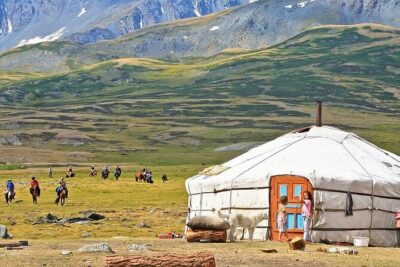
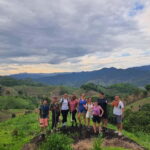
The route visits Lesu, Chinese, Akha, and Lahu communities. What makes these stops worthwhile is that you’re not just observing from a distance. You’re encouraged to learn through conversation and daily-life moments—how people use what’s around them, and how traditions shape the way they live in the mountains.
In particular, I love the way the guide handles village time. You get practical cultural guidance: how to behave, how to respect local customs, and what not to do. That matters because jungle treks can turn into a grab-and-go photo sprint if you’re not careful. Here, the pace is slower and the guide helps you stay respectful without making it stiff.
Another reason these visits feel real: the guides often know the jungle plants and also know the people. One guide name that comes up strongly is Mo—people describe him as relaxed, funny, and skilled at jungle cooking and bamboo carving. Another name you may get is RU, with groups calling out his ability to explain both nature and jungle survival in a way that sticks. Either way, you’re not stuck with generic facts.
Also, don’t assume every moment will be staged. There can be shared family time, meals you eat together, and evening moments that feel like community life. On some trips, you might even see a bit of music and dance around dinner, depending on what’s happening in the village that night. It’s one reason I think the overnight matters more than a “day trip through villages” style tour.
Day 2: bamboo cups and chopsticks, then Pasoet hot spring reward
Day 2 begins with more trekking through the mountains. You leave the village setting and head back into the forest, and the pace is usually more “work” than “walk in a park.” If you did Day 1 well, Day 2 feels like the second chapter—less about first impressions, more about putting the skills into action.
This is also when you cut bamboo cups and chopsticks again and cook lunch using bamboo. The skill repeats for a reason. Doing it twice (or reinforcing it) helps you understand the why, not just the how. When you’ve seen your guide shape the bamboo and then do it again yourself, you start to feel how survival knowledge is built: practice, small adjustments, and staying calm.
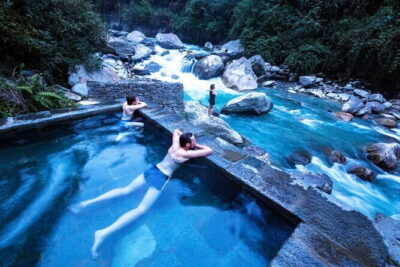
After lunch, you continue trekking toward the Lahu village in the high mountains. This leg tends to feel more remote—fewer “easy breaks,” more steady effort. Then the big finish comes: Pasoet Hot Spring. You get the chance to swim in the hot spa pool in the middle of the mountain setting.
One important cost detail: the hot spring swimming pool ticket is not included and is listed as 100 Baht. Budget that into your total, especially if you don’t carry small cash. You’ll be glad you did, because the soak is the reward that makes the climb feel worth it.
Finally, you drive back to Chiang Rai. The ride is part of the recovery. After two days in jungle humidity and uneven paths, you’ll likely appreciate the simple fact that you don’t have to navigate anything.
Waterfall swimming and hot spring costs: how to plan your day
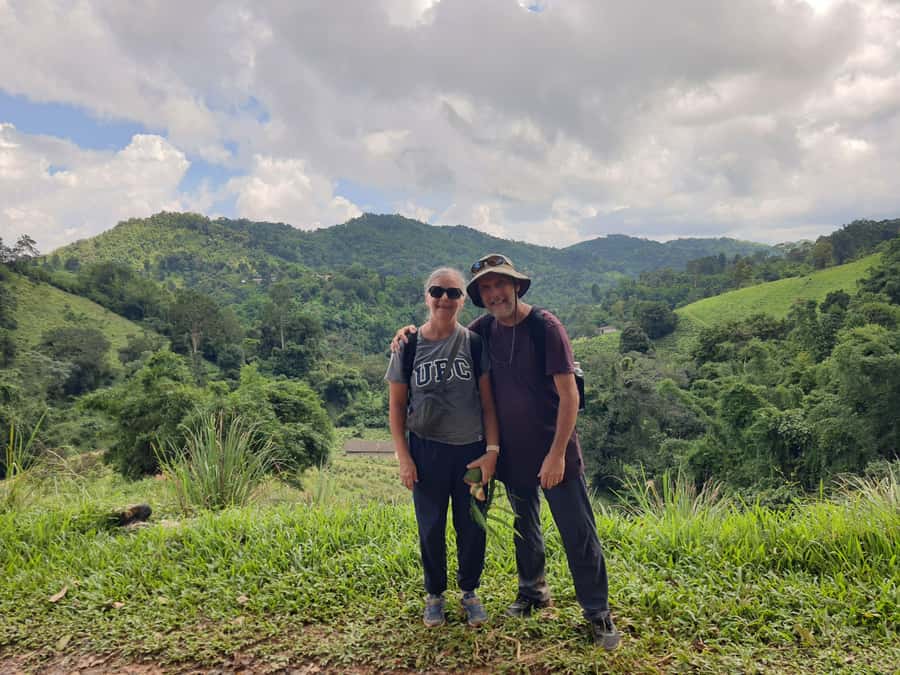
This trek includes both a waterfall swim and a hot spring swim. The waterfall is usually a short but memorable stop—a chance to cool down and reset before continuing. The hot spring is more of a full reward moment, with time to relax in a pool-style setting.
Plan for modest extra spending: the hot spring pool ticket (100 Baht) is not included. That’s not a deal-breaker, but it’s one of those “small fee that matters” items because it’s easy to forget. Bring some cash in small bills so you’re not scrambling at the last minute.
Also, keep expectations flexible for the waterfall. The route description suggests swimming, but the jungle doesn’t run on your calendar. Water levels, access points, and safety checks can affect how long you can swim or whether you can get in comfortably. This is a trek with nature factors, not a guaranteed pool day.
Price and value: is $122 fair for 2 days like this?
At $122 per person for a 2-day jungle trek, the value depends on what you want from Chiang Rai.
Here’s what’s included in a way that matters:
- Hotel pickup and drop-off (downtown area within 3 km)
- A live English guide
- 4 meals total, including lunch on Day 1, dinner Day 1, breakfast Day 2, and lunch Day 2
- Overnight accommodation in the Akha village
- Drinking water and insurance
When you compare that to paying separately for a guide, meals, and transport, the price starts to look more reasonable. The overnight in a village, plus the hands-on bamboo cooking instruction, is also hard to replicate cheaply on your own. The small-group cap of 10 can add value too, because you get more direct help during the knife and bamboo practice.
What’s not included is also clear: soft drinks and alcohol, personal expenses, and the 100 Baht hot spring pool ticket. If you skip optional drinks and plan for that one small entry fee, $122 feels like a solid deal for a full two-day experience that goes beyond a half-day hike.
Fitness, weather, and packing for real jungle walking
This trek lists moderate physical activity, with about 10 km walking per day and varying weather. That’s a helpful warning because jungle terrain can be uneven and slippery. Think “steady hiking with climbs,” not flat trail strolling.
What to pack from the basics (and what I’d prioritize):
- Comfortable trekking shoes with grip
- Hat and sunscreen (sun can hit hard even in jungle shade)
- Insect repellent (you’ll be outside and moving through vegetation)
- Swimwear, plus a change of clothes and towel for the waterfall and hot spring
- Water bottle (and plan to drink often)
- Snacks if you like having a little extra energy between meals
- Camera, because tea plantations, bamboo areas, and village scenery are photo-worthy
Don’t bring the stuff that gets you into trouble. The rules say no smoking, no littering, no making fire, and don’t touch plants. Those rules aren’t there to ruin your fun—they’re there for safety and respect.
If you’re thinking about age or health limits: the tour isn’t suitable for pregnant women, people with back or heart problems, wheelchair users, babies under 1, or anyone over 70. If any of those apply, skip this one and look for a gentler Chiang Rai nature option.
Who should book this Chiang Rai jungle trek
Book this trek if you want:
- A hands-on experience (bamboo tools and cooking) instead of only sightseeing
- Real village contact with Lesu, Chinese, Akha, and Lahu communities
- A two-day format with an overnight in an Akha village, not just day stops
- Water moments: a waterfall swim and a hot spring soak
- A small group setting with a guide who can answer questions in English
I’d skip it if you want:
- Minimal hiking or mostly flat walking
- Hotel-level bedding and fully predictable comfort
- Zero chance your waterfall swim is limited by conditions
Also, if you’re the kind of person who likes asking why plants matter or how local cooking uses simple tools, you’ll have a much better time. The guide role is big here.
Should you book?
Yes, if you’re okay with a workout and you want Chiang Rai that feels hands-on and local. The combo of jungle survival practice, bamboo cooking, village visits (including an Akha homestay), and two separate water rewards (waterfall and hot spring) gives you a full two-day story in a small-group setting.
But book with eyes open. Bring proper footwear, accept that sleep is simple in a village setup, and plan for daily walking that’s closer to hiking than wandering. If that sounds like your idea of a great trip, this is a strong choice.
FAQ
How long is the Chiang Rai jungle trek?
It runs for 2 days.
How much walking is involved each day?
You’ll walk about 10 kilometers per day on average.
Is there an English-speaking guide?
Yes. A live guide speaks English.
What meals are included?
The tour includes 4 meals: lunch on Day 1, dinner on Day 1, breakfast on Day 2, and lunch on Day 2.
Are there swims included?
Yes. You swim in a waterfall and you also have access to a hot spring pool at Pasoet Hot Spring, with a 100 Baht ticket not included.
What is the meeting and pickup setup?
Pickup is available from downtown Chiang Rai within 3 km. You wait in the lobby between 9:00 and 9:30 a.m., and you’re dropped back at the same meeting point.
What should I bring?
Comfortable shoes, a hat, swimwear, a change of clothes, a towel, sunscreen, insect repellent, camera, snacks (optional), and water.
Is this a small group tour?
Yes, it’s limited to 10 participants.