REVIEW · CHIANG RAI
Chiangrai: Group Trekking with Bamboo Cooking
Book on GetYourGuide →Operated by SoGood Travel · Bookable on GetYourGuide
Bamboo cooking in the jungle tastes better. This one-day Chiang Rai trek pairs village culture with bamboo cooking, and you spend the day walking forest trails between communities, tea fields, and waterfalls. The only real catch: it’s a 10–12 km day hike with some slick, physical sections, so wear solid shoes and plan for a workout.
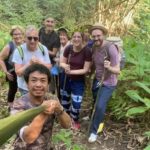
I like the fact that this is a small group (limited to 10) with an English-speaking local guide, and the day ends with a natural hot spring stop that feels like a reset after the trail. If you’re expecting an easy stroll or lots of guaranteed swimming time, keep your expectations flexible and pack for the outdoors anyway.
In This Review
- Key things I’d plan around
- Chiang Rai jungle day trips: what this one-day trek really delivers
- Village life on the trail: Lisu village, a Chinese village, then Akkha and Lahu
- The tea plantation walk: a breather that actually changes the day
- Bamboo cooking class: from jungle bamboo to a shared Thai lunch
- Waterfall time: what “second-largest waterfall” means for your day
- Natural hot springs: the best part to soothe tired legs
- Pace and terrain: why this trek can feel more than you expect
- Price and value: why $59 can be a good deal here
- What to pack for a jungle day in Chiang Rai
- Group size, guide skill, and the small moments you’ll notice
- Should you book this Chiang Rai bamboo cooking trek?
- FAQ
- How long is the Chiang Rai group trekking with bamboo cooking?
- How much walking is involved?
- How many people are in the group?
- What languages are the guides?
- What does the bamboo cooking experience include?
- What activities are included besides bamboo cooking?
- What is included in the price?
- What is not included?
- What should I bring?
- Is the tour suitable for everyone?
Key things I’d plan around

- Bamboo lunch you cook yourself: bamboo sourced from the jungle, plus tools and a shared meal in a natural setting
- Multiple hill-tribe stops: Lisu, Chinese village, then Akkha and Lahu areas for cultural context
- Tea plantation walking: an aromatherapy-style break that slows the pace for a bit
- Waterfall time that may be condition-dependent: you can relax and swim, but timing varies with the day’s flow
- Hot springs ticket included: soaking is built into the route, not an optional extra
- 5–6 hours walking: the day has structure, but it still demands endurance
Chiang Rai jungle day trips: what this one-day trek really delivers

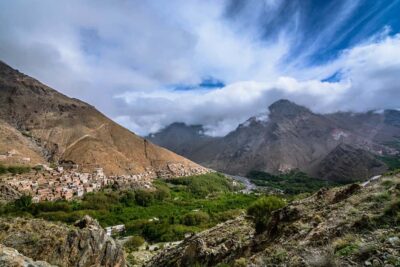
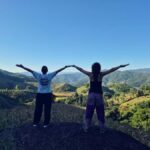
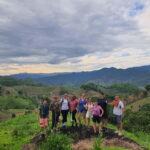
This isn’t the kind of tour where you hop out for a photo and hop back into a car. It’s built around a long walk through forest edges, tea-growing areas, and between communities, with a guide who focuses on the trail. That means you get a real sense of moving through the region the way locals do, not just seeing it from the roadside.
The headline for most people is the food, because the tour includes a bamboo cooking experience where you learn the method and then eat what you made. But the day also gives you a culture-and-nature combo that feels practical: villages for human stories, tea plantations for sensory variety, then waterfalls and hot springs for the reward.
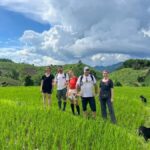
The group stays small, so you can ask questions in English (and Spanish is available too). And yes, you do walk enough that you’ll earn any rest stops.
You can also read our reviews of more tours and experiences in Chiang Rai.
Village life on the trail: Lisu village, a Chinese village, then Akkha and Lahu
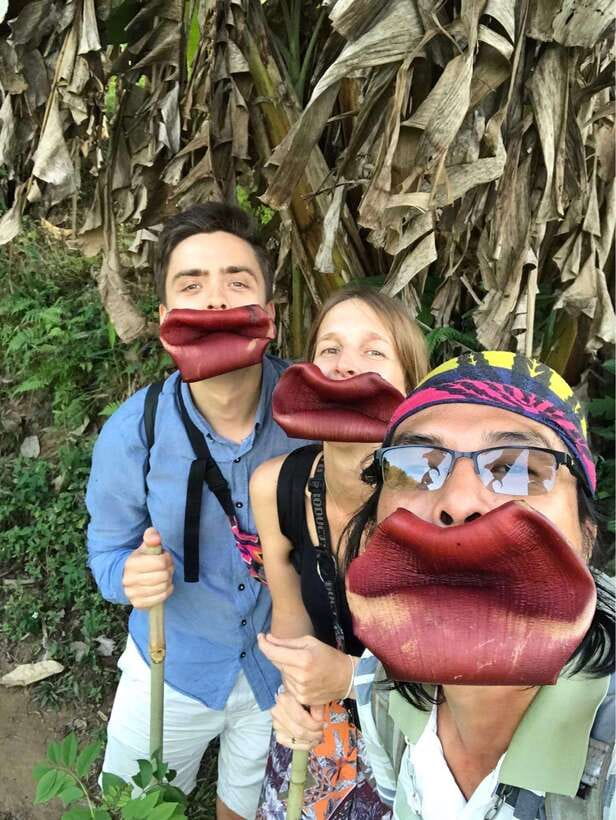
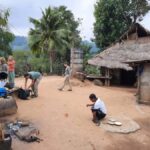
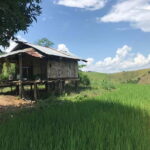
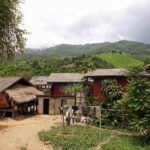
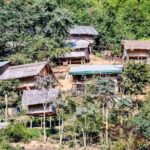
The day begins by entering community life in stages rather than doing one quick cultural stop. First is the Lisu village, where you get to see daily life and learn about traditions. Then you visit a Chinese village, adding another layer to Chiang Rai’s mix of cultures and local identities.
Later, after more walking, you visit the Akkha and Lahu villages. This part matters because it shifts the focus from scenery to people and practices. You’re not just collecting sights. You’re being guided through what matters in daily routines and customs.
One practical thing to remember: when a tour includes several village stops, the “cultural” side is partly learning, partly respectful observation, and partly conversation. If you want to get more out of it, think of questions before you go. Simple ones work best: how people spend their day, what the plants or animals mean locally, and what a visit like this means to the community.
The tea plantation walk: a breather that actually changes the day

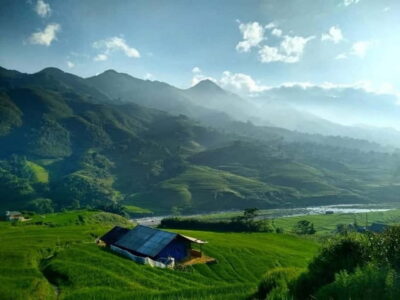
Between the villages and the heavier outdoor moments, you walk through tea plantations. This section is special not because it’s a shortcut, but because it changes the air. You get that fresh-tea-leaf smell and a slightly slower feel, which helps your legs recover before the next stretch.
It’s also a good place to notice how tea shapes land use. Even if you only have a short time, it’s easier to connect what you see (rows of plants, cultivation patterns, picking areas) to why people talk about tea as a local livelihood.
Don’t treat it like a photo-only stop. If you can, move at the pace of the group, look around at the slopes and spacing, and ask your guide what locals pay attention to during the tea season.
Bamboo cooking class: from jungle bamboo to a shared Thai lunch

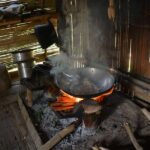
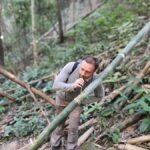
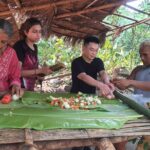
This is the main event. The tour uses bamboo sourced from the jungle, and you learn how to cook using bamboo in a hands-on way. You also eat together, with lunch described as a delicious bamboo meal using traditional Thai dishes.
What makes this feel more than a gimmick is the “learn the method” part. You’re not just handed food that happens to be served in bamboo. You’re part of the process, and you get to understand why bamboo cooking is common in outdoor food traditions: it turns simple ingredients into something fragrant and comforting, with a fun cooking style that fits the setting.
You’ll also have handmade tools involved in the lunch setup. That detail matters because it connects you to the craft of the meal, not just the ingredients.
A couple of practical notes so your lunch goes smoothly:
- Tell the operator about dietary restrictions ahead of time.
- Mention any special needs early so bamboo-cooking lunch time can be planned for you.
Waterfall time: what “second-largest waterfall” means for your day

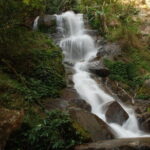
After lunch, the trek continues to a waterfall stop, described as the second largest waterfall. This is the part where you get to relax and, if conditions allow, swim.
Real talk: this is the section where your day can feel the most “physical” because the path to water features often involves uneven footing, and the water area can be slippery. If you pack a swimsuit and towel, you’re ready. If you don’t swim, you’re still in the right place to cool off and reset.
Also keep the time rhythm in mind. Some routes build in a longer break for photos and swimming, while others keep the day moving. If you care a lot about water play, treat swimming as a likely bonus, not a guaranteed long swim session.
Natural hot springs: the best part to soothe tired legs
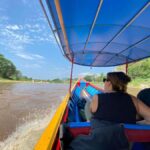
At the end of the hiking day, the tour includes a stop at a natural hot spring, with a hot spring ticket included. This is one of the best “payoff” moments because you’ve walked 10–12 km, and your body wants warm recovery.
Even if you’re not a big soak person, it’s a relaxing way to end a day that otherwise swings from trails to villages to water. The hot spring stop is surrounded by jungle sounds, which makes it feel like you’ve left the busy world behind for a bit.
If you’re someone who gets cold easily after being in the shade or near water, this is the moment that often saves the day.
Pace and terrain: why this trek can feel more than you expect

This tour is rated suitable for people who like to explore the area’s natural beauty, but it’s still a serious walking day. The route is about 10–12 km total, with 5–6 hours walking time.
So what does that mean in real life?
- You’ll need comfortable shoes or hiking shoes with grip.
- Expect sections that are uneven, and potentially slippery.
- You’re moving for most of the day, not just between “attraction stops.”
One helpful way to think about it: the trek is more like a nature hike with cultural stops layered in, rather than a sightseeing walk with occasional paths.
If you’re new to hiking, you might still manage it, but you should go in with the right gear and a patient mindset. If you have physical limitations, this is where you need to be cautious.
Also note: the tour isn’t suitable for pregnant women. That’s an important callout for safety and comfort.
Price and value: why $59 can be a good deal here

At $59 per person for a one-day program, the value comes from the mix of included items. You get:
- Hotel pickup and drop-off from Chiang Rai city
- An expert local English-speaking guide
- Bamboo cooking class and lunch (you do and eat together)
- Hot spring ticket
- Travel insurance
- Drinking water
Compared to paying separately for a guide, a food experience, and entry into a hot spring, the price can make sense fast. The biggest “value lever” is that it’s not just a drive-by tour. You’re getting a guided day with real activities, plus food included.
One small consideration: transportation to the starting point is listed as not included, while pickup is included from hotels in Chiang Rai city. If your hotel is outside the pickup range, you may need extra transport. That’s worth confirming before you book.
What to pack for a jungle day in Chiang Rai
This day can include walking through humid areas, insects, and water stops, so pack like you’re going outside all day (because you are).
Bring:
- Comfortable shoes (or hiking shoes if you have them)
- Swimwear and a towel
- Sunscreen
- Insect repellent
- Hiking shoes (strong traction matters)
If you’re the type who sweats easily, light breathable layers will make the walk more enjoyable. And keep your water habits simple: rely on the drinking water included, and consider bringing your own extras only if you know you need it.
Group size, guide skill, and the small moments you’ll notice
With the group capped at 10, you’re less likely to get lost in a crowd. That usually means you can actually talk to the guide, and you can move at a pace that fits your comfort level.
The guide is described as an expert on nature trails, and that’s a big deal on this route. When a trek includes multiple terrain types and village paths, the guide’s navigation and pacing can prevent the day from feeling stressful.
In English and Spanish availability matters too, especially for anyone who wants to ask more than basic questions. If you’re language-flexible, you’ll get more out of the cultural stops and the bamboo cooking instructions.
Should you book this Chiang Rai bamboo cooking trek?
Book it if you want a real walking day with cultural visits, and you like the idea of learning and eating your way through the region. I think it’s a strong pick when you enjoy hands-on experiences, don’t mind physical hiking time, and want Chiang Rai beyond the obvious highlights.
Skip it (or choose a different style) if you want an easy stroll, you’re sensitive to rough footing, or you have physical constraints. Also, if you’re traveling with kids, this setup can be a tough match because it’s a long day hike.
If you go, do it with the right mindset: pack for mud and mosquitoes, wear grippy shoes, and treat the swimming and soaking as bonuses within a bigger trek day. That’s how you get the best version of this experience.
FAQ
How long is the Chiang Rai group trekking with bamboo cooking?
It runs for 1 day.
How much walking is involved?
The total walking distance is approximately 10–12 kilometers, with about 5–6 hours of walking time.
How many people are in the group?
It is a small group limited to 10 participants.
What languages are the guides?
The live tour guide is available in English and Spanish.
What does the bamboo cooking experience include?
You’ll take part in a bamboo cooking class, learn the method, and cook and eat together. Bamboo is sourced from the jungle, and you’ll have bamboo lunch with traditional Thai dishes.
What activities are included besides bamboo cooking?
You’ll visit Lisu and Chinese villages, walk through tea plantations, see a waterfall where you can relax and swim, visit Akkha and Lahu tribes villages, and stop at a natural hot spring. Hot spring ticket is included.
What is included in the price?
Included items are hotel pickup and drop-off in Chiang Rai city, bamboo cooking class and lunch, travel insurance, hot spring ticket, expert local English-speaking guide, and drinking water.
What is not included?
Transportation to the starting point (if needed) and personal expenses are not included.
What should I bring?
Bring comfortable shoes (or hiking shoes), swimwear, a towel, sunscreen, and insect repellent.
Is the tour suitable for everyone?
It is not suitable for pregnant women. You should also inform the operator of any dietary restrictions or special requirements for the bamboo cooking.