REVIEW · POKHARA
Annapurna Base Camp Trek from Pokhara
Book on Viator →Operated by Arpan Nepal · Bookable on Viator
Breathing gets louder near the Annapurna ridges. This is an 8-day hike from Pokhara that trades big-city comfort for real mountain days: rural villages, natural forests, at least one suspension bridge moment, and the payoff of reaching 4,130 meters at Annapurna Base Camp.
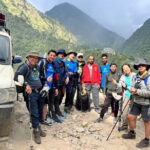
I like that this trek is guided in an easy-to-follow way. An English-speaking trekking guide helps you stay on track, and you’ll spend the nights in guest houses, not campsites or packed dorm chaos.
One thing to consider: meals aren’t included, and the route reaches serious altitude. If you don’t have strong physical fitness, the daily climbs and descents can feel like a long conversation your legs don’t want to have.
In This Review
- Key highlights worth planning around
- Why Annapurna Base Camp from Pokhara hits different
- Price and logistics: what $335 covers, and what it doesn’t
- From Pokhara to Nayapul: an easier start than you expect
- Ghandruk: where the valley opens up
- Chhomrong and Sinuwa: classic trekking villages, changing altitudes
- Deurali and the forest walk: where the trek gets real
- MBC to Annapurna Base Camp: the high day at 4,130m
- Descent to Bamboo: your knees will get opinions
- Jhinu Danda and the hot spring finish
- Day 8: back to Nayapul, then Pokhara hotel drop-off
- Guide, permits, guest houses: the stuff that makes a trek stress-free
- What to pack (and what to plan for) on an Annapurna Base Camp trek
- Who this trek is best for
- Should you book the Annapurna Base Camp trek from Pokhara?
- FAQ
- How long is the Annapurna Base Camp trek from Pokhara?
- What’s the highest elevation on this trek?
- Does the tour include pickup and drop-off in Pokhara?
- Are meals included in the price?
- What’s included for permits and guiding?
- Is this a private tour or shared group?
- Is there free cancellation?
Key highlights worth planning around
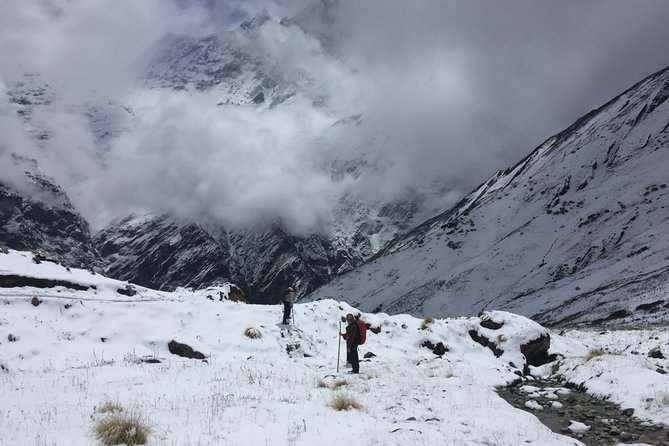
- Annapurna Base Camp at 4,130m: the summit-feeling moment without a technical climb
- Village life stops: Ghandruk, Chhomrong, Sinuwa, Bamboo, and Jhinu Danda keep the trek human
- Forests and a suspension bridge: calmer green stretches plus one classic “look down, keep moving” crossing
- Hot springs at Jhinu Danda: a rare, relaxing finish on a trekking schedule
- Transfers + permits handled: private vehicle moves you between Pokhara, Nayapul, and back
- Private tour setup: your group stays together, with flexible pacing from the guide
Why Annapurna Base Camp from Pokhara hits different
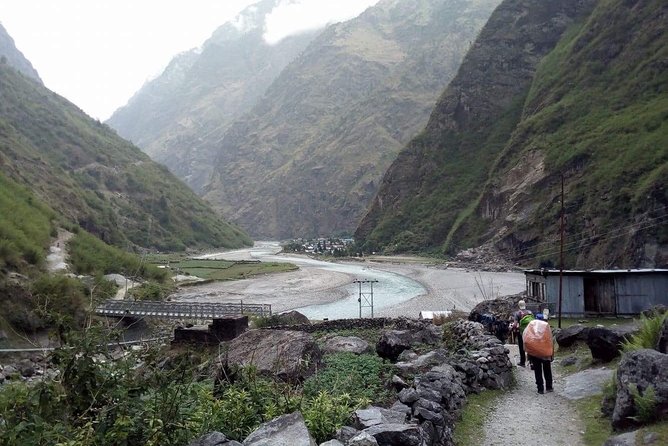
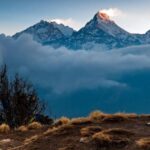
The Annapurna Base Camp trek has a way of making the mountains feel close. It’s not a fast sightseeing loop. It’s a steady climb through foothill villages and forested sections, where the air gets thinner and the views get bigger day after day.
Starting from Pokhara is part of the reason it works. Pokhara is set up for outdoors people, so your trek day begins with transport that actually saves energy. You’ll drive to the trail access point at Nayapul, then walk your way into the Annapurna region instead of wasting the first hours on logistics.
I also like how the trek mixes scenery with culture. You’re not just walking through scenery; you’re passing through real communities with local routines. That’s where you start to notice the rhythm of the route.
You can also read our reviews of more tours and experiences in Pokhara.
Price and logistics: what $335 covers, and what it doesn’t
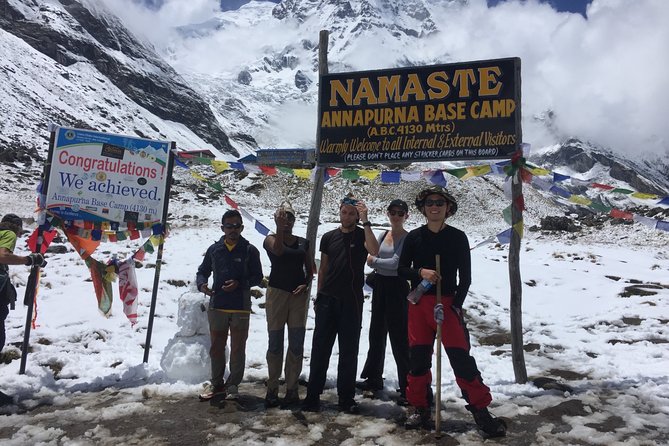
At $335 per person for about 8 days, you’re paying for more than walking time. This price includes the basics that can otherwise turn into surprise expenses:
- Hotel pickup and drop-off in Pokhara
- Private vehicle transfers: Pokhara → Nayapul → Pokhara
- English-speaking trekking guide
- TIMS card + trekking permit (the paperwork side)
- Guest house accommodation during the trek
- A private trip setup for your group
The big thing not included is meals and personal expenses. So you’ll want a realistic daily food budget for breakfast, lunch, dinner, and snacks. Also, rescue costs in an emergency aren’t included, so it’s worth thinking about travel insurance that covers trekking.
And yes, there’s a small “gratitude” line item noted. In plain terms: you’ll likely want to budget for tips if you feel the guide earned it. (In a trek like this, guides usually do.)
From Pokhara to Nayapul: an easier start than you expect
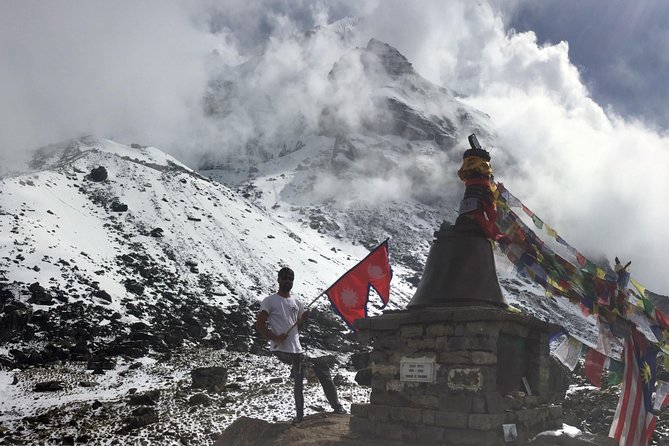
The trek begins with a drive and a transition. You’ll get picked up from your hotel and moved by private vehicle toward Nayapul, then the walking starts.
This first part matters because your first trekking day sets your pacing. You’re not dropped onto the trail at sunrise with no warm-up. You’re eased in with time to get oriented, grab what you need, and settle your pack before you start climbing.
If you’re the type who likes to feel organized, you’ll appreciate that the tour handles the transport structure. With trekking, small hassles snowball. Avoiding those hassles early keeps you fresh for the real work later.
Ghandruk: where the valley opens up
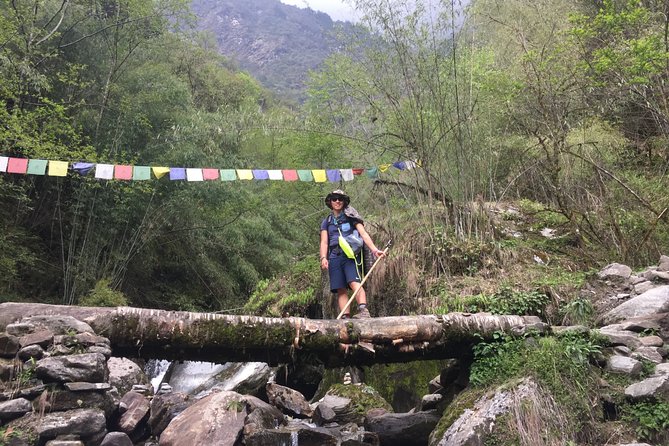
Your first overnight on the route is Ghandruk. The walk from Nayapul to Ghandruk takes around 7 hours, and it’s a strong intro: enough effort to wake up your legs, but not so aggressive that you feel wrecked before the view payoff.
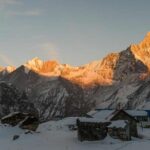
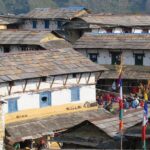
Ghandruk is the kind of place where you notice village life quickly. You’ll see homes clustered on the slopes, tea-house culture along the way, and the familiar rhythm of a community that lives with seasonal hikers. It’s also the moment you start to feel the mountains pressing in, even before you reach the highest points.
Practical note: if you’re sensitive to altitude, don’t “hero pace” on Day 1. It’s tempting because the path is interesting. Keep it steady and let your breathing find its tempo.
Chhomrong and Sinuwa: classic trekking villages, changing altitudes
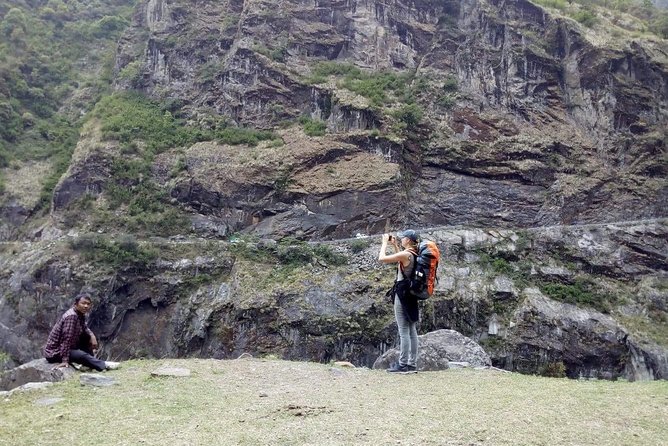
Day 2 and Day 3 shift you through another layer of the Annapurna region. From Ghandruk to Chhomrong takes about 6 hours, then Chhomrong to Sinuwa takes about 6 hours again.
These stretches are valuable because they’re not just between points on a map. They build your trekking rhythm. You’ll learn where to slow down, when to take a short break, and how often you’ll want water and snacks. That matters later when you’re heading toward higher elevations.
Chhomrong is known for its role as a busy village stop, and Sinuwa gives a calmer, more “into the trek” feel. The benefit of moving through villages like these is that you get frequent chances to eat, rest, and reset your gear without turning every hour into a survival test.
If you want one simple strategy: pack snacks that won’t become a chore to eat. When you’re climbing, you’ll want quick calories, not a production.
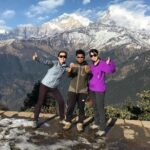
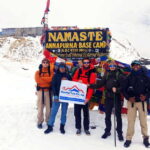
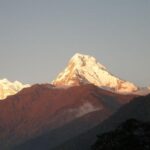
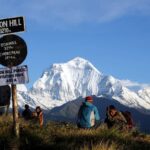
Deurali and the forest walk: where the trek gets real
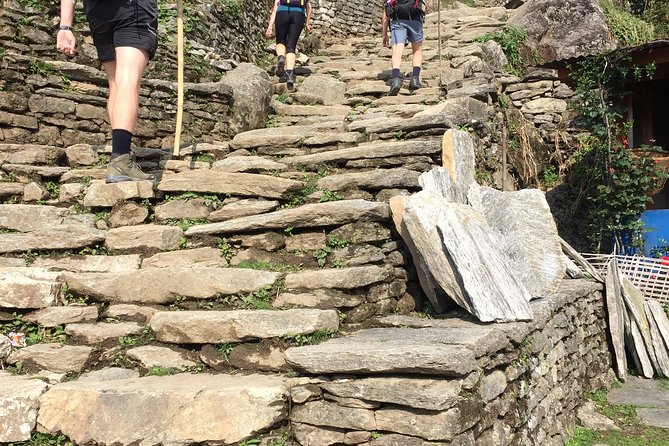
Day 4 takes you toward Deurali, and the route time is about 6 hours. This is one of the key transition days because you’re moving deeper into the higher part of the trek.
You’ll also see more of the natural setting that makes Annapurna Base Camp so memorable. The trek includes natural forests, and those can be a blessing. Trees mean more shade and often a more comfortable walking temperature, especially during the warmer parts of the day.
This is also a good day to pay attention to your body. Your route time is consistent across days, so the changing altitude is what will surprise you—not the schedule. Keep your effort moderate. You’re building toward a peak elevation day, and you want your legs to feel capable when it counts.
MBC to Annapurna Base Camp: the high day at 4,130m
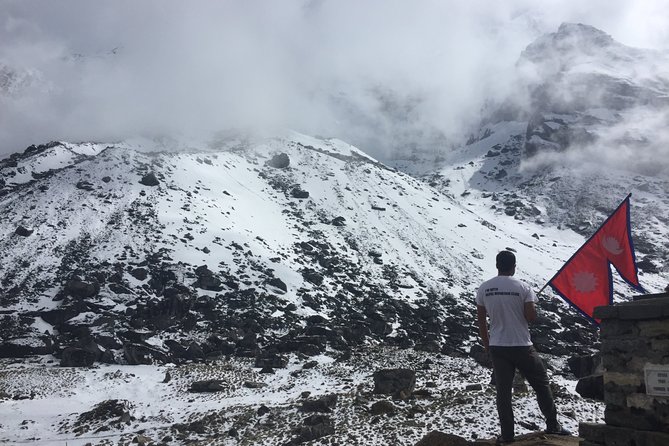
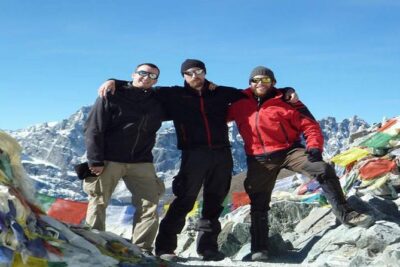
Day 5 is the big push. You’ll trek up to MBC (around 3,730 meters), then continue to Annapurna Base Camp at 4,130 meters. The whole day is about 6 hours.
This is the day most people remember for a reason: it’s where the air feels thinner and the mountains feel bigger than your brain expected. Even if you’ve hiked before, the altitude changes the experience. Walking the same pace feels harder.
You’ll want to treat this like a “workday,” not a “rushday.” If you charge uphill, you’ll spend the whole day fighting your breathing. Better plan: take small, consistent steps, hydrate early, and keep pauses short.
And here’s the practical upside: reaching Base Camp doesn’t require technical climbing gear. Your work is cardio and endurance. Your reward is the kind of view that makes you slow down just to take it in, then keep going because the trek continues.
Descent to Bamboo: your knees will get opinions
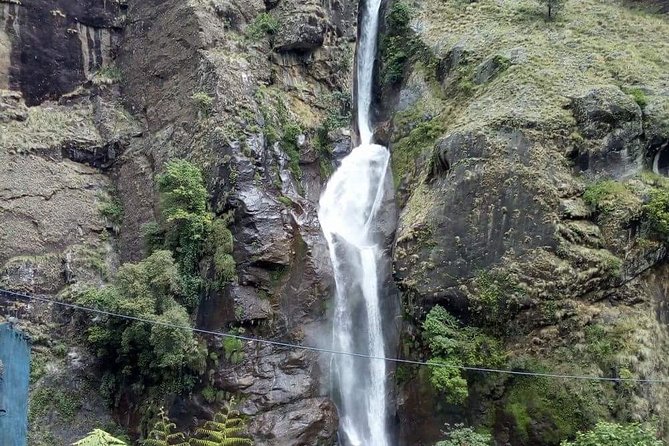
Day 6 brings a downhill day down to Bamboo in about 6 hours. Descent days can feel easier than climbs, but don’t assume they’re “free.”
When you go downhill, your quads take over. This is where supportive trekking poles can be a lifesaver. Even if you’ve never used poles before, you’ll probably want them for this section.
I also recommend you keep your steps controlled. Long strides increase the bounce in your legs. Shorter steps protect your knees and let you keep a steady pace without panicking your breathing.
Bamboo is part of why this trek works so well. It gives you a mid-route village rest point before the final push toward the hot spring area. You’ll feel more human again after the downhill day, and that sets you up for the comfort stop coming next.
Jhinu Danda and the hot spring finish
Day 7 takes you to Jhinu Danda and a stop at the hot spring. The trek is about 6 hours to get down to the hot spring area.
This is one of the smartest “reward” designs in trekking. Hot springs are a practical recovery tool. After days of climbing and descending, your legs want warmth and stillness. This stop gives you that without needing to invent a recovery plan yourself.
Don’t treat the hot spring like a swim session. You’re still at altitude and your body is recovering from a full trek day. Use it like a reset button: soak, hydrate, eat, and go to sleep early.
If you’re planning photos, do it thoughtfully. The hot spring area isn’t just about the water. It’s also a moment to slow the whole trek down and feel like you’re finishing something real.
Day 8: back to Nayapul, then Pokhara hotel drop-off
Day 8 is the wrap-up: trek down to Nayapul and then take a car back to Pokhara. The total day is about 8 hours, and you’ll be dropped back to your hotel on arrival.
This ending matters. Many treks end in the middle of nowhere. Here, you get a direct return structure so you can shower, eat a real meal, and sleep in your own bed rhythm again.
You might feel tired but also oddly energized. That’s normal. When the trek is done, your brain finally stops working overtime.
Guide, permits, guest houses: the stuff that makes a trek stress-free
A good trek guide doesn’t just lead you. They handle the moving parts so you can focus on walking and weather. With an English-speaking guide, the communication is clearer. That matters when you’re asking about pace, rest stops, and how the day is expected to feel.
Permits are included too: TIMS card and trekking permit. Paperwork is one of those behind-the-scenes tasks that can ruin your confidence if it’s missing. Having it handled is a real value add.
You’ll also stay in guest houses. That usually means simple rooms, basic comfort, and a place to recharge each night. It’s not luxury, but it’s practical. When you’re trekking at altitude, a warm meal and a dry-ish place to sleep can be the difference between feeling steady and feeling fragile.
One more point: this is set up as a private tour/activity for your group. Even with group discounts available, you’re not shoved into a random crowd day by day. That can make pacing feel more natural.
What to pack (and what to plan for) on an Annapurna Base Camp trek
The tour data doesn’t list gear, so I’ll stick to what’s generally important for a trek like this. You’re going from Pokhara-level conditions up to 4,130 meters, then back down over several days. Your packing should match that reality.
Bring layers you can adjust. Mornings can feel cold, and afternoons can warm up as you climb. A light rain layer is useful because mountain weather changes fast.
Footwear should be comfortable for long walking days. Your daily segments are around 6 hours most days, with one longer intro and a final return day. That’s a lot of time on your feet.
Also plan for personal expenses since meals aren’t included. You’ll want cash or the payment method you expect to use in guest houses. Snacks are your friend, especially on high-energy days like MBC to ABC.
Finally: think altitude strategy, not just willpower. This trek reaches high elevation, and the tour description calls for a strong physical fitness level. You’ll enjoy it more if you pace yourself and avoid turning every uphill into a race.
Who this trek is best for
I think this tour is a strong fit if you want the Annapurna Base Camp experience but prefer a guided setup that handles permits and transfers. It’s also a good match if you enjoy village trekking and want local culture as part of the journey, not just a checkbox for photos.
It’s also ideal if you value structure. Pickup, private vehicle transport, guest house stays, and an English-speaking guide mean fewer decisions on your end.
If you hate hills, this probably isn’t your vacation. But if you like steady effort and you want a big milestone at 4,130 meters, this is the kind of trek that makes the work feel worth it.
Should you book the Annapurna Base Camp trek from Pokhara?
Book it if you want a well-structured Annapurna Base Camp route with private transfers, a guide, permits handled, and guest house comfort each night. The price is fair for what’s included, especially since the high-stress parts—transport coordination and paperwork—are taken care of.
Skip it or reconsider if you’re relying on included meals for your budget planning. You’ll need to cover food and personal expenses yourself, and you’ll want to be ready for a serious altitude hike with a strong fitness level.
If you’re aiming for a classic trek with villages, forests, bridge crossings, and a hot-spring recovery day, this one is built for that.
FAQ
How long is the Annapurna Base Camp trek from Pokhara?
It runs for about 8 days.
What’s the highest elevation on this trek?
You reach Annapurna Base Camp at about 4,130 meters, with a stop at MBC around 3,730 meters.
Does the tour include pickup and drop-off in Pokhara?
Yes. The tour includes hotel pickup and drop-off, plus private vehicle transfers between Pokhara and Nayapul.
Are meals included in the price?
No. All meals and personal expenses are not included.
What’s included for permits and guiding?
You get an English-speaking trekking guide, plus the trekking permit and TIMS card.
Is this a private tour or shared group?
This is listed as a private trip/activity, meaning only your group participates.
Is there free cancellation?
Yes. Free cancellation is allowed up to 24 hours in advance for a full refund.