REVIEW · KATHMANDU
Everest Base Camp Trek
Book on Viator →Operated by Adventure Blossom Treks and Expedition Pvt.Ltd · Bookable on Viator
Everest Base Camp is a dream with real altitude. This trek package is interesting because it combines Kathmandu comfort, a Lukla jumpstart, and long days of guided hiking toward the Everest region’s iconic peaks.
What I love most is that you’re not doing this solo: you’ll have an English-speaking guide plus an assistant and porter support based on your group size. I also like that the essentials for the trail are handled for you, including a down jacket and sleeping gear rental plus set tea-house meals (11 breakfasts, 11 lunches, 11 dinners).
The big consideration is the mountain itself. This itinerary’s challenge comes from altitude, and the experience requires good weather and a moderate fitness level to stay comfortable and safe.
In This Review
- Key Points You Should Know Before You Go
- Kathmandu First: Getting Oriented Without Rushing
- The Start Line in Lukla: Why This Flight Matters
- What the Trek Feels Like: Tea Houses, Scheduled Meals, and a Guide Running the Show
- The Everest Views You’re Targeting: Clear Weather, Big Peaks, and Early Mornings
- Guides and Service That Actually Show Up: Sunita and Himal
- Gear and Comfort: Down Jacket Rental and What It Means for Packing
- Price and Logistics: Is $1,820 Good Value?
- Who This Trek Suits Best (And Who Should Rethink It)
- Should You Book Adventure Blossom Treks and Expedition for Everest Base Camp?
- FAQ
- What does the $1,820 price include?
- Do I get airport pickup and drop-off in Kathmandu?
- Is international airfare and travel insurance included?
- Is this a private tour?
- What fitness level do I need?
- What happens if poor weather cancels the trip?
Key Points You Should Know Before You Go
- English-speaking guide + assistant guide: you get real on-the-ground interpretation, not guesswork.
- Porters sized to your group: less strain on your back during a long trek.
- Tea-house meals included: 11 breakfasts, 11 lunches, and 11 dinners, plus a cup of tea/coffee with overnight tea house service.
- Down jacket and sleeping gear rental: you can travel lighter and still be prepared for cold nights.
- Kathmandu built in (3 nights): airport pickup/drop and a standard twin-share hotel stay before you head out.
Kathmandu First: Getting Oriented Without Rushing
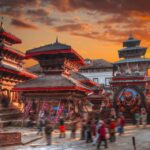
Most Everest Base Camp treks start with Kathmandu for a reason, and this one builds that in. You get 3 night tourist standard twin-sharing rooms on a bed-and-breakfast basis in Kathmandu. That’s not just a place to sleep. It gives you time to recover from travel, handle money and gear, and get your paperwork and schedule lined up before the trail starts.
Airport logistics are also included. You’ll get airport pickup and drop by private vehicle, sized to your group. That matters more than it sounds. Kathmandu can be chaotic, and landing on day one with a plan is a big stress reducer.
Also, note the provider’s hours: 7:15 AM to 6:15 PM daily. If something needs attention before you fly out or on the day you arrive, you’ll have a practical window to reach them.
One more detail I appreciate: mobile ticket is included. That’s a small thing, but it helps you keep everything in one place instead of hunting for paper confirmations.
You can also read our reviews of more tours and experiences in Kathmandu.
The Start Line in Lukla: Why This Flight Matters
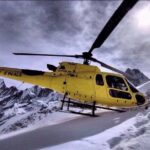
After Kathmandu, the next key step is getting to Lukla by domestic flight. The flight cost is included as part of the package. This is the engine that turns an Everest “idea” into an Everest “trek.”
From a value perspective, including that domestic leg is huge. If you’ve ever built a trek from scratch, you know how quickly flights and transfers add up, plus how annoying they are to coordinate across multiple providers.
What to expect once you reach Lukla is the shift from city to trail mode: packed schedule, practical gear use, and daily hiking with a team around you. Your guide and assistant guide aren’t just for navigation. They help you keep the day’s pace realistic for the altitude and the route.
What the Trek Feels Like: Tea Houses, Scheduled Meals, and a Guide Running the Show
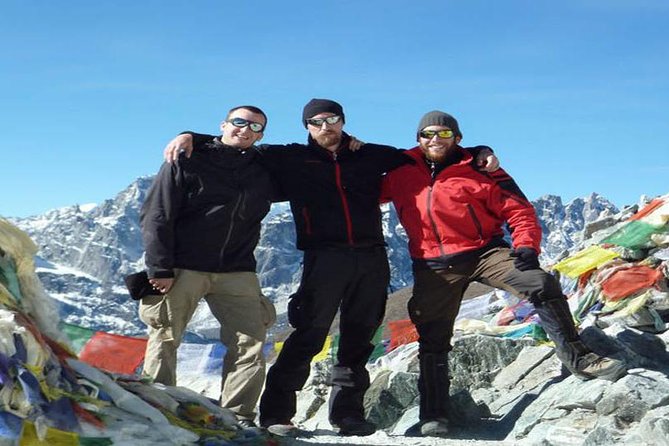
This package is built like a traditional tea-house trek. You’ll sleep in tea houses with meals included: 11 breakfasts, 11 lunches, and 11 dinners. You also get one cup of tea/coffee with overnight tea-house service.
A quick reality check: the trekking duration is listed as about 1 day, which doesn’t match the meal count. The most supported clue in your info is the food schedule—11 of each meal type—so you should treat this as a multi-day trek. Before you commit, I’d double-check the actual day-by-day plan with the operator so your expectations match what’s being delivered.
Here’s what I’d plan for emotionally and physically:
- Daily movement is the main event. You’ll likely spend a lot of your energy just staying steady on your feet.
- Altitudes add pressure to the body. Even when the hike isn’t technically hard, altitude makes everything feel heavier.
- Your guide becomes the most valuable person in the group. That’s how you avoid the common mistake of rushing because you’re feeling fine early on.
The included support staff is a major part of comfort. You’ll have an experienced English-speaking trekking guide and an assistant guide, plus porters as per group size. If you’ve only ever traveled light, this is where porter support really changes the experience. Less weight means better breathing room and fewer “why did I do this to myself?” moments.
The Everest Views You’re Targeting: Clear Weather, Big Peaks, and Early Mornings
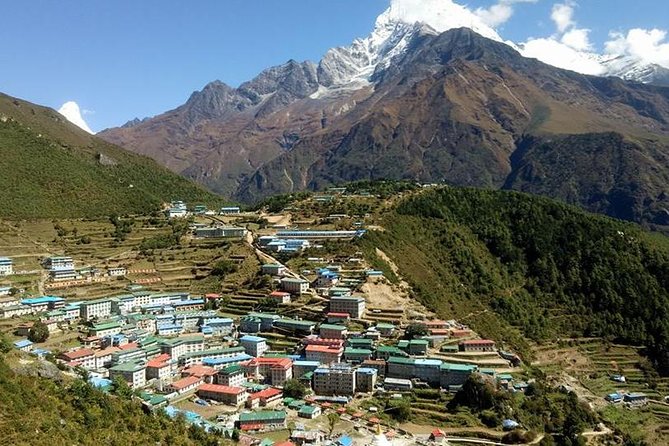
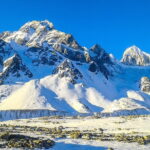
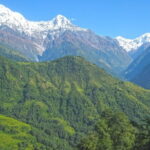
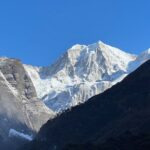
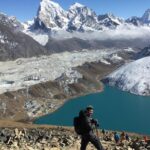
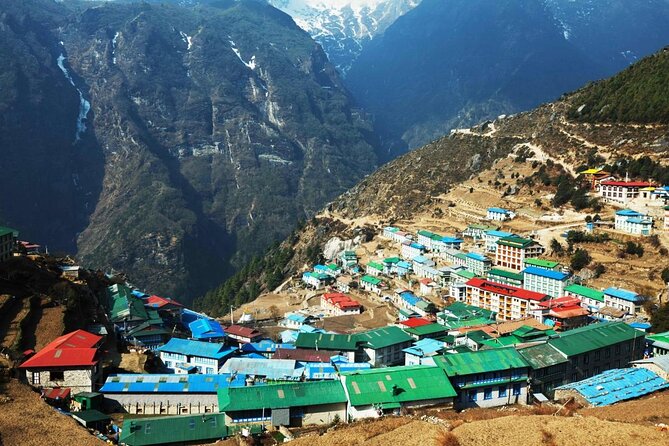
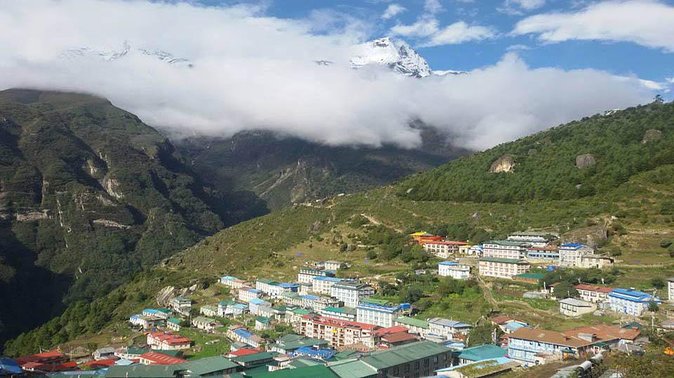
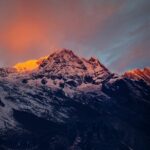
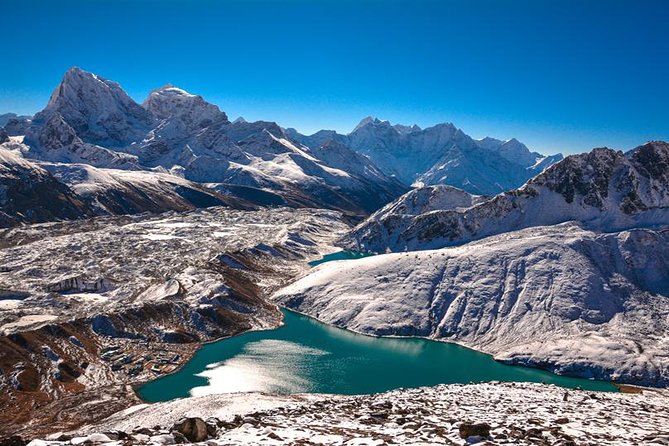
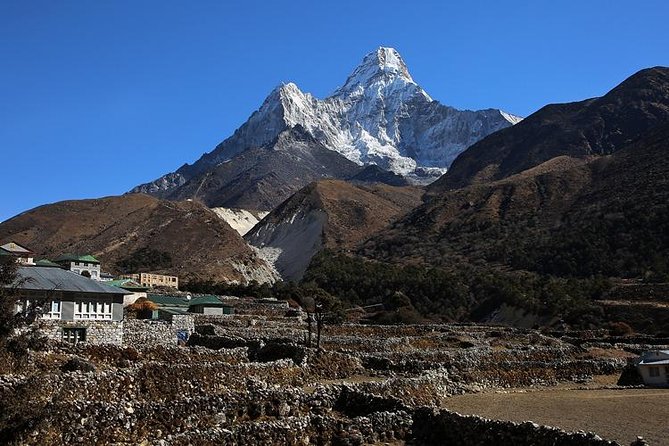
Even when you’re not at the base camp itself, you’re chasing high-mountain scenery. The description of the region calls out major targets around Everest: Mt. Everest and peaks like Lhotse, Makalu, and Cho-Oyu, plus the wider Himalayan systems around you.
The honest truth: views are weather-dependent. Your own booking info says the experience requires good weather, and the cancellation policy specifically mentions weather cancellations. In practice, that means you should plan to start being flexible. On clear days, the mountains can look close enough to touch. On cloudy days, you may see less than you hoped.
One pattern that matters is timing. Mountain visibility tends to behave best earlier in the day when skies clear. Your mountain descriptions mention that morning timing is best for views, and that tracks with how high-altitude panoramas usually work. If your guide calls for an early start for better conditions, it’s not just for show.
Also, keep your expectations grounded. This trek is about the whole experience—walking into an Everest-world, watching village life and trail rhythms—and not only about getting a perfect shot of Everest every day.
Guides and Service That Actually Show Up: Sunita and Himal
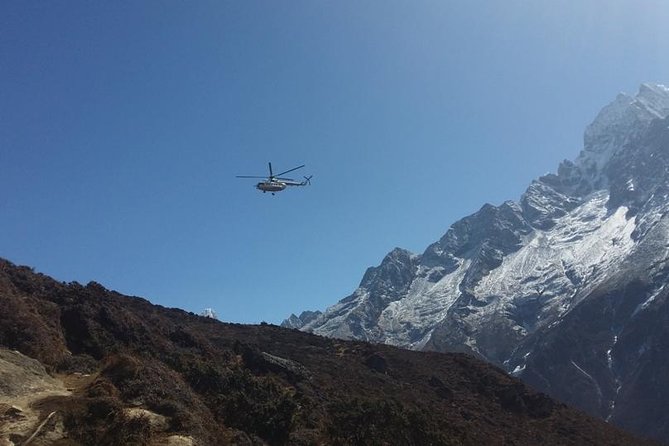
This is one of the rare trips where the service details aren’t generic. I like that real names are associated with the experience. Sunita and Himal are mentioned as standout people—absolutely amazing, and willing to handle last-minute travel decisions with care.
That matters on a trek. Things change: timing shifts, weather windows open or close, and sometimes plans need adjusting. When a team is responsive, it reduces the risk that you spend days feeling stuck or unsure.
You’ll also have the structure in place: an English-speaking trekking guide plus an assistant guide. The practical advantage is that you’re not translating everything yourself while dealing with altitude stress. You can ask questions, confirm route logic, and focus on walking.
Safety is a theme tied to guide support. The most reliable form of safety here isn’t fancy gear—it’s good pacing, sensible decisions, and a guide who knows when to push and when to hold back.
Gear and Comfort: Down Jacket Rental and What It Means for Packing
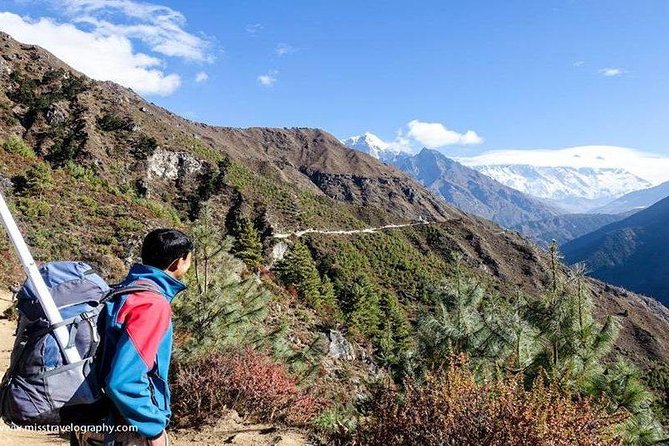
One smart inclusion is gear rental: you’ll receive a down jacket and sleeping gear on a rental basis. That changes your packing strategy right away. You can arrive with fewer bulky items, and you don’t have to gamble on whether you bought the right insulation strength.
Still, I’d treat rental gear as “good to go,” not “perfect for you.” If you run cold, pack your layering preferences. If you hate sweaty synthetics, bring what you need. The data says down jacket and sleeping gear are provided for rent, but it doesn’t say anything about fit quality, so it’s worth expecting “standard” rather than tailor-made.
In Kathmandu, your hotel stay is twin sharing standard, which is typical for trekking packages. You’re not buying luxury. You’re buying the ability to sleep, shower when possible, eat breakfast, and get ready for the long climb toward high-altitude nights.
Also remember: beverages aren’t included. That means you’ll be paying for drinks along the way beyond what comes with meals. Build that into your budget so you’re not doing last-minute math in small mountain shops.
Price and Logistics: Is $1,820 Good Value?
At $1,820 per person, this trek isn’t a bargain. But it can be good value depending on what you’d otherwise have to arrange yourself.
Here’s what’s included that usually costs money when you assemble things piecemeal:
- 3 nights in Kathmandu (twin-share, bed-and-breakfast)
- Airport pickup and drop via private vehicle
- Domestic flight to Lukla
- Down jacket and sleeping gear rental
- Tea-house meals: 11 breakfasts, 11 lunches, 11 dinners
- Guide + assistant guide
- Porters based on group size
What’s not included (and can matter a lot):
- International flights to Nepal
- Travel insurance
- Any beverages
- Tips for trekking guide & porter
- Anything not listed as included
So how do you judge it? I’d compare it to your own ability to organize:
1) flights to Lukla,
2) guide/assistant/porter staffing,
3) the meal plan and tea-house logistics,
4) gear rental.
If you can’t do those easily, this package saves time and coordination stress—often worth real money on a trek. If you’re a planning wizard with a solid support network already lined up, then it may feel overpriced.
One more practical point: the experience is listed as non-refundable and cannot be changed for any reason. That’s a serious commitment. The only bright spot is weather-related cancellations, where poor weather can lead to a different date or a full refund. If your calendar is flexible and your health is steady, you’re in a safer planning zone than if you’re traveling under tight constraints.
Who This Trek Suits Best (And Who Should Rethink It)
This experience is best for you if:
- you have moderate physical fitness
- you want a guided trek with porters and a team
- you like the idea of structured meals and a clear service plan
It may be the wrong fit if:
- you’re looking for a lightweight, low-commitment trip
- you’re not prepared for altitude pressure and weather uncertainty
- your dates are set in stone and you can’t handle the non-refundable nature of the booking
Also, this is a private tour/activity, meaning only your group participates. That’s great for couples and small groups who want less crowd pressure and a more personal pace.
Should You Book Adventure Blossom Treks and Expedition for Everest Base Camp?
I’d say book if you want a guided Everest Base Camp trek that’s already wrapped with the big-ticket moving parts: Kathmandu nights, Lukla flight, tea-house meals, and a real support team. The named strength of the service—Sunita and Himal—and the emphasis on safety and handling last-minute changes are the kind of details that matter when altitude makes every decision heavier.
I’d hold off if you’re still unsure about your fitness for altitude or if your schedule is too strict to absorb weather changes. This is also a booking where you should confirm the real trekking length, because the info you provided includes an approximate duration that doesn’t match the meal count. A quick clarification from the provider will save you stress.
If you’re ready to plan seriously and hike steadily, this package can turn the Everest dream into a real, guided journey instead of a solo gamble.
FAQ
What does the $1,820 price include?
The package includes a 3-night tourist standard twin-sharing hotel stay in Kathmandu on bed-and-breakfast, airport pickup and drop by private vehicle (based on group size), domestic flight cost to Lukla, down jacket and sleeping gear rental (rent basis), tea-house meals (11 breakfasts, 11 lunches, 11 dinners) with 1 cup of tea/coffee with overnight service, and an English-speaking trekking guide, assistant guide, and porter support based on group size.
Do I get airport pickup and drop-off in Kathmandu?
Yes. The tour includes airport pickup and drop by private vehicle as per group size.
Is international airfare and travel insurance included?
No. International flight fare and travel insurance are not included.
Is this a private tour?
Yes. It’s listed as a private tour/activity, and only your group will participate.
What fitness level do I need?
You should have a moderate physical fitness level.
What happens if poor weather cancels the trip?
If the experience is canceled due to poor weather, you’ll be offered a different date or a full refund.