REVIEW · MANILA
4 Day Banaue Ifugao Rice Villages Private tour Trekking
Book on Viator →Operated by Vagabondpinas Outdoor Travel and Tours · Bookable on Viator
A long trek, real village stays, and rice terraces you can’t fake. This private 4-day tour takes you through Ifugao rice-terrace country with an English-speaking guide, 34km of walking, and nights in local homestay guest houses. I especially like the way the route links multiple villages—Pula, Cambulo, Batad, and Bangaan—so the terraced views keep changing. I also like that you get a waterfall activity break (think plunge pools, and yes, it’s the kind of stop where you may want swimwear). The main drawback is simple: this is a strong-legs trek, so if you’re not comfortable with long uphill walking, you’ll feel it.
Because it’s private, your group pace matters. You’ll start early from Manila with pickup at 5:30am, then spend each day trekking between village areas and rice-terrace outlooks. If you’re the type who enjoys slow, step-by-step movement through the countryside (not just quick sightseeing), this one fits nicely—but do plan your energy around the distances.
In This Review
- Key things I’d bet you’ll care about
- Why these Ifugao terraces feel different when you walk
- Price and what $810 actually buys you (and what it doesn’t)
- The trekking reality: distance, elevation, and pacing
- Day 1: Manila to Banaue—your early start sets the tone
- Day 2: Banaue to Pula and Cambulo—then to Batad
- Day 3: Cambulo + Batad—amphitheater terraces and waterfall time
- Day 4: Batad to Bangaan—UNESCO terraces and dense forest walking
- Homestays in Ifugao: why the sleeping matters as much as the walking
- Guides, permits, and private transport: small logistics that change the trip
- What to pack (and what to wear) for a 34km trek
- Weather and trip conditions: when plans shift
- Who should book this Banaue–Ifugao private trek
- Should you book it? My honest call
- FAQ
- What time does the tour pickup start in Manila?
- How long is the tour?
- Where does the trek take you?
- How much trekking is included?
- What’s included in the price?
- Are meals included?
- Is the tour private or shared?
- Do I need good weather for the trip to run?
- What’s the cancellation situation?
Key things I’d bet you’ll care about
- 34km total trekking distance across four days, with big chunks on day 2 and a solid hike on day 4
- Village-to-village feel: Banaue, Pula, Cambulo, Batad, then Bangaan (UNESCO-listed)
- Waterfall time included during the Batad day, with chances to cool off
- 3 days homestay accommodation inside the community, not a hotel bubble
- Private transportation and an English-speaking guide, plus permits and fees handled
Why these Ifugao terraces feel different when you walk
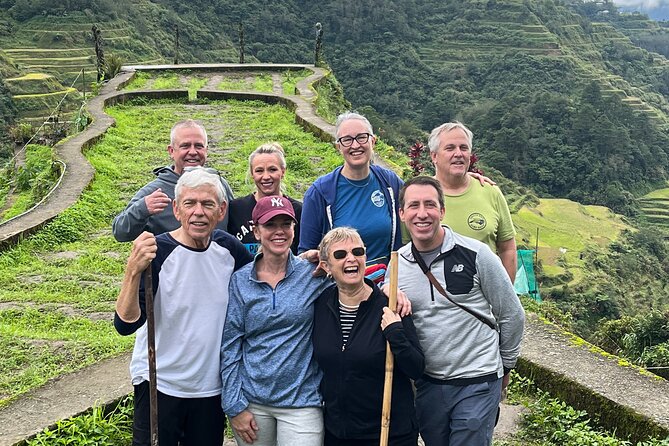
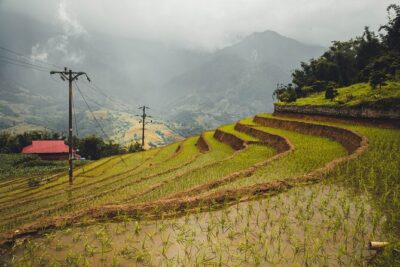
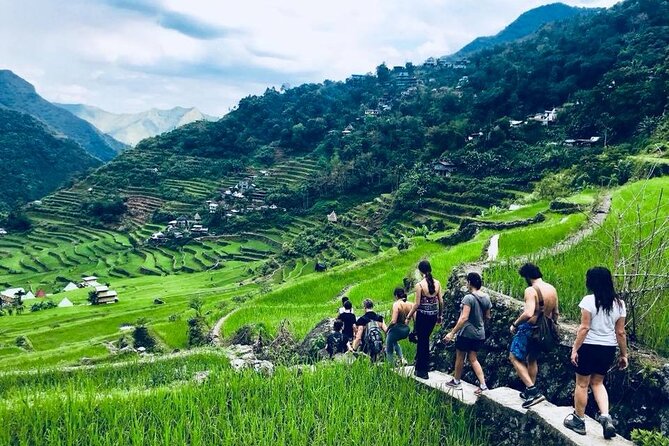
If you’ve only seen rice terraces from road pull-offs, this kind of trek changes the scale. Walking the terraces gives you the real sense of how the terrain shapes daily life—paths, steps, water channels, and viewpoints are all part of the system. You’re not just looking at the terraces; you’re moving through the same mountain world that helped their ancestors build and maintain them.
The other thing I like is variety. Day 2 focuses on Pula and Cambulo as you work your way toward Batad, and Batad has that amphitheater-style feel that people remember. Then Bangaan (UNESCO-listed) adds another layer: dense forest walking plus classic terrace scenes that feel more enclosed, less open-road.
Price and what $810 actually buys you (and what it doesn’t)
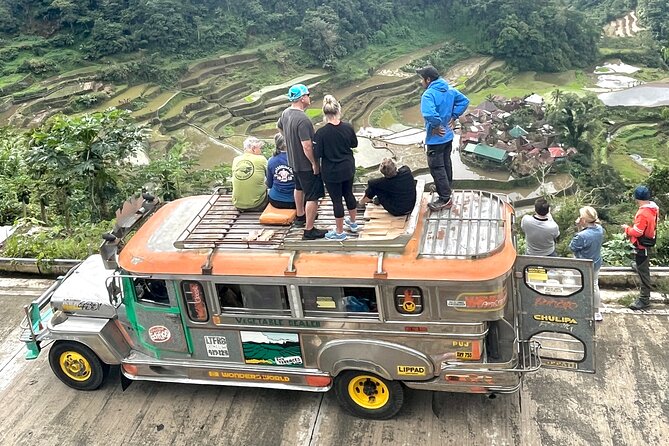
At $810 per person, this isn’t a budget day trip. But for 4 days, the price includes some meaningful cost items: private transportation, an English-speaking guide, and tour fees and permits, plus 3 days homestay accommodation. You’re also not paying separate admission tickets listed as free/included across the itinerary.
What’s not included is just as important for planning: meals aren’t included, and tips/gratuities aren’t included. If you like knowing your spending ahead of time, budget meals separately and keep a tip amount in mind for guides and helpers.
For value, the biggest factor is the combination of (1) long trek time, (2) homestays, and (3) private guiding/transport. If you’d normally have to rent transport, pay for guide time, and handle permits on your own, the packaged approach starts making more sense fast.
The trekking reality: distance, elevation, and pacing
This is built for long-trek people. The total is about 34km of mountain walking over the four days, with the biggest hike roughly described as:
- Day 2: about 16km trekking from the Banaue area through Pula and Cambulo toward Batad
- Day 3: about 7km plus activity time (including a waterfall stop)
- Day 4: about 8km walking to Bangaan (with roughly 3–4 hours stated for this hike)
So yes, you get village time and scenic time. But the skeleton of the experience is still walking. If your fitness is strong enough for sustained hikes, you’ll enjoy the views more because you won’t feel constantly behind.
A good rule: treat each day as active travel, not sightseeing between rest breaks.
Day 1: Manila to Banaue—your early start sets the tone
Your day begins with a 5:30am pickup from your residence area in Manila. Then you’re looking at a long drive—around 8 to 9 hours—to reach the mountains. This is one of those days where you’re not “treading terraces” yet, but you are starting to adjust to the rhythm: early movement, then settling in.
Why this matters: a late start can flatten your energy for day 2, and this tour’s early timing tries to protect your trekking window. The trade-off is that you’ll lose a chunk of sleep and you’ll want to keep travel comfort in mind—neck support, water, and light snacks (since meals aren’t included).
Day 2: Banaue to Pula and Cambulo—then to Batad
Day 2 is the long one: roughly 6–7 hours trekking with the distance listed around 16km. You start after breakfast with a morning view of Banaue rice terraces, then meet a local DOT-accredited guide and set off through the village route.
What you’ll likely notice first is how walking changes the terrace picture. The terraces stop being a single view and become a system you move across and around—switchbacks, stepped paths, and viewpoint turns that feel earned rather than rushed.
Pula and Cambulo are part of the payoff here. Instead of treating Batad as the only highlight, the route gives you time in multiple villages on the way. You’ll also get that “village-to-village” texture that’s hard to replicate with shorter walks: the sounds, the people you pass, and the way the community sits beside the terraces.
Drawback to plan for: because it’s a longer trekking segment, day 2 can feel like the day you earn everything else. Go steady, keep your breathing controlled, and don’t wait until you’re tired to adjust your pace.
Day 3: Cambulo + Batad—amphitheater terraces and waterfall time
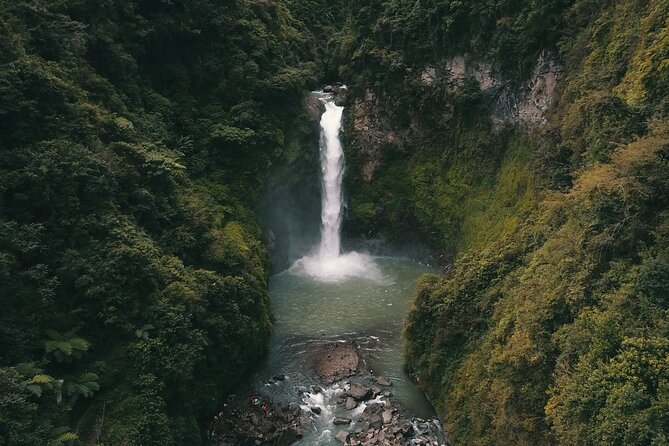
On day 3 you continue from Cambulo to Batad, with about a 4-hour hike listed (distance around 7km), plus time for a waterfall activity. This is the day where the tour shifts from purely “walking through scenery” to “walking, then cooling off.”
Batad is specifically noted for rice terraces with an amphitheater-like layout. That style tends to create that famous visual effect: layers of terraces drop away in a way that makes depth obvious. When you reach viewpoints, you get a clearer sense of how the terraces step down through the mountain contours.
Then there’s the waterfall stop. Your itinerary includes waterfall activity time, and at least one previous participant highlighted enjoying the waterfall plunge pools. Translation: pack like you might need to cool down, even if the exact swimming conditions depend on weather and water flow.
Day 4: Batad to Bangaan—UNESCO terraces and dense forest walking
Day 4 finishes the trek at Bangaan Village, described as a UNESCO world heritage rice-terrace site. You have an Option 1 hike listed at 8km, with a 3–4 hour hike starting around 7:00am, walking through a dense forest area.
This day is different in feel. Earlier days focus on terrace routes and village connections. Bangaan adds a “closer to the mountain” sensation, since the forest walk can mean fewer open views until you emerge toward terrace scenes again.
After you complete the hike, you’ll transition back toward Manila. The tour includes the long travel element in the overall flow, so plan your energy so you’re not wrecked at the end of the trek.
If day 2 is your endurance test, day 4 is your finishing statement: you’ll feel accomplished, but the walk still counts.
Homestays in Ifugao: why the sleeping matters as much as the walking
The tour includes 3 days homestay accommodation. That’s a big part of the experience, because it’s where you slow down and connect beyond the hiking.
Here’s what you can expect based on how this kind of program works: you’ll be hosted inside a local guest house, with time to talk with people and learn more about Ifugao village life. The tour also specifically frames this as spending nights in local communities, not just passing through them.
Practical side: homestays can mean simpler comfort than hotels. Bring what you need to feel clean and comfortable (especially if you’re trekking in humid conditions). And remember: the value isn’t luxury—it’s proximity to daily life.
Guides, permits, and private transport: small logistics that change the trip
This is a private tour with private transportation, an English-speaking guide, and tour fees and permits included. That mix matters in places like the Ifugao mountain region, where you benefit from having someone who understands route timing, village coordination, and the boundaries around access.
You’ll also have a local DOT-accredited guide joining for parts of the route. Even when you’re with one main guide for the full tour, that local expertise can help your walk feel smoother because the day’s plan connects to village-level realities.
And because it’s private, you’re not forced into a pace that matches a random mixed group. If you want to stop for photos or take a slower rhythm when the trail tilts up, you’ll have more control.
What to pack (and what to wear) for a 34km trek
I’d pack for long days, wet ground, and quick temperature shifts. The itinerary includes long hikes and waterfall activity, so you’ll want gear that can handle both trail time and water time.
Think about:
- Comfortable hiking shoes with good traction (the big hikes are 16km, 7km, and 8km)
- Layers you can remove or add (morning starts are early, and mountain weather can shift)
- A day bag that won’t feel heavy after hours of walking
- Water and quick snacks for between meals (meals aren’t included)
- Swimwear or at least a change of clothing for the waterfall plunge pools possibility
Also, keep your hands free when you can. A crossbody or small backpack is often easier than holding essentials at steep sections.
And if you’re prone to blisters, deal with that before you’re on the trail. Long treks amplify small problems fast.
Weather and trip conditions: when plans shift
This experience requires good weather. The tour notes that it can be canceled due to poor weather, and in that case you’ll be offered another date or a full refund.
It’s smart to treat the forecast as a factor in your comfort level even if the itinerary stays the same. Rain can change trail footing and how pleasant waterfall time feels. If weather goes bad, you won’t be “pushed through” at any cost—this is built around conditions being suitable.
Who should book this Banaue–Ifugao private trek
This is best for people who:
- Like long treks and can handle sustained walking over multiple days
- Want more than viewpoints—specifically village-to-village experience and homestay nights
- Are comfortable traveling early and trekking through hills in a mountain setting
It’s not the right match if you want short walks, low physical demands, or a fully hotel-based trip. This program is for strong legs and a patient pace.
And because it’s private, it’s also a good fit for small groups who want control over timing and walking rhythm.
Should you book it? My honest call
Book it if you want a real Ifugao rice-terrace trek with multiple villages, homestay nights, and enough walking to make the scenery feel earned. The biggest “yes” is the full route—Banaue to Pula, Cambulo, Batad, then on to Bangaan—because you’re not skipping the middle bits. Add in the English-speaking guide and included permits, and the overall experience feels structured rather than chaotic.
Hold off if your fitness level isn’t strong enough for long hikes (especially the roughly 16km day) or if you’re not comfortable with early starts and basic guest-house comfort. Also, since meals aren’t included, make sure you’re okay budgeting food on top of the tour price.
If you like slow travel through real communities and you can handle the distance, this one is a solid pick.
FAQ
What time does the tour pickup start in Manila?
Pickup is scheduled for 5:30am.
How long is the tour?
The tour is listed as 4 days (approx.).
Where does the trek take you?
You’ll go between Banaue, Pula, Cambulo, Batad, and Bangaan Village (UNESCO-listed).
How much trekking is included?
Total mountain trekking is listed as about 34km across the four days.
What’s included in the price?
The price includes private transportation, 3 days homestay accommodation, an English-speaking guide, tour fees and permits, plus all fees and taxes. Admission tickets are listed as free/included depending on the day.
Are meals included?
No. All meals are not included.
Is the tour private or shared?
This is a private tour/activity, so only your group participates.
Do I need good weather for the trip to run?
Yes. The experience requires good weather, and if it’s canceled due to poor weather, you’ll be offered another date or a full refund.
What’s the cancellation situation?
The experience is non-refundable and cannot be changed for any reason, based on the policy provided.