REVIEW · SAPA
Highland Harmony Trek in Sapa
Book on Viator →Operated by Green Sapa Trekking · Bookable on Viator
A trail that feels like a real day in the valley. The Highland Harmony Trek is built around Muong Hoa and the villages above it—rice terraces, river paths, and conversations with Black H’mong and Giay people in their everyday settings. It’s the kind of trek that doesn’t rush you, so the scenery has time to sink in.
Two things I really like: the route mixes gentle walking with changing scenery, and the meal is part of the culture, not an afterthought. You get a locally prepared lunch in Lao Chai, and the stories from your local guide can include details like indigo-blue dyeing and farming routines.
One consideration: it’s classed as moderate fitness, so you’ll want good footwear and to be ready for uneven dirt paths, possible slippery spots near the river, and weather that can affect trail comfort.
In This Review
- Key highlights from the Highland Harmony Trek
- Why this trek works: villages plus paths, not just photo stops
- Starting at Green Sapa Homestay at 8:30: timing and small-group feel
- Muong Hoa Valley: the gentle descent that sets the tone
- Y Linh Ho: narrow paths, big views, and a quiet Black H’mong morning
- Lao Chai: terraces, village life, and lunch in a local home
- Ta Van: Giay stilt houses, river crossings, and a calmer finish
- Pace, paths, and weather: how hard is it, really?
- Price and value at $29: what you really get
- FAQ
- FAQ
- Where does the Highland Harmony Trek start?
- What time does the trek begin?
- How long does the experience take?
- How many people are in the group?
- What ethnic communities will you visit?
- Is lunch included?
- What kind of ticket do you use?
- What fitness level is required?
- What if weather is poor?
- Should you book the Highland Harmony Trek in Sapa?
Key highlights from the Highland Harmony Trek
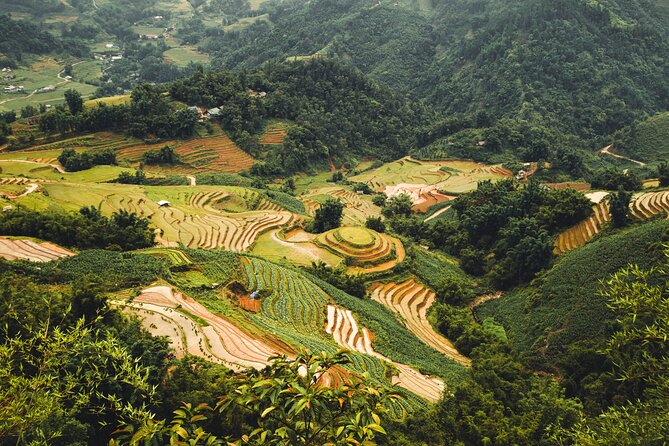
- Muong Hoa Valley warm-up with stone paths, terraced hills, and quiet Black H’mong villages
- Y Linh Ho’s calm ridge-walk feel with narrow dirt paths and big views
- Lao Chai lunch with local H’mong hospitality in a home environment
- Real village time in Black H’mong and Giay communities, not staged stop-by-stop tourism
- Ta Van’s peaceful end with stilt houses and a slower, valley-floor rhythm
Why this trek works: villages plus paths, not just photo stops
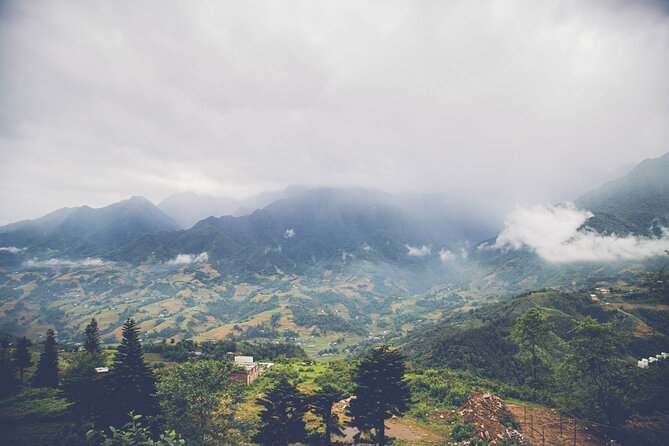
Sapa can turn into a checklist fast. This trek fights that problem by spreading the day across a few well-chosen village areas, with walking that actually connects them. You start high enough to feel the valley open up, and then you keep moving through terraces, forest paths, and riverside stretches—so you’re not stuck in one scenery “mood” the whole time.
What makes it feel meaningful is the human pacing. The trek includes time with Black H’mong and Giay villagers in their home environments, not in a performance-style setup. That matters because you’re more likely to understand daily life—what people do, how they make things, and how farming shapes the year—rather than just collect a few pictures and move on.
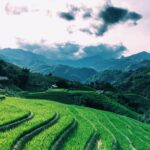
And yes, the day still has plenty of views. You’ll see terrace viewpoints that feel layered and endless, plus river air that makes the walk feel lighter in the morning. If you like a day that’s both scenic and calm, this one fits.
You can also read our reviews of more tours and experiences in Sapa.
Starting at Green Sapa Homestay at 8:30: timing and small-group feel
The tour meets at Green Sapa Homestay (3-1 Nguyễn Chí Thanh, TT. Sa Pa, Sa Pa, Lào Cai 31752) at 8:30 am. Your day includes vehicle pickup and then a safe, comfortable return back to the meeting point—so you don’t need to stress about transport after you’ve done the walking.
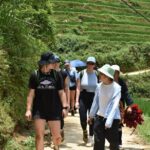
The group size caps at 10 people (and there are small group or private options). That upper limit matters. In smaller groups, the guide can slow down when the trail narrows or when people have questions. It also makes it easier to hear explanations about village life, clothing traditions, and farming work.
You’ll also use a mobile ticket, which is handy if you’re juggling other stops in Sapa. If you like to travel light and avoid paper tickets, this is a small win.
Bring your basics for a moderate trek: solid shoes, and layers. Sapa weather can change quickly, and comfort is all about being prepared. Also note that service animals are allowed, and the meeting area is near public transportation—useful if you’re mixing this with other plans.
Muong Hoa Valley: the gentle descent that sets the tone
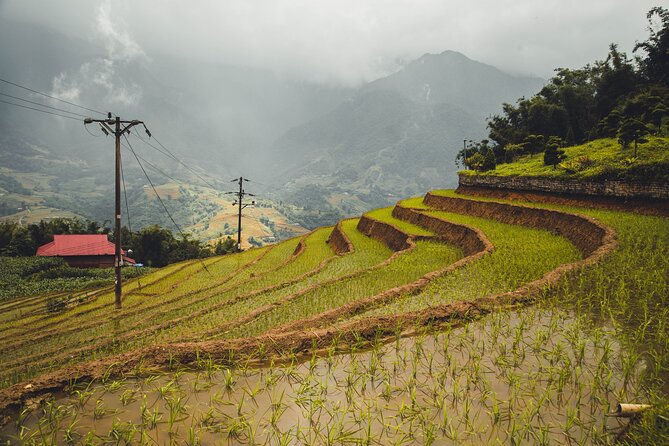
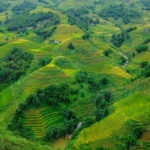
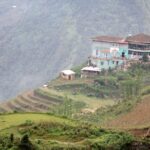
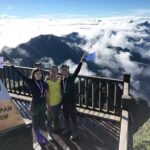
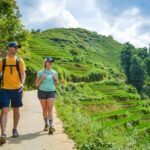
The day begins with a peaceful descent into Muong Hoa Valley. Expect winding stone paths running through steep terraced hills and quiet Black H’mong villages. This first section is a warm-up, but it’s not boring. You’re already surrounded by the structure of the valley—rice paddies in their stepped pattern—and you can feel how the geography shapes daily life.
I like this phase because it gives you time to orient. Instead of jumping straight into intense trails, you start with a walk that builds confidence. You also get an early sense of scale: those terraced hills don’t look real until you’re moving alongside them.
A small but useful detail: the tour lists admission ticket free for the start section. So you’re not juggling extra entry fees as part of the day. That keeps your budget cleaner.
If you’re sensitive to uneven footing, take it slow on stone and dirt. It’s not technical hiking, but it’s still a mountain valley, and ankles should stay happy.
Y Linh Ho: narrow paths, big views, and a quiet Black H’mong morning
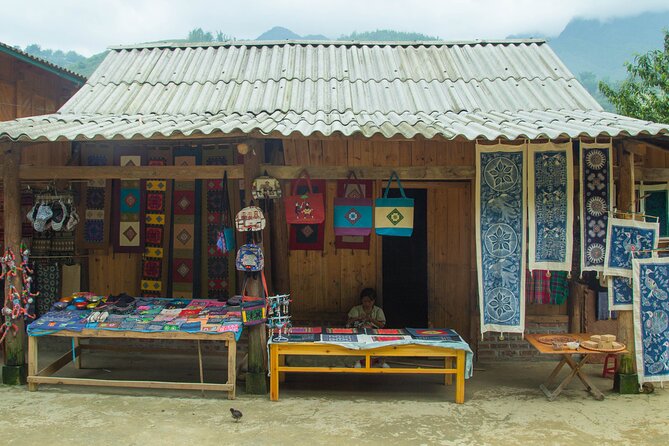
After the first valley entry, the trek climbs into Y Linh Ho, a small Black H’mong village above Muong Hoa Valley. This part is built around a calm start: you get peaceful views, then follow narrow dirt paths along the steep hillside.
This is where the day starts to feel more “trek.” The paths can be tight and less stroller-friendly. If you enjoy walking routes with a gentle sense of adventure—without turning it into a tough scramble—this fits.
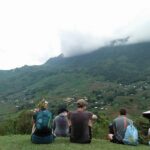
The best part here is the feeling of being above the valley rather than just across it. Y Linh Ho has a “pause and look” rhythm. Your guide can talk about village life and the cultural patterns tied to the land, and you’re not just passing through—you’re taking in the place as it changes around you.
One practical note: if it’s been raining, dirt paths can get slick. Plan for extra foot care. It’s usually manageable, but it’s not the kind of trail you should do in flimsy shoes.
Lao Chai: terraces, village life, and lunch in a local home
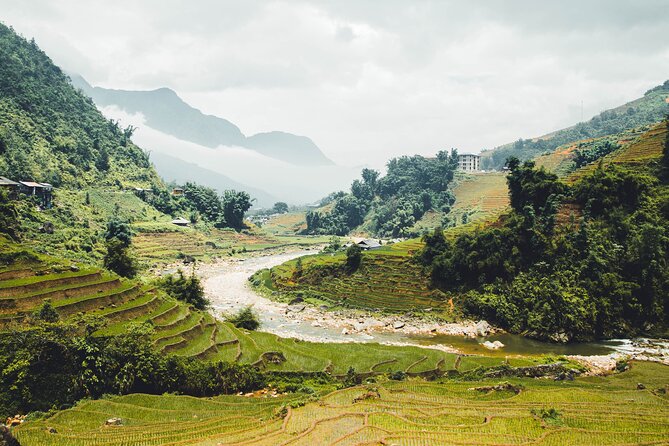
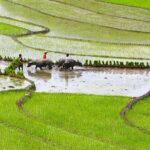
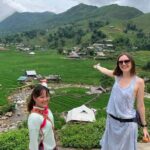
Lao Chai is where the trek turns into a true culture-and-land mix. You arrive at a larger Black H’mong village in the heart of Muong Hoa Valley, and the surroundings open up: terraced views, daily activity, and the everyday rhythm of farming life.
The trek includes a locally prepared lunch here. Reviews and descriptions point strongly to Black H’mong hospitality, with lunch served as part of the experience rather than a boxed takeaway. For me, that’s a key value point. Eating locally is great, but eating with context is better. You can taste flavors from the region and understand how food fits into a village day.
This is also a good place for your guide’s storytelling. One strong theme from guide explanations is traditional crafts and daily practices—especially indigo-blue dyeing—as well as how people work the fields and maintain village traditions. That kind of info turns the scenery into something you can actually interpret.
What to watch for: lunch timing means you’ll probably want to go into this part hungry. If you tend to under-eat before hikes, fix that early in the day. Once the walking continues, you don’t want food to feel like a chore.

Ta Van: Giay stilt houses, river crossings, and a calmer finish
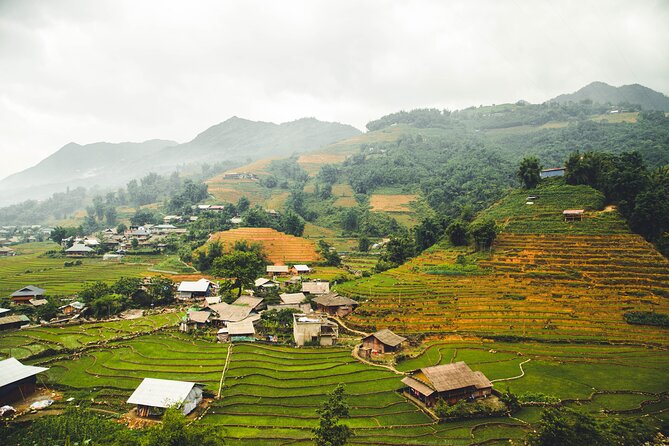
The final leg brings you to Ta Van Village, home to the Giay ethnic group. After terraced paths and river crossings, the mood shifts toward quiet. Ta Van is described as tranquil, and it has that valley-floor feel: stilt houses, fields around you, and mountains holding the background.
This end section matters because it balances the earlier energy. Instead of ending with a rush back down, you finish with breathing space—time to look at how village life fits the valley’s natural layout. If you like walking that ends peacefully, Ta Van delivers.
You’ll likely notice how different the village setting feels compared to the earlier Black H’mong stops. That contrast makes the cultural part of the trek more than a single-note experience. You see how ethnic groups live in different ways across the same valley geography.
If you’re tired, this is still a walking day. But the “calm finish” element is real: you’re not sprinting for a check mark, and the scenery is slower to change. It’s the kind of ending that makes the whole day feel like it made sense.
Pace, paths, and weather: how hard is it, really?
The trek is listed for a moderate physical fitness level and runs about 6 to 9 hours. That range matters in Sapa because conditions change. Some days feel easier; other days demand more careful footing.
The trail is described as easy to follow, which I think is underrated. In mountain areas, good wayfinding is often the difference between a relaxed day and a stressful one. Here, the route planning and guidance help keep you oriented as you move through valleys and between villages.
Expect a mix of:
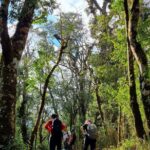
- forest paths
- riverside walks
- terraced viewpoints
- dirt and stone sections
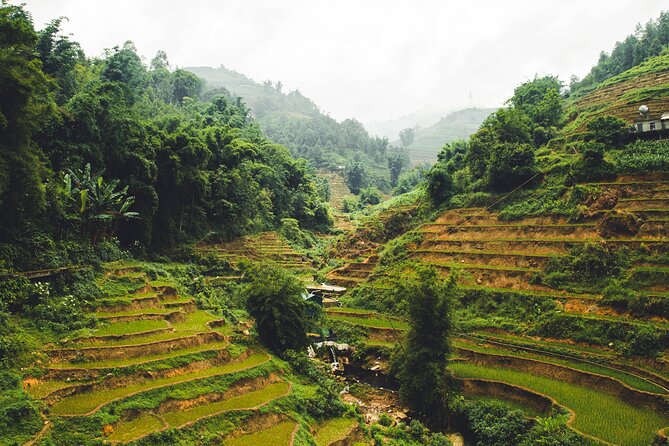
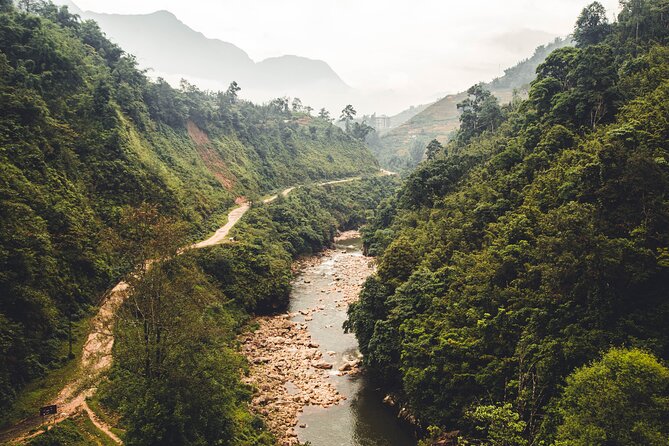
That variety is part of why the day doesn’t drag. Your legs get different kinds of work, and your brain gets different kinds of scenery. Still, there are uneven surfaces and at least some river crossing time. So don’t assume this is “all flat and stroll-able.”
Weather is also part of the equation. The experience requires good weather. If conditions are poor, you may be offered a different date or a full refund, so keep that in mind when you plan around other Sapa activities.
My practical advice: pack for cool mornings and variable afternoon conditions. Then slow down on wet patches. You’ll arrive happier.
Price and value at $29: what you really get
At $29 per person, this is priced as a budget-friendly full-day trekking experience. The value isn’t just the low sticker price—it’s what’s included and how the day is structured.
Here’s what you’re paying for:
- a guided trek through multiple key valley sections
- time with Black H’mong and Giay villagers in their home environments
- a locally prepared lunch in Lao Chai
- vehicle pickup and return back to the meeting point
- a small group cap of 10 people
- a mobile ticket for easy access
That combination matters. Many Sapa “village tours” either focus only on photos and short walks, or they charge more while skipping the lunch-with-context piece. Here, you get the meal as part of the day’s flow, and you spend meaningful time moving between communities.
Also, admission is listed as ticket free for at least one key section, so you’re less likely to hit surprise add-on costs during the hike.
Is it perfect for everyone? No. If you’re chasing a hard, technical workout or a summit-style day, this won’t be that. But for a scenic, culturally grounded valley day that doesn’t drain your budget, the math works well.
FAQ
FAQ
Where does the Highland Harmony Trek start?
The tour starts at Green Sapa Homestay at 3-1 Nguyễn Chí Thanh, TT. Sa Pa, Sa Pa, Lào Cai 31752, Vietnam.
What time does the trek begin?
The start time is 8:30 am.
How long does the experience take?
It takes about 6 to 9 hours.
How many people are in the group?
The group is capped at a maximum of 10 travelers.
What ethnic communities will you visit?
The trek includes interactions with Black H’mong and ends in Ta Van, a village home to the Giay ethnic group.
Is lunch included?
Yes. There is a locally prepared lunch in Lao Chai.
What kind of ticket do you use?
You’ll use a mobile ticket.
What fitness level is required?
You should have moderate physical fitness since there is trekking on paths and includes walking time between villages.
What if weather is poor?
The experience requires good weather. If it’s canceled due to poor weather, you’ll be offered a different date or a full refund.
Should you book the Highland Harmony Trek in Sapa?
If you want a Sapa day that’s both scenic and genuinely people-focused, I’d book it. The route makes sense for a full day: valley walking in Muong Hoa, a calmer start at Y Linh Ho, village life and lunch in Lao Chai, and a slower finish in Ta Van. The small group size and the focus on home-environment interactions are a big part of why this one feels worth your time.
Skip it if you’re looking for a very strenuous hike or if you hate uneven ground. Also, plan around the weather requirement—Sapa can be moody, and you don’t want your whole schedule thrown off.
If you match the moderate-walking mood and want real valley culture along the way, this trek is a strong choice for the money.