REVIEW · KATHMANDU
Annapurna Circuit Trekking: 15 days
Book on Viator →Operated by Himalayan Trekking Path (P). Ltd. · Bookable on Viator
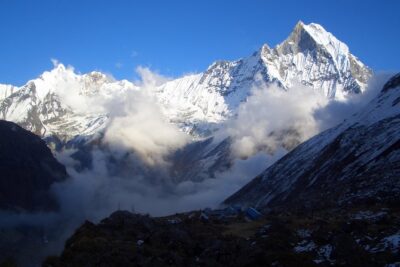
Thorong La at 5,416m changes your altitude story. This 15-day trek loops through the Annapurna region, building from hill country to big views, with a highlight at Thorong La and long sightlines toward the Kali Gandaki gorge. You also get a front-row seat to Nepal’s everyday mountain life inside the Annapurna Conservation Area.
I love the practical support built into the plan: 3 meals a day on trek days and a professional guide plus private transportation between main places. I also like that the trip doesn’t just start hiking—your Kathmandu day includes Pashupatinath, Boudhanath, Swayambhunath, and Kathmandu Durbar Square, so you get context for what you’ll see later on the trail.
The main consideration is the altitude and the pace. The schedule climbs steadily to the pass, so you need solid moderate physical fitness and you should take the Manang rest day seriously.
In This Review
- Quick takeaways before you commit
- Kathmandu first: temples, context, and an easier start
- Khudi to Sirung to Jagat: easing into the trek rhythm
- Dharapani and Chame: stepping higher through classic trekking villages
- Pisang to Manang: big altitude, bigger views, and a rest day that counts
- Yak Kharka to Thorong Phedi: preparing for the 5,416m pass
- Muktinath via Thorong La (5,416m): the day that defines the circuit
- Tatopani and Pokhara: recovery in the real world
- Guides and service quality: what the people behind the trek do
- Price and value: what $1,300 covers on the Annapurna Circuit
- Who should choose this Annapurna Circuit trek (and who should pause)
- Should you book this 15-day Annapurna Circuit trek?
- FAQ
- What time does the trek start each day?
- How long is the Annapurna Circuit trekking program?
- What’s included in the price for $1,300 per person?
- What is not included during the trip?
- What is the highest point on this trek?
- Is this a private trek or shared group?
- If the weather turns bad, what happens?
Quick takeaways before you commit
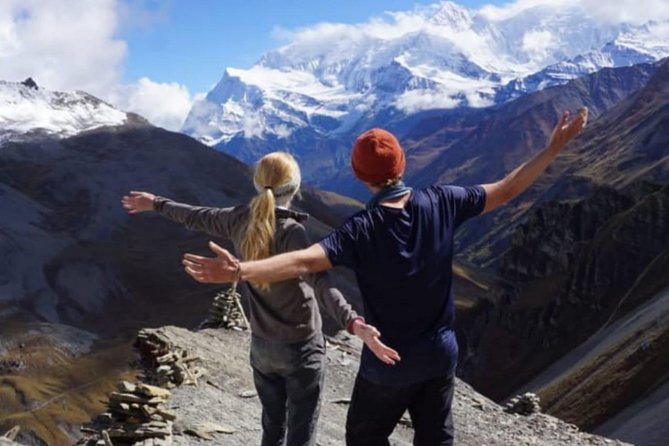
- Thorong La 5,416m is the big moment, with the climb staged through higher overnight points
- Manang rest day helps you acclimatize instead of pushing too fast
- Guide-led support matters on cold mornings and tough sections (the program has experience with altitude support)
- Private Kathmandu + Pokhara transfers reduce the hassle before and after the trek
- Meals and hotels are covered so your budget stays steadier on trail
Kathmandu first: temples, context, and an easier start
Your trek begins in Kathmandu, and the first day is the quiet kind of arrival: private car transfer to Hotel Dream City. No frantic navigation, no figuring out transport after a flight.
Then you get a guided sightseeing day built around major spiritual and historic sites: Pashupatinath, Boudhanath, Swayambhunath, and Kathmandu Durbar Square. This matters more than it sounds. When you later meet villagers on the trail or pass monasteries in the Annapurna region, you’re not starting from zero. You have the basics of Nepal’s religious landscape (literally, in the structures you visited) and the cultural logic behind them.
Timing is also thoughtful: the sightseeing day runs around 7 hours, by private car with a professional guide. That gives you enough time to see the highlights without turning the day into a rushed checklist.
You can also read our reviews of more tours and experiences in Kathmandu.

Khudi to Sirung to Jagat: easing into the trek rhythm
The program uses a long drive transition—on day 3 you head to Khudi (800m) by private transport. That big drop in elevation and early repositioning can feel like a lot, but it’s also how the trek starts building its range of terrain.
Day 4 is your first true hike of the circuit segment, trekking to Sirung (2200m). Expect a full day effort (around 7 hours), which is a solid way to wake up your legs before the longer, higher stretch. The payoff is that you start gaining altitude while still being near your comfort zone for pace.
On day 5 you trek down to Jagat (1300m). That up-and-down pattern is key on the Annapurna Circuit: the trail often forces you to adjust continuously. Going lower after going higher can feel like a detour, but it’s part of the body-training process before harder climbs.
Dharapani and Chame: stepping higher through classic trekking villages
Day 6 takes you to Dharapani (1960m) in about 7–8 hours. This section tends to feel like your legs are working steadily without yet demanding the biggest energy spikes. You’ll get used to the rhythm: steady walking, frequent breaks, and the constant awareness that the air is thinning a little more each day.
Day 7 brings the climb to Chame (2710m) (about 5–6 hours). This is where the trekking starts feeling more alpine. You’ll likely notice colder mornings, stronger shadows, and more dramatic valley views as you move higher and the terrain opens up.
If you’re the kind of traveler who gets nervous about altitude, this middle band is a good reality check. You’re not at the pass yet, but you’re also past the easy warm-up stage.
Pisang to Manang: big altitude, bigger views, and a rest day that counts
On day 8 you trek to Pisang (3300m) for around 5–6 hours. This elevation makes the air feel different, and it changes how you walk. You’ll tend to slow down naturally, and that’s not failure—it’s how to stay efficient. The circuit rewards patience more than speed.
Day 9 brings you to Manang (3519m) (about 6–7 hours). This is a key stop. Manang isn’t just a place to sleep; it’s where acclimatization becomes a real strategy. You’ll be above 3,500 meters, and the body starts reacting to altitude in small ways—breath, sleep, appetite. You want those changes to stay manageable.
Day 10 is a rest day in Manang, and I’m glad this program includes it. Rest days are not wasted time on high treks. They help reduce altitude stress and give you a chance to adjust your pace for the final climb to the pass.
Where this plan gives you value is that it doesn’t treat the rest day as optional. You don’t have to invent your own acclimatization schedule. You simply have one built into the route.
Yak Kharka to Thorong Phedi: preparing for the 5,416m pass
Day 11 is a short trek to Yak Kharka (4110m) (about 4 hours). Even though it’s shorter, the altitude is the challenge. This is one of those days where you’ll likely feel each step more than you expect. Short doesn’t mean easy.
Day 12 moves you to Thorong Phedi (4600m) in about 4 hours. Overnight here is part of the pass strategy: it puts you close to the summit crossing area so the hardest elevation work is staged. You’re also setting up for the early-hours push that typically comes with crossing a high mountain pass.
At this stage, your packing and hydration habits start to matter. You want to have what you need for cold conditions, and you’ll feel better if you keep your routine calm rather than scrambling at the last moment.
Muktinath via Thorong La (5,416m): the day that defines the circuit
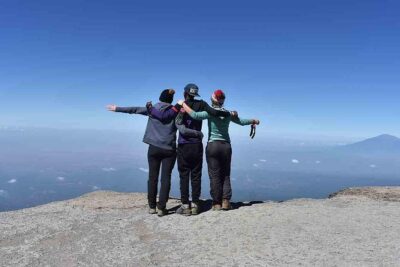
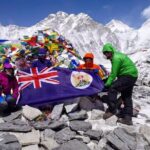
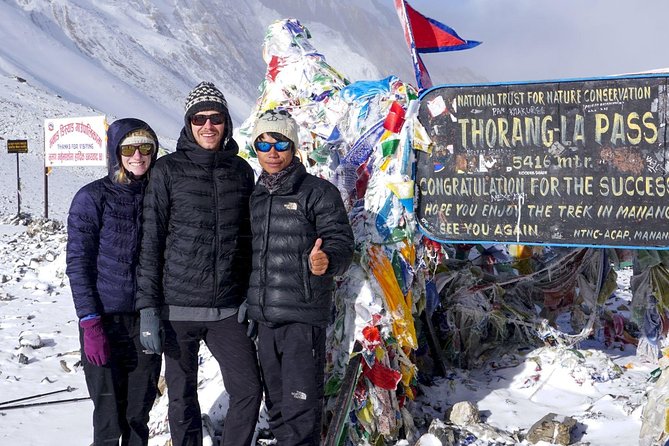
Day 13 is the headline day: trek to Muktinath via Thorong La Pass (5416m), around 6–7 hours. This is the altitude climax at the heart of the Annapurna Circuit. Even experienced hikers slow down here, because the goal isn’t to prove toughness; it’s to cross safely and keep breathing steady.
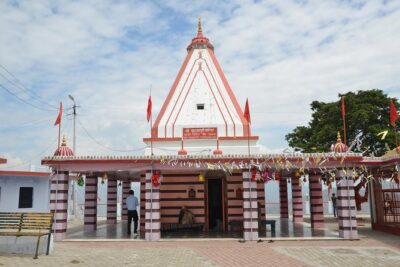
Once you reach Thorong La (5,416m), you’ve effectively proven the route’s promise: high altitude, big views of the Annapurna massif and the wider ranges, and a sense of being inside the mountain world. Then you keep moving to Muktinath, a spiritual stop that gives the day meaning beyond the numbers.
This is the part of the trek where your guide’s judgement matters. A good guide helps you read weather, pace the group, and keep everyone from treating the pass like a race.
I also like that the trek isn’t described as a one-size-fits-all grind. In the real world, conditions change. In past experiences with this operator, the team has organized alternative itineraries when someone couldn’t finish the full route, with options like connecting onward travel experiences around Pokhara. That kind of flexibility can matter if you’re unlucky with weather or you’re just not coping with altitude as planned.
Tatopani and Pokhara: recovery in the real world
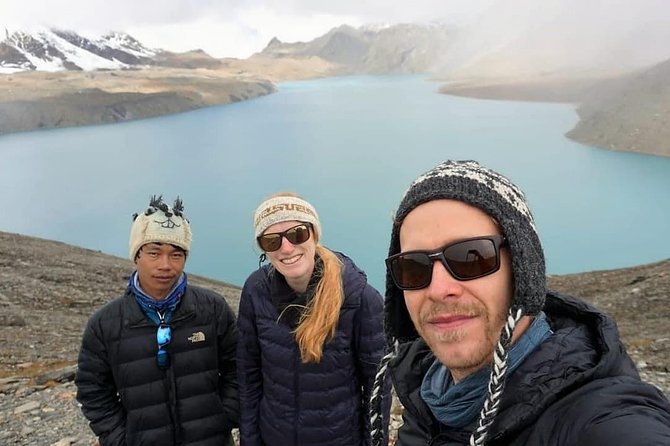
Day 14 drives to Tatopani (1200m). That drop in elevation is huge. It usually feels like the reward phase: you’ve crossed the pass, you’ve worked hard at high altitude, and now you get to come down to a more comfortable range. Tatopani is also known for relaxation, and after a hard trek day, a lower elevation stop feels like a reset button.
Day 15 continues to Pokhara. This end phase is important because it turns your trek from a set of mountain days into an actual trip. Pokhara is where you can sleep without bracing for cold altitude mornings, and it’s where the trip narrative becomes complete: Kathmandu for cultural context, the circuit for high-country effort, and Pokhara for recovery and reflection.
You’ll stay in Pokhara at Crystal Palace Hotel for two nights (as part of the included accommodations).
Guides and service quality: what the people behind the trek do
The trek includes a professional guide, and the human support you get can make a big difference when you’re tired and elevation is biting. Names that have come up in connection with this program include Ramhari Neupane (operator/manager), plus guides such as Dendi and Shiva. Porters have also been credited for careful support—one porter named Susan was specifically praised for taking good care of trekkers during high-altitude hiking.
What I take from that is simple: it’s not only about knowing the trail. It’s about how the group is managed when weather shifts, when someone needs an extra pace adjustment, and when the cold morning grind makes people impatient.
You’ll also benefit from private group structure. This is a private tour/activity, so it’s only your group, not a mixed free-for-all. That usually means less waiting, fewer confusion points, and more direct communication.
Price and value: what $1,300 covers on the Annapurna Circuit
At $1,300 per person for about 15 days, the value hinges on what’s included, not just the headline number. Here, the big value items are:
- 3 meals (breakfast, lunch, dinner) on the trek days
- Private transportation for key segments (Kathmandu arrival, transfers around the trek, and end connections)
- Professional guide
- Hotels: 2 nights in Kathmandu at Hotel Dream City and 2 nights in Pokhara at Crystal Palace Hotel
- All fees and taxes included
That package reduces your daily spending on the most expensive phase: the mountain days where you’d otherwise be paying for everything piecemeal. It also reduces decision fatigue. You don’t have to figure out lodging at every stop or coordinate transport between zones.
What’s not included is where you need to plan your budget:
- Drinks (water, tea/coffee, beer, soft drink)
- Nepal visa fee
- International and domestic airfares
- Travel insurance
- Tips
- City meals and drinks
- Personal expenses like recharge cards, extra porters, laundry, and items like hot water and showers if those come up for you
If you’re the kind of traveler who prefers to travel with flexibility, build in extra buffer for drinks and personal gear needs. Even when lodging is included, cold days can increase what you’ll want to buy on the spot.
Who should choose this Annapurna Circuit trek (and who should pause)
This trek suits people with moderate physical fitness who want the full Annapurna Circuit experience: high pass crossing, cultural stops, and a structured acclimatization plan with a rest day in Manang.
It also fits well if you want the “less logistics, more trekking” style. Private transportation and guided city sightseeing mean you aren’t spending your first days in Nepal wrestling with transit.
You might want to think twice if you’re nervous about altitude but hoping to wing it. The climb to Thorong La (5,416m) isn’t forgiving. The schedule has rest and staged elevation points, but the pass remains the pass.
If you have safety concerns or medical limitations, I strongly suggest you discuss them before booking. A clear plan beats optimism.
Should you book this 15-day Annapurna Circuit trek?
Yes, if you want a well-supported Annapurna Circuit with meals, guide, and key hotels included, plus private transfers that keep the trip smooth from Kathmandu to Pokhara. The route’s built-in acclimatization with a Manang rest day and staged higher nights makes it easier to take altitude seriously.
I’d also book if you value structured guidance from experienced people like Ramhari Neupane and guides such as Dendi or Shiva, especially on the pass day.
Skip it or get more advice first if you want a low-effort trek or you’re uncertain about handling cold and altitude at 5,416m. This is the real mountain work, and the best experience comes when you come prepared.
FAQ
What time does the trek start each day?
The meeting point lists a start time of 6:15 am.
How long is the Annapurna Circuit trekking program?
It’s listed as 15 days (approx.).
What’s included in the price for $1,300 per person?
The included items are 3 meals (breakfast, lunch, dinner), private transportation, all fees and taxes, a professional guide, and hotel stays: 2 nights in Kathmandu at Hotel Dream City and 2 nights in Pokhara at Crystal Palace Hotel.
What is not included during the trip?
Not included are drinks (including water, tea/coffee, and other beverages), Nepal visa fee, international and domestic airfares, travel insurance, extra nights and extra activities, tips, and personal expenses (such as recharge cards, batteries, extra porters, laundry, and possibly hot water and shower costs).
What is the highest point on this trek?
The trek crosses Thorong La Pass at 5,416m and then continues to Muktinath.
Is this a private trek or shared group?
It is a private tour/activity, so only your group will participate.
If the weather turns bad, what happens?
The experience requires good weather. If it’s canceled due to poor weather, you’ll be offered a different date or a full refund.