REVIEW · KATHMANDU
Manaslu Circuit Trek
Book on Viator →Operated by Touch The Himalaya Treks & Expedition · Bookable on Viator
Crossing Larkya La changes your breathing. The Manaslu Circuit trek is a quieter, restricted-area route with big mountain payoff, plus Tibetan-influenced villages and monastery stops along the Budhi Gandaki valley. I really like that the company takes care of the permit setup and local planning with an expert Manaslu local guide.
My second favorite part is the day built around Larkya La: early start, slow climb, huge views at the pass, then a long descent to warmer legs. The main drawback is comfort runs basic: WiFi, battery charging, and hot showers are not included, so you’ll need to budget extra and manage expectations in teahouses.
In This Review
- Key highlights I’d circle on your planning map
- Manaslu Circuit Trek: quiet, remote, and regulated in the best way
- Price and value: what the $589 actually buys you
- Getting from Kathmandu to Machha Khola: the first big travel day
- Days 1 to 5: Budhi Gandaki valley walking and the step-up to higher villages
- Days 6 to 8: Samagaon/Sama, Shyala viewpoints, and Samdo acclimatization
- Days 9 to 10: Dharmasala, Larkya La pass, and the payoff at about 5,100m
- Day 11 to 12: Bhimtang sunrise, Tilje, and the ride out to Besisahar
- Teahouses and comfort: what to expect when the trail runs remote
- Guides and organization: why the trek feels smooth day to day
- Should you book this Manaslu Circuit Trek?
- FAQ
- Where does the trek start and where does it end?
- How long is the Manaslu Circuit Trek?
- What is included in the $589 per person price?
- Do you provide a guide, and do permits require one?
- Is WiFi or a hot shower included during the trek?
- Can I buy meals during the trek?
- Is a porter available, and what is the weight limit?
- What is the hardest day on the route?
- What fitness level do I need?
- What is the cancellation policy?
Key highlights I’d circle on your planning map
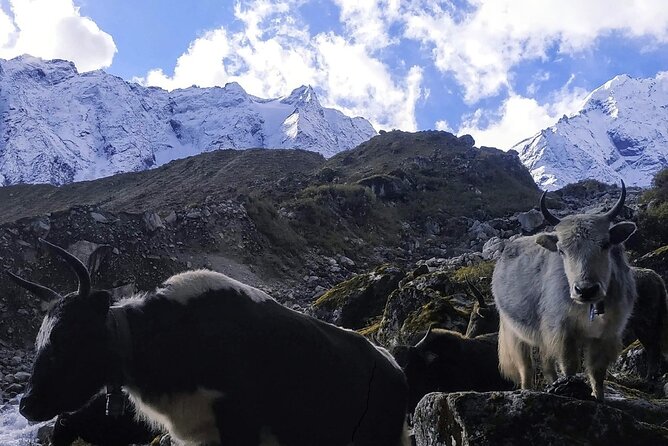
- Restricted-area trekking means fewer crowds and more protection inside the Manaslu Conservation Area
- Larkya La crossing (about 5,100m) is the trip’s signature challenge and photo moment
- Teahouses on the route let you keep moving without hauling camping gear
- Acclimatization days around Samagaon/Samdo make the pass day more realistic
- Named guides in real feedback like Roshan, Kumar Neupane, Bishnu, Raju, and Arjun point to strong support in the mountains
Manaslu Circuit Trek: quiet, remote, and regulated in the best way
Manaslu is remote on purpose. This trek runs through the Manaslu Conservation Area and a restricted zone, which means you are not just walking because you feel like it. You’re doing it with the right paperwork and a registered guide, so the route stays well preserved and less crowded than many “main trail” treks.
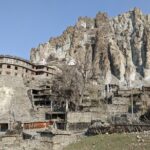
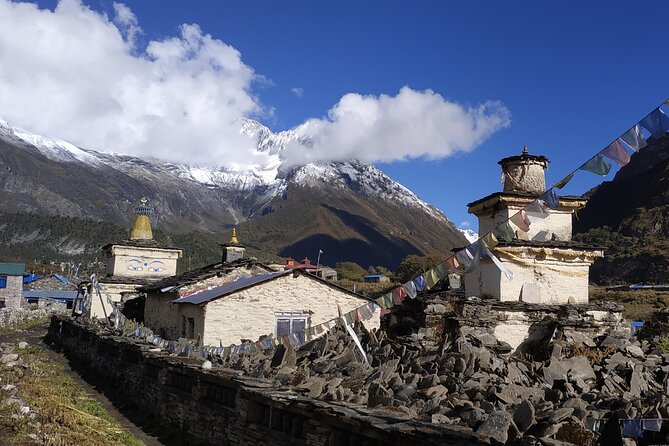
You’ll also get a real mix of cultures as you go. The route passes Tibetan-influenced villages and monasteries, and you’ll see things like mani walls (stones with Buddhist prayers) and repeated mountain-style prayer markings along the way. It adds texture to the scenery, not just extra scenery.
Wildlife is part of the reason this area stays protected. The trek is described as a home for rare species such as snow leopards and red pandas, and while you’re not guaranteed a sighting, it shapes the feel of the region: more wild, less manicured.
You can also read our reviews of more tours and experiences in Kathmandu.
Price and value: what the $589 actually buys you
At $589 per person for about 12 days, the value is mostly in logistics and the official setup. Your price covers Kathmandu airport pickup/drop-off, transport between Kathmandu and Machha Khola, and the way back after the trek. It also includes the permits listed for Manaslu and the required cards (TIMS plus conservation/restricted permits), plus taxes and agency fees.
You also get staffing support: an expert Manaslu local guide and assistance guide structure (the plan states one assistance guide for every five trekkers). In the feedback themes, people repeatedly credit guides such as Roshan and Arjun for smooth day-to-day handling and attention to timing.
What is not included matters for budgeting. Meals, drinks, and accommodation during the trek may cost extra (the listing says they can be provided for an additional charge), and WiFi, battery charge, and hot showers are not included. So treat $589 as your “full organization” cost, then plan a separate daily budget for teahouse life.
Getting from Kathmandu to Machha Khola: the first big travel day
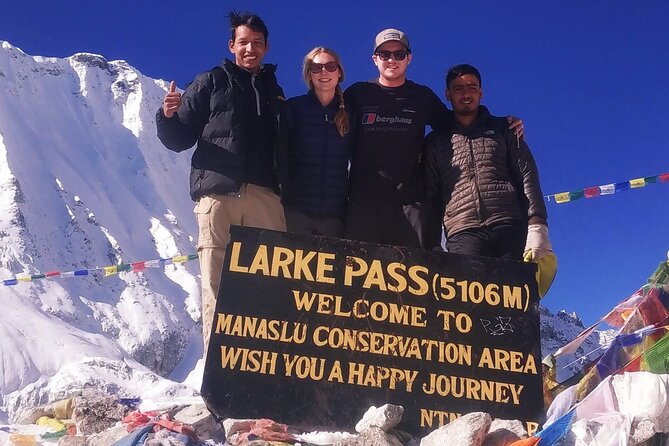
Your trip meets in Kathmandu, then you’re picked up early for the road transfer. The start time is 6:45 am, and you’ll travel by bus or jeep to Machha Khola, the main launch point for the trek. Expect around six hours of driving to get you to where the Manaslu area begins.
Machha Khola itself is a tiny riverside town on the Bhudhi Gandaki River. It’s also known for local trade from the northern part of Gorkha District, and the town has both Buddhist and Hindu communities. Practically, it’s your first chance to see how life connects to the valley before you step onto the trail.
That first evening is at Machha Khola Hotel. After a travel-heavy day like this, I’d use the time to confirm your boot comfort and pack your pass-day gear where you can grab it fast.
Days 1 to 5: Budhi Gandaki valley walking and the step-up to higher villages
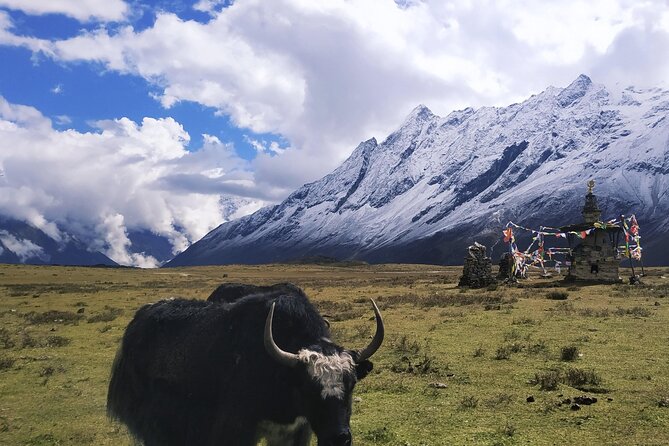
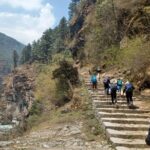
The trek rhythm starts gentle and then starts climbing in chunks. You’ll keep moving alongside the Bhudhi Gandaki River for stretches, with bridges, forest paths, and occasional village transitions.
Machha Khola to Jagat (about 7 hours) is a classic start. You’ll trek through forest with potential wildlife sightings like monkeys, birds, and deer. You’ll also pass waterfalls and a mani wall, then finish in Jagat, a small stop village set at the foot of the Ganesh Himal.
Jagat to Philim and Deng (about 6 hours) includes suspension bridges again, and the day is described as a relatively easy progression. The walking goes gently uphill at first, then you reach plateau-like sections, then cross into Philim, continuing uphill until you reach Ekle Bhatti and down to Deng.
Deng to Namrung (about 6 hours) has the “up-down rhythm” feel that keeps the trek interesting. You head down to the riverside, cross, then climb toward Ranagoan and Bihi Phedi. After the trail splits around Ghap, you take the right route to Ghap village before climbing up to Namrung.
Namrung to Lihi and Lho (about 6 hours) is where the hike gets more serious in your legs. The route goes through oak, fir, and rhododendron forest and includes a permit check post. You’ll reach Lho at about 3,280 meters, with a lunch stop in Lho and your lodge dinner afterward.
A small planning tip: this section is where you can get picky about layers. If you’re too hot early, the sun can turn you into a sweaty mess before the afternoon shade comes in.
Days 6 to 8: Samagaon/Sama, Shyala viewpoints, and Samdo acclimatization
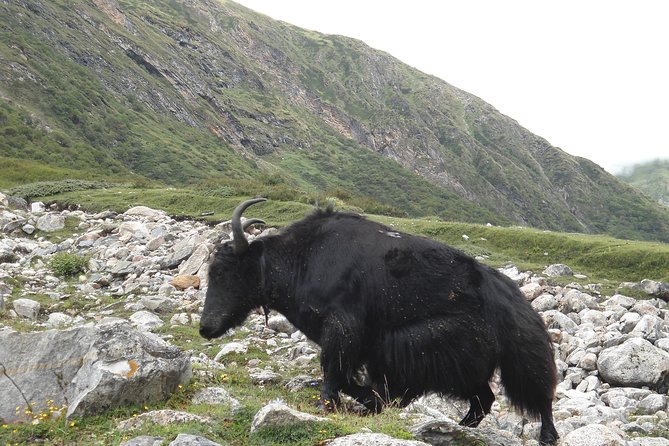
These days are built for altitude management. You’re still hiking, but the schedule gives you a chance to adjust before the big pass day.
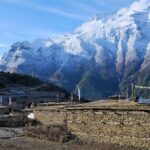
Lho to Sama/Samagaon (about 5 hours) includes a stop in Shyala for wide views. From here, you’re in the zone where you can start clearly seeing peaks like Manaslu, Himal Chuli, Nadi Peak, Naike Peak, Kutang Himal, and Pangbuche Himal. The plan highlights Shyala as a standout 360-degree viewpoint area.
You also get an official acclimatization-style day.
Sama to Pungen Gumpa or Birendra Lake area (about 2 hours for the main hike) is described as optional choices. You can hike around Birendra Lake and Manaslu Base Camp area, or choose Pungen Gumpa. This is the day I’d use for pacing practice: go slow enough that you can finish feeling okay, not wrecked.
Then you move to the high camp-feel village.
Sama to Samdo (about 4 hours) climbs gradually due to elevation. Samdo is described as a Tibetan refugee camp, and there’s an optional hike up to Samdo Peak if you have the stamina. This is also your last major “setup” stretch before the Larkya La sequence, so keep your daypack light and your rest non-negotiable.
Days 9 to 10: Dharmasala, Larkya La pass, and the payoff at about 5,100m
This is the signature part of the whole trek. The schedule splits the pass effort into a preparation night and an early crossing.
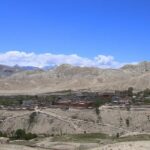
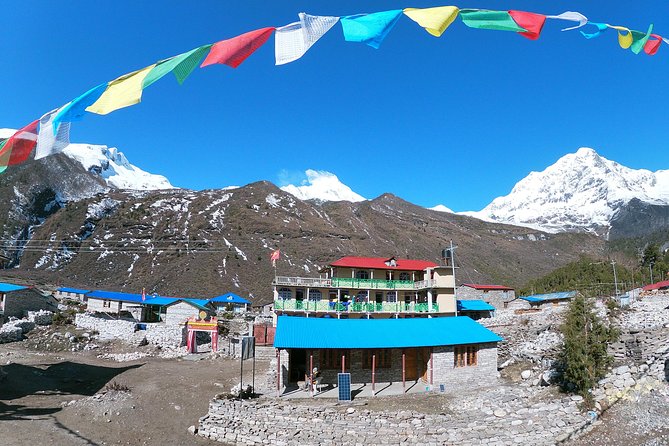
Samdo to Dharmasala / Larkya Phedi (about 4 hours) moves you toward the base of Larkya La. The walking is described as a slow upward trail, with an overnight stop in Dharmasala. The area is also known as Larke Bazaar nearby, and you’ll pass a seasonal Tibetan market plus monasteries along the way.
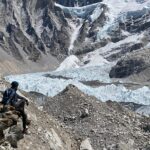
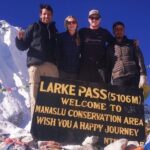
Dharmasala to Larkya La and down to Bhimtang (about 8 hours) is the crucial day. You wake up early, start climbing gradually, and reach the pass after steady walking. You take breaks to enjoy the views, then you descend to Bhimtang for the overnight.
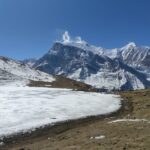
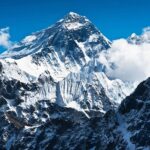
From Larkya La, you can see mountains listed in the plan such as Cheo Himal, Gyaji Kung, Kang Guru, and Annapurna II. Plan for chilly air and slow movement around the pass. I’d treat this day like a marathon: steady breathing, short pauses, and no hero rushing.
Also, camera battery power is a real issue at altitude. The plan even flags it directly—start with fresh batteries and keep them warm in an inner pocket.
Day 11 to 12: Bhimtang sunrise, Tilje, and the ride out to Besisahar
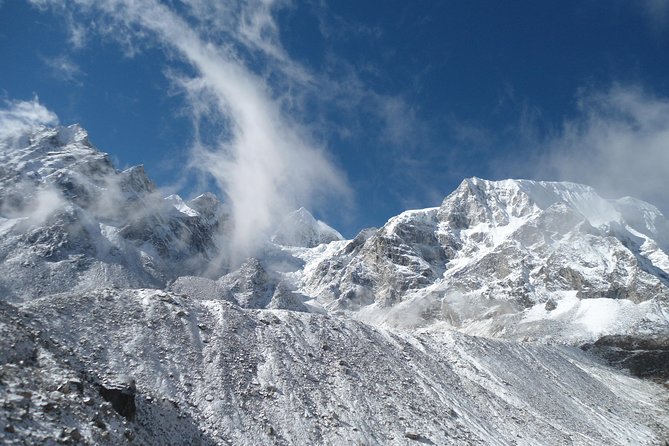
After the pass, the trek turns into long downhill hours. That sounds easier, but it can be rough on knees, so you’ll want proper hiking poles and good foot control.
Bhimtang to Ghoa to Tilje (about 5 hours) is mostly downhill for much of the day. The plan includes an early start suggestion for sunrise views from a teahouse in Bhimtang. You reach Ghoa after around four hours, then keep descending to Tilje, where you sleep.
Tilje is also noted as having decent lodging and sometimes free WiFi after you’re down from the mountain. Not every day on this trek is wired, so this is a nice reward for finishing the big altitude push.
Tilje down to Dharapani, then jeep to Besisahar (about 7 hours total walking plus driving) finishes the circuit. You follow the trail down to Dharapani at the confluence of the Marsyangdi and Trishuli rivers, have lunch in Dharapani, then arrange a jeep ride of around two hours to Besisahar and check into a hotel.
For me, this last day is when you should focus on recovery. Stretch, hydrate, and then eat something you would normally skip because you wanted to stay light on the trail.
Teahouses and comfort: what to expect when the trail runs remote
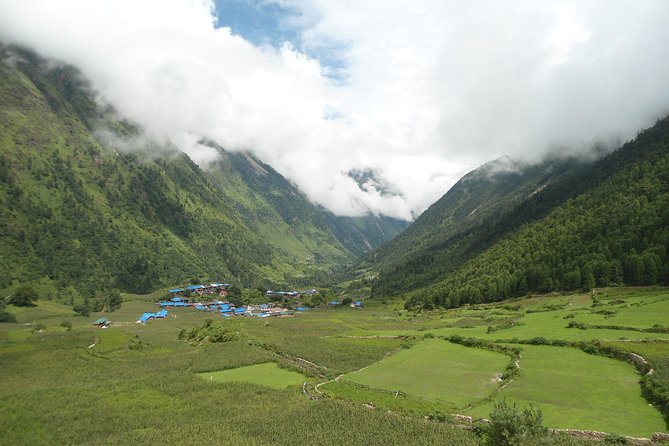
Manaslu Circuit Trek uses teahouses, so you’re not camping every night. The plan explicitly notes that teahouses provide essential facilities, which is a big deal in a restricted, remote area.
But the comfort package is basic. WiFi, battery charge, and hot showers aren’t included in the trip plan. That means if you care about phone life, download offline maps and entertainment before you leave Kathmandu, and bring a power bank.
Meals during the trek are available for purchase at tea houses, and the listing also says foods, drinks, and accommodation can be provided with an additional charge. My advice: decide your preference early. If you want less decision fatigue, pay for included teahouse support (if offered). If you want freedom, budget for purchasing meals daily.
Also consider using snacks. The plan suggests carrying lite snacks and energy bars for long trekking days. In practice, it helps you stay consistent between meals when you’re pushing through long stretches.
Finally, think about a porter. A porter is optional, can be shared by 2–3 trekkers, and the limit is stated as 20 kg. If you’re carrying camera gear plus layers, a shared porter can be a smart way to keep your legs fresh for pass day.
Guides and organization: why the trek feels smooth day to day
The logistics are a big part of why this trek gets strong feedback. The trip is described as having pickup and transport coordination, permits handled as part of the package, and an expert local guide leading the route.
Names show up again and again in feedback: Roshan and Arjun for attentive support and flexible timing, and Madan as an organizer who answers questions and handles planning well. Other guides called out include Kumar Neupane, Bishnu, and Raju. Porter support is also credited by name in feedback, such as Summer Manasolu Ghale and Niran.
What you should take from that pattern is simple. You want a guide who can manage pacing for the group, handle the paperwork flow, and keep you moving without rushing the mountain. On a high pass trek like Larkya La, that balance matters more than fancy promises.
Should you book this Manaslu Circuit Trek?
Book it if you want a remote trek with a real challenge. You’ll get Tibetan-influenced villages, monasteries, river-valley walking, and a defining Larkya La pass day around 5,100m. The restricted-area setup means fewer crowds and a more protected trekking experience.
Think twice if your priority is creature comforts. Expect teahouse basics, and plan for extra costs for meals and comfort extras like hot showers and charging. Also, the route requires solid fitness and stamina for steep days and the pass crossing.
If you’re the kind of person who likes mountain days with breathing space between villages, this trek is a strong match. Get your layers right, bring snacks, protect your batteries, and let the guide manage the pace. You’ll come home with the kind of mountain memory you can’t fake with photos.
FAQ
Where does the trek start and where does it end?
The trek begins in Machha Khola, after transfer from Kathmandu. The activity ends back in Kathmandu at the meeting point, with the trekking route finishing around Besisahar after a jeep from Dharapani.
How long is the Manaslu Circuit Trek?
The duration is listed as 12 days approximately.
What is included in the $589 per person price?
Included items are Kathmandu airport pickup and drop-off, transport between Kathmandu and Machha Khola, ACAP and MCAP permits plus Manaslu Restricted Area Permit and TIMS card, an expert local guide (including his meals, accommodation, salary, and insurance), and an achievement certificate. Local taxes and agency service charges are also included.
Do you provide a guide, and do permits require one?
Yes. This restricted trek requires a registered guide, and the tour includes an expert Manaslu local guide as part of the package.
Is WiFi or a hot shower included during the trek?
WiFi and hot shower are not included. Battery charging is also listed as not included, so plan for limited electricity access.
Can I buy meals during the trek?
Yes. Meals can be bought at tea houses along the route. Foods, drinks, and accommodation during the trek may be available with an additional charge depending on your preference.
Is a porter available, and what is the weight limit?
A porter can be arranged optionally. The plan states that a porter can be shared by 2–3 trekkers and has a 20 kg limit.
What is the hardest day on the route?
The most demanding day is the Larkya La pass crossing, which is scheduled early and then followed by a descent to Bhimtang. The pass is around the 5,100m range.
What fitness level do I need?
The listing says travelers should have a moderate physical fitness level and also indicates a strong physical fitness level is required. The itinerary includes multiple full hiking days plus a high pass crossing.
What is the cancellation policy?
Free cancellation is allowed up to 24 hours in advance of the experience start time for a full refund. If you cancel less than 24 hours before, the amount paid is not refunded.