REVIEW · AREQUIPA
2 Day Trek Including Transfer to Puno / Colca Canyon
Book on Viator →Operated by Trek The Colca · Bookable on Viator
Colca Canyon can feel huge, even on a tight schedule. This tour threads the needle: you hike into the canyon, sleep in the Colca area, and then get a one-way transfer to Puno so you don’t waste another day on transport.
I especially like the way the day is paced around the views: you get the Condor’s Cross viewpoint in the morning and then the main trek timing puts you into the canyon before late afternoon. I also like the small-group setup (max 12), which means the guide can actually keep an eye on your pace and footing on the descent and the next-day climb.
One heads-up: this is not a casual walk. Day two’s uphill grind is genuinely demanding, and the basic canyon lodging is exactly that—basic (think limited comforts and no guarantee of hot water).
In This Review
- Quick hits before you go
- Why this 2-day Colca trek ends in Puno (and not back in Arequipa)
- The early start in Arequipa: what 3:00 am really means
- Morning views around Chivay: Plaza de Armas and Condor’s Cross
- Day 1 route: from the drive to the canyon descent to Sangalle
- The Sangalle recovery zone: warm pool time and canyon bungalows
- Day 2 starts before sunrise: the torch-lit climb to Cabanaconde
- Hot springs Chacapi: optional soaking near Chivay
- Pampa Cañahuas reserve: camelids and volcano views on the way to Puno
- The logistics of getting to Puno by 18:30
- Meals and lodging: included basics, plus the things you pay for
- Price and value: when $179 is fair, and when to compare
- Who this Colca trek suits best (and who should think twice)
- Practical tips to make the hike feel easier
- Should you book this 2-day trek and transfer to Puno?
- FAQ
- What time does the tour start in Arequipa?
- How long is the trek, overall?
- What is the day one downhill route like?
- Where do you sleep overnight?
- Are meals included?
- Do I need to pay entrance fees?
- Is the Chacapi hot springs visit included?
- What’s the stop for wildlife on the way back?
- What time do you arrive in Puno?
- Is the tour refundable if I cancel?
Quick hits before you go
- Small group, hands-on guidance with a max of 12 travelers, so you get more attention on steep sections
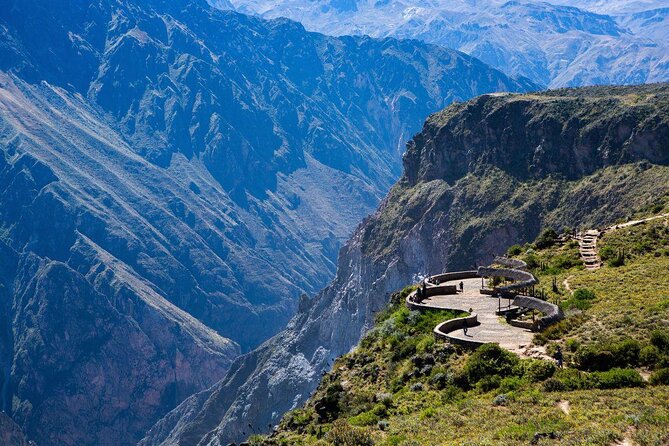
- Condor’s Cross in the morning for a real chance at Andean condors overhead
- Downhill to Sangalle on day one (you’ll drop from about 3300m to around 2100m), then recover with a warm pool
- Sangalle sleepover with dinner and bungalows at about 1900m
- Torch-lit early climb on day two back toward Cabanaconde at sunrise
- Transfer to Puno included after the hot springs and the Pampa Cañahuas camelid stop
Why this 2-day Colca trek ends in Puno (and not back in Arequipa)
Most Colca trips either stay in the Colca area and send you back to Arequipa, or they tack on extra transit days. This one is built for efficient routing: you start from Arequipa, trek the canyon, then finish with a Chivay to Puno transfer by late afternoon/early evening.
For you, that means less schedule juggling. You can do the famous canyon on a short timeline and still keep moving toward Lake Titicaca. It also keeps the trip feeling cohesive—Colca in day one and day two, then Puno as the “reward” stop once the hiking is done.
You can also read our reviews of more tours and experiences in Arequipa.
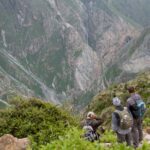
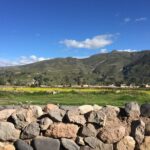
The early start in Arequipa: what 3:00 am really means
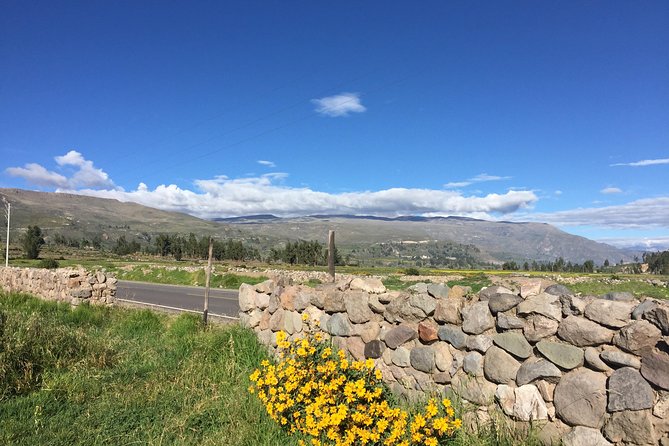
The tour start time is listed as 3:00 am, and the first day includes very early departures from Arequipa (between 3:00 and 3:30). In practice, that’s the kind of start that forces you to be smart about sleep and breakfast logistics—so you’re not trying to function on empty.
You’ll ride toward Chivay/Colca with breakfast and viewpoint stops along the way. Arrival for breakfast in Chivay is around 7:30 am, which is early enough that you’ll still feel the morning air, but late enough to make the “long first day” more tolerable.
If you hate waking up in the dark, plan on leaning on travel basics: charge your phone fully the night before, bring a layer (it can still feel cool early), and keep your most-needed items within reach.
Morning views around Chivay: Plaza de Armas and Condor’s Cross
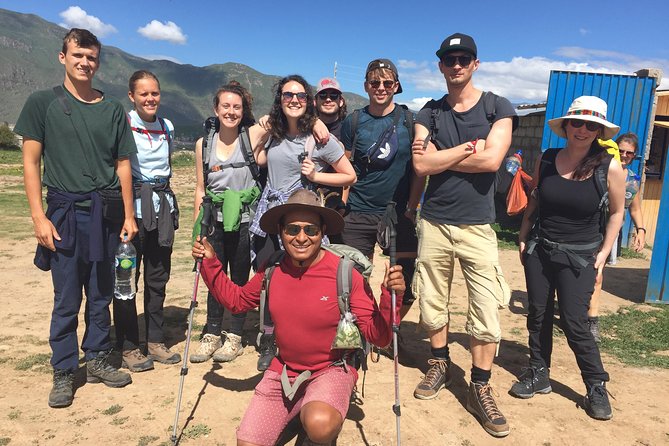
Chivay is the little anchor point that makes this day feel less like a nonstop drive. You stop at Plaza de Armas de Chivay for breakfast and a quick walk-through. It’s a straightforward cultural pause with traditional houses and colorful scenery, and since the admission here is free, it’s a low-effort way to get oriented.
Then you head to Condor’s Cross, one of the best-known viewpoints for watching Andean condors. The tour frames it as a top spot in South America for condors flying, and that’s exactly why it’s worth the early timing. You don’t need to do anything fancy—just stay alert for movement in the air and enjoy the wide outlook.
Tip: bring something to protect your eyes and skin. Condor’s Cross is a viewpoint, so you’re usually standing/sitting with limited shade while the sky does its thing.
Day 1 route: from the drive to the canyon descent to Sangalle
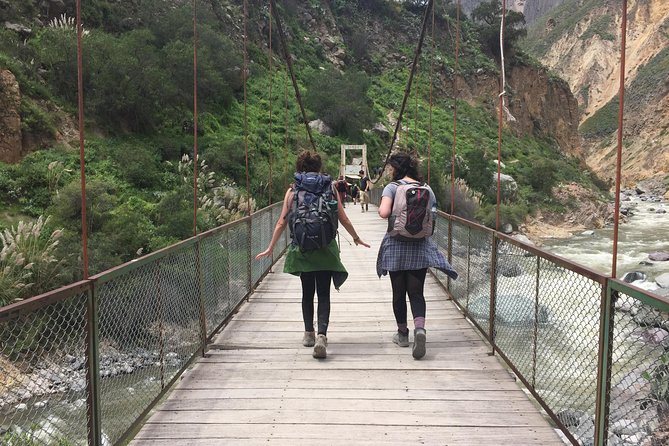
Day one is long, and it’s designed that way. You leave Arequipa very early, reach Chivay for breakfast, stop at Condor’s Cross, and then continue toward the canyon trek area. Once you’re ready, you start hiking downhill for about 3 hours, dropping from roughly 3300m to about 2100m into the Colca Canyon.
That descent is the core of day one’s payoff. It’s a big altitude and effort shift, but it’s also the section that puts you closest to the canyon’s scale. Your guide’s job here matters: on steep terrain, good pacing is everything.
Once you arrive, you have lunch and some downtime in San Juan de Chuccho, a village with vegetation and fruit trees. It’s a nice break from the “only hiking” rhythm, and it gives you a mental gear change before you go deeper into the trek.
From there you pass through smaller towns like Cosñirhua and Malata, then keep heading into the deepest part of the trek to reach Sangalle (around 1900m). You arrive around 17:00, then dinner and sleep in bungalows at Cielo Azul Lodge (per the itinerary details).
The Sangalle recovery zone: warm pool time and canyon bungalows
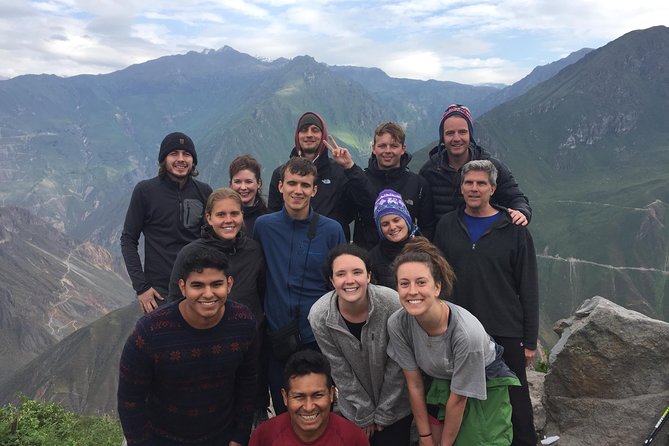
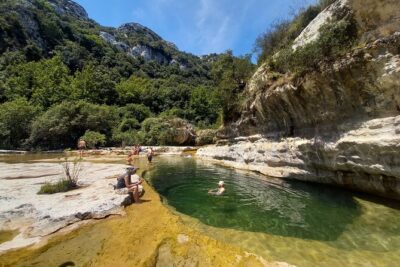
One thing I love about this itinerary is the built-in decompression at Sangalle. The tour description calls out a warm swimming pool, and that’s not a random add-on. After hours of downhill legs, warm water is a simple way to feel more human before tomorrow’s climb.
About lodging: don’t expect a hotel. The experience includes overnight accommodation (dinner included), but reviews point to basic conditions. One note you should take seriously: hot water may be limited or absent. The good side is that bungalows can still feel cozy once the hiking dust settles, and the whole place is set up for people in recovery mode.
If you’re the type who hates “basic,” you might feel friction here. If you’re comfortable with simple and you’re there for the canyon, it works.
Day 2 starts before sunrise: the torch-lit climb to Cabanaconde
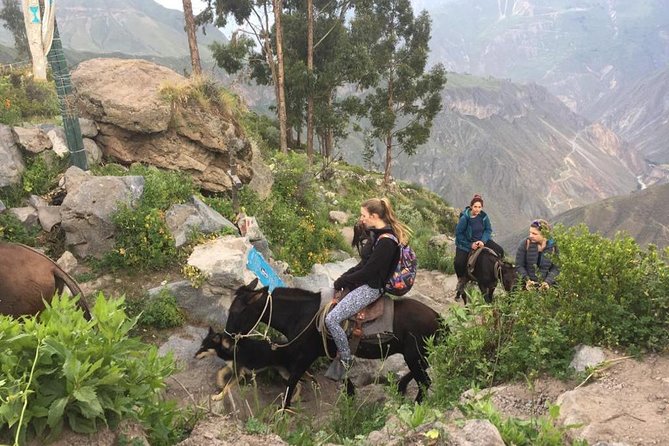
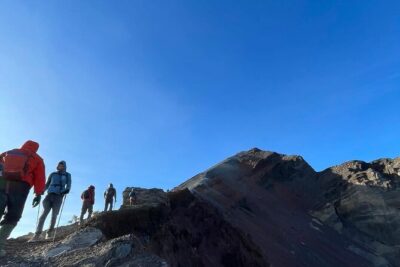
Day two begins with an early breakfast plan and then an even earlier start to the climb. After breakfast in Cabanaconde, the schedule says you trek uphill starting around 05:00 with the help of torch lights, aiming for about 3 hours of uphill effort to Cabanaconde again.
This is where the trip earns its “moderate to challenging” label. One review notes the second day climbs around 1200 altitude meters, while another mentions roughly 950m—either way, it’s a real leg workout. You’ll want to take that seriously, because the climb happens under early light (which is beautiful) but also under effort (which is unforgiving).
Once you reach Cabanaconde, you get breakfast. You’ll also be able to enjoy sunrise-timed views on the way up, which is exactly the kind of trade you want: hard work now, pay-off in the sky.
Hot springs Chacapi: optional soaking near Chivay
After your day-two climbing, you move toward Hot Springs Chacapi. The entrance costs PEN 15 and is not included, and going in is optional. The pool temperatures range from about 30°C up to 60°C, so you can choose your comfort level.
This is a rare moment where the tour gives you a “you decide” option. If your legs feel wrecked, this is a good place to spend a little extra and actually enjoy recovery instead of just enduring it.
If you’re sensitive to cold showers or you’re prone to feeling stiff, I’d strongly consider budgeting for the hot springs entrance.
Pampa Cañahuas reserve: camelids and volcano views on the way to Puno
On the return route, there’s a stop at Salinas y Aguada Blanca National Reserve at Pampa Cañahuas. Admission is free. The stop is short (about 10 minutes for the reserve segment), but the itinerary says you’ll spend over an hour on the broader reserve visit, with time to see volcano views and camelids.
You’re in a place where you can spot llamas, alpacas, vicuñas, and guanacos. That’s not just a fun wildlife break—it also shifts your brain away from pure hiking mode. It’s the sort of stop that helps a long two-day trip feel like it has variety.
Then the bigger transition kicks in: you start the transfer toward Puno. On the way, you descend from about 4830m down to 2325m, and you pass back through parts of the reserve area.
The logistics of getting to Puno by 18:30
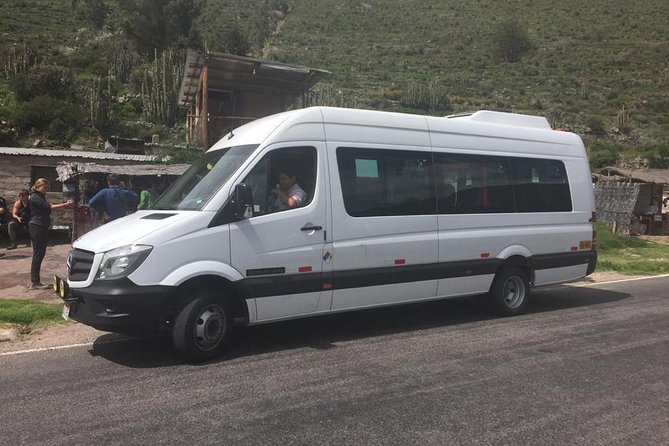
The tour includes the transfer from Chivay to Puno, with arrival around 18:30. It drops you at your hotel or hostel if it’s located in the center of the city.
This timing is important. You finish hiking, then you’re on transport, and you still need enough energy to check in, find dinner, and avoid a miserable night of wandering in the dark. Having a consistent arrival time helps you plan your first evening in Puno.
Also note: the ride may involve some bus juggling. One review mentioned a bus change, which doesn’t mean it’s chaotic—just means you should be ready to handle normal transfer moments without expecting everything to be one single vehicle the whole way.
Meals and lodging: included basics, plus the things you pay for
Here’s what’s included: dinner, lunch, and two breakfasts. The itinerary also notes a local lunch in Chivay if you want it later, but that specific meal is not included.
You pay a few key add-ons:
- Colca Canyon entrance: PEN 70.00 per person (not included)
- Hot Springs Chacapi entrance: PEN 15.00 per person (not included)
- Last lunch in Chivay: PEN 30.00 per person (not included)
That matters for value. At first glance, $179 sounds straightforward, but the “real total” should be considered with entrance fees. Still, you’re also getting a one-way transfer to Puno and an organized small-group trek across steep terrain—so those add-ons feel more like part of the experience than pure “extra charges.”
Food quality seems mixed in a predictable way. Included meals are described as okay, not gourmet. One review mentions a tasty home-cooked lunch with fresh juices from a local family house, which is exactly what you want from a canyon route: simple, practical food that fuels walking.
Price and value: when $179 is fair, and when to compare
This tour is priced at $179 per person and is commonly booked about 42 days in advance. In general, that price can be fair because you’re buying a bundle: canyon hiking logistics, overnight accommodation, and a one-way transfer to Puno.
But one big caution is worth taking seriously: some people found that booking locally in Arequipa can cost much less than booking online, even to the point of paying under half the amount. I can’t tell you what’s correct for every date, but I can tell you what I’d do: if price is a major factor, compare options in person or check multiple providers before you lock in.
Also pay attention to what currency you’re charged in if you book online. Currency mismatches and conversion habits can inflate your total without changing the actual service.
Bottom line: treat $179 as a starting point, then verify the all-in cost for you (especially the Colca entrance and the hot springs if you plan to soak).
Who this Colca trek suits best (and who should think twice)
This is for you if you want:
- Classic Colca Canyon hiking without adding extra travel days
- A chance at Andean condors from Condor’s Cross
- A small-group experience where the guide can keep attention on the group
- A smooth finish toward Puno, so you can keep your Peru route moving
You might think twice if:
- Uphill climbs in altitude are a no-go. Day two is the hardest part.
- You dislike basic lodging. Expect simple bungalows and limited comfort.
- You want a “relaxing stroll.” This is a hike with real elevation work.
You should also have moderate physical fitness, as the tour notes. If you’re usually active and comfortable walking on uneven ground, you’re in the right category.
Practical tips to make the hike feel easier
You can’t erase altitude, but you can reduce misery.
- Start day one with a light, organized backpack. Day two includes a tough uphill climb, and you’ll feel every extra item.
- Protect yourself from sun and wind. Day two in particular is described as demanding under the sun, so hat + sunscreen isn’t optional.
- Bring a headlamp or flashlight even if torch lights are used. The tour mentions torch lights for the climb, and having your own backup gives peace of mind.
- Pace the downhill. Going down can be harder than it sounds, because knees take a hit.
- Plan your hot springs decision early. If you feel wrecked, budget the extra PEN 15.
If you’re sensitive to altitude, give yourself a little extra time to slow down when you feel breathless. On this route, pushing hard too soon can backfire.
Should you book this 2-day trek and transfer to Puno?
I’d book this if your priority is a structured Colca Canyon experience in two days, plus a practical handoff into Puno the same itinerary. The small group size and the way the schedule builds in recovery at Sangalle make the whole trip feel like it has a rhythm, not just a long checklist.
I wouldn’t book it if you’re chasing comfort over effort. The lodging is basic, hot water is not guaranteed, and day two’s climb is the kind of challenge that punishes bad pacing.
Before you buy, do one smart check: estimate your all-in cost including the Colca entrance and the optional hot springs. And if the price feels high compared to what you’ve seen locally, compare again. A couple of minutes spent verifying totals can save you real money.
If you’re ready for a real hike and you want to save a whole day of transit, this is a strong way to experience Colca and move on.
FAQ
What time does the tour start in Arequipa?
The tour start time is listed as 3:00 am, and the first-day departure from Arequipa is scheduled between 3:00 and 3:30.
How long is the trek, overall?
The trek is spread across two days. On day one you hike downhill for about 3 hours, and on day two you hike uphill for about 3 hours.
What is the day one downhill route like?
You start the main descent at around 3300 masl and hike downhill into the canyon for approximately 3 hours, reaching about 2100 masl, before continuing through villages and onward to Sangalle.
Where do you sleep overnight?
You sleep in the Sangalle area in bungalows at Cielo Azul Lodge (day one). Dinner is included.
Are meals included?
Yes. Dinner is included, lunch is included, and breakfast is included twice (2 breakfasts total).
Do I need to pay entrance fees?
Yes. The Colca Canyon entrance is PEN 70 per person and is not included. The hot springs entrance at Chacapi is PEN 15 per person and is not included.
Is the Chacapi hot springs visit included?
No. Hot springs Chacapi are optional, and the entrance fee is not included.
What’s the stop for wildlife on the way back?
You stop at Salinas y Aguada Blanca National Reserve at Pampa Cañahuas to see camelids such as alpacas, llamas, vicuñas, and guanacos.
What time do you arrive in Puno?
The schedule says you arrive in Puno at about 18:30, then get dropped off at your hotel or hostel in the city center area.
Is the tour refundable if I cancel?
No. The experience is non-refundable and cannot be changed for any reason. If it’s canceled due to poor weather, you’re offered a different date or a full refund.