REVIEW · HIMACHAL PRADESH AND UTTARAKHAND
Nagtibba Trek (Pantwari to Pantwari)
Book on Viator →Operated by Kaushik's Cafe & Trek · Bookable on Viator
Two days in the Himalayas, light on planning. This is an overnight trek from Pantwari to Nag Tibba that gives you a guide, meals, and tent comfort, so you can focus on the climb and the views. I especially like the included camp food and the early-morning summit effort that’s timed for sunrise.
Just note the trek asks for an early start on day 2, with a wake-up at 3:30 am, and the nights can feel cold at the tent camp. If you hate early mornings or cold fingers while zipping up a sleeping bag, this may not be your kind of “quick trek.”
In This Review
- Key things that make this trek work (and feel worth it)
- Pantwari to Nag Tibba: why this short overnight trek feels so approachable
- Meeting in Pantwari: where to start and how the small logistics help
- Day 1 in the tent camp: food, hot welcomes, and that first taste of altitude
- Day 2 summit at 3:30 am: sunrise timing, snacks, and the mental shift
- Sleeping bags and tent comfort: what you should expect for a beginner overnight
- Your guide (Sanjay Bhaiya) and the small-group feel that keeps things calm
- Meals included: why camp food is a big deal on a short trek
- Price and value: what $23.87 buys you here (and what it does not)
- Weather matters here: plan for a range of conditions
- Who should book this trek (and who might want a different option)
- Should you book the Nagtibba Trek (Pantwari to Pantwari)?
- FAQ
- Is the Nagtibba Trek beginner-friendly?
- How long is the trek?
- What does the package include?
- What time do we wake up for the summit?
- Where is the meeting point?
- Is private transportation included?
- What is the maximum group size?
- Can I get a refund if weather is bad or I cancel?
Key things that make this trek work (and feel worth it)
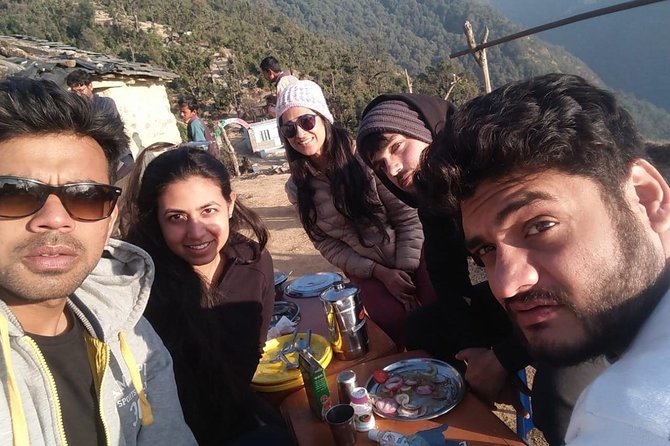
- Overnight tent setup is included with sleeping mats and sleeping bags, so you do not have to rent gear
- All meals are included (dinner, 2 lunches, 2 breakfasts), plus warm welcome treats at camp
- A professional guide keeps the pace and helps you navigate without stress
- Sunrise-focused schedule with fruit and biscuits before the summit push
- Small group size with a maximum of 16 people, which helps the trek feel organized
Pantwari to Nag Tibba: why this short overnight trek feels so approachable
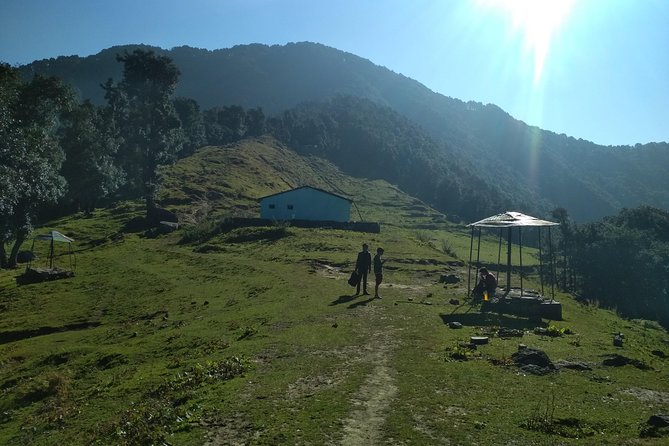
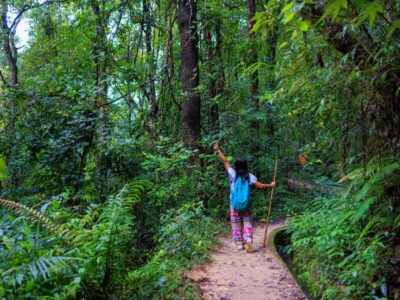
The best part of this Nag Tibba trek is that it gives you a real Himalayan trekking moment without forcing you into a multi-day expedition. You hike up from Pantwari to a tent camp for the night, then go back for the summit the next morning before hiking down again. That structure is perfect if you want the payoff of a summit and sunrise, but you still want things manageable in time and effort.
You also get that “someone has planned the details” feeling. With a professional guide at your side, you do not have to worry about route decisions or timing beyond simply showing up and keeping up the pace.
You can also read our reviews of more tours and experiences in Himachal Pradesh and Uttarakhand.
Meeting in Pantwari: where to start and how the small logistics help
You’ll meet at Kaushik’s Cafe & Trek (Kaushik’s Cafe & Trek, Kaushik’s Cafe & TrekHouse Number 10, P.O, Tehsil, Pantwari, Nainbagh, Uttarakhand 249186). The trek also ends back at this same meeting point, so you are not dealing with a complicated second drop-off.
They use a mobile ticket, and the meeting spot is near public transportation. That matters more than it sounds. For a short, two-day trek, easy arrival and an easy return can make the whole experience feel lighter on your travel day.
One thing to plan for: private transportation is not included. So you’ll want to budget time and money for getting to Pantwari yourself (or with group travel you arrange separately).
Day 1 in the tent camp: food, hot welcomes, and that first taste of altitude
On day 1, you’ll hike up from Pantwari and settle into overnight tent accommodation with sleeping mats and sleeping bags provided. After you reach the camp, your job is basically to eat, rest, and soak in the moment.
What makes day 1 feel special is the camp routine. You’re welcomed with hot tea and pakoda, and there’s even Maggi available for INR 40 if you want something quick and comforting. That kind of warm food and simple snack setup is a big deal on a trek, because it keeps you from feeling cold, hungry, or stuck figuring out meals on your own.
Even though this is a “first-trek” style outing, the sunset aspect still lands. You get that hill-station glow as the day fades, with the camp serving as your base instead of a chaotic scramble to find food or shelter.
Practical takeaway: day 1 is when you’ll want to manage your energy. If you go too hard on the way up, day 2 will feel worse. If you pace yourself, day 2 becomes a controlled sunrise mission instead of a survival hike.
Day 2 summit at 3:30 am: sunrise timing, snacks, and the mental shift
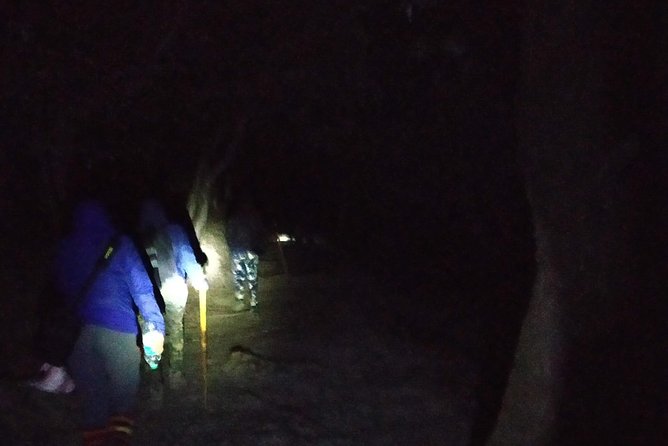
Day 2 starts early. You wake up at 3:30 am, get ready, and then head toward the summit. On the way, you’ll have fruit and biscuits, which is exactly what you want right before a summit push: something light, not heavy, and easy to eat when you’re still half asleep.
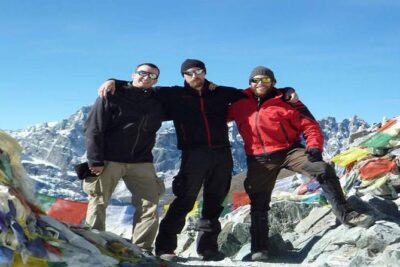
Once you reach the top, the trek is set up for sunrise. If you’re on time, you can watch the sunrise and then take a little time to relax at the summit before starting your descent. That matters because the summit moment is not just “reach and rush.” You get a brief window to enjoy it.
The descent is also part of the value here. A lot of short treks focus only on the climb. This one gives you a proper down-hike back toward your departure point, so you get the full rhythm of a trekking experience.
Sleeping bags and tent comfort: what you should expect for a beginner overnight
A big reason this trek works for beginners is that the overnight basics are handled for you. Your package includes tents plus sleeping mats and sleeping bags. That reduces two stress points:
- You do not have to find or rent trekking sleep gear on short notice.
- You can plan your clothing around layers, not around unknown bed conditions.
That said, the tents are still tents. The night can get chilly, and some treks in this region can swing from warmer climb temps to colder camp temps. So you’ll want to treat the sleeping setup as “helpful comfort,” not “guaranteed summer warmth.”
If you’re sensitive to cold, wear what you need to stay warm before you get into the bag, not after you’re already shivering.
Your guide (Sanjay Bhaiya) and the small-group feel that keeps things calm
A professional guide accompanies you throughout, and Sanjay Bhaiya and Sardar ji are names that come up with a lot of positive energy. The guides are described as polite, friendly, informative, and genuinely helpful, which is exactly the kind of guidance you want for an overnight trek where timing and comfort both matter.
A small group (maximum 16 travelers) also helps. With fewer people, it’s easier to keep the trek organized, avoid constant bottlenecks, and stay on schedule for the summit push. For a sunrise trek, schedule matters.
Meals included: why camp food is a big deal on a short trek
This trek includes dinner, two lunches, and two breakfasts. That’s not just a nice-to-have. On a two-day itinerary, meals are the engine that keeps your energy steady. When food is included and handled, you can focus on walking instead of hunting for supplies.
Also, the quality of the meals is often the surprise highlight on treks like this. Here, the camp experience includes warm welcome snacks at the start of the evening, and you get proper meal structure across both days.
One extra note: Maggi is available at camp for INR 40. So if you have cravings or want something familiar, you’ll have an option without derailing the overall meal plan.
Price and value: what $23.87 buys you here (and what it does not)
At about $23.87 per person, this is a budget-friendly way to try trekking in the Himalayas. The value is strongest because several core costs are already covered:
- Guide support
- All meals
- Tent accommodation
- Sleeping mats and sleeping bags
What is not included is private transportation, so that’s the main add-on you’ll likely need to handle separately. If you’re already in the area, that makes this trek even more of a bargain.
You also get a “short commitment” advantage. You’re not spending a week traveling to a remote base camp. You’re getting an overnight trekking experience within about 2 days, which makes it easier to fit into real travel plans.
Weather matters here: plan for a range of conditions
This experience requires good weather. If weather conditions are poor, you may be offered a different date or receive a full refund. That’s important because sunrise treks are weather-dependent by nature.
Season can change how the trek feels:
- In October, conditions may start warm and become cooler as you climb.
- Nights can still feel chilly at the tent camp.
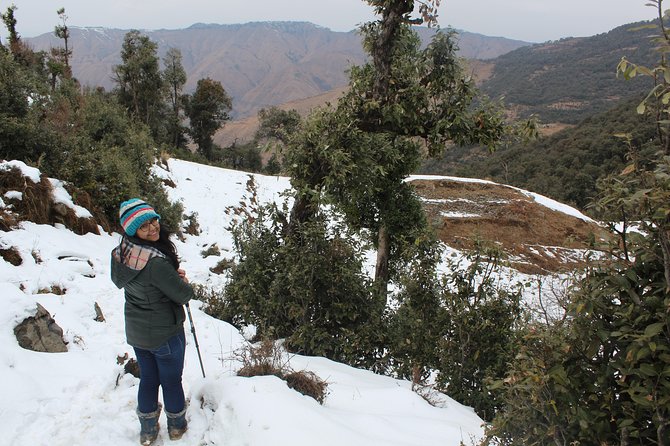
- People have also done the trek in January, so colder conditions are part of the possible reality.
My advice: check forecasts close to the trek date, and dress in layers you can adjust. Even in shorter treks, temperature swings can be the difference between a comfortable summit and a miserable one.
Who should book this trek (and who might want a different option)
This is a great match if you want:
- A beginner-friendly overnight intro to trekking
- A structured plan with meals and sleep gear covered
- A guide-led climb timed for sunrise
- A short trek that still feels like a real Himalayan experience
You might want to skip or reconsider if:
- You strongly dislike early mornings (day 2 wake-up is 3:30 am)
- You know you struggle with cold nights in tents
- You’re expecting private transport or a car-to-trail convenience package (private transport is not included)
Should you book the Nagtibba Trek (Pantwari to Pantwari)?
I’d book it if your goal is simple: get your first real taste of trekking with included meals, a guide, and a sunrise summit attempt—without dragging your planning effort into something complicated.
If you’re flexible about weather and you can handle an early start and chilly tent nights, this is one of those value treks where the structure does a lot of the work for you. Add in the small group size and the guide-friendly atmosphere, and you’re likely to come away with a “that was my first summit” story, not a “how did I survive this” one.
FAQ
Is the Nagtibba Trek beginner-friendly?
Yes. The trek is described as beginner-friendly and designed as a short overnight introduction to trekking.
How long is the trek?
It’s listed as approximately 2 days.
What does the package include?
The package includes a professional guide, overnight tent accommodation with sleeping mats and sleeping bags, and meals (dinner, 2 lunches, and 2 breakfasts).
What time do we wake up for the summit?
You wake up at 3:30 am on day 2 to prepare for the summit.
Where is the meeting point?
The trek starts at NagTibba Trekking – Kaushik’s Cafe & Trek, House Number 10, Pantwari, Nainbagh, Uttarakhand 249186, and it ends back at the same meeting point.
Is private transportation included?
No, private transportation is not included.
What is the maximum group size?
The experience has a maximum of 16 travelers.
Can I get a refund if weather is bad or I cancel?
You can cancel up to 24 hours in advance for a full refund. If the trek is canceled due to poor weather, you’ll be offered a different date or a full refund.