REVIEW · HIMACHAL PRADESH AND UTTARAKHAND
Tirath Expedition: Trek to the Tirath Hans Kund & Saketi Top(4280m)
Book on Viator →Operated by Tek Singh- Trek with Tek · Bookable on Viator
Trekking to 4280m feels like pure Himalaya. This 8-night, 9-day trek through Great Himalayan National Park (GHNP) mixes sacred place-making with real altitude, starting in Gushaini and working toward Saketi Top at 4280m. I especially liked two things: the fact it’s a private trek for just your group, and the level of on-trip support (porters, tents, sleeping kit, a water purifier, and even oxygen cylinders). The main consideration is that this is a rather difficult to moderate trek, so you need strong physical fitness and prior trekking experience.
What makes the route feel meaningful is the “why” as much as the “wow.” Tirath is tied to the origin of the Tirthan river and acts as a pilgrimage site for local communities, and the Great Himalayan National Park context makes it feel like you’re moving inside a living wildlife and plant world. If you like birding, photography, and spotting animals with your morning light, you’ll be in your element here.
My other takeaway: the trek is built for people who want nature time without micromanaging gear. You’ll travel with a guide and staff (porters and cooks) to handle much of the camp setup, cooking, and carrying, so you can focus on pace and breathing. Just keep your expectations tuned to mountain travel: the days are physical, and the payoff is at the top and in the quiet in-between.
In This Review
- Key things you should care about before you go
- Where this trek lives: GHNP, Tirthan, and why Tirath matters
- The trek’s big “yes” moments: guide help and private pacing
- From Gushaini to the climb: getting oriented before altitude
- Tirath Hans Kund: sacred place, serious nature time
- The push to Saketi Top (4280m): your view payoff
- Camp life that’s actually practical (not just romantic)
- The guide team: Tek Singh and Eknath (and why it matters)
- How the private trek setup changes the day
- Price and value: what you’re paying for (and what you get back)
- What you should pack and how to prepare (no guessing required)
- Small details that prevent big headaches
- Is this trek for you? My booking advice
- FAQ
- FAQ
- Where does the trek start and end?
- How long is the trek?
- What is the highest point on the trek?
- Is this a private trek?
- What’s included in the trekking package?
- What is not included?
- Do I need prior trekking experience?
- Are there any safety or altitude-related provisions included?
- What is the cancellation policy?
Key things you should care about before you go
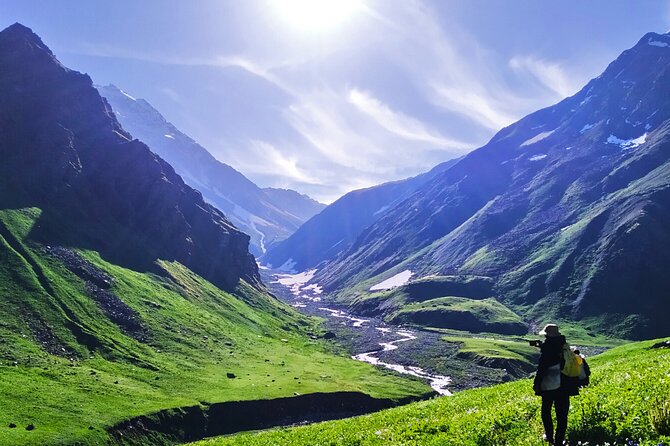
- Private group route means less waiting around and more flexible group rhythm
- Support ratio 1:1 (porters & cooks) helps you travel lighter and reduces hassle
- Saketi Top at 4280m is the headline view moment, earned the slow way
- Wildlife + plants in GHNP are a big part of why this trek feels special
- Oxygen cylinders and water purifier add practical safety for high-altitude days
Where this trek lives: GHNP, Tirthan, and why Tirath matters
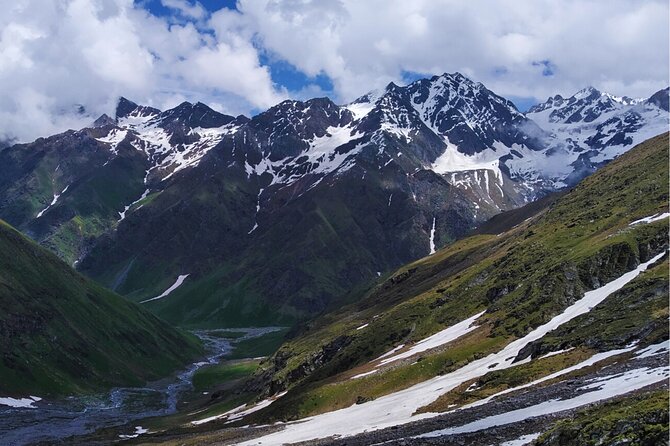
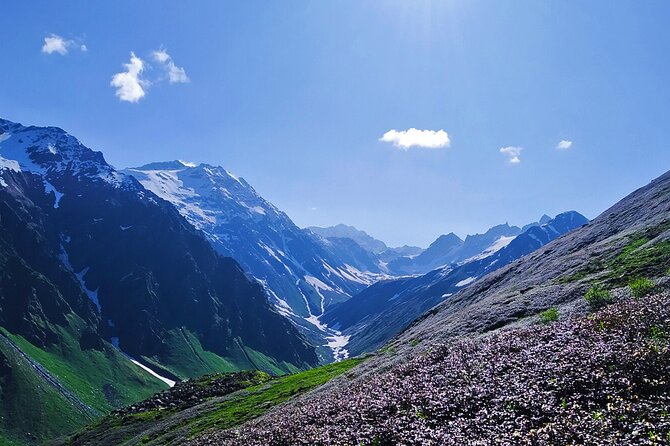
You’re trekking in Himachal Pradesh and Uttarakhand, centered around the Great Himalayan National Park area. That UNESCO World Heritage setting matters because it signals real protection for the flora and fauna, not just scenery for postcards.
Tirath Hans Kund is more than a trail name. Tirath connects to the origin of the Tirthan river, and it’s described as a pilgrimage site for local people. That gives your walks an extra layer: you’re not only climbing toward views, you’re also moving through a place with local meaning.
Once you’re higher in the park, the experience leans toward nature watching—birds, plants, and the chance to see animals as you go. If you’re the type who enjoys listening for movement in the trees and scanning with binoculars, the trek format supports that well.
You can also read our reviews of more tours and experiences in Himachal Pradesh and Uttarakhand.
The trek’s big “yes” moments: guide help and private pacing
This trek is built around a guiding-led approach. You’ll go up with a local guide who supports the group and helps with safe pacing, especially on a route described as rather difficult to moderate.
I also liked that it’s private for just your group. That matters more than most people expect on treks. You avoid the “always wait for someone else” feeling, and it tends to make planning the rhythm of rest stops and photo breaks less stressful.
One more practical win: the staff setup includes porters & cooks with a staff ratio of 1:1. That’s an unusually strong support model for many trekking experiences, and it directly affects how heavy you feel at the end of each day. If you’ve ever done a trek where you’re hauling your own camp gear, this kind of support changes the whole experience.
From Gushaini to the climb: getting oriented before altitude
The trek starts in Gushaini, Himachal Pradesh (175123). Expect a straightforward arrival day where you get practical basics handled for you, including restroom facility and breakfast on arrival.
Because the route reaches significant altitude (Saketi Top at 4280m), your early days matter for getting into a trekking rhythm. While the exact day-by-day stops aren’t spelled out here, the overall structure is clearly designed for progression: start lower near the village, trek deeper into GHNP, then push for the summit viewpoint.
This is one of those trips where you’ll feel the difference between “I can hike” and “I can hike smart.” Go slower than you want to at the start, drink water steadily, and let the higher altitude find you gradually. The included water purifier helps keep water practical, but it doesn’t replace the need to pace yourself.
Tirath Hans Kund: sacred place, serious nature time
Tirath Hans Kund is positioned as a key point in the experience, tied to the origin of the Tirthan river and local pilgrimage. Even if you’re not traveling for religious reasons, that context gives the trek a deeper “sense of place.”
This is also where GHNP’s nature focus starts to feel real. The park is described as extremely rich in flora and fauna, which means the trail isn’t just a corridor to a summit. It’s an environment with constant small discoveries—different plant types, changes in forest feel as elevation shifts, and wildlife activity when you pause instead of rush.
Photography and birdwatching fit naturally here. The trip includes binoculars and a telescope, which is a big clue about the intended pace: stop, scan, and take your time.
The push to Saketi Top (4280m): your view payoff
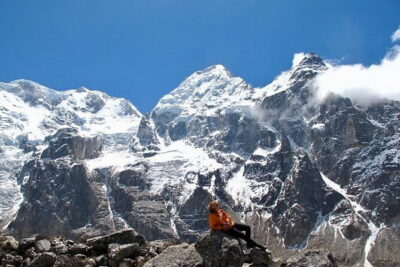
Saketi Top is described as one of the highest peaks inside GHNP, and the view at 4280m ASL is the headline moment of the trek. This is the “make it worth it” day, even if your legs protest.
The best advice for a summit viewpoint day is to treat the last stretch like a controlled effort, not a sprint. If you’re used to city fitness, remember that elevation changes everything—breathing, energy use, and how quickly you get tired.
What helps is that the trek includes high-altitude support elements. Oxygen cylinders are part of the inclusions, and that added safety support can make you feel more confident about the climb logistics. Still, it’s smart to be honest with yourself: if you’re not already comfortable trekking at altitude, this is not a casual walk.
Camp life that’s actually practical (not just romantic)
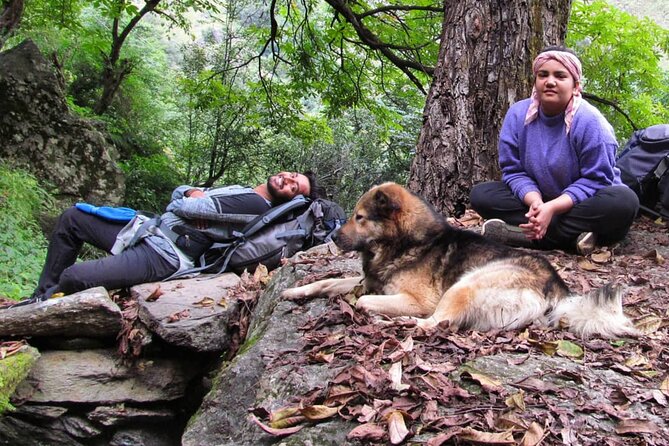
The inclusion list is where the trek’s comfort level comes into focus. You’ll have 4-man High Mountain Dome Tents, plus a sleeping bag with liner & blanket. There’s also a sleeping mat and pillow, so you’re not piecing together sleep from whatever you brought.
Food is also handled daily: breakfast, lunch, high-tea, and dinner on all days. The one exception is dinner for the last day isn’t included. That’s a small detail, but it matters if you want a smooth finish—plan to get that last meal after the trek ends back at the meeting point.
Toilet tent with toiletries is included too. That’s one of those “you only notice it when you don’t have it” inclusions. It makes a huge difference on multi-day treks.
You’ll also travel with power-banks and a travel kit from Bamboo India, which includes practical items like a toothbrush, tongue cleaner, comb, earbuds, and a B-safe key-chain. It’s not glamorous, but it’s exactly the kind of gear that keeps you feeling human instead of grimy by day three.
The guide team: Tek Singh and Eknath (and why it matters)
The experience provider is Tek Singh (Trek with Tek). Multiple accounts highlight Tek as a real driver of the experience—keeping people safe and sharing facts about wildlife and plants along the way.
Eknath is also praised in the experiences shared here for help and effort that made the trip memorable. When you see names repeated like that, it usually points to something important: consistent camp and guidance support.
Here’s what that means for you on the ground. A good guide doesn’t just know the route. They help you interpret what you’re seeing, manage pacing, and respond when conditions change. On a trek in a protected park with wildlife, that guidance becomes part of the fun rather than just a safety feature.
How the private trek setup changes the day
A private trek for just your group has real knock-on effects.
First, you can move at a pace that matches your fitness level. The trip is aimed at people with strong fitness and prior trekking experience, but within that, group pacing still matters.
Second, camp setup tends to feel less chaotic. With porters and cooks on the team and included equipment, you spend less time managing gear and more time enjoying the mountains and the quiet between hikes.
Finally, you get a more personal nature experience. With binoculars and a telescope included, plus wildlife talk from the guide, the trek format supports slower “spot and pause” behavior, which usually leads to better sightings and better photos.
Price and value: what you’re paying for (and what you get back)
At $359.96 per person for about 9 days, this trek isn’t a budget “walk in the woods” deal. You’re paying for logistics, staff, and high-altitude support.
The value becomes clear when you look at what’s included:
- tents, sleeping bag/liner/blanket, mat, and pillow
- daily meals (breakfast, lunch, high-tea, dinner on all days)
- porters & cooks with a strong staff ratio (1:1)
- water purifier
- oxygen cylinders
- binoculars & telescope
- toilet tent and toiletries
- guide, plus other necessary camping equipment
That’s a lot of cost that’s usually hidden when you plan your own trek. If you want GHNP without turning your trip into a gear project, the price starts to make sense.
Still, the best “value check” is personal. If you already own trekking gear and you’re comfortable organizing everything, you might find cheaper alternatives. If you’d rather show up, hike, and let the team handle camp and safety details, this pricing is likely fair for the support level.
What you should pack and how to prepare (no guessing required)
The trip includes a sleeping system and camp equipment, so you can focus on your body and comfort. The data here doesn’t list every personal item you should bring, but it does clearly state you need strong physical fitness and prior trekking experience.
My practical packing priorities for a trek that reaches 4280m:
- layers for temperature swings
- sturdy trekking shoes with grip
- a small day pack for essentials
- sun protection (the higher you go, the faster you feel it)
- a plan to keep drinking regularly
Because the trek includes a water purifier, you won’t be stuck guessing about water quality—still, you should treat hydration as part of pacing.
Also, remember: this trek is described as rather difficult to moderate. That means you should be prepared for steep or demanding sections and not assume “moderate” means easy.
Small details that prevent big headaches
These inclusions reduce the usual trek annoyances:
- Water purifier means water logistics are handled
- Power-banks mean less stress around charging essentials
- Restroom facility and breakfast on arrival makes day one smoother
- Toilet tent with toiletries keeps things workable on camp nights
- Binoculars and telescope turn wildlife spotting into part of the plan, not a random bonus
One note to keep in mind: dinner on the last day isn’t included. You’ll end back at the meeting point, so you’ll want to be ready to grab that final meal yourself.
Is this trek for you? My booking advice
Book this trek if you want:
- a private GHNP trekking experience with a guide
- serious nature time tied to Tirath and the Tirthan river origin area
- a summit-view goal at Saketi Top (4280m)
- strong logistical support—tents, meals, porters, water purifier, and oxygen cylinders
Don’t book if:
- you’re not ready for a trek described as rather difficult to moderate
- you want a low-effort outing rather than a structured mountain challenge
- you’re not comfortable with the basic reality of altitude travel and multi-day hiking
If your goal is to earn big views with a team that handles camp and safety support, this one fits well.
FAQ
FAQ
Where does the trek start and end?
The trek starts in Gushaini, Himachal Pradesh (175123, India) and ends back at the meeting point.
How long is the trek?
It runs for 9 days (about 8 nights).
What is the highest point on the trek?
The trek includes reaching Saketi Top at 4280m ASL.
Is this a private trek?
Yes. It’s private, and only your group participates.
What’s included in the trekking package?
Included items cover guide, tents, sleeping bag and liner/blanket, sleeping mat and pillow, daily meals (breakfast, lunch, high-tea, dinner on all days), a water purifier, oxygen cylinders, binoculars & telescope, porters & cooks (staff ratio 1:1), and other necessary trekking and camping equipment. There’s also a toilet tent with toiletries and a travel kit by Bamboo India.
What is not included?
Dinner for the last day is not included. Other transportation costs (flight/train/bus/taxi) and tips to staff are also not included, along with other expenses not listed in the inclusions.
Do I need prior trekking experience?
Yes. The trek requires good physical fitness and prior trekking experience.
Are there any safety or altitude-related provisions included?
Yes. Oxygen cylinders are included, along with a water purifier.
What is the cancellation policy?
Free cancellation is available. You can cancel up to 24 hours in advance for a full refund, and if it’s canceled due to poor weather you’ll be offered a different date or a full refund.