REVIEW · HIMACHAL PRADESH AND UTTARAKHAND
7-Day Kuari Pass Trek
Book on Viator →Operated by Mapping The Himalayas · Bookable on Viator
Kuari Pass gives you a ringside seat. This 7-day trek in the Garhwal Himalaya puts you along the outer wall of the Nanda Devi Sanctuary, then sweeps across ridges, villages, and river crossings before ending in the sights and energy of Rishikesh.
I especially like the balance here: you’re not just walking above tree line. You pass through working Himalayan villages and confluences, so the mountains feel connected to real life, not staged scenery. I also like the supported setup—the package includes tents, sleeping bags, trekking poles, and a head torch, plus private transport and meals.
One consideration: the route has a few serious foot moments. Expect steep bits with loose moraine that require trekking poles, and you’ll be operating at high altitude around 4,265m—so plan to move steadily and not treat this like an easy day hike.
In This Review
- Key highlights that make this trek worth your time
- Kuari Pass and the Nanda Devi edge: why this route feels special
- Starting at the Garhwal confluences: your first taste of real India
- Day-by-day: what each walking stage is really like
- Day 1: Travel to Ghat, with confluence scenery en route
- Day 2: Selu Bagar village start to Vinayak Pass and down to Jhinjhi
- Day 3: Jhinjhi down to Birahi Ganga suspension bridge, then a steep ridge climb
- Day 4: Sartoli meadow, Kuari Pass view, and the loose-moraine descent
- Day 5: Early start to Kuari Pass, timed for big views
- Day 6: Gorson meadows across a narrow ridge, then jeep to Joshimath
- Day 7: Joshimath to Rishikesh via Rudraprayag river meeting
- Gear, tents, and meals: what’s included and why it matters
- Price and value: what $1,188.21 buys you in practice
- Who this Kuari Pass Trek fits best
- Should you book this trek?
- FAQ
- How long is the Kuari Pass Trek?
- Where does the trek take place, and what altitude is mentioned?
- Is pickup or private transportation included?
- What gear is included for trekking and camping?
- Are meals included?
- Do I need travel insurance?
- Is this tour private?
- What happens if the trek is canceled due to poor weather?
Key highlights that make this trek worth your time
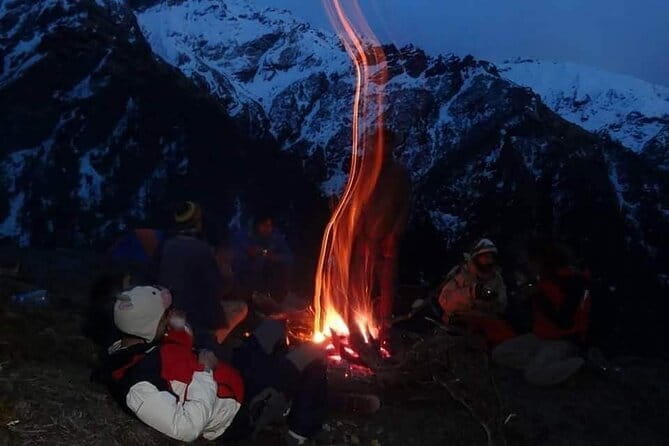
- Outer-wall trekking near Nanda Devi Sanctuary keeps the views big while the route stays close to the heart of the region
- Village-to-pass walking means you’ll see everyday life, not only mountain-top drama
- Suspension bridge over Birahi Ganga adds a real river-crossing moment to the adventure
- Kuari Pass early-day ascent is timed for the kind of visibility that makes people remember the pass forever
- Gorson meadows and Auli approach gives you a satisfying finish with wide-open Himalayan views
- Mapping The Himalayas hospitality is repeatedly praised for safety, comfort, and genuinely warm team vibes
Kuari Pass and the Nanda Devi edge: why this route feels special
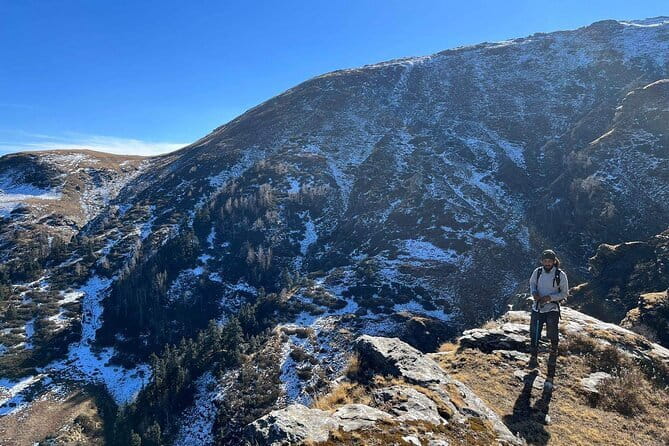
Kuari Pass Trek is built around one of India’s most photogenic ideas: move through different elevations and ecosystems while staying in striking view corridors. You start at river country with confluences, then gradually climb into rhododendron forests, open meadows, and finally the high pass zone. Throughout, the terrain keeps shifting—forest shade, ridge wind, valley zigzags, and wide open angles.
What I find smart is the way this trek frames the mountains you’re chasing. You’re not only aiming for one summit moment. You repeatedly catch views of major peaks such as Nanda Devi, Hathi Ghodi, Dronagiri, Nanda Ghunti, and Chaukhamba from different angles across multiple days. That matters because the Himalaya can be moody: if one day is cloudy, you still have other chances to see the big names.
You also get an emotional payoff from the setting. Trekking along the outer wall of the Nanda Devi Sanctuary keeps the vibe focused and intense—less about generic scenery, more about a specific Himalayan neighborhood with a clear identity.
You can also read our reviews of more tours and experiences in Himachal Pradesh and Uttarakhand.
Starting at the Garhwal confluences: your first taste of real India
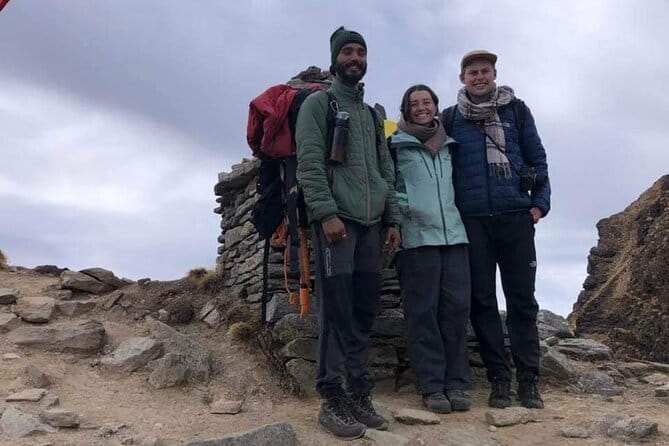
The trek day sequence begins with movement from Ghat, with stops that pass through well-known river confluences in the Garhwal Himalayas: Devprayag, Rudraprayag, Karnprayag, and Nandprayag. Even if you’re focused on the pass, these confluences set expectations. Rivers here aren’t background; they’re the backbone of where people live and how valleys connect.
Ghat itself is described as a sizable village with schools, government offices, and a marketplace serving surrounding villages. That’s a good sign if you want the trek to feel grounded. You’re not only camping in quiet fantasy. You’re passing through places that actually function.
From a practical perspective, this first day is also about getting your bearings and your legs under you before the walking builds. It’s a smart way to transition into mountain travel without starting at full intensity.
Day-by-day: what each walking stage is really like
Day 1: Travel to Ghat, with confluence scenery en route
You leave in the morning after breakfast and travel toward Ghat, moving through those major Garhwal confluence towns. The value of this day is rhythm. You’re getting a feel for the river valleys and how tightly towns and watercourses fit together.
The tradeoff is simple: you’re not trekking much on day one. If you love long hiking days, you might feel a little impatient. If you like easing into altitude travel, it works.
Day 2: Selu Bagar village start to Vinayak Pass and down to Jhinjhi
Day two begins at Selu Bagar with a trek from a Himalayan village environment—small shacks as village shops, then a village jeep ride to meet ponies and porters. That jeep segment matters because it sets you up for the walking that follows instead of burning energy on logistics.
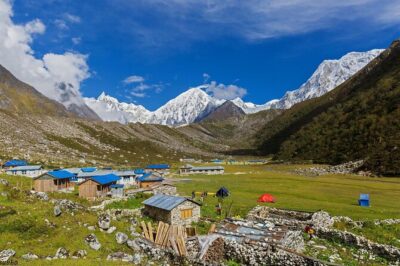
Once you’re on the trail, the route climbs to a ridge with panoramic views of Ramni and Ghunni villages. Then you step toward an open meadow with views of Nanda Ghunti and Chaukhamba peaks. Past that, expect rhododendron forests, pasture grasslands, and nomadic huts along the way.
A highlight is Vinayak Pass, marked by a Ganesha temple and a prayer flag. This isn’t just decoration. It’s a spiritual landmark that makes the pass feel like a place people mark and remember, not only a line on a trek map.
You descend through Sem Kharak to the village of Jhinjhi. If you like meeting color, sound, and daily routines, this is a good day to get that.

Day 3: Jhinjhi down to Birahi Ganga suspension bridge, then a steep ridge climb
Day three starts with descending through Jhinjhi. The trail drops you toward the valley floor and brings you to a suspension bridge over river Birahi Ganga. Bridges on treks aren’t always dramatic, but this one is described as a true crossing that changes your perspective of the valley and helps you understand which side you’re traveling on.
After you cross, you go to the true right of the valley and begin a steep climb with zigzags and some false summits. This is the kind of day section where patience wins. False summits can trick your brain into thinking you’re near the top when you’re not.
The climb eventually reaches a ridge, then the trail becomes more gradual through rhododendron forest. You pass Kaliagad and reach Pana, then do a final ascend of less than a kilometer to your campsite above the village of Pana.
What to watch: you’ll likely feel the earlier descent and then the steepness of the ridge climb. Move slow here and save your energy.
Day 4: Sartoli meadow, Kuari Pass view, and the loose-moraine descent
This day begins above your camp site with a trail that’s distinct enough to feel like you’re committing to the high country. You walk through rhododendron forests with a couple of fall summits, then reach a ridge and continue gradually through forest toward an open meadow at Sartoli.
Sartoli is both a campsite and pasture land for sheep and cattle. That detail matters. It’s not an empty staging ground; it’s part of local grazing life. And it’s also the spot where you get an ideal view of Kuari Pass dominating the horizon.
Then comes the part where trekking poles matter. After Sartoli, you descend gradually for a couple of kilometers, but the final descent to a side stream becomes steep with loose moraine. You’re explicitly required to use trekking poles during that stretch. I love that the trek is honest about it—this is the segment where good foot habits and poles can turn a stressful drop into controlled progress.
You cross the side stream and start a steep ascent with switchbacks back up to the ridge top.
Day 5: Early start to Kuari Pass, timed for big views
Day five starts early so you can catch the pass views when visibility is best. You climb from Dhakwani through forest until you cross the tree line. Once you’re above that line, the path traverses to the left of the valley just under the pass, then uses switchbacks that bring you up straight toward the pass.
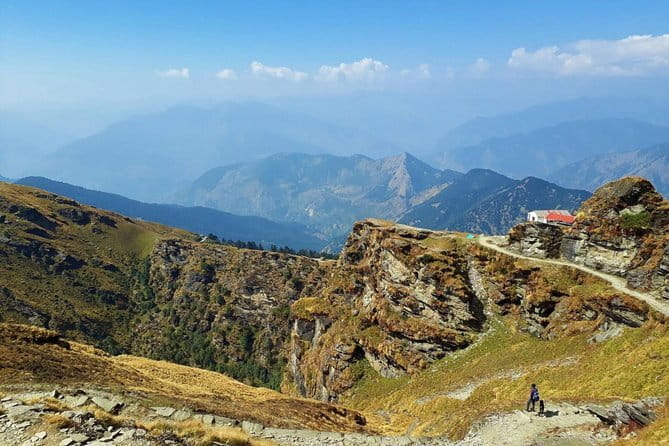
This is your main Kuari Pass moment: stunning views of the greater Himalayas and plenty of time to relax and photograph. After reaching the pass, the trail slightly ascends to a hump with an excellent view of Dronagiri Peak.
Then you descend to a bifurcation for Tapovan and Tali. You continue on toward Tali, reaching a ridge with a temple. (On a hike like this, small structures like that can become emotional checkpoints—proof you’re in a route people use.)
Day 6: Gorson meadows across a narrow ridge, then jeep to Joshimath
Day six is described as a morning at ease, which is exactly what your body usually needs after a pass day. From Tali you climb gradually across a mountain ridge. The trail is narrow and requires cautious walking until you reach Gorson meadows.
Once you’re in Gorson, it’s all Himalayas all around. Great Nanda Devi Peak is described as the most admirable and dominating among the peaks you’re seeing. Crossing the meadows is also framed as a fun walk, not a suffer-fest.
Near the end of the day you start seeing man-made concrete structures from a distance marking the village of Auli. That’s your transition signal: you’re nearing civilization again.
You then bid farewell to the ponies and porters and take a jeep to Joshimath, described as a 13 km drive. Joshimath is a lively marketplace town and a supply hub for nearby villages, which makes it a practical place to reset before the final travel day.
Day 7: Joshimath to Rishikesh via Rudraprayag river meeting
Early on day seven you drive to Rishikesh. On the way you visit Rudraprayag, where rivers Mandakini and Alaknanda meet. That confluence connection ties the end of your trip back to the start.
You’ll have lunch on the route and arrive in Rishikesh by evening. The timing works well if you want a real recovery window: you’re not getting dumped into Rishikesh and expected to trek again. You reach it, you eat, you sleep, you breathe.
Gear, tents, and meals: what’s included and why it matters
This package includes trekking tents, sleeping bags, trekking poles, and a head torch. For many people, that’s the biggest real-world value—because it removes the hassle of renting or buying bulky gear for a one-time trek.
Meals are included: breakfast (7), lunch (7), and dinner (6). That pattern suggests you’re covered for most of the trip’s eating rhythm while you may have one dinner not included (often the kind of exception that can happen with travel-day timing). I’d plan around that by assuming you’ll eat well but double-check day-to-day meal count expectations when you confirm.
Also included are private transportation and all fees and taxes. In mountainous regions, those fees can be the difference between a smooth route and spending your time coordinating details. Here, you’re paying to have the moving parts handled.
What’s not included: insurance. If you’re counting on coverage for medical costs, trip changes, or evacuation, you’ll want to arrange it yourself before you go. At altitude, it’s not a place to gamble.
Price and value: what $1,188.21 buys you in practice
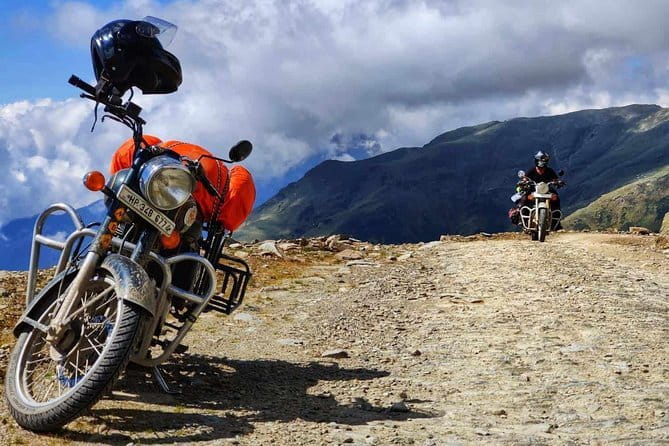
At $1,188.21 per person, you’re not paying just for footsteps. You’re paying for a chain: private transport, provided camping and night gear, meals for nearly every day, and support systems that include tents and porters/ponies coordination along the route.
That matters because treks fail in two ways: people under-plan logistics, or they over-plan gear. This one tries to cover the logistics and the bulk gear so you can focus on walking, pacing, and enjoying the views.
You also get a private tour/activity setup—only your group participates—which can feel like better value if you’re traveling with friends or planning a quieter, more controlled experience.
Is it expensive? For a supported Himalayan trek, it’s in the realistic range. The best way to judge value is to ask yourself what you’d spend if you had to arrange gear, transport, guides, and meals separately. This package is built to bundle those responsibilities for you.
Who this Kuari Pass Trek fits best
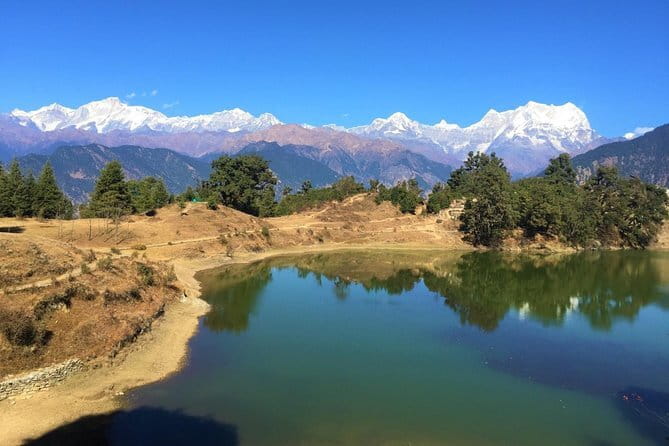
This trek is listed for travelers with moderate physical fitness. That’s a good match for you if you’re comfortable with steep stretches and uneven ground, and you understand that altitude travel means pacing.
It’s also ideal if you like:
- Village walking as much as mountain walking
- Multiple view days, not only one big pass photo
- Clear trekking structure with support, tents, and meals handled
- A finish that transitions you into culture and river life at Rishikesh
If you’re someone who wants flat and easy hiking the whole way, you’ll probably find this challenging. If you like controlled effort and big scenery rewards, you’ll likely enjoy it.
Should you book this trek?
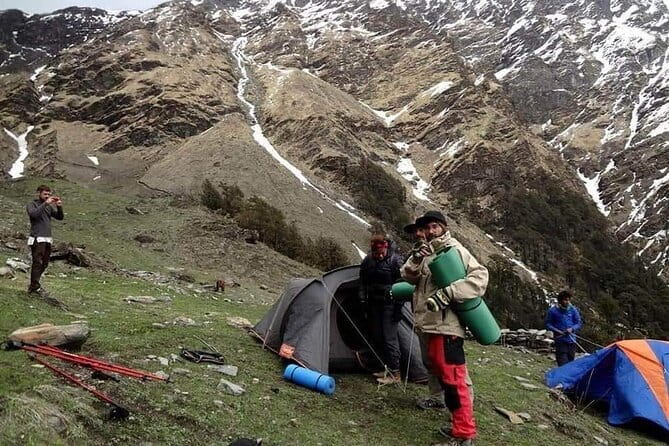
I’d book it if you want a serious Himalayan pass trek that still feels human and lived-in. The route’s rhythm—confluences, villages, rhododendron forests, bridges, meadows, then Kuari Pass—gives you multiple reasons to show up on each day, not just one.
I’d think twice if you have low tolerance for steep, loose terrain segments (especially the loose moraine descent where poles are required) or if you struggle with altitude hikes that demand steady pacing.
If you’re ready for that mix of comfort support and mountain workload, this is the kind of trip that can turn into a lifetime memory for the right reasons: good views, real villages, and a team approach that keeps you safe and cared for.
FAQ
How long is the Kuari Pass Trek?
The trek is listed as 7 days (approx.).
Where does the trek take place, and what altitude is mentioned?
It’s in Himachal Pradesh and Uttarakhand, India, and the experience notes an altitude of 4,265m.
Is pickup or private transportation included?
Yes. Private transportation is included, and pickup is offered.
What gear is included for trekking and camping?
The package includes trekking tents, sleeping bags, trekking poles, and a head torch.
Are meals included?
Breakfast is included for 7 days, lunch is included for 7 days, and dinner is included for 6 days.
Do I need travel insurance?
No insurance is included. You’ll need to arrange any type of insurance yourself.
Is this tour private?
Yes. It’s a private tour/activity, and only your group will participate.
What happens if the trek is canceled due to poor weather?
The experience requires good weather. If it’s canceled due to poor weather, you’ll be offered a different date or a full refund.