REVIEW · NAYA PUL
Pokhara: 7-Day Annapurna Base Camp Guided Trek
Book on GetYourGuide →Operated by Himalayan Nomad Treks Pvt. Ltd. · Bookable on GetYourGuide
Seven days. One mountain amphitheater.
This trek pairs classic Annapurna viewpoints with real daily effort, from Pokhara’s lakeside low altitude up to Annapurna Base Camp and back down through villages and forests.
I love the way the route keeps you moving through Chhomrong and other inhabited stops instead of feeling like you’re just hiking at the edge of nowhere. I also love the big “top day” payoff at base camp, then the body-reset reward at Jhinu Dada.
The main drawback to plan for is how tiring the downhills can feel after base camp, when you’re dropping back toward lower villages and your legs may argue with you.
In This Review
- Key things that make this trek work
- How the Annapurna Base Camp route is paced (and why it matters)
- Lakeside Pokhara to Chhomrong: the jeep start and the village payoff
- Chhomrong to Dovan: suspension bridges, Modi River, and moving through forests
- Dovan to Deurali at 3200m: rhododendron, bamboo, and waterfalls
- Deurali to Annapurna Base Camp: your 4130m amphitheater day
- Base Camp to Sinuwa: turning around and surviving the downhill
- Sinuwa to Jhinu Dada hot springs: real recovery for sore muscles
- Jhinu Dada to Lakeside Pokhara: a gentle finish with a jeep segment
- Price and value: what $234 includes (and what you’ll still pay for)
- Guides, pacing, and safety: why experienced support matters here
- What to pack for this exact 7-day rhythm
- Who this trek suits best
- Should you book it?
- FAQ
- Where does the trek start and end?
- What is the highest altitude on this trek?
- How long is the trek?
- Are meals included?
- Do I get accommodation during the trek?
- Is Jhinu Dada hot spring included?
- What languages will the guide speak?
- Is porter service included?
- FAQ
- Is hotel pickup and drop-off included?
- Do I need trekking permits?
- What should I bring for the trek?
- Can I choose a pickup time?
- Is this a private group?
- How much trekking happens each day?
- Is the price fixed or does it depend on what package I pick?
- Is cancellation possible after booking?
Key things that make this trek work
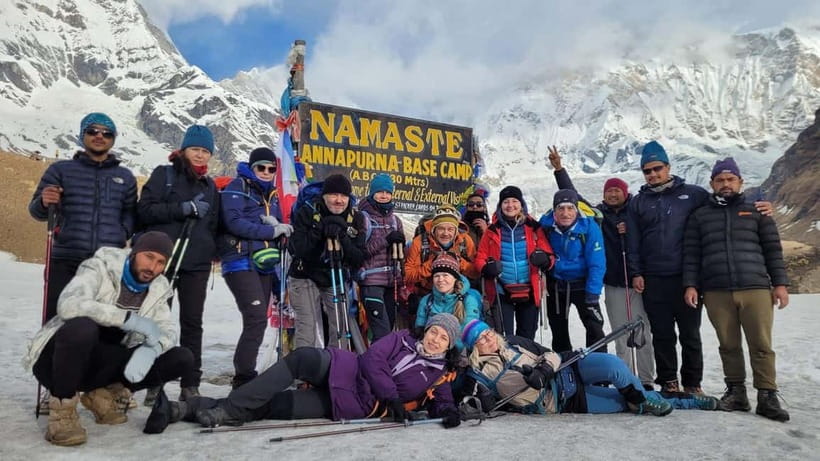
- Real rhythm (jeep + trek each day): you’re not only walking from the start, which helps keep the schedule sane
- Forest-to-ice progression: you climb through rhododendron and bamboo, then reach glacier country at 4130m
- A suspension-bridge day: Day 2 includes crossings and Modi River scenery to break up the trekking grind
- Base Camp is the point: Day 4 is your main altitude push to the Annapurna amphitheater
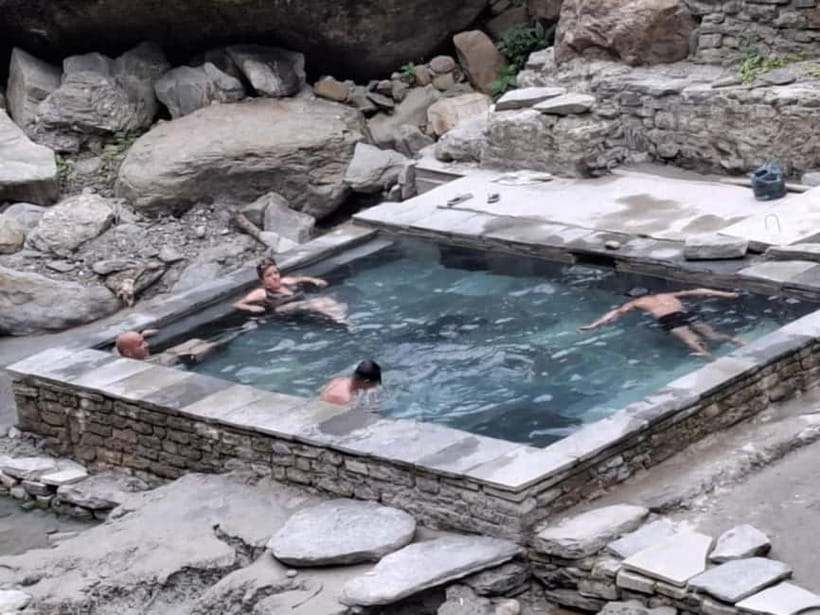
- Hot springs recovery at Jhinu Dada: a practical, welcome stop after several long hiking days
How the Annapurna Base Camp route is paced (and why it matters)
This 7-day plan is built around one idea: keep each day challenging, but not chaotic. You’ll start at Lakeside Pokhara at about 800m, then gradually step upward—2200m, 2400m, 3200m—before the big jump to 4130m at base camp.
What that means for you is pacing. If you’ve ever done a trek where day one feels easy and day three feels like a punishment, you’ll appreciate this route’s step-by-step altitude rise. The itinerary also uses a jeep for parts of Day 1 and Day 7, which reduces “wasted” time and keeps you from arriving at key trailheads completely worn out.
One more point: the plan centers around staying in basic but adequate lodges along the way, with your guide handling the logistics. That’s not just comfort. It reduces stress, so you can focus on hiking, photos, and adjusting to altitude.
You can also read our reviews of more tours and experiences in Naya Pul.


Lakeside Pokhara to Chhomrong: the jeep start and the village payoff
Day 1 begins early from Lakeside Pokhara (about 800m). After breakfast, you take a jeep for roughly 4 hours, with views over the Seti River, mountains, and rice fields. Then you switch to trekking for about 3 hours to Chhomrong, climbing as you go.
Chhomrong is a key village stop because it’s a real place, not just a dot on a map. You’ll pass through local farmland and see how village life sits under the shadow of the Annapurna region. It’s also a nice psychological boost: after the road portion, the trail feels like you’re finally “on the trek.”
Downside to plan for: the day includes a long vehicle segment before the hiking. If you’re the type who gets stiff in a seat, bring a small pad or wear shoes you’ve broken in well. Also expect the start to feel busy, since early mornings in Pokhara can be a bit of a shuffle.
Chhomrong to Dovan: suspension bridges, Modi River, and moving through forests
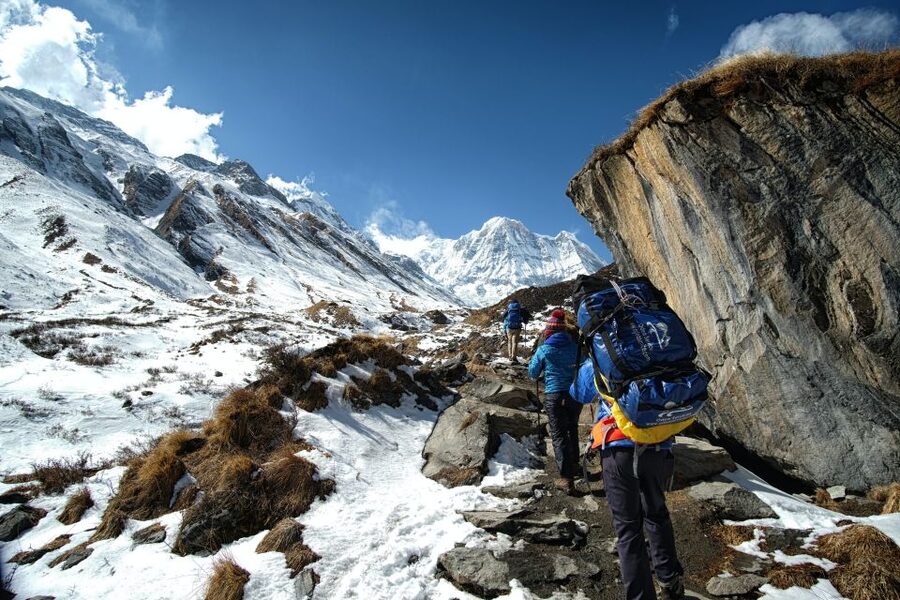
Day 2 runs from Chhomrong (2200m) toward Dovan (2400m) in about 5 to 6 hours. This is the kind of day where the climbing is steady, but the trail keeps changing: you’ll pass through lush forest and cross suspension bridges.
You’ll also get Modi River views along the way, plus wide perspectives toward Annapurna and Machhapuchhre. Those two moments—river and mountain views—matter because they give your eyes a break from your feet. On trekking days, that’s not fluff. It helps you keep a steady pace without feeling mentally stuck.
Practical note: suspension bridges are often wobbly in a fun way, but they can be nerve-wracking if you’re afraid of heights. Keep your focus on walking rhythm. Your guide should keep the pace comfortable.
Dovan to Deurali at 3200m: rhododendron, bamboo, and waterfalls
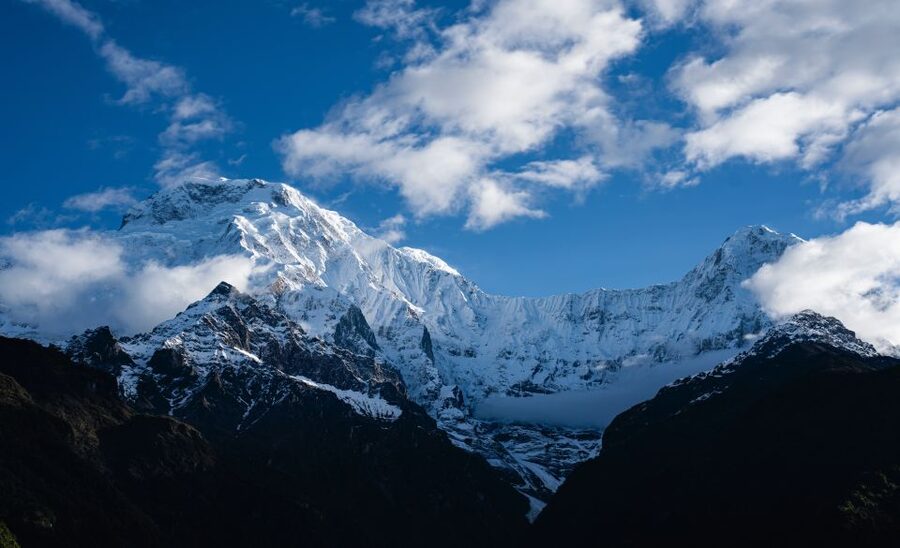
Day 3 climbs from Dovan to Deurali (around 3200m) in about 6 hours. Expect rhododendron and bamboo forests as you go higher, and be ready for waterfalls and more dramatic scenery.
This is the day you start feeling the “Himalaya texture” change—less farmland, more forest walls, and cooler air as altitude rises. The good part is that the trail feels varied. Even when your legs are working, you’re not walking through the same-looking stretch all day.
Possible drawback: waterfalls and slick trail sections can slow you down. Take shorter steps on wet areas and keep a steady grip with trekking shoes. If you’re carrying trekking poles, this is a good day to use them properly.
Deurali to Annapurna Base Camp: your 4130m amphitheater day
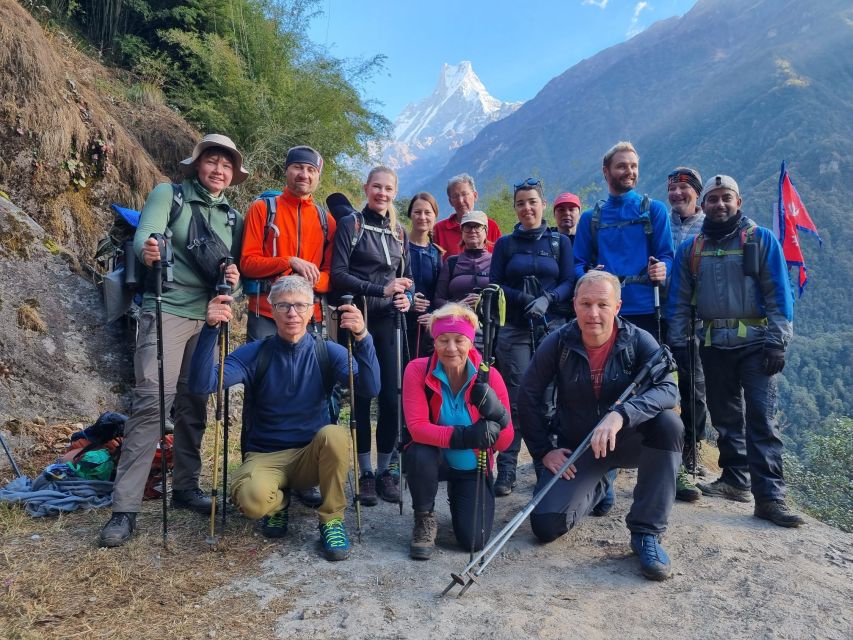
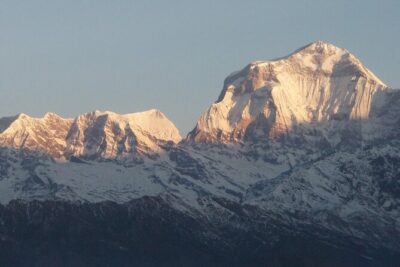
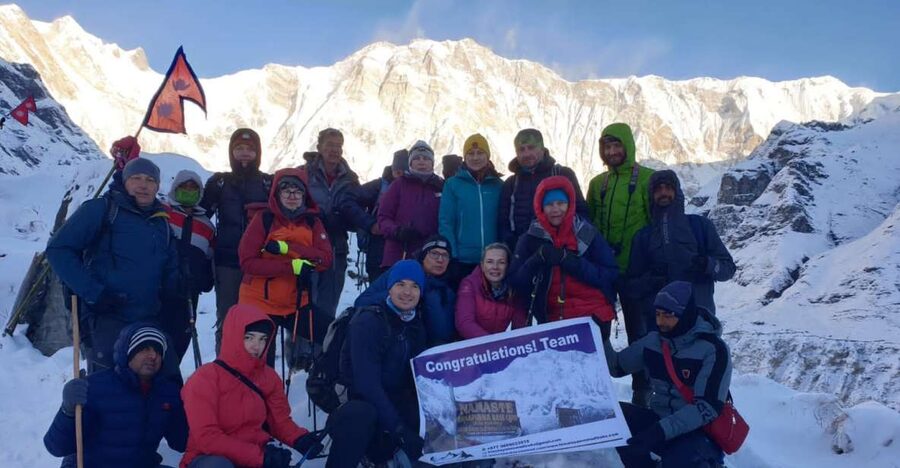
Day 4 is the main event. You trek from Deurali (3200m) up to Annapurna Base Camp (4130m) in around 6 hours. This is the day you’ve been building toward—standing in an amphitheater of peaks, with snow-capped mountains and glacier views all around.
This is also the day where a good guide makes a difference beyond route knowledge. From what I’ve seen on this trek, guides like Ghanshyam Silwal focus on safety and pacing, adjusting the hike rhythm to match each person. That can mean fewer stops just for show, and more stops when your breathing actually needs it.
What to expect on the trail: you’ll likely feel the altitude on your lungs, not just on your legs. Use a “slow and steady” approach. Plan to stop and take photos, but don’t let picture-taking turn into sprinting between viewpoints.
If you reach base camp feeling underwhelmed, it’s usually not the scenery—it’s timing. Give yourself a few minutes to adjust, then look around slowly. The scale of Annapurna doesn’t hit all at once.

Base Camp to Sinuwa: turning around and surviving the downhill
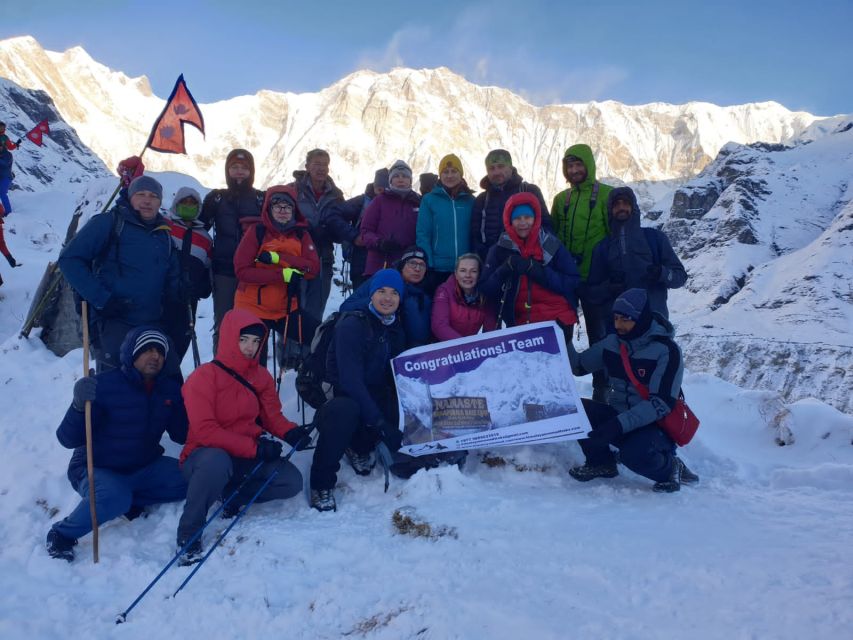
Day 5 brings you back from Annapurna Base Camp down to Sinuwa (around 2200m) in about 7 hours. You’ll retrace the route, and that’s exactly what makes this day important: downhill changes the workout. Suddenly it’s not “can I climb?” but “can my knees stay happy?”
The scenery will still be moving and changing, but your job is to manage impact. Short steps help. If you have trekking poles, keep using them for stability. And accept that this day can feel longer than it looks on paper.
The tradeoff is worth it. When you get to Sinuwa, you’re in a calmer zone again, and you can regain your energy for the next descent day.
Sinuwa to Jhinu Dada hot springs: real recovery for sore muscles
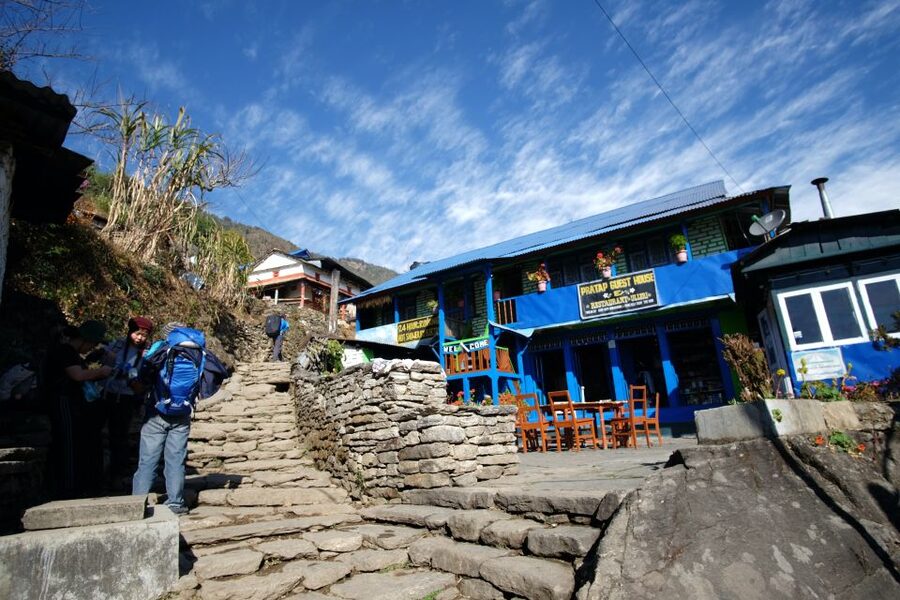
Day 6 takes you from Sinuwa (2200m) down to Jhinu Dada (about 1600m) in roughly 5 hours. The big reason to love this day is what comes at the end: hot springs at Jhinu Dada.
This isn’t just a nice add-on. After multiple long days, warm water helps you feel human again. It’s also a great mental shift: you stop pushing upward, soak, relax, and let your body recover before the final travel back to Pokhara.
Tip: bring a towel (it’s listed as part of what to bring), and keep your daypack organized so you can switch from hiking mode to soaking mode without rummaging for everything at the last minute.
Jhinu Dada to Lakeside Pokhara: a gentle finish with a jeep segment
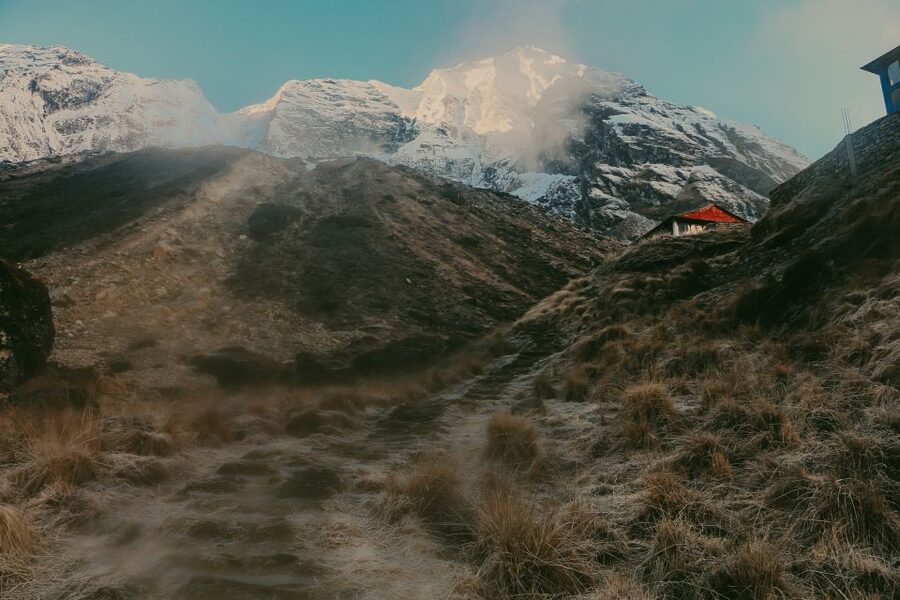
Day 7 is your return. Trek about 2 hours, then take a jeep back to Pokhara. On the way, you get the chance to reflect on what you just did—without any more steep climbs demanding attention.
This is also the day where you’ll notice your energy returns once the trail is done. You’ll still feel the hike in your body, but the trip stops asking you to solve problems. Take the long look from the vehicle windows, grab a comfortable meal in Pokhara afterward, and let the mountains fade from effort into memory.
Price and value: what $234 includes (and what you’ll still pay for)
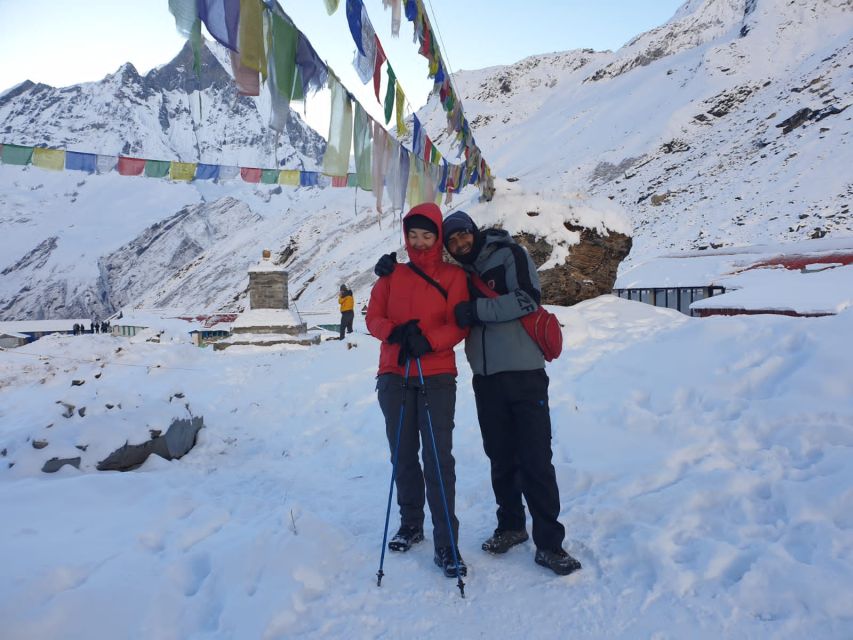
At $234 per person for a 7-day guided route, the value comes from what’s already handled for you. Your included costs cover trekking permits and required paperwork plus the Trekkers’ Information Management System fee. You also get a medical kit, your guide (including guide insurance and all guide expenses), and accommodation during the trek. Meals are included on the trek itself (breakfast, lunch, dinner) for the full package.
Transport matters too. The plan includes hotel pickup and drop-off. For the full package, you get deluxe transportation as per the itinerary and number of people. For non-full packages, shared bus transportation may apply. Since logistics can make or break a trip like this, having transport lined up helps.
What’s not included is where you should plan your budget:
- soft/hard drinks
- travel and rescue insurance (strongly worth getting)
- lunch/evening meals in Pokhara
- your personal expenses like phone charges, laundry, shower, and extras
- bottle or boiled water and snacks bought along the trail
- porter service (available for purchase)
One practical way to think about value: paying $234 for an organized, guided trek is cheaper than building everything yourself in Nepal, especially if you want permits, paperwork, lodging coordination, and a guide handling the trail rhythm.
Guides, pacing, and safety: why experienced support matters here
This is a trek where conditions change day to day, and where breathing at altitude is its own skill. A good guide helps with route flow and decision-making, and also with morale on tired evenings.
On this trek, I’ve seen guides described as adjusting pace so people can reach the goal together. Examples from guides associated with this route include Ghanshyam Silwal, Jeet, and Prakash. These guides are also described as patient and safety-focused, including helping if someone isn’t feeling well during the trip.
Then there’s the human side. One of the best things about a guided trek is what happens in the evenings: shared games, conversation, and even dancing while you’re still on a trekking schedule. It’s not about being silly for the sake of it. It’s about building a group rhythm so the days feel smoother.
Your operator, Himalayan Nomad Treks Pvt. Ltd., is also represented by Ramesh in the planning stage, with quick communication and hotel check-in on the way out and back.
What to pack for this exact 7-day rhythm
The essentials listed for this trek are practical, not theoretical. Here’s the packing focus that matters most on a week like this:
- Trekking shoes you’ve already worn in
- a jacket for cooler higher elevations
- sunscreen and sunglasses (altitude sun is real)
- long pants and a few T-shirts (layering beats one heavy item)
- a sleeping bag
- towel (handy around Jhinu Dada hot springs)
- your ID or passport
- camera (base camp is why you came)
Also think about how you’ll carry your day stuff. You’ll want easy access to water, a light layer, and something for sun. If you’re bringing a sleeping bag, make sure it’s sized for cool mountain nights.
Who this trek suits best
This trek fits best if you want a guided plan, consistent daily pacing, and a route that moves from Pokhara into real village trails. It’s also a good match if you like your big days to be worth it: base camp is the highlight, and hot springs is the recovery payoff.
If you don’t like uncertainty, you’ll appreciate the included permits, medical kit, and guide support. If you’re someone who values comfort with boundaries—basic lodges and included trek meals—the full package approach is a sensible way to keep daily stress low.
If you’re sensitive to altitude or have knee issues on downhills, pay special attention to your pace and your downhill technique. The itinerary includes significant descent after base camp, so good footwear and careful steps aren’t optional.
Should you book it?
If your dream is to stand at Annapurna Base Camp and then soak at Jhinu Dada to get your legs back on speaking terms, this is a solid, well-structured 7-day trek. The $234 price is most attractive when you want the permits, paperwork, guide, trek meals, and trek accommodation handled so you can focus on the hiking.
I’d book it if:
- you like having a guide set the pace and manage the details
- you want a clear schedule with a top day and a recovery day
- you’re okay with basic lodge life and long hiking hours
I’d think twice if:
- you know downhills trigger knee problems and you can’t manage impact
- you prefer fully independent travel without a guide
FAQ
Where does the trek start and end?
The trek starts in Lakeside Pokhara and ends back in Lakeside Pokhara.
What is the highest altitude on this trek?
The highest point is Annapurna Base Camp at approximately 4130m.
How long is the trek?
The trek lasts 7 days.
Are meals included?
All meals (breakfast, lunch, dinner) during the trek are included for the full package. Lunch and evening meals in Pokhara are not included.
Do I get accommodation during the trek?
Yes. Accommodation during the trek is included.
Is Jhinu Dada hot spring included?
Yes. On the way down, you’ll go to Jhinu Dada and have the opportunity to soak in the hot springs.
What languages will the guide speak?
The guide is available in English, Hindi, and Nepali.
Is porter service included?
No. Porters are available for purchase.
FAQ
Is hotel pickup and drop-off included?
Yes, hotel pickup and drop-off are included.
Do I need trekking permits?
Yes, trekking permits and the necessary paperwork are included.
What should I bring for the trek?
You’ll want items like a passport or ID card, camera, sunscreen, sleeping bag, hiking shoes, jacket, towel, and trekking gear.
Can I choose a pickup time?
Pickup is optional, and you should wait in the hotel lobby about 10 minutes before your scheduled pickup time.
Is this a private group?
Yes, it’s listed as a private group.
How much trekking happens each day?
Daily trekking varies, with some days including a jeep segment plus several hours on foot (for example, Day 1 includes about 3 hours trekking, and Day 4 includes about 6 hours).
Is the price fixed or does it depend on what package I pick?
The listed price is per person. The inclusions note that shared transportation applies to non-full package options.
Is cancellation possible after booking?
Free cancellation is offered up to 24 hours in advance for a full refund.