REVIEW · NAYA PUL
Pokhara: 3-Day Ghorepani, Poon Hill and Ghandruk Guided Trek
Book on GetYourGuide →Operated by Himalayan Nomad Treks Pvt. Ltd. · Bookable on GetYourGuide
This trek hits the sweet spot between effort and payoff. You’ll climb to Poon Hill at 3,210m for sunrise views and then spend time in Ghandruk, a Gurung village with real cultural texture. One thing to weigh: the plan’s walking hours and lodging quality can be uneven.
I love that the route mixes big mountain moments with hands-on village life. On the trail you’ll pass through rhododendron forests and get that step-by-step Himalayan rhythm, and you also get time to explore stone houses, temples, and local life in Ghandruk. The sunrise can be worth the early start, but you should expect crowds and noise at Poon Hill.
A possible drawback is simple: your comfort level depends on which tea house or hotel you’re assigned in Ghandruk. In one past stay, the lodging choice was a major letdown, so I’d go in with flexible expectations (especially for night 2).
In This Review
- Key highlights to know before you go
- The big idea: why this short trek feels like a lot
- Getting from Pokhara to the trail: scenic drive, then stairs
- Day 2: Poon Hill sunrise and the big-view payoff
- Day 3: Ghandruk morning culture, then the hike back down
- The route’s altitude story: 3210m isn’t a joke
- Food, comfort, and what’s actually included
- Guides and pacing: you get more than directions
- Price and value: $207 and where it makes sense
- What to pack and how to keep it comfortable
- Who this trek suits best (and who should skip it)
- Should you book this trek?
- FAQ
- What is the highest altitude reached on this trek?
- Is this trek private or shared?
- What languages will the guide speak?
- How many nights will I stay during the trek?
- Are meals included?
- Is a porter included?
- What accommodations can I expect at Ghorepani and Ghandruk?
- What should I bring?
- Meta note
Key highlights to know before you go

- Poon Hill sunrise at 3,210m: dramatic Annapurna range and Dhawalagiri views from a classic viewpoint
- Rhododendron forest hiking: repeated uphill and downhill sections with lots of stairs energy
- Ghandruk Gurung culture time: village walk, temples/monasteries, and chances to try traditional dress
- Tea house basics on the first night: charming, simple, and good for a short trek
- Private, licensed English-speaking guiding: English/Hindi support and pace tailored to you
- Crowds are a real factor: sunrise trail sections can get busy, so plan your mindset
The big idea: why this short trek feels like a lot

This is the kind of 3-day trek that works because it concentrates effort where it matters. You get a high point for sunrise and wide views, but you’re not doing a long, exhausting multi-week trek. The Annapurna region is famous for a reason, and this route gives you the camera-ready moments people travel for—without requiring marathon stamina.
You’ll also get something that often gets skipped on “views only” itineraries: time in a local community. Ghandruk is primarily Gurung, and the village experience is part of the point, not a bonus. That means you’re not just moving through scenery—you’re meeting life at the altitude where people actually live.
The other reason this works for many hikers: your guide isn’t just a translator. A licensed English-speaking guide helps with timing, pace, and navigating the trail’s rhythms. In at least one case, a guide named Helen stood out as encouraging and helpful—especially for a partner who wasn’t an experienced walker. That detail matters, because on a short trek, your energy budget is everything.
You can also read our reviews of more tours and experiences in Naya Pul.


Getting from Pokhara to the trail: scenic drive, then stairs

You start with hotel pickup in Pokhara, then settle into a 4-wheel jeep for a very scenic drive to Nayapul. The road runs along mountain views, rivers, and green fields, then you continue along the Modi Khola River through small villages and rhododendron forests. This part is often underrated. It’s not “just transport”—it’s your first taste of the Annapurna foothills and the sense that you’re gradually moving uphill, not suddenly dropped into altitude.
Once you reach Nayapul, you make your way toward Tikhedhunga, then you’re driven up to Ulleri. From there, the trekking begins in earnest. The climb toward Ghorepani is built on a steady stair rhythm, and you should treat it like a workout. Expect it to be more step-focused than “walk in the woods.” One earlier guest called out that there are lots of stairs up and down, and that’s exactly the kind of effort this route demands.
By the end of Day 1, you’ll be sleeping at Ghorepani around 2,840m. Tea houses here are basic by design: simple rooms, simple facilities, and a food setup meant for trekkers moving through. The comfort level is part of the deal. If you want five-star luxury in the mountains, this isn’t that trek.
Practical reality check: Day 1’s trek time can be shorter than some itineraries suggest. If you’ve got stiff legs and you’re counting on an endurance-building walk, keep an open mind and focus on the big picture: you’re positioning yourself for sunrise and the next day’s viewpoints.
Day 2: Poon Hill sunrise and the big-view payoff

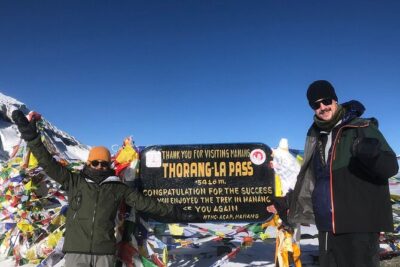
Day 2 is the reason people pick this trek. You climb from Ghorepani to Poon Hill (3,210m) early enough to catch sunrise. The effort is real—this is the steep, early push that tests your willpower. But once you get up there, the views are the payoff: the Annapurna range stretches out, and Dhawalagiri shows up in the overall mix.
This is also where you need a plan for crowds. Poon Hill sunrise can be busy and noisy, and that can affect the feeling. If you want quiet awe, you may not get it at the exact moment the sun appears. I’d still go for it, but I’d adjust expectations: think “powerful moment in a shared viewing area,” not “private mountaintop solitude.”
After sunrise and time for photos, you trek down toward Ghandruk via Tadapani. This section is a steep descent. That matters because downhills can hit your knees more than the uphill hits your heart. Take short steps, use trekking poles if you have them, and don’t rush just because the destination feels close.
The trail also runs through jungle and forest sections with scenery along the Modi River area. It’s not only about the big view; the in-between moments are your reward for getting through the steep sections.
You finish the day in Ghandruk (around 2,000m) and sleep in a hotel there. Here’s the balanced note: many stays in Ghandruk can be pleasant because there are multiple lodges and hotels in the village. Still, the specific accommodation you get can make or break the mood. One guest had a very rough experience at a property called Hungry Eye, describing broken/non-functional details and dirty bedding. Another guest loved their Ghandruk stay but had a small quibble about the accommodation choice and the fact that they didn’t meet many other trekkers there.
My advice: treat Ghandruk lodging as variable. If you’re the type who needs clean, functional basics no matter what, ask your guide/agency what the planned hotel is and what standards they’re aiming for.
Day 3: Ghandruk morning culture, then the hike back down

Day 3 starts with an early look at sunrise again—either from a viewpoint near your hotel or from the terrace area. It’s a chance to see if your Ghandruk morning feels different from Poon Hill. In many cases, the second sunrise feels calmer because you’re not fighting the viewpoint crowd.
Then you explore Ghandruk with a focus on Gurung community culture. The village is known for bravery and hospitality, and you’ll find traditional stone houses with wood carvings, plus ancient monasteries and temples you can visit. There’s also a spot where you can wear authentic Gurung dress and take photographs. It’s one of those activities that can feel touristy in the wrong place—here it’s more about understanding how locals present tradition.
What I like about this day is that it slows the pace after two more intense mountain-focused days. You still hike down later, but you’re also doing something meaningful with your time above ground: learning how people live and what matters to their community.
After that, you trek down toward Nayapul along the Modi River. Then comes the last transfer: a drive back to Pokhara, where you can reflect on the trek and enjoy a farewell Nepalese typical dinner in Lakeside.
One more practical heads-up: Day 3 trekking time can be shorter than what’s printed in some plans, and some walking may happen on paved roads before pickup. In one account, Day 3 trekking was described as around 1 hour with additional walking on paved surfaces. Don’t assume you’ll get the same “trail-only” experience on every day—stay flexible and prepared.
The route’s altitude story: 3210m isn’t a joke

You’ll reach 3210m at Poon Hill, and you’ll pass through Ghorepani at 2,840m. Day 1 includes climbs toward Ulleri and Ghorepani. Day 2 drops down from the viewpoint back toward lower elevation in a descent that can feel relentless if your body isn’t used to downhill.
This is why fitness matters even on a “short” trek. You don’t need to be a marathon athlete, but you should be comfortable with inclines and stairs. Pack for weather changes too. Mountain conditions can be clear and sunny, but rain—and sometimes snow—can happen. Layering is not optional.
If you’re thinking about altitude safety, your number one move is getting travel insurance with high-altitude coverage. The trek provider notes they can assist with rescue if needed, but they don’t list insurance as included. That’s a key difference: having a plan ahead of time protects you if something goes wrong.
And if you’re planning for pregnancy: this trek is not suitable for pregnant women.

Food, comfort, and what’s actually included

On the mountain, you’re living the tea house rhythm. Tea houses and lodges usually have basic rooms and meals that are aimed at keeping trekkers fueled. Food is generally available, and a common favorite on trekking days is dal bhat (lentils and rice). If you want consistent energy, that’s the simplest, safest bet.
Meals are included during the trek for a Full Package option (breakfast, lunch, dinner). If you’re not on a full package, you may need to plan on paying for some meals yourself. Either way, soft and hard drinks are not included, so bring cash or plan to buy water and drinks along the way.
Comfort level varies most on two things:
1) the tea house you get on Night 1 at Ghorepani
2) the hotel you get in Ghandruk on Night 2
Night 1 is expected to be basic, and that usually doesn’t surprise anyone. Night 2 is where the variability matters more. One very unhappy stay at Hungry Eye suggests that not every option in Ghandruk meets the same standard. Meanwhile, other guests reported their Ghandruk stay as enjoyable. Translation: it’s worth confirming the exact lodging before you set your expectations.
Guides and pacing: you get more than directions

This is a private group trek with an authorized/licensed English-speaking guide. Languages listed are English and Hindi. The guide’s value is in pace and route sense, not just reading a map.
One guest described the guide as experienced and accommodating to desires and trekking pace. Another praised how the guide handled a partner who became sick by responding with care and reorganizing the trek so the easier descent route could happen. That’s exactly what you want in a short trek: someone who can adjust quickly instead of pushing forward with a fixed script.
If you have specific needs—short breaks, slower pace, or you’re nervous about the climbs—say it early. On a 3-day itinerary, tiny pacing mismatches add up.
Price and value: $207 and where it makes sense

At $207 per person for 3 days, this is positioned as a mid-budget guided trek. You’re paying for a few concrete things: licensed guide time, trekking permits and paperwork (including TIMS fees), accommodations for two nights in the trekking area, a hotel night in Pokhara at Hotel Orchid, and transport with pickup/drop-off.
What makes the value feel real is the package nature. You’re not just buying a guide for a couple of hours—you’re buying coordination: permits, logistics, meals (in the full package), and transfers. Also included are staff expenses for guide support—another sign you’re not piecing together your own system from scratch.
Where value can drop is what you personally need for comfort. If the planned Ghandruk lodging is poor, the trek can feel less like a good deal and more like a gamble. So treat value as: good price for a structured trek, but you still want basic lodging standards.
One more thought: porter service is not included. If you want to travel lighter—or if you’re carrying more than a small daypack—you’ll either need a porter arrangement yourself or prepare to carry your own gear.
What to pack and how to keep it comfortable

For this kind of trek, your list is simple: comfortable shoes, warm clothing, sunglasses, sunscreen, a jacket, and a towel. You’ll also want basics like a water bottle and a headlamp. Trekking poles are helpful, especially on steep descents.
Also bring layers. Daytime can feel warm, but sunrise and early mornings at altitude turn “just a light jacket” into “wish I had brought more.”
Hydration matters, but the specifics (like boiling or bottled water choices) aren’t listed beyond personal expenses. Plan on paying for water and keep enough for both the climb and the descent days.
Finally: respect the mountains. Pack out trash and follow local customs. It’s the easiest way to protect the experience for you and for the next group.
Who this trek suits best (and who should skip it)
This tour fits well if you:
- want a short trek with a clear goal (sunrise at Poon Hill)
- can handle lots of stairs and steep sections
- enjoy village culture as much as mountain photos
- prefer the safety and pacing support of a licensed guide
It’s not ideal if you:
- hate early mornings (sunrise days start early)
- have knee issues with steep descents
- are very sensitive to lodging quality variations in Ghandruk
And again, it’s not suitable for pregnant women.
Should you book this trek?
I’d book this trek if you want a compact Annapurna taste: Poon Hill sunrise, rhododendron forests, and real time in Ghandruk. The structure and guiding support make it a smart choice for many walkers, especially if you’re willing to work a bit for views.
But I’d be cautious if lodging comfort is your top priority. Because accommodation quality in Ghandruk can vary, I’d ask the provider what exact hotel you’ll get for the second night and what the standard is like. If you can live with basic mountain accommodations and flexible expectations on the hotel front, this is a solid, value-driven way to experience the region fast and in a guided, low-stress format.
If you do go, train for stairs and pack warm layers—you’ll enjoy the sunrise more, even if the viewpoint is crowded.
FAQ
What is the highest altitude reached on this trek?
Poon Hill is listed at 3,210m (10,531 ft), and you also pass through Ghorepani at about 2,840m (9,318 ft).
Is this trek private or shared?
It’s a private group trek.
What languages will the guide speak?
The guide is available in English and Hindi.
How many nights will I stay during the trek?
You’ll have two nights in trekking accommodations (tea house/lodge/hotel) and then one last night in Pokhara at Hotel Orchid.
Are meals included?
All meals (breakfast, lunch, dinner) during the trek are included for the Full Package option. Soft and hard drinks are not included.
Is a porter included?
No porter is included.
What accommodations can I expect at Ghorepani and Ghandruk?
Ghorepani is expected to be basic tea house-style accommodation. Ghandruk has hotel accommodation, but the exact standard can vary by property.
What should I bring?
Bring a passport or ID card, comfortable shoes, warm clothing, sunglasses, a towel, sunscreen, and a jacket.
Meta note
Pricing shown: $207 per person. Duration: 3 days. Provider: Himalayan Nomad Treks Pvt. Ltd.