REVIEW · NAYA PUL
Pokhara: 3- days Poon Hill Trek
Book on GetYourGuide →Operated by Travel Guides · Bookable on GetYourGuide
Three days, one jaw-dropping Himalayan sunrise. From Pokhara, this Poon Hill and Ghorepani hike lines you up for showstopper views of Machapuchare and the south side of Annapurna, then caps it with a pre-dawn scramble for light at Poon Hill. I love the sunrise payoff and the village rhythm of stops like Tikhedhunga and Ulleri. The one thing to watch is that the trek needs moderate fitness and starts early, so you’ll want to be ready for cold mornings and a long day of walking.
A big part of why this trek feels smooth is the human touch. Your guide, Rajesh, brings Nepal into focus with clear, practical context about mountains and culture, and he keeps the logistics grounded with permits handled as part of the trip plan.
In This Review
- Key highlights that make this trek worth it
- Poon Hill sunrise and the Machapuchare–Annapurna view
- The 3-day rhythm from Pokhara: what the route does to your body
- Day 1: Nayapul, Tikhedhunga break, and an Ulleri village night
- Day 2: the walk to Ghorepani, Machapuchare moments, and rhododendron color
- Day 3: Poon Hill before sunrise, then Hille and back to Pokhara
- Why the guide (Rajesh) changes the experience
- Price and logistics: is $147 good value?
- What’s included (and what you’ll pay for separately)
- Packing for cold mornings, long walking days, and photos
- Who this 3-day Poon Hill trek suits best (and who should rethink it)
- Should you book this Poon Hill trek from Pokhara?
- FAQ
- How long is the Poon Hill and Ghorepani trek?
- What sights will I see during the trek?
- Is breakfast included?
- What’s included in the $147 per person price?
- Do I need cash during the trek?
- Is a porter available?
- What fitness level do I need?
- What about language and communication?
Key highlights that make this trek worth it
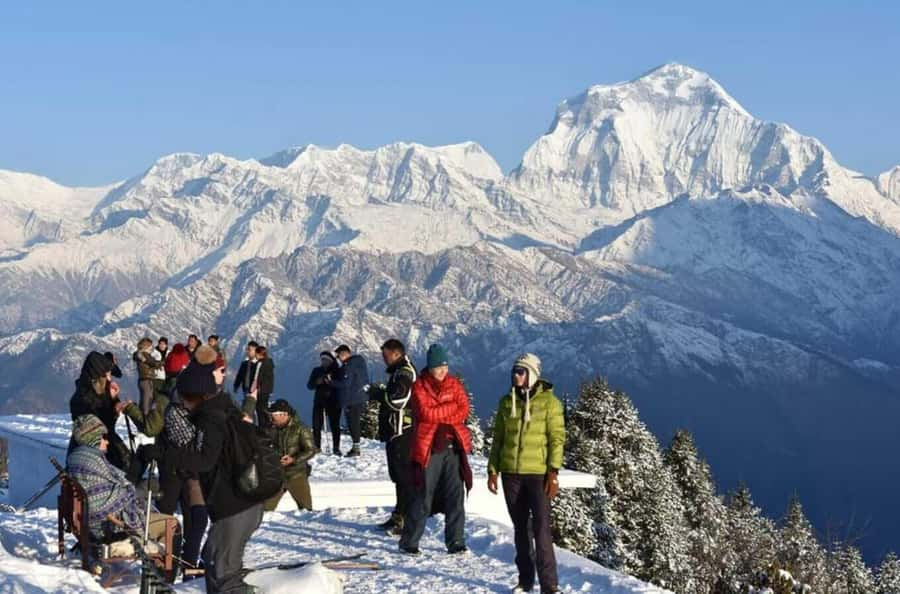
- Poon Hill sunrise: an early start for panoramic mountain light that’s the whole point of the route
- Tikhedhunga and Ulleri: small village walks that break up the climbs and add local texture
- Machapuchare views + Annapurna south side: the scenery isn’t just one mountain, it’s a whole wall of peaks
- Rhododendron scenery on Day 2: color shows up in the middle of the trek, when you’re already warmed up
- Hearty tea-house breakfast rhythm: fuel matters on days with uphill sections
- Guide Rajesh and organized timing: less guesswork, more time spent looking out at the views
Poon Hill sunrise and the Machapuchare–Annapurna view
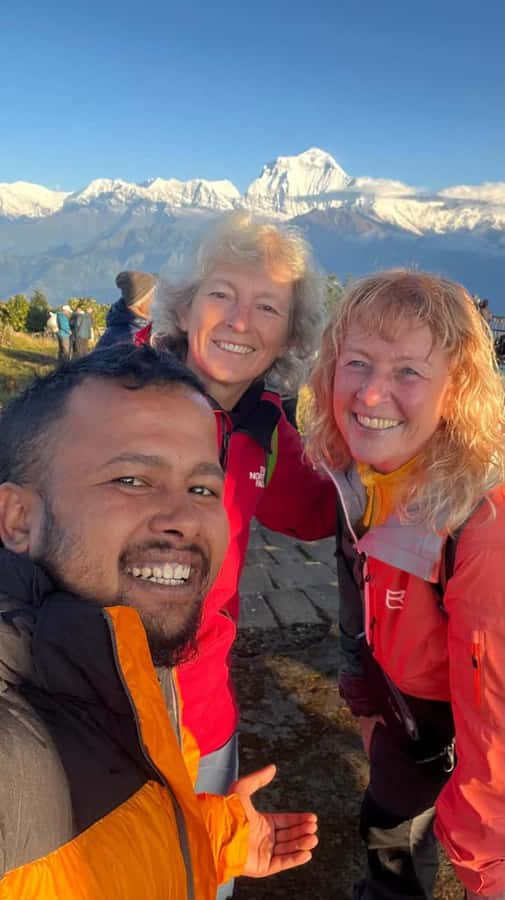
This trek’s main promise is simple: get you to the right place, early enough, so the mountains look their best. Poon Hill is famous for a reason. Even if you’re not chasing photography perfection, the first rays of sunlight stretching across the peaks are the moment you remember later—when you’ve stopped walking and your legs are finally quiet.
What I like here is the mix of big-mountain drama and real walking. You’re not just reaching a viewpoint and leaving. You spend the day moving through the foothills, where the route itself gives you multiple angles on Machapuchare Mountain and the Annapurna region. The view isn’t one straight poster; it changes as the path climbs, dips, and climbs again.
You can also read our reviews of more tours and experiences in Naya Pul.


The 3-day rhythm from Pokhara: what the route does to your body
This is a three-day trek with a clear progression: Pokhara to Ulleri on Day 1, Ulleri onward to Ghorepani on Day 2, then an early push to Poon Hill on Day 3 followed by a descent back toward Pokhara. That pacing matters. Day 2 is where you really feel the “working trek” part, while Day 3 is about timing—wake up, climb early, enjoy, then get moving downward.
Expect uneven footing on mountain paths and some uphill sections that can feel steeper than the map makes them look. The trip is listed as moderate fitness, and that tracks: if you can do a brisk hike for a couple of hours without needing long stops, you’ll likely manage. If you’re unsure, bring trekking poles if you have them, and don’t rush the first day. You’ll feel stronger on Day 2 if you start calmly.
Day 1: Nayapul, Tikhedhunga break, and an Ulleri village night
Your day starts with a pickup from your hotel in Pokhara, then a drive to Nayapul. From there you hike along the Bhurungdi River corridor, which helps because you’re not immediately thrown into a steep climb. It’s a good warm-up stretch where you can settle into your pace and figure out your rhythm.
Once you reach Tikhedhunga, you get a break and a little local context. Tikhedhunga is known for yoga retreats, and that fact isn’t just trivia—it hints at why this area gets visitors who want calm, not chaos. It’s a quick moment to reset before continuing uphill.
Then the hike continues to Ulleri, a village where you spend the night. Ulleri is one of those places that makes the trek feel human-sized. Instead of only thinking about peaks, you notice daily life: narrow paths, small homes, and the way tea-house stops fit naturally into the day. For many people, that’s when the trek stops feeling like a chore and starts feeling like a journey.
Day 2: the walk to Ghorepani, Machapuchare moments, and rhododendron color
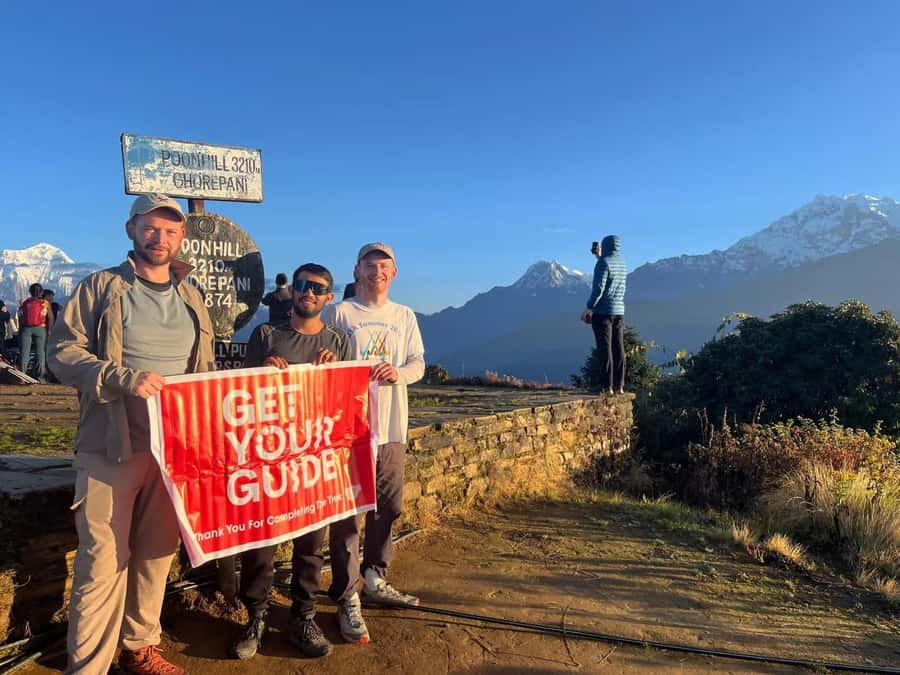
After a hearty breakfast, you move toward Ghorepani. This is the day where the scenery keeps paying you back. As you walk, the views open up—Machapuchare comes into frame more clearly, and you also get sightlines toward the south side of Annapurna.
The route also features colorful rhododendrons. Timing matters with flowers in any mountain region, but if you hit it during a good season window, you’ll see why people remember this stretch. Even when blooms aren’t at peak, the vegetation still gives texture to the path so you’re not just staring at rocks all day.
When you arrive in Ghorepani, you get your second night. Ghorepani is essentially the staging point that sets up the sunrise on Day 3. That means it’s less about checking off a box and more about resting well—hydrating, eating something filling, and getting your warm layers ready for the pre-dawn push. If you skimp on sleep, the sunrise climb will feel longer than it looks.
Day 3: Poon Hill before sunrise, then Hille and back to Pokhara
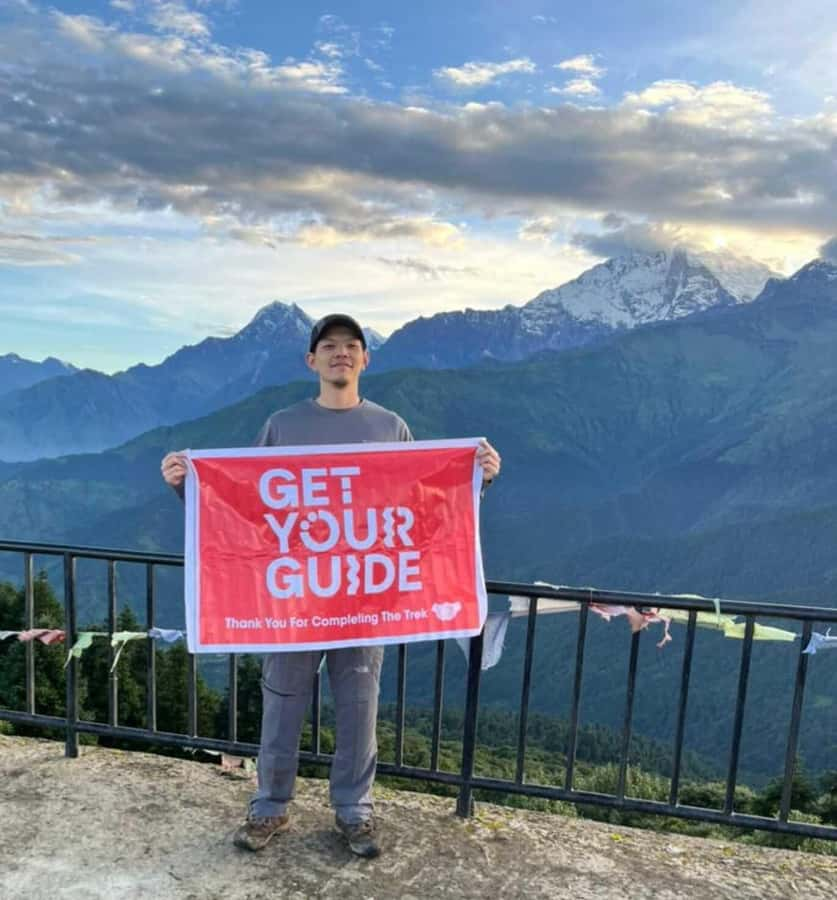
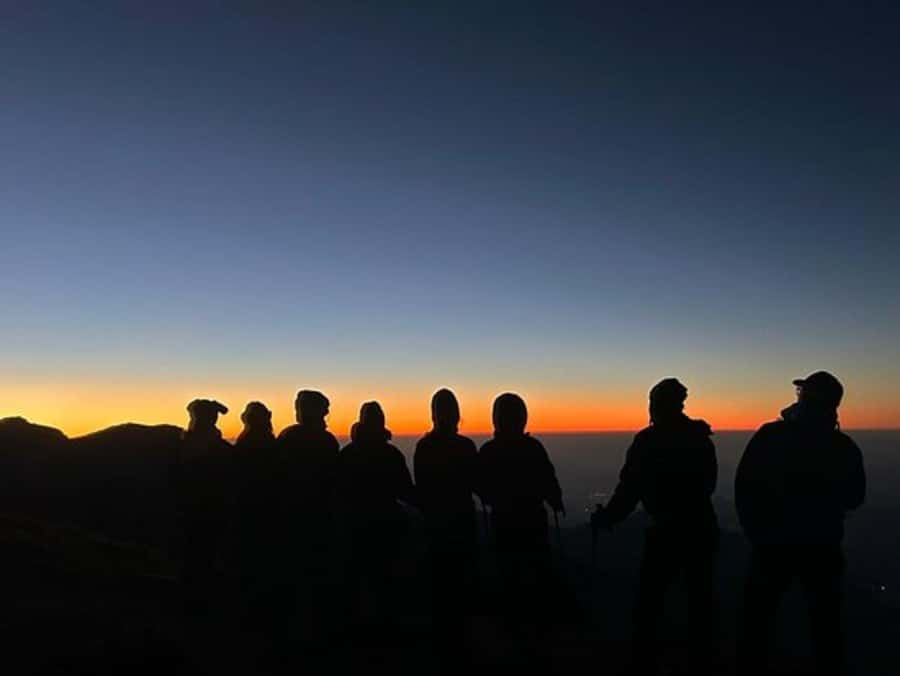
Day 3 starts before sunrise. You’ll head up to Poon Hill in the dark, with the goal of being there when the sky begins to change. The early climb is worth it, not because it’s easy, but because it’s timed to the moment the mountains reveal themselves in layers.
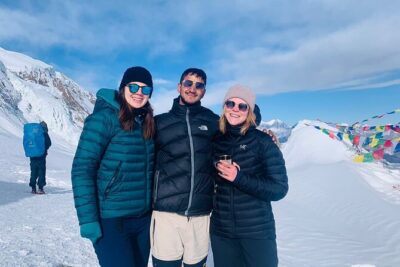
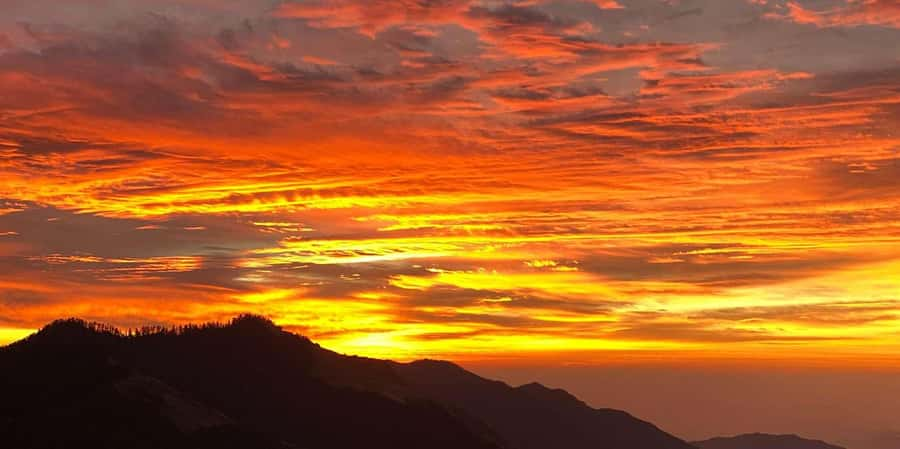
When you reach the top, you get panoramic views across the region. This is the payoff scene: the first rays of sunlight begin to stretch across the mountains, and it can feel like the whole view is turning on at once. Bring your camera, but also leave room for just standing there. With this kind of sunrise, half the value is letting your brain catch up to what your eyes are seeing.
After you enjoy the moment, you descend. You head back toward Nayapul, where a minibus waits to take you back to Pokhara. The contrast is satisfying: intense early hours on the way up, then a calmer downhill back to civilization.

Why the guide (Rajesh) changes the experience
The trek includes a professional guide, and the name you’ll likely hear in the group is Rajesh. From the feedback I’ve seen about this experience, his big strength is communication. He doesn’t just point the way; he gives you context about Nepal, the mountains, and culture, which makes the walk feel more meaningful than a track you follow blindly.
Rajesh also keeps the itinerary working. That matters on a trek with early starts and changing conditions. Weather can affect what happens during the days, and when a guide is organized, you’re less stressed when adjustments are needed.
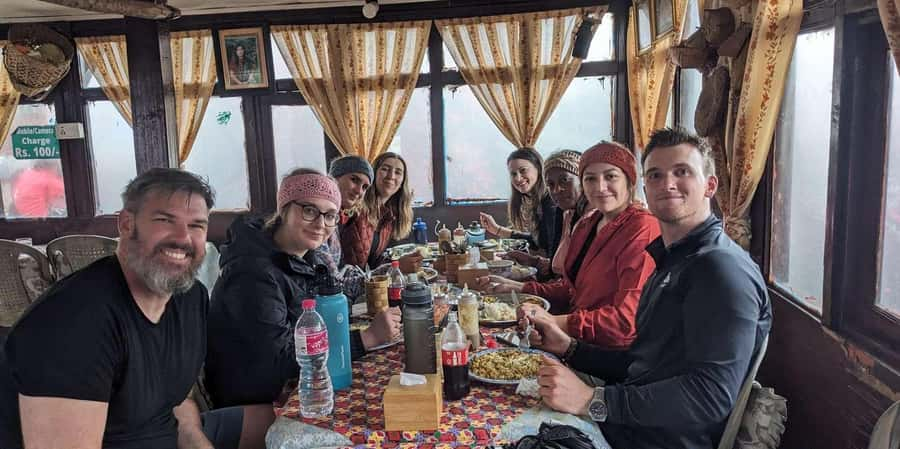
Another small but important point: food and tea-house choices. Meals aren’t included in the price, but what matters is where you’re directed to eat after a long day. With a good guide, you’re less likely to end up hungry, irritated, or stuck with a menu that doesn’t work for your energy levels.
Price and logistics: is $147 good value?
At $147 per person, the price feels fair because several costs that many trekkers end up paying separately are included. You get hotel pickup and drop-off in Pokhara, a professional guide, permits, accommodation during the hike, a sharing jeep, and a water bottle for each person.
That’s a solid bundle because permits and guided routing aren’t minor details on a trek in this region. They reduce uncertainty, and they also help you focus on walking and views instead of paperwork. Sharing jeep means you’re not paying for a private car ride, which helps keep the overall cost in check.
What’s not included is equally important. Food isn’t included, along with personal expenses. If you want a porter, that’s optional at $20 per day. If you carry your own daypack, you’ll likely be fine with light essentials, but if you’re bringing extra camera gear or you don’t want to feel the pack weight on your knees, budgeting for a porter can be a smart comfort choice.
For my money, the best value piece is the combination of included guide + permits + accommodation. Those three items are what often turn a basic trek idea into an actually workable plan.
What’s included (and what you’ll pay for separately)
Here’s the practical split you should plan around:
Included:
- hotel pickup and drop-off in Pokhara
- professional guide
- permits
- accommodation during the hike
- sharing jeep
- water bottle to each
Not included:
- food
- personal expenses
- porter available on $20 per day
So yes, you’ll still need to budget for tea-house meals. The good news is that the trek’s schedule builds in time for breakfast and regular stops. The better your fitness and attitude on the uphill segments, the more satisfying those meals will feel.
Packing for cold mornings, long walking days, and photos
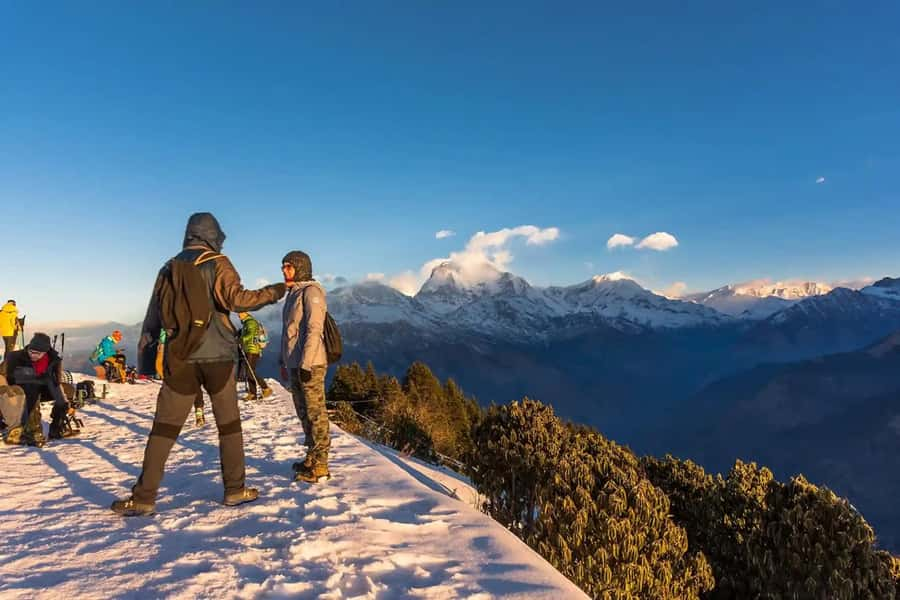
This trek is simple in gear needs, but the mountain weather doesn’t do mercy. Pack for a range of temperatures and expect early mornings.
Bring:
- comfortable shoes and hiking shoes (the trek implies proper footwear matters)
- warm clothing and a hat
- sunscreen and a camera
- snacks for energy between meals
- water (you’ll receive a water bottle, but carrying more if you prefer is a smart move)
A couple of practical notes that can save you hassle:
- Start thinking in layers. The pre-dawn climb can feel much colder than the daytime walk.
- Sunscreen matters even when it’s cool. High-altitude sun can be strong.
- Carry Nepalese Rupees for personal expenses since ATMs are scarce. Don’t assume you can top up cash easily during the trip.
Also, smoking isn’t allowed. It’s one of those rules that keeps the trekking environment calmer for everyone.
Who this 3-day Poon Hill trek suits best (and who should rethink it)
This trek is for people with a moderate fitness level. It’s not a flat stroll, but it’s also not an extreme mountaineering expedition. If you enjoy steady walking, want big viewpoints, and like village life along the way, you’ll probably love the structure.
It’s not suitable for children under 9 years, pregnant women, and people with back problems. If you’re in any of those categories, it’s worth choosing a different itinerary with less uphill strain or less early-morning pressure.
If you’re traveling alone, it can still work because the group moves together with a guide and shared transport. If you’re the kind of traveler who wants to spend more time looking at mountains and less time handling logistics, this setup fits well.
Should you book this Poon Hill trek from Pokhara?
I’d book it if you want a classic Annapurna-region experience with two big rewards: Machapuchare views during the walk and a sunrise at Poon Hill that’s timed properly. The included guide and permits make it feel organized, and Rajesh’s communication style is specifically praised—those details matter on a trek where early starts and weather shifts can change the day.
Don’t book it if you hate early mornings, have limited mobility, or aren’t comfortable carrying your gear while walking uphill. Also, be realistic about food costs since meals aren’t included.
If you’re on the fence, the deciding factor is usually your comfort with moderate fitness plus cold pre-dawn hours. If that’s a yes, this is a strong value way to see one of Nepal’s most famous sunrise viewpoints.
FAQ
How long is the Poon Hill and Ghorepani trek?
It’s a 3-day trek from Pokhara, with hiking each day and an early sunrise climb on Day 3.
What sights will I see during the trek?
You’ll see views of Machapuchare Mountain and the south side of Annapurna, plus panoramic views from Poon Hill. The route also features colorful rhododendrons.
Is breakfast included?
Breakfast is included as part of the trek’s schedule, but food in general is listed as not included.
What’s included in the $147 per person price?
Included are hotel pickup and drop-off in Pokhara, a professional guide, permits, accommodation during the hike, a sharing jeep, and a water bottle to each.
Do I need cash during the trek?
Yes. You should carry Nepalese Rupees for personal expenses because ATMs are scarce.
Is a porter available?
Yes. A porter is available for $20 per day.
What fitness level do I need?
A moderate level of fitness is required.
What about language and communication?
The guide services include English and Japanese.