REVIEW · KATHMANDU
Everest Base Camp Adventure Trek 12 days
Book on Viator →Operated by Mountain Travel Nepal · Bookable on Viator
Those Lukla flights set the tone fast. This Everest Base Camp Adventure Trek is a classic route through the Khumbu with standout scenery and Sherpa culture, plus the big finale at Kalapatthar (Kala Patthar viewpoint). I like that the plan mixes time in lively towns like Namche Bazaar with more sacred, quieter moments like Tengboche Gompa.
I also like the way the schedule builds in altitude breathing room. You don’t just rush upward—you get a museum and viewpoint stop near 3,880m, then an extra adaptation day in Dingboche before you push closer to Everest.
One consideration: a lot of your food budget is on you. Lunch and dinner aren’t included, and even hot drinks and bottled water are listed as personal expenses.
In This Review
- Key highlights I’d plan around
- From Kathmandu to Lukla: the Everest-region kickoff you can feel
- Namche Bazaar: markets, altitude easing, and Sherpa life up close
- Tengboche Gompa: the spiritual center stop (and a pause that helps)
- Ama Dablam views and Dingboche’s extra altitude day
- Lobuche: getting closer, with the unspoiled-feeling part of the trek
- Everest Base Camp: the day Everest history becomes a place you stand in
- Kala Patthar sunrise: the “one more morning” payoff
- Coming back: Namche markets and the Lukla return flight
- Price and value: what $1,565 covers (and what it doesn’t)
- The guide factor: why coordination matters on Everest routes
- Fitness and altitude: what the trip asks of you
- Who should book this Everest Base Camp trek?
- Should you book Everest Base Camp Adventure Trek (12 days)?
- FAQ
- What are the main meeting and start details?
- Are flights and transfers included?
- What meals are included during the trek?
- Do I need to arrange permits and a guide?
- Is Kathmandu hotel accommodation included?
- What is the cancellation approach if weather is bad?
Key highlights I’d plan around
- Lukla as the gateway: domestic flights put you in the Everest region fast, starting with a scenic entry to Lukla village.
- Namche Bazaar time: markets, upgraded lodges, and a well-known Sherpa hub to reset before higher walking.
- Tengboche Gompa: the biggest monastery stop in the Everest region, in a highly spiritual setting.
- Kala Patthar sunrise morning: early hike for panoramic Everest views, including Nuptse and Lhotse.
- Extra altitude day in Dingboche: a full additional day to adapt before continuing toward Lobuche and Base Camp.
- Guided, permit-covered trek: professional certified guide and all Sagarmatha permits handled.
From Kathmandu to Lukla: the Everest-region kickoff you can feel
Your trip starts at Kathmandu Guest House (Saathgumti-16) with a start time of 8:15 am. There’s also pickup offered, which matters in Kathmandu. Less scrambling on day one means you can focus on getting ready for the trek.
Then comes the signature move: a domestic flight Kathmandu to Lukla. Lukla is the gateway to Mount Everest, so even before you start walking, you’re already in the world of high-mountain travel. The itinerary keeps day one short on paper (about 3 hours including the flight), but the payoff is that you’re positioned right where the Khumbu trekking begins.
For many people, this is one of the best value parts of the package. Instead of long road transfers, the trek uses flights to get you into the right zone quickly—and that sets up the rest of the days to feel like a real expedition, not a transit-heavy vacation.
You can also read our reviews of more tours and experiences in Kathmandu.



Namche Bazaar: markets, altitude easing, and Sherpa life up close
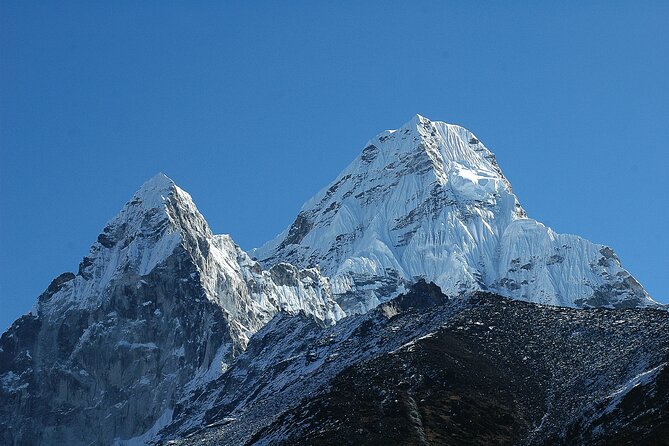
After Lukla, you move toward Namche Bazaar (about 5 hours). Namche is described as the most popular Sherpa village in the Everest area, and it’s also the one with practical infrastructure—upgraded hotels and lodges, plus local markets where you can buy equipment and food.
That combination is useful. Even if you’re well prepared, having a place like Namche Bazaar where you can top off supplies quickly is a big deal. You also get that Sherpa culture setting without needing to hunt for it. This is where the trek’s human side becomes obvious.
On day three, you add two more Namche-region experiences: visiting the Sagarmatha National Park Museum (also described as the Sherpa Cultural Museum / Sagarmatha National Museum option) and a short hike to Everest View Hotel at 3,880 meters. The goal here is a clear panorama of Everest plus other major peaks like Lhotse and Ama Dablam.
If you’re trying to understand why this route is so famous, this is where it clicks. You go from town to museum to viewpoint, and you start seeing the Everest region as more than just one mountain.
Tengboche Gompa: the spiritual center stop (and a pause that helps)
Leaving Namche behind, you travel to Tengboche Gompa (about 5 hours). The monastery stop here is framed as one of the most sacred places in the Everest region, and it’s noted as the biggest monastery in the area.
This isn’t just sightseeing. It’s a structured break in the trekking rhythm—one day you’re moving through high-altitude life, the next you’re slowing down for a spiritual space. Even for people who don’t usually seek religious sites, Tengboche has a way of making the trek feel grounded. You’ll remember that you’re in a living culture, not only a photo route.
Also, a practical perk: monastery days often help you mentally reset. You’ll have plenty of hard view days ahead, especially around Base Camp and Kala Patthar.
Ama Dablam views and Dingboche’s extra altitude day
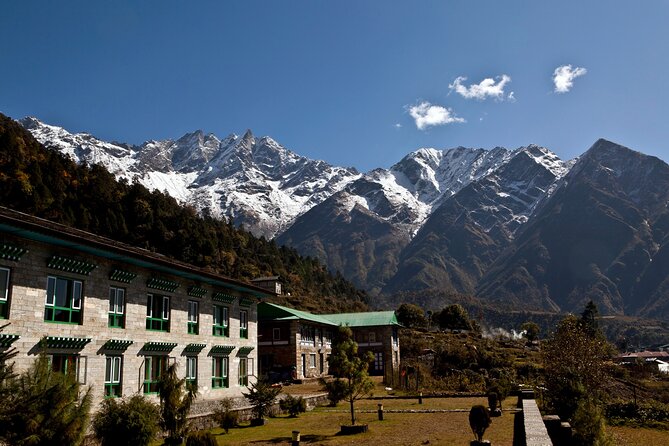
As you continue, Mount Ama Dablam becomes a recurring visual highlight. Day five is specifically about enjoying the stunning Ama Dablam views and other Himalayan giants that dominate the horizon. This is one of those “look up and don’t stop looking up” parts of the trek.
Then day six gives you what many trekking schedules skip: an additional day in Dingboche to adapt to the high altitude. The itinerary also offers an option to climb Nangkartshang Peak for more Khumbu Valley vistas (if you feel up to it).
That extra day is a smart inclusion for your overall experience. It gives your body time to adjust while you’re still within reach of a good lodge base. It also reduces the sense that every day is a forced push toward the next altitude checkpoint. From a comfort-and-confidence standpoint, this is one of the most meaningful structural choices in the whole 12 days.
Lobuche: getting closer, with the unspoiled-feeling part of the trek
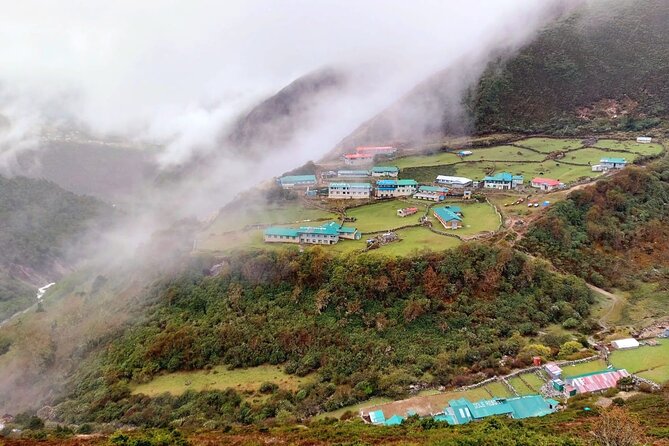
On day seven, you move to Lobuche (about 5 hours). The tone here is “closer to Everest,” with unspoiled scenery and breathtaking sights.
Lobuche is where the trek starts feeling more serious—not in a risky way (nothing is claimed here), but in a psychological way. The route is narrowing toward the Everest zone, and the walking becomes more about arriving than about wandering.
If you’re the kind of person who likes to watch the scenery change gradually, day seven is worth being present for. It’s not the finale, but it sets up how Base Camp will feel.




Everest Base Camp: the day Everest history becomes a place you stand in
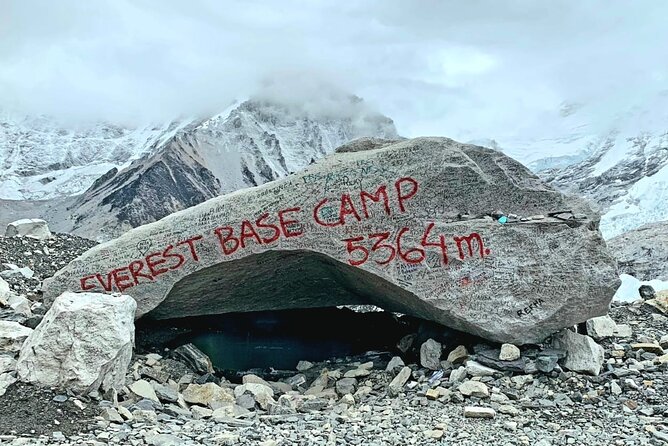
Day eight brings you to Everest Base Camp (about 5 hours). This is the world-famous spot where climbers congregate to get ready for ascent.
Even if your own trip is not about climbing Everest, this day gives you a real sense of scale and purpose. Base Camp is more than a viewpoint. It’s where you’re surrounded by the evidence of the larger Everest dream—people preparing, logistics, and the reality of a place built for serious work.
And from here, you’re only a day away from one of the most sought-after views on the whole route.
Kala Patthar sunrise: the “one more morning” payoff
Day nine is an early hike to Kala Patthar to see the sunrise over Everest. The payoff is described as panoramic views, with Everest, Nuptse, and Lhotse visible from Kalapatthar.
This is the day most people remember because it tends to feel like the trek’s final reward. You’ve walked up through Sherpa towns and monastery stops, taken in Ama Dablam views, and now you’re at a viewpoint designed for big-mountain sightlines.
One practical note: early mornings mean you should be ready to move before the day gets comfortable. Also remember that hot drinks and meals are not included in the package, so plan on buying what you need along the way rather than assuming it’s bundled.
Coming back: Namche markets and the Lukla return flight
Day ten brings you back to Namche Bazaar (about 5 hours). This is your chance to decompress with local markets and Sherpa cuisine, plus time to reminisce while you’re still in a hub with supplies.
Then day eleven is the walk back to Lukla (about 6 hours). The day ends with final moments in the Everest-region experience, including dinner and an overnight. Just keep your expectations realistic: dinner isn’t listed as included, so you’ll pay for it on your own at the lodge or nearby options.
Day twelve finishes with the flight Lukla to Kathmandu in the morning (about 30 minutes) and then a transfer to your booked Kathmandu hotel. Again, that’s part of the value of the trek: you return by air without needing to reverse every day of trekking.
Price and value: what $1,565 covers (and what it doesn’t)
At $1,565 per person, this trek’s value mostly comes from what’s handled for you:
Included
- Domestic flights Kathmandu/Lukla and Lukla/Kathmandu, plus vehicle transfer (2-way)
- Accommodation during the trek for 11 nights, with breakfast included (listed as breakfast 12 times)
- All Sagarmatha permits
- A professional certified guide
- Pickup offered and a mobile ticket
Not included
- Lunch and dinner
- Coffee and/or tea, plus all hot and cold drinks (including bottled water, hot water, etc.)
- Personal expenses like WiFi, hot shower, telephone, battery charge fee
- Hotel accommodation in Kathmandu before and after the trek (listed at US$30 per person per night on B&B basis)
- A support porter for carrying bedding or duffle bag (not included)
So is it a good deal? If you want the key bones—flights, permits, guide, trekking lodging—organized under one price, then yes. You’re paying for reduced logistics stress and for the permit/guide essentials that can otherwise turn into lots of separate planning tasks.
If you love controlling meal costs or you plan to spend heavily on hot drinks and upgrades, you should budget extra from the start. The big “watch this” category is food and drink, because the trek provides breakfast but leaves many other daily comforts to personal spending.
The guide factor: why coordination matters on Everest routes
The included professional certified guide is a big part of the practical value. From past experience with this operator style, coordination is not left to chance.
In the trip feedback tied to this experience, Ashok is specifically mentioned as meeting someone at their Kathmandu hotel with necessary gear and coordinating key steps. That kind of start matters. On an Everest route, small details—timing, gear handoff, how to move between places—can make days feel smooth rather than chaotic.
Also, the trip is described as a private tour/activity with only your group participating. That usually means less waiting around for other itineraries, and a clearer sense of who your guide is serving.
Fitness and altitude: what the trip asks of you
This is listed for people with moderate physical fitness. That doesn’t mean it’s a stroll. The trek includes multiple 5 to 6 hour walking days, plus an early start for Kala Patthar.
What’s most reassuring is that the plan gives you an actual adaptation day in Dingboche. You’re not going straight from lower elevation days to the most intense viewpoints without a built-in buffer.
You should still plan your body like it’s serious work. Bring layers, take the walking parts slow, and treat the acclimatization day as a real day—not a free day to overdo it.
Who should book this Everest Base Camp trek?
This works especially well if:
- You want a classic Everest Base Camp route with Sherpa culture stops and major viewpoint days
- You prefer a guided setup where permits and main trekking logistics are handled
- You’re okay planning for meals beyond breakfast
- You like the idea of a private group trip rather than a mixed tour
It may be less ideal if:
- You want all meals fully included (lunch and dinner are not part of the package)
- You don’t want to manage personal expenses like hot drinks or add-ons such as WiFi/hot shower/battery charging
Should you book Everest Base Camp Adventure Trek (12 days)?
I’d book it if you’re looking for an organized, route-true Everest Base Camp trek where you get the big-ticket pieces covered: Lukla flights, permits, certified guide, trek lodging, and breakfast, plus the major memory-makers like Tengboche Gompa and Kala Patthar.
I wouldn’t book it blindly if you’re trying to keep total costs tight without flexibility. Because lunch, dinner, and most drinks are not included, your final spending depends on your daily habits. If you plan that part early, the trek’s overall structure feels like good value for a bucket-list itinerary.
FAQ
What are the main meeting and start details?
You start at Kathmandu Guest House, Saathgumti-16, Kathmandu 44600, Nepal, with a start time of 8:15 am. The activity ends back at the same meeting point.
Are flights and transfers included?
Yes. The price includes domestic flights Kathmandu/Lukla and Lukla/Kathmandu, plus vehicle transfer (2-way).
What meals are included during the trek?
Breakfast is included during the trek. Lunch and dinner are not included, and coffee/tea and most drinks are also not included.
Do I need to arrange permits and a guide?
Permits are handled: all Sagarmatha permits are included. You also get a professional certified guide.
Is Kathmandu hotel accommodation included?
Hotel accommodation in Kathmandu before and after the trek is not included. It’s listed as US$30 per person per night on a B&B basis.
What is the cancellation approach if weather is bad?
Cancellation is listed as free. You can cancel up to 24 hours in advance for a full refund, and the experience requires good weather, with either a different date or a full refund if canceled due to poor weather.