REVIEW · IMLIL
Marrakech: 6 Day Trekking Tachedirt To Toubkal Via Ifni Lake
Book on GetYourGuide →Operated by Magical Toubkal Trek · Bookable on GetYourGuide
High Atlas mornings can feel like you stepped into a postcard. This six-day trek takes you from Imlil up toward North Africa’s highest peak, with real Berber village days and big pass days that keep things interesting. Two things I really like are the built-in acclimatization climbs and the chance to camp by Ifni Lake instead of racing straight to the summit. One drawback to consider: you’ll need to be ready for long days, cold early starts near Toubkal, and steep sections over passes.
I also like how the trek is paced by terrain, not just by distance. You climb to passes like Tizi n’Tamatert and Tizi n’Likemt, then spend time descending into valleys and villages such as Amsouzert, where the setting shifts from high camps to lived-in High Atlas life.
The main consideration is physical. If you’re not comfortable hiking at altitude for hours (and you hate carrying your own comfort items), this is not the trip to wing. One recent booking also noted that a small team and careful checking of essentials made it feel safer, which is great—still, you should plan to show up ready.
In This Review
- Key highlights to know before you go
- Why this Toubkal trek through Ifni Lake feels like more than a summit hike
- Getting from Marrakech to the trail base without losing the day
- Day 1 to Day 4: Passes, valleys, and Ifni Lake nights
- Day 5 to Toubkal Refuge: the steep pass that tests your focus
- Summit morning: the early start, the 360° payoff, and the way back
- Guides, pace, and the small things that make it feel safe
- Price and value: what $795 really covers on a 6-day trek
- What to pack for High Atlas hiking up to 4,167m
- Who should book this trek, and who should skip it
- Should you book: Tacheddirt to Toubkal via Ifni Lake?
- FAQ
- How long is the trek?
- Where does the trek start and end?
- Is pickup from Marrakech included?
- Is there a guide and what language do they speak?
- Are meals included?
- Do I need to bring trekking gear?
- What is the highest point on this trek?
- Is this trek suitable for kids or older adults?
- Is it safe for pregnant travelers?
- What should I bring besides hiking shoes?
Key highlights to know before you go
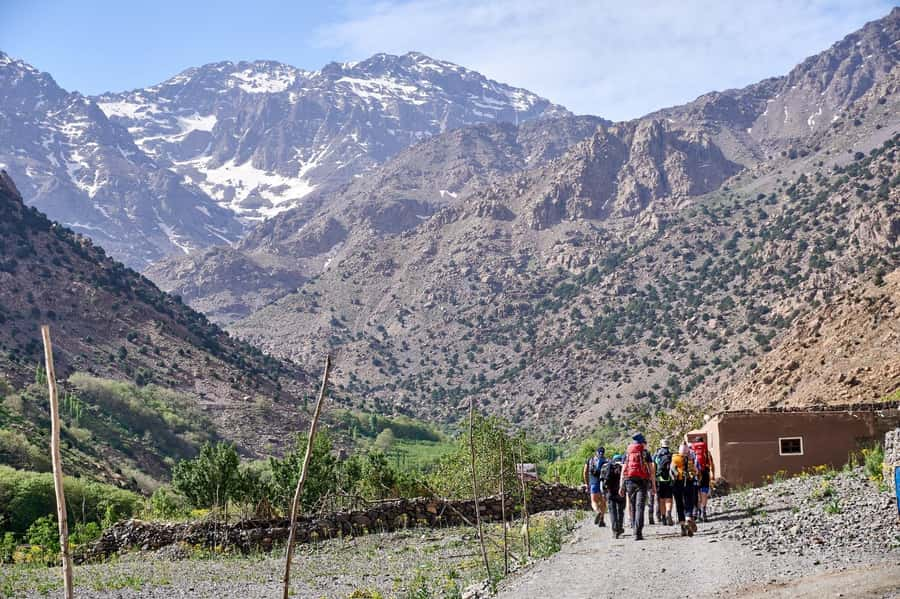
- Acclimatization through real passes (Tizi n’Tamatert, Tizi n’Likemt) before the summit push
- Ifni Lake camp time at a turquoise alpine lake beneath steep rocky peaks
- Early sunrise summit for Mount Toubkal (4,167m) with big 360-degree views
- Local stays including a guesthouse in Amsouzert and an overnight at Toubkal Refuge
- A guided, safety-focused rhythm with help organizing what you carry day-to-day
Why this Toubkal trek through Ifni Lake feels like more than a summit hike
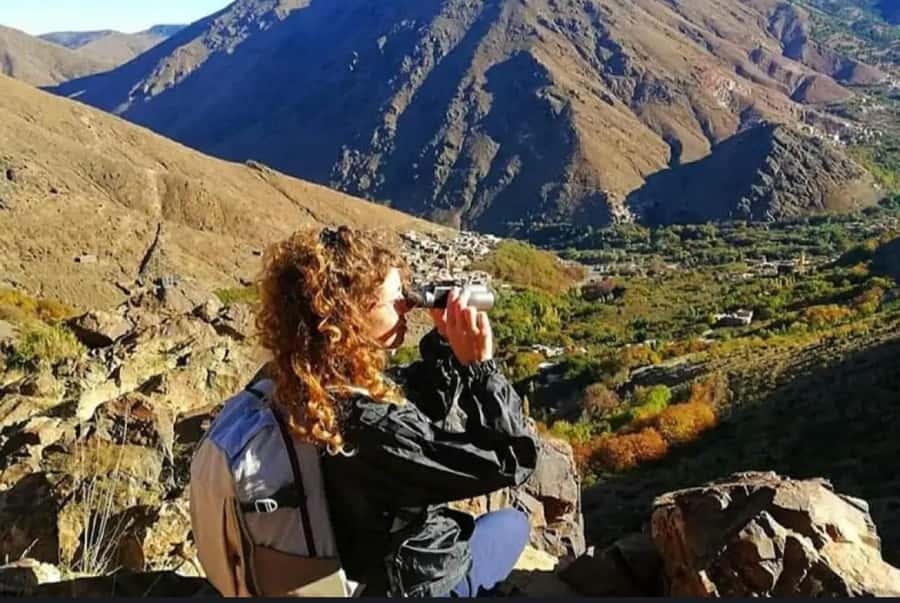
Mount Toubkal is the headline at 4,167m. But the route you take matters. This trek runs you through a chain of High Atlas valleys, shepherd areas, and mountain villages, so you spend the week experiencing the mountains rather than just checking off a peak.
The best part for me is that the trek doesn’t treat Ifni Lake like a side quest. It’s the only large lake in the High Atlas, and that “big rocky peaks + turquoise water” contrast is exactly the kind of reset you want before the steep work on later days. After several pass climbs, a calm lakeshore night feels like a reward you can actually feel in your legs.
This is also one of those trips where the details add up. You’re not just moving forward; you’re gaining and losing altitude in a way that helps your body adjust. That makes the summit day feel less like a shock and more like the final step of a planned process.
You can also read our reviews of more tours and experiences in Imlil.
Getting from Marrakech to the trail base without losing the day
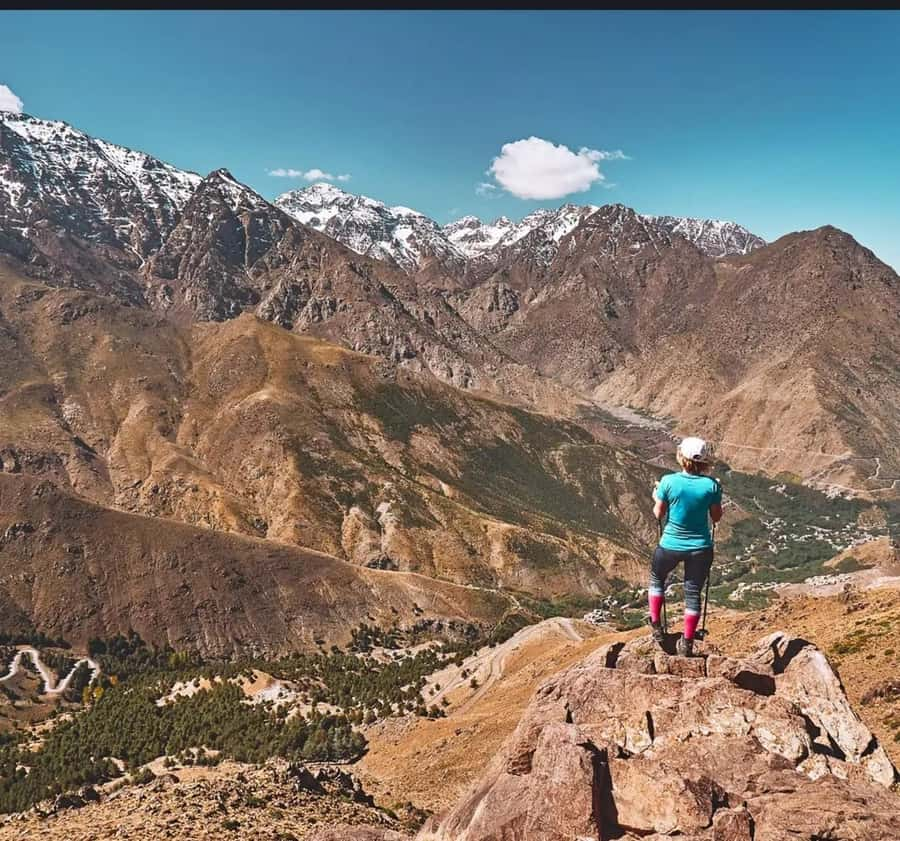
You start with pickup in Marrakech, then transfer by van for about 1.5 hours to the trail area. It’s not a huge travel day, which matters because the first hiking day is still a real effort.
What I like about having transport built in is simple: you’re not hunting for local connections while tired. Your pickup is arranged to meet you at the nearest accessible van point to your hotel, and the operator communicates with you the day before for pickup details. That kind of coordination matters in Morocco, where timing can shift depending on the road and the neighborhood.
Once you’re dropped near Imlil, the trek begins at altitude right away (Imlil sits around 1,740m). That means your body immediately gets the message: this is altitude hiking, not a city stroll.
Day 1 to Day 4: Passes, valleys, and Ifni Lake nights
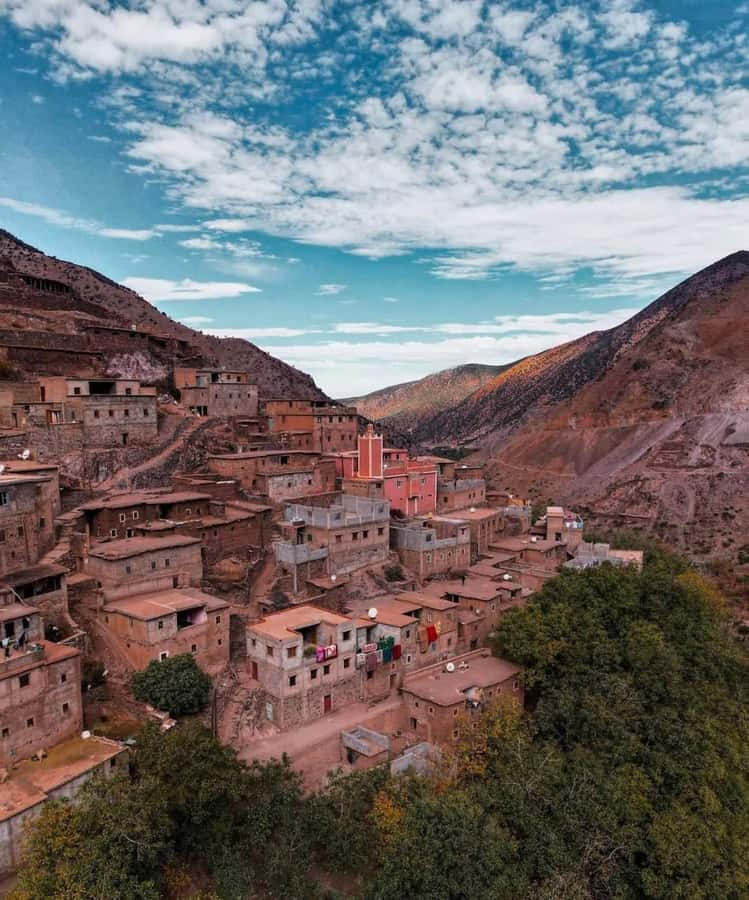
Day 1: Imlil to Tacheddirt (via Tizi n’Tamatert)
You climb for about 2 hours to Tizi n’Tamatert Pass (2,279m), then descend 2–3 hours into the Imnane Valley before ending in Tacheddirt at roughly 2,400m. It’s a great first day because you get the rhythm of the trail—steady effort up, more forgiving movement down—without yet going full “wall of altitude.”
What you’ll notice quickly is how the views change every time you top a ridge. One of the best tricks for enjoying Day 1 is not rushing the pass. Pause just long enough to drink, adjust your layers, and let your breathing settle. The payoff is bigger when you’re already warmed up for later days.
Day 2: Tacheddirt to Azib Likemt (camp) via Tizi n’Likemt
Today gets higher: you cross Tizi n’Likemt Pass (3,555m) with panoramic views, then descend to Azib Likemt at about 2,600m for an overnight in camp. That descent part matters. Camps at these altitudes are often quieter and colder than the valley villages, so you’ll feel the difference between “walking zone” and “rest zone” fast.
This day is also a good example of why carrying the right gear matters. Layers are your friend. Even if the sun is strong, mornings and shade can turn sharp up high.
Day 3: Azib Likemt to Amsouzert (guesthouse)
You move through remote valleys and traditional Berber hamlets, then descend to Amsouzert village at about 1,740m. For many people, Day 3 is the emotional shift day: you go from camp life back into village life, where the vibe feels more human scale.
Amsouzert is also one of the places where the trek stops feeling like a “performance” and starts feeling like travel. You’ll be surrounded by everyday mountain rhythms—people, homes, and paths that have been used for generations.
Day 4: Amsouzert to Ifni Lake (camp on the lakeshore)
Now you aim for Ifni Lake at about 2,295m, a turquoise alpine lake encircled by steep rocky peaks. Overnighting here is special because you’re camping right where the colors look best—when light hits the water and when the mountains cool down.
If you’re the type who likes quiet breaks, this is your day. A peaceful lunch by the alpine setting is part of the trek experience, and it’s exactly what helps you reset before the steep pass to the Toubkal Refuge.
Day 5 to Toubkal Refuge: the steep pass that tests your focus
Day 5: Ifni Lake to Toubkal Refuge via Tizi n’Ouanoums
You climb toward Tizi n’Ouanoums Pass (3,660m). This is described as steep but rewarding, and that’s the honest pattern here: the climb asks for patience, and then the views and the sense of progression give it back.
After the pass, you descend to Toubkal Refuge (around 3,200m) for the night. This part matters for more than comfort. You’re positioning yourself for the summit push, so the “rest quality” of the evening can influence how you feel at sunrise.
One smart habit for this day is to keep your movements steady, not heroic. Short stops to adjust layers, take a sip of water, and tighten your pack can save you from getting “tired early” in a way that altitude really amplifies.
Summit morning: the early start, the 360° payoff, and the way back
Day 6: Toubkal Refuge to Mount Toubkal summit, then back to Imlil and Marrakech
You start extremely early for the ascent (one recent booking specifically noted a 4 a.m. departure for the sunrise experience). You’ll climb up to Mount Toubkal (4,167m), then enjoy a 360° view stretching across the Atlas Mountains and even as far as the Sahara on clear days.
This is where you feel how the earlier days were doing their job. The summit day is still demanding, but because you didn’t jump straight from low altitude to 4,000m+, you’re more likely to experience that “focus and follow the rhythm” feeling instead of panic.
After the summit and photos, you descend back down to Imlil (1,740m). Then you’re taken with a private transfer back to Marrakech. That last leg is practical: after a big effort, you’ll be tired enough that a smooth end matters more than sightseeing.
Also, keep your energy for the final stretch. Some people get a second wind and then lose it right at the end. A calm approach—slow down, keep stepping—helps you finish like you planned it.
Guides, pace, and the small things that make it feel safe
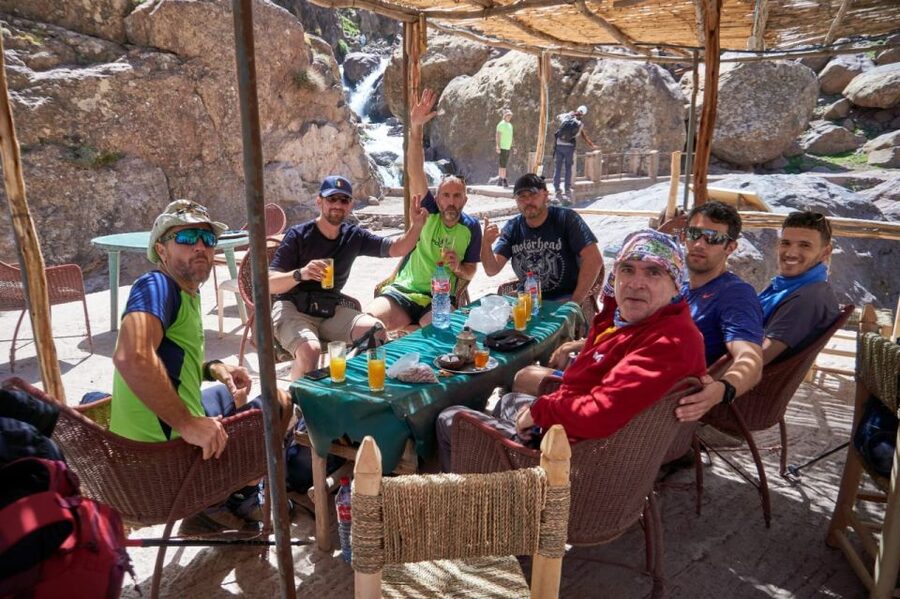
A good guide turns a hard trek into a manageable one. In this case, you’re traveling with a local English-speaking guide, and the vibe is supportive and practical.
One booking praised the motivating and reassuring guidance during the ascent and credited the guide’s terrain knowledge and understanding of the region. That same review thanked Chokrane for being attentive to needs and wishes. Another booking highlighted that the guide checked essentials in your daypack along the way, and that even someone without great fitness could feel safe on the trek. If you’re nervous about gear, this style of guidance matters.
There’s also a very helpful detail: large sacks may be carried by a guide or by porters depending on group setup. That means you might carry a smaller pack while someone else handles the bulk, which can make a noticeable difference on steep segments. In one case, trekking poles were also available, which reduced what the person needed to bring on their own.
So what should you take from all that? Don’t show up with a “everything goes in the bag” attitude. Pack like you’ll use it. And when your guide asks you to carry something a certain way, follow the reasoning. At altitude, small comfort choices can prevent big fatigue.
Price and value: what $795 really covers on a 6-day trek
At $795 per person for 6 days, you’re paying for a lot of what usually adds up on mountain trips: Marrakech pickup and drop-off, transportation, all nights, a local guide, all meals during the trek, and water.
What’s not included is also clear: trekking gear (available to rent) and personal expenses. That’s normal for this kind of trip, but you should plan ahead so you don’t scramble for boots, a rain layer, or poles at the last moment.
Is it “cheap”? No, it isn’t a bargain-basement hike. But it also isn’t just a walking tour where you do the hard part alone. For a guided, multi-night High Atlas trek with meals and transfers handled, it can feel like solid value—especially if you don’t want to manage logistics in a place where local schedules and mountain timing don’t always match city life.
One more value note: you get the full arc, from village-to-lake-to-refuge-to-summit. You’re not buying just a single day. You’re buying the structure that makes the trek work.
What to pack for High Atlas hiking up to 4,167m
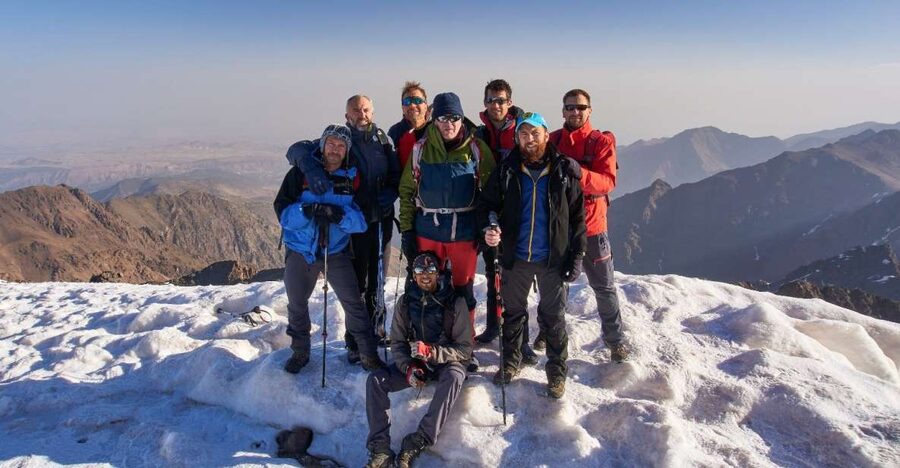
You’ll hike at altitude with cold early mornings, sun during the day, and temperature swings from valley to ridge. The tour list gives you a good baseline. I’d treat it like the minimum.
Bring:
- Passport
- Comfortable hiking shoes (plus day shoes if you use them on breaks)
- Trekking gear if you don’t rent locally
- Hat and sunscreen
- Jacket, plus warm layers as needed
- Gloves
- Daypack and power bank
- Change of clothes
- Cash
- First aid kit
- Travel insurance
A practical mindset helps. Pack so you can access key items quickly: water, a warm layer, sunscreen, and anything you use every hour. If your bag is messy, your daypack becomes a chore instead of a tool.
Also, don’t underestimate gloves and a real jacket. Even if the day starts pleasant, summit mornings and winds can turn chilly fast.
Who should book this trek, and who should skip it
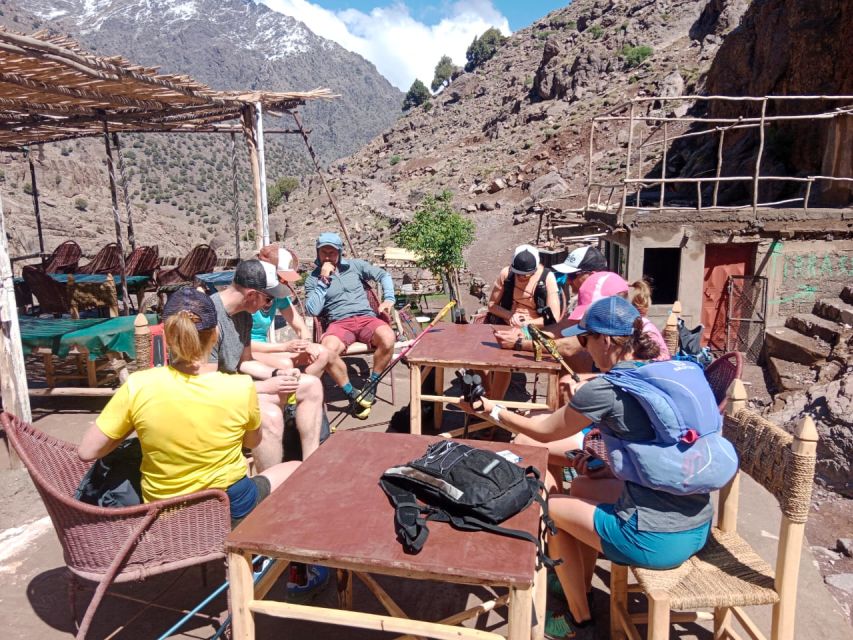
This trek is not for everyone. It’s not suitable for children under 12, pregnant women, or people over 70. That’s not a judgment; it’s a reality of altitude, long walking hours, and cold conditions near the summit.
It’s a great fit for:
- You want North Africa’s highest peak with guidance and meals covered
- You enjoy multi-day hiking with village stops and mountain camps
- You like the idea of doing the effort in phases, ending with a sunrise push
If you’re recovering from injury, have serious breathing issues, or you know you struggle with altitude, you should think hard before booking. And if you’re unsure, ask for a gear rental plan and discuss your fitness level ahead of time. A good guide can adjust pace, but they can’t remove altitude.
Should you book: Tacheddirt to Toubkal via Ifni Lake?
If your dream includes sunrise on Mount Toubkal plus the quieter payoff of Ifni Lake, I’d say this trek is worth serious consideration. The route gives you acclimatization, time in High Atlas villages, and a clear structure that turns a big mountain goal into a week you can actually plan for.
I’d especially recommend it if you prefer guided organization and you want someone checking your essentials, pacing you through passes, and helping you feel safer on steep sections. The proof is in the experience style: supportive, motivating, and detail-oriented guidance.
Skip it if you can’t handle long hiking days with altitude, cold mornings, and the need to pack smart. This is adventure hiking, not a scenic day trip.
FAQ
How long is the trek?
The trek runs for 6 days.
Where does the trek start and end?
It starts in the Imlil area near Marrakech and ends back in Imlil, followed by a private transfer back to Marrakech.
Is pickup from Marrakech included?
Yes. Pickup and drop-off in Marrakech are included, and you’ll be asked for the hotel address for the nearest accessible van point.
Is there a guide and what language do they speak?
Yes. A local guide is included, and the tour guide speaks English.
Are meals included?
All meals during the trek are included, and water is also included.
Do I need to bring trekking gear?
Trekking gear is not included, but it can be rented. The tour also lists items you should bring for hiking.
What is the highest point on this trek?
You’ll summit Mount Toubkal at 4,167m.
Is this trek suitable for kids or older adults?
No. It is not suitable for children under 12 and not suitable for people over 70.
Is it safe for pregnant travelers?
No. It is not suitable for pregnant women.
What should I bring besides hiking shoes?
The tour suggests bringing a passport, hat, sunscreen, a jacket, gloves, a daypack, change of clothes, camera, power bank, cash, a first aid kit, and travel insurance.