REVIEW · KLEIDONIA
Trekking day at Vikos Gorge for all
Book on GetYourGuide →Operated by Epirus Traveller · Bookable on GetYourGuide
A shaded gorge walk cools you fast. This is a Voidomatis River day where the trail stays cool under old plane trees, plus you get to cross iconic bridges like Kleidonia. One thing to weigh: the experience isn’t for wheelchair users or people with significant mobility limits, so plan accordingly.
I like that this trek is built for an easy route that’s still full of real sights, not just walking. You’ll follow part of the Vikos Gorge section inside Vikos–Aoos National Park (protected since 1973), with stops that explain the place as you go.
Expect a 4-hour loop-like experience starting at Aristi or Papigko Bridge, ending at Kleidonia Bridge, with private transport to get you back across. It’s guided in English, with bottled water included, and there’s time for a traditional riverside meal at the end (meals aren’t included in the price).
In This Review
- Key highlights you’ll care about
- A shaded UNESCO trek: Vikos Gorge without the big hike hassle
- The 4-hour flow: from Aristi or Papigko Bridge to Kleidonia Bridge
- Bridges that explain Zagori life: Aristi/Papigko to Kleidonia (1853)
- Spiliotissa monastery on a rock: a stop you can feel in your photos
- Agioi Anargyroi church (1658): history you can actually see
- Voidomatis River reality check: cold water, and swimming when it’s right
- What to pack for a gorge day (so you don’t feel stuck)
- Price and value: $100 for a guided gorge day with transport included
- Who should book Vikos Gorge for all, and who should skip it
- Should you book this Vikos Gorge trek?
- FAQ
- How long is the Vikos Gorge trek?
- Where does the trek start and end?
- Is the route shaded and what type of environment will I walk in?
- When is swimming possible?
- What major sights are included along the trek?
- What’s included in the price?
- What is not included?
- What should I bring?
- Is it suitable for kids or anyone with mobility needs?
Key highlights you’ll care about
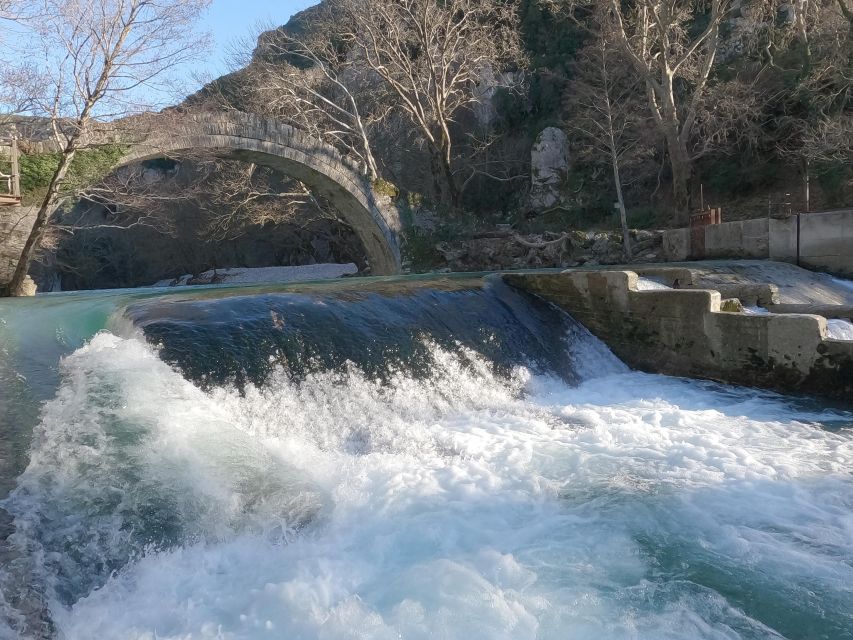
- UNESCO world geopark: Vikos Gorge is officially recognized for its geological value, not just scenic views.
- Shaded riverside forest: Old plane trees help the whole walk feel cooler, even when it’s warm outside.
- Two famous bridges: Aristi/Papigko starts the story; Kleidonia Bridge (built in 1853) wraps it up.
- Stop for Spiliotissa monastery: A distinctive monastery built on a rock shape the route.
- Agioi Anargyroi church (1658): A real historical stop, not a quick photo pause.
- Optional river time for May–September: The Voidomatis is best for swimming in the warm months.
A shaded UNESCO trek: Vikos Gorge without the big hike hassle
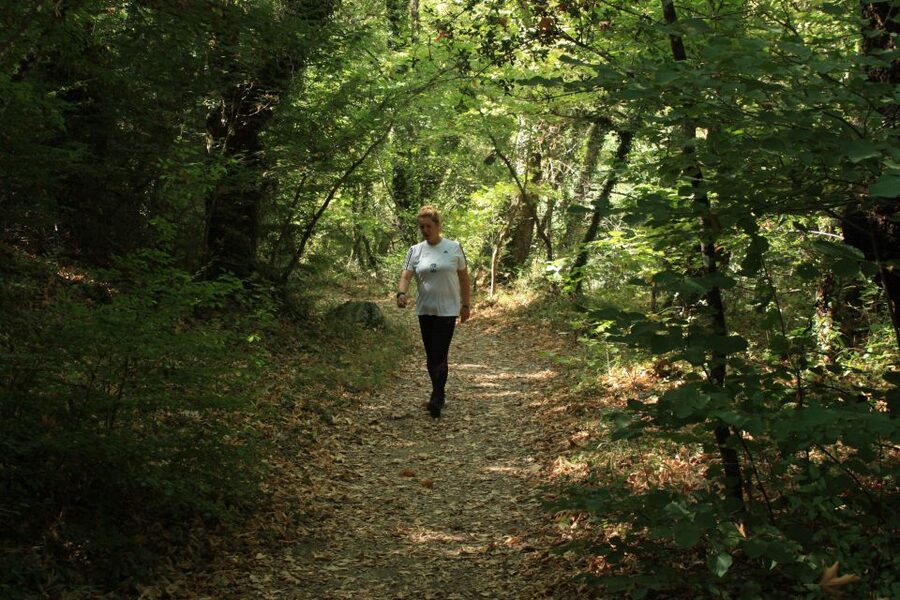
Vikos Gorge is the kind of place where you feel the scale, then the details. It’s designated a UNESCO world geopark, and the experience you’ll do here focuses on a part of the gorge that’s described as an easy route for all. Translation: you can enjoy the gorge without needing to be a hardcore climber.
The route travels along the Voidomatis River, known as the coldest river in Europe. That doesn’t mean you have to swim, but it does mean the air and water temperature feel noticeably different from the heat you might have outside the gorge. Add the centuries-old plane trees, and you get a walking day that stays shaded for long stretches.
This is also one of those rare tours that mixes nature and local culture in a way that stays practical. You’ll walk, you’ll look, you’ll learn why these bridges and churches exist, then you’ll have time to cool off by the river if you come at the right time of year.
The 4-hour flow: from Aristi or Papigko Bridge to Kleidonia Bridge
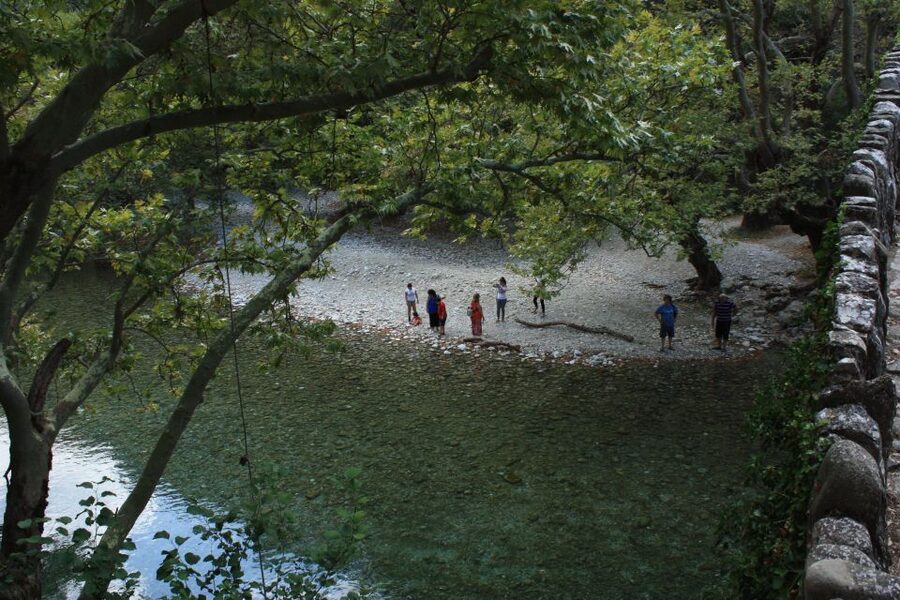
Your day starts at Aristi or Papigko Bridge in northwestern Zagori. From there, the route takes you through the third part of Vikos Gorge, along the riverside forest of the Voidomatis. The key point for your planning: it’s described as easy and accessible all year, which makes it a good choice if you still want the gorge feeling without committing to a strenuous full-day hike.
Along the way, you’ll make cultural and landscape stops rather than treating them like bonus stops. You’ll observe the monastery of Spiliotissa, built on a rock, and you’ll visit the old Agioi Anargyroi church, built in 1658. These are the moments that give the walk context: you’re not just moving through a scenic corridor, you’re walking through a lived-in valley with long ties to the villages.
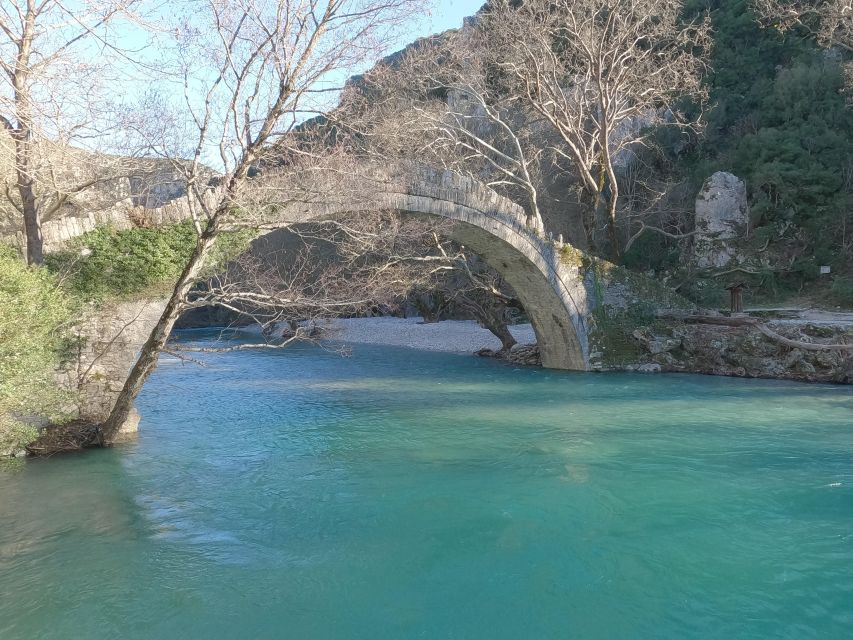
The trek ends at Kleidonia single arched stone bridge. That ending matters because the tour is set up so you don’t have to figure out the logistics afterward: you get private transportation from Kleidonia Bridge back to Aristi Bridge. It’s a simple detail, but it keeps the day feeling smooth and keeps the focus on the gorge.
At the end, you can enjoy a meal with traditional recipes beside the river. Since meals and drinks are not included, treat this as an opportunity you’ll probably want to budget for, not something the tour price covers automatically.
Bridges that explain Zagori life: Aristi/Papigko to Kleidonia (1853)
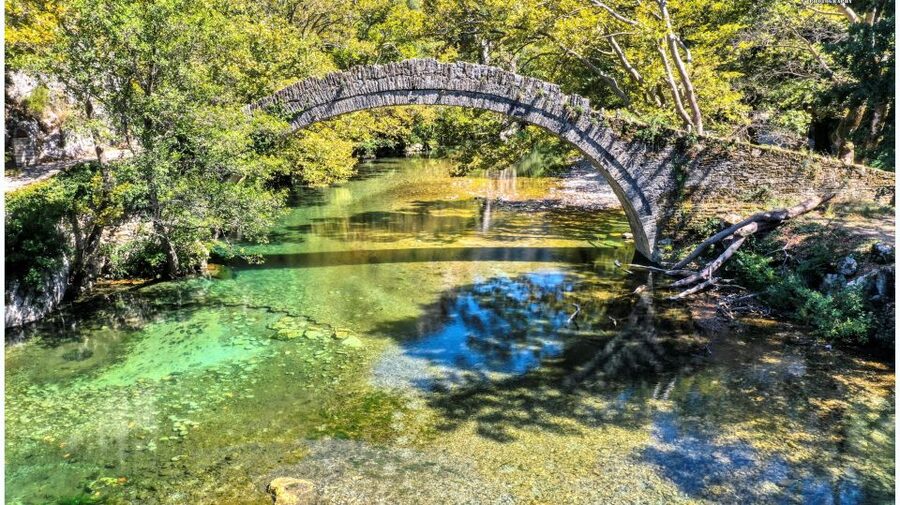
Bridges in this part of Greece aren’t just for views. They’re the connective tissue between villages and routes to bigger towns.
You begin at Aristi or Papigko Bridge. Starting here sets the tone: you’re already at a crossing, which helps you understand why locals needed safe passage over the gorge and river year-round. It’s also the kind of start point that feels easy to orient yourself around, since the bridge is a clear landmark.
The tour ends at Kleidonia Bridge, built in 1853. The big value of this stop is the practical explanation of why it exists: it connected locals from Agios Minas and Aristi toward Konitsa plain, and it also served people traveling from Konitsa town toward Ioannina city. That means the bridge isn’t just old stone; it’s part of how people moved, traded, and lived.
If you like travel that feels grounded in real geography, these bridge moments will land well. You can look at a bridge, sure—but you also get the story of where it fit into daily movement.
Spiliotissa monastery on a rock: a stop you can feel in your photos
One of the standout scheduled stops is the monastery of Spiliotissa, described as built on a rock. Even without extra detail on how long you’ll spend there, the fact that it’s rock-built is the point: it’s not a monastery that sits casually in the landscape. It’s the kind of place that looks like it was placed where it had to be.
In a gorge setting, that kind of religious architecture becomes a navigation tool in your mind. You’ll start to connect the dots between the river route and the way the area’s communities built spiritual and social life into dramatic terrain.
If you enjoy photography, this is likely one of your better shot sections because the structure has a strong silhouette. If you prefer walking focus, you’ll still get the cultural context without needing to slow the day down too much.
Agioi Anargyroi church (1658): history you can actually see
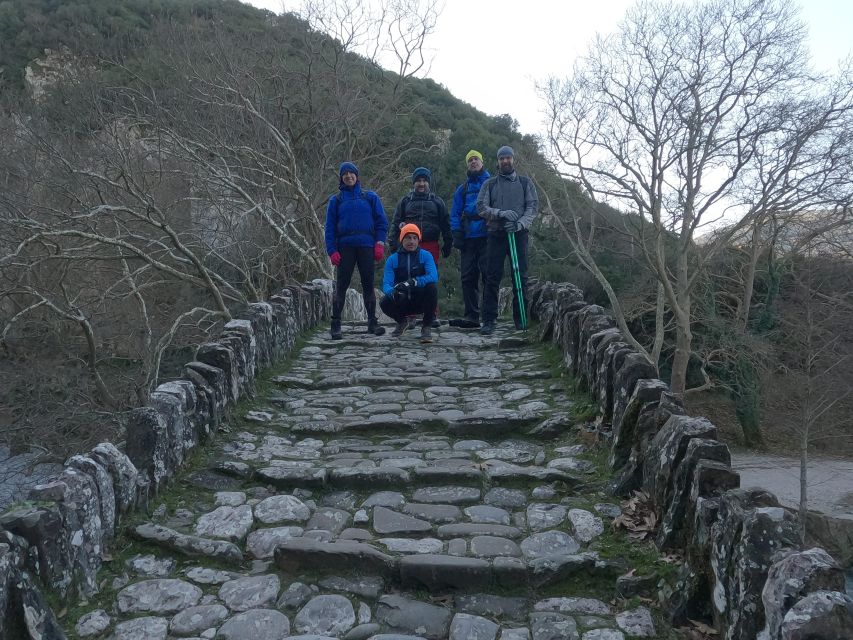
The tour includes a visit to the old church of Agioi Anargyroi, built in 1658. That’s not just a date to note—it helps you understand that this valley isn’t a modern outdoor playground. People built here long before today’s hiking routes and viewpoints existed.
What I like about including a church on a gorge walk is that it gives you a different kind of scale. The gorge makes everything feel huge. A historic church makes the story feel personal and human. You can stand there, look at the building, and imagine how the villagers would have reached it along paths like this long ago.
Because the tour is guided in English and includes storytelling, you’ll get more meaning from the stop than a quick exterior view. The reviews for this experience highlight that kind of informative guide approach—interesting facts and nice stories—so this is the portion where you’ll probably feel the most “tour” value.
Voidomatis River reality check: cold water, and swimming when it’s right
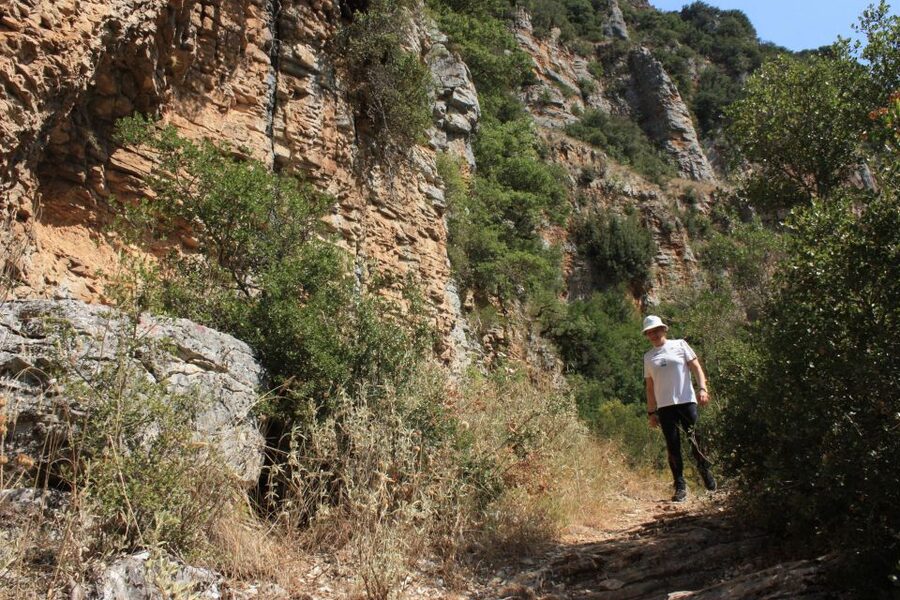
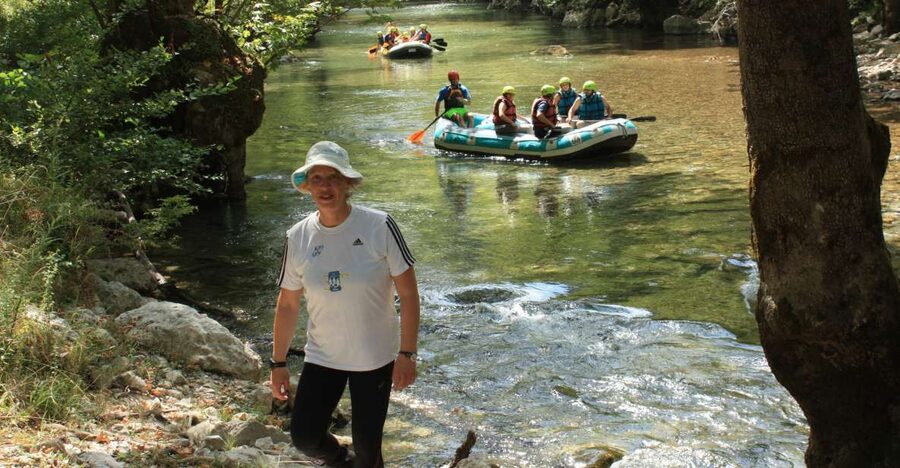
The Voidomatis River is famous for being very cold, and it’s one reason the walk feels refreshing even when the weather outside the gorge is warm. The tour also frames it as the “coldest river in Europe,” so you’ll want to plan for the temperature rather than hoping it’s like a summer lake.
The tour notes that the route is accessible all year, and that May through September is the best season to swim in the crystal waters. This is a big practical detail for you: if you’re coming in winter or shoulder seasons, don’t count on a swim moment being comfortable or even available the way it would be in mid-summer.
If you do come in the May–September window, bring swimwear and plan for quick, doable river time. The tour also suggests sandals and flip-flops, which tells you what to expect: you’ll want footwear that’s easy to use around water and stones.
Even if you skip swimming, the river is still the point. The cold water presence makes the gorge feel alive, and the shade of the forest helps you stay comfortable for the whole 4-hour duration.
What to pack for a gorge day (so you don’t feel stuck)
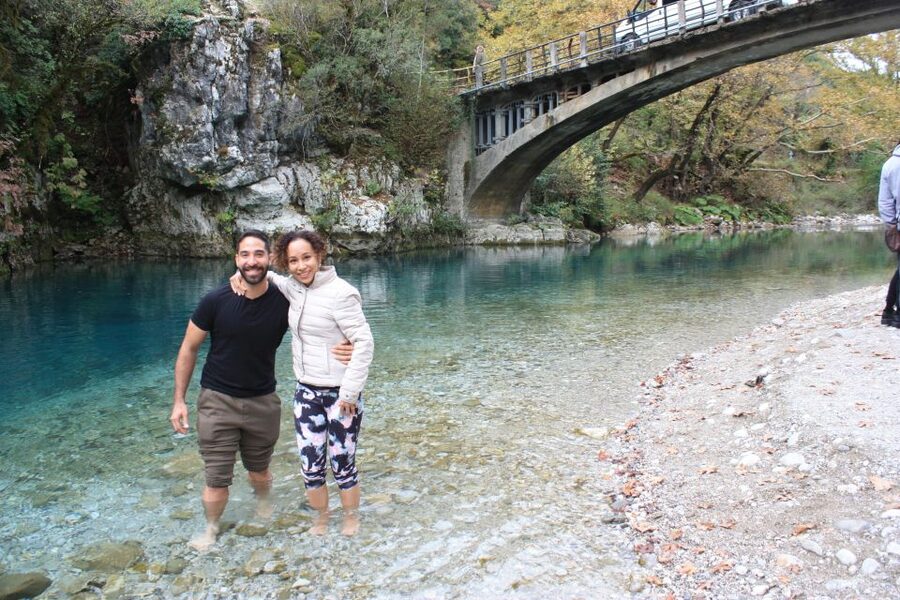
The essentials are pretty straightforward, and the tour’s suggested packing list is a good clue to how the route feels underfoot and by the water.
Bring:
- Comfortable shoes (and expect some uneven, wet-ish gorge terrain)
- Swimwear and flip-flops if you’re traveling May–September
- Sandals if you want an easy water transition
- A camera (the bridges and stone-and-water settings are photo-friendly)
- Breathable clothing and a T-shirt
- Comfortable clothes you don’t mind getting a bit dusty
- Optional hiking poles (not required, but listed as optional)
One more practical tip: wear what you can move in. Gorge walks tend to be more satisfying when you don’t spend the day worrying about blisters, slippery footing, or a shoestring coming loose.
Price and value: $100 for a guided gorge day with transport included
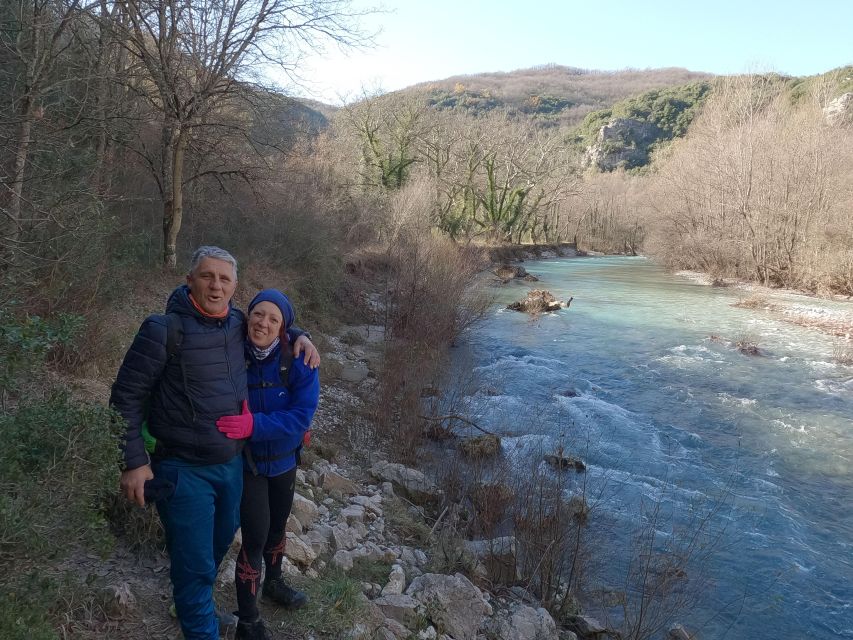
At $100 per person for a 4-hour experience, the price looks high until you count what’s included. This tour isn’t just a guide and a start point. It includes hotel pickup and drop-off, private transportation, bottled water, a certified guide, and even photographic and video material.
It also includes the logistics people usually hate: private transportation from Kleidonia Bridge back to Aristi Bridge. That is a real value add in gorge country where you can lose half a day to getting back to your car.
Meals are not included, so if you plan to do the optional traditional riverside meal at the end, budget extra. Still, the core package gives you a guided, structured day with minimal hassle. If you’re traveling without a car, this kind of door-to-door setup is where the cost starts to make sense.
Who should book Vikos Gorge for all, and who should skip it
This experience is described as an easy route and accessible all year, which makes it attractive if you want gorge scenery without a punishing trek. It’s also guided in English, so you won’t be stuck guessing your way through the stories behind the bridges and churches.
But it’s not for everyone. It’s listed as not suitable for:
- Children under 5
- Pregnant women
- People with mobility impairments
- Wheelchair users
- People with heart problems
- People with epilepsy
- People with recent surgeries
- People over 254 lbs / 115 kg
- People over 70 years
So if you have a condition not mentioned here, don’t assume it’s fine. If you’re unsure, it’s smart to ask before booking because the terrain is in a gorge environment and the tour is set up for participants who can handle it safely.
Should you book this Vikos Gorge trek?
Book it if you want Vikos Gorge scenery in a manageable 4-hour format with an English-speaking certified guide and included transport. I especially recommend it if you care about the “why” behind the bridges and church stops, because this tour is positioned around stories and explanation—not just sightseeing.
Skip it if you need wheelchair access or if you fall into any of the listed medical or mobility categories. Also skip the swim planning unless you’re traveling May to September, since the tour calls that the best time for swimming.
If you’re in Epirus and you want one day that feels authentic, structured, and easy enough to enjoy—this is a strong choice.
FAQ
How long is the Vikos Gorge trek?
The activity lasts 4 hours.
Where does the trek start and end?
It starts at Aristi or Papigko Bridge and ends at Kleidonia single arched stone bridge.
Is the route shaded and what type of environment will I walk in?
Yes. The route is described as shaded and you’ll walk inside a unique riverside forest along the Voidomatis River.
When is swimming possible?
The route is accessible all year, but May through September is identified as the best season to swim in the river.
What major sights are included along the trek?
You’ll see Aristi or Papigko Bridge, Kleidonia Bridge, Agioi Anargyroi church, and the Voidomatis River, plus you’ll observe the monastery of Spiliotissa.
What’s included in the price?
Included items are hotel pickup and drop-off, private transportation, a certified English guide, bottled water, photographic and video material, all state taxes & VAT, and private transportation from Kleidonia Bridge to Aristi Bridge.
What is not included?
Meals and drinks are not included. Hiking poles are also not included, though they’re described as optional.
What should I bring?
Bring comfortable shoes, comfortable clothes, a t-shirt, a camera, and if you want to swim swimwear, sandals, and flip-flops. The tour also suggests breathable clothing.
Is it suitable for kids or anyone with mobility needs?
It is not suitable for children under 5, wheelchair users, or people with mobility impairments, plus several other listed medical categories.