Silence hits different in Lapland winter. This 6-hour guided winter trek in Inari, Finland, is built around untouched snow—go by snowshoes or forest skis—and it rewards you with a warm open-fire lunch in the middle of quiet woods.
I also like the rhythm of it: you’re out long enough to feel the forest slow down, then you head back when it may already be dark, using head torches for that surreal, shadowy experience. The main consideration is that it depends on snow and weather; if conditions are poor, the activity can be moved or refunded.
In This Review
- Key Highlights to Expect
- Inari’s Winter Forest: Far From Roads, Close to Quiet
- Snowshoes or Forest Skis: How the Gear Changes the Day
- The Open-Fire Lunch That Actually Makes Sense
- Wildlife Odds: Reindeer, Grouses, and Quiet Listening
- Mid-Winter Return: Head Torches and the Art of Moving in Darkness
- Guides and Group Size: Why Small Feels Better in Winter
- Price and Value: Is $139 a Fair Deal for 6 Hours?
- Who This Winter Trek Fits (and Who Should Think Twice)
- Should You Book the Winter Trek to Inari?
- FAQ
- Where is the tour based?
- What time does it start?
- How long is the winter trek?
- Do you snowshoe or ski?
- Is there food during the trek?
- How big is the group?
- What happens if it gets dark?
- Is the tour flexible if weather is poor?
- Can I cancel and get a refund?
- Does the tour allow service animals, and is it easy to reach?
Key Highlights to Expect
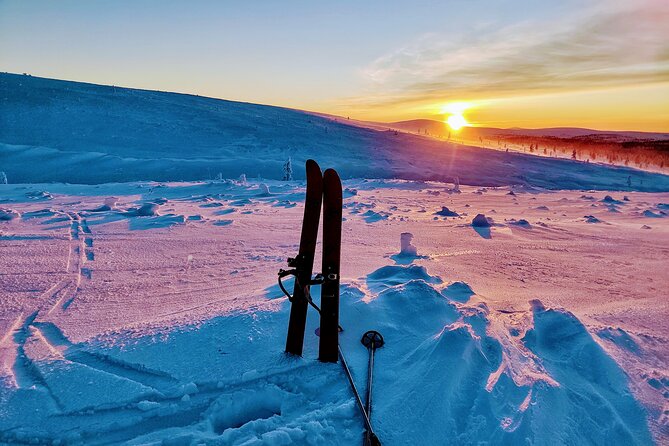
- Untouched wilderness in Inari, with no tracks or man-made structures in the hiking area
- Snowshoes or modern skin-based forest skis, chosen based on snow conditions
- Warm lunch on the go, cooked on an open fire or a camping stove depending on weather
- Mid-winter darkness with head torches, turning the return trip into torchlight magic
- Small groups (max 12) with friendly, multilingual, attentive guides
- Wildlife spotting opportunities, including willow grouses and reindeer if you’re lucky
Inari’s Winter Forest: Far From Roads, Close to Quiet
You meet at Xwander Nordic on Ivalontie 12 in Inari (start time 9:00am). From there, the trip quickly shifts from everyday travel mode into winter survival-of-the-senses mode—in a good way.
This isn’t a view-and-photos-from-a-trail type of outing. The goal is to get you deep into the forest where there are no human-made structures or tracks. That matters, because it changes what your brain pays attention to. Instead of thinking about where you’re walking, you start noticing sound (or the lack of it), the way snow cushions everything, and how the trees frame silence.
And Inari is built for that. This is the kind of Lapland setting where winter feels still—seriously still. If you’ve ever wished for a tour that doesn’t feel like a parade, this is the one.
Practical tip: Dress for stillness as much as movement. Even on a trek, the cold can creep in during short stops for lunch and guidance checks.
Snowshoes or Forest Skis: How the Gear Changes the Day
One of the best parts here is that you don’t force everyone into one style. Depending on snow conditions, you’ll hike with either snowshoes or modern skin-based forest skis.
Snowshoes are the easier entry point for most people. They let you walk over soft snow without sinking, so you can focus on your footing and the scenery. Forest skis, on the other hand, can feel faster and smoother once you get rolling, but you’ll want to listen closely to the guide’s instructions so you don’t fight the terrain.
Either way, the trip is designed around slow, steady progress through deep winter woods. The point isn’t speed. It’s being able to keep moving long enough to feel the forest shift from bright cold morning to darker, moodier winter.
What you’ll notice once you’re out there: snow doesn’t behave like pavement. It’s uneven, sometimes springy, sometimes packed hard. Expect your legs and balance to do a little work, especially if you’re new to either snowshoes or skis.
The Open-Fire Lunch That Actually Makes Sense
Mid-trek lunch is where a lot of winter tours go wrong—usually it’s a rushed sandwich moment. Here, you get something more fitting for Lapland: lunch on an open fire or a camping stove.
I love that this is handled as part of the experience, not a checkbox. When you pause with heat in front of you and the forest around you, the day feels real. The food break becomes a reset button. You warm up, you loosen up, and you get time to look around without that constant, hurry-up hiking pressure.
Depending on the weather, you might be cooking on the open fire or using a camping stove. Either way, the intent is the same: you eat while you’re still out in the wilderness, so the trek doesn’t feel like a long pre-lunch waiting game.
Practical tip: Bring along a thermos if you like hot drinks beyond lunch. The tour includes lunch, but the extra warmth can help if you’re one of those people who gets cold hands quickly.
Wildlife Odds: Reindeer, Grouses, and Quiet Listening
This trek is wild-winter watching in motion. If you’re lucky, you could see willow grouses in their snow-white winter outfit, grazing reindeer, or other animals and birds.
Here’s the key: don’t treat wildlife as a checklist. The forest stays quiet, and your best chance comes from moving slowly and listening. When you see birds or tracks, your guide can help you interpret what you’re looking at—without making it noisy or disruptive.
I also like that the tour sets expectations for the kind of winter quiet you’ll experience. In mid-winter, the forest can feel almost sealed off. If you catch even a small animal moment—like a bird perched in a white world—it hits harder than a crowded wildlife stop.
Practical tip: Keep your gloves on. Your phone camera can wait. If you see something, you’ll want both hands free only if you can do it smoothly and calmly.
Mid-Winter Return: Head Torches and the Art of Moving in Darkness
This is one of the most memorable parts: when you head back, it might already be dark. And instead of cutting the experience short, the tour includes snowshoeing or skiing in the dark with head torches for safety.
In the dark, the forest changes shape. You get big, deep shadows, and your imagination starts filling in gaps. That cotton-cloud feeling is real when snow is soft and your steps glide. It’s slow, quiet, and strangely calming.
Also, it helps that the trip is guided. Moving in winter darkness can feel intimidating if you’re doing it alone. With the guide and the head torches, you’re not guessing your way through the woods.
Practical tip: Trust the torch setup and keep your pace steady. Sudden stops or scrambling to take photos can turn a smooth glide into a balance problem.
Guides and Group Size: Why Small Feels Better in Winter
The trip caps at 12 travelers, and that size matters in winter. You move as a group, you get space to follow along, and you’re not stuck shoulder-to-shoulder in a cold bottleneck.
The guides are described as friendly, multilingual, and attentive, and that shows up in the vibe. Even in other Xwander Nordic adventures, the guides’ style keeps popping up—names like Ossi (kind and experienced), plus Juhani and Emilia (well-organized and good at keeping a trip fun even when temperatures get brutal). That track record is worth caring about because winter is easier when someone knows how to manage pacing, conditions, and morale.
What you get from a good guide in Lapland: practical route decisions, calm explanations, and help making sense of what you’re seeing—without overloading you with lectures.
Price and Value: Is $139 a Fair Deal for 6 Hours?
At $139, this trek isn’t a bargain. But it also isn’t priced like a generic city walking tour. You’re paying for a guided 6-hour winter experience in Inari, with:
- winter-appropriate guidance through untouched forest
- snow-adapted equipment use (snowshoes or forest skis, based on conditions)
- an on-the-go lunch cooked on an open fire or camping stove
- head torch safety support for the darker return
- a small group experience (max 12)
When you add those pieces up, the value becomes clearer. The cost covers more than entertainment—it covers the expertise and logistics needed to run a real winter outing.
If you’re trying to keep your Lapland costs under control, a guided tour like this can still be cheaper than you’d expect because it handles key bits for you. You’re not piecing together rentals, route planning, and winter safety on your own.
Who feels the best value: people who want a low-stress way to get into real snow wilderness without having to master navigation, safety, or equipment learning alone.
Who This Winter Trek Fits (and Who Should Think Twice)
This tour fits best if you want quiet nature, guided structure, and that classic Lapland mood—snow hush, deep woods, and the feeling of being off-grid.
It also says most travelers can participate, which hints it’s not only for elite athletes. Still, winter snow travel is physical. If you have mobility limits or you hate being outside in the cold for hours, you might want to choose a gentler option.
It’s also great if you like wildlife possibilities but don’t need guarantees. You’re there to soak in the environment, move steadily, and take whatever the forest gives you.
Best match:
- first-timers to snowshoeing/forest skiing who want guidance
- travelers chasing peace and silence, not just landmarks
- people who enjoy a real outdoors meal moment
Should You Book the Winter Trek to Inari?
I’d book it if your idea of a perfect winter day includes untouched woods, a small group, and the chance to experience the forest in both daylight and darkness. The open-fire lunch alone makes it feel more like a journey than a tour.
The only real reason to skip is if you know you’re likely to get grumpy in cold weather or if you’re not comfortable with the idea that the experience depends on snow and weather. If you’re flexible and you’re excited by winter quiet, this is a strong choice for your Lapland trip.
FAQ
Where is the tour based?
The trek starts at Xwander Nordic, Ivalontie 12, 99800 Inari, Finland, and ends back at the meeting point.
What time does it start?
The start time is 9:00am.
How long is the winter trek?
It runs for about 6 hours.
Do you snowshoe or ski?
Depending on snow conditions, you’ll use either snowshoes or modern skin-based forest skis.
Is there food during the trek?
Yes. You’ll have lunch on the go, cooked on an open fire or a camping stove, depending on the weather.
How big is the group?
The experience has a maximum of 12 travelers.
What happens if it gets dark?
You may return when it’s already dark, and you’ll use head torches while snowshoeing or skiing in the dark.
Is the tour flexible if weather is poor?
This experience requires good weather. If it’s canceled due to poor weather, you’ll be offered a different date or a full refund.
Can I cancel and get a refund?
Cancellation is free up to 24 hours before the experience’s start time for a full refund.
Does the tour allow service animals, and is it easy to reach?
Service animals are allowed, and it’s near public transportation. Most travelers can participate. Confirmation is received at booking time and the tour uses a mobile ticket.