REVIEW · PARO
Best of Bhutan Tour( Culture- Hikes- Short Trek- Monastic Stay)
Book on Viator →Operated by Bhutan Best InBound Tour · Bookable on Viator
Bhutan feels like it was designed for slow attention, not fast checklists. This 5-day Culture–Hikes–Short Trek–Monastic Stay style trip packs in Tigers Nest, historic dzongs and monasteries, plus time with a local family at a farm dinner. I especially like the way the itinerary mixes big icons (like Tiger’s Nest) with smaller stops that actually show daily Bhutan life, and the morning prayer moment at Dodeydra Monastery that makes the religion feel lived-in, not staged. One thing to consider: two of the hiking days (Dodedrak and Tiger’s Nest) can be long and steady, and the experience depends on good weather.
What makes this feel personal is the private setup. You’ll have pickup, private transportation, and a guide, and you’re not stuck matching pace with strangers. In past experiences with this operator, guides such as Tandin Dorji (with driver Pema) and another pairing where both guide and driver were named Tandin Wangchuk were described as friendly and willing to go beyond the schedule.
In This Review
- Key Reasons This Tour Works (Even If You’re Short on Time)
- Why Paro, Thimphu Valley, and Punakha Fit Together in 5 Days
- Day 1 in Thimphu Valley: Prayer Flags, Dzongs, and a Market That Feels Local
- Day 2: Pangri Zampa’s Astrology College and the Dodedrak Hilltop Hike
- Day 3: Morning Prayer at Dodeydra, Dochula Pass, and Punakha Dzong
- Day 4 in Paro Taktsang: The Tiger’s Nest Hike You’ll Remember
- Day 5: Paro Farewell and Airport Transfer
- Monastic Stay and the Local Farm Dinner: The Part That Makes It Feel Real
- Price and Inclusions: What You’re Actually Getting for $1,370
- Packing, Weather, and Fitness: What Can Change Your Day
- Who This Tour Fits Best (and Who Might Want Another Option)
- Should You Book This Bhutan Best of Tour?
- FAQ
- Where does the tour start and end?
- How long is the Best of Bhutan Tour?
- What area of Bhutan does the itinerary cover?
- Is pickup offered?
- Is this a private tour?
- What fitness level do I need?
- What meals are included?
- Are tickets included for the attractions?
- What is the price and what’s the big cost add-on?
- Can I cancel for free if plans change?
Key Reasons This Tour Works (Even If You’re Short on Time)
- Tiger’s Nest plus real walking time, not just a photo stop
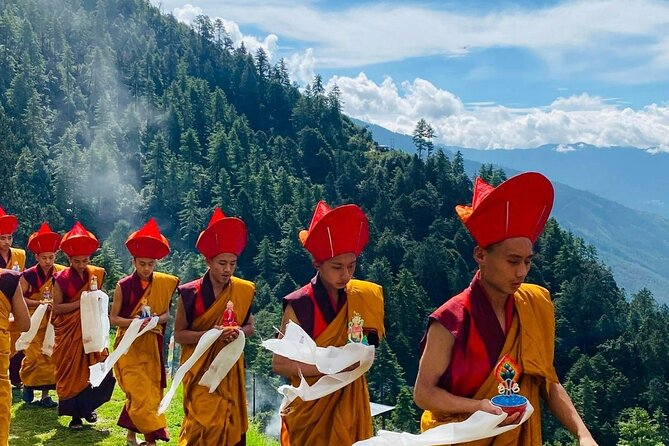
- Morning Prayer at Dodeydra Monastery, which gives you a different feel for Bhutan spirituality
- Small, meaningful stops like Simtokha Dzong and Buddha Dordenma between the hikes
- A local farm dinner with family, which turns culture into something you can talk about
- A private format, so your guide can slow down for questions and viewpoints
- Moderate fitness focus, with short hikes and a couple of longer-but-doable ascents
Why Paro, Thimphu Valley, and Punakha Fit Together in 5 Days
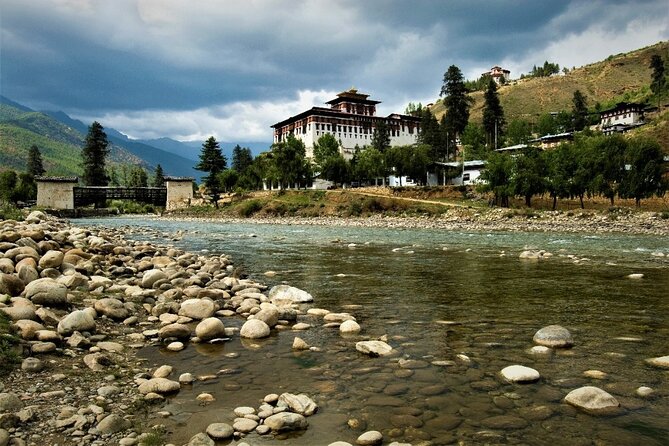
This trip is built around a classic Bhutan loop: Paro first, then the Thimphu Valley area, and finally Punakha. In five days, that structure helps you see how the country shifts by altitude and river valleys without burning days on long transfers.
The best part is the balance between “architecture you can’t ignore” and “religion you can witness.” You’ll spend time at famous sites like Paro Taktsang (Tiger’s Nest), but you’ll also walk to monasteries where prayer flags, stupa courtyards, and quiet hilltop views do most of the talking.
The pace is also a clue for who this works for: the tour doesn’t pretend every walk is effortless. If you’re comfortable hiking for hours with breaks, you’ll enjoy how each day has an arc—drive, hike, shrine, then a calmer cultural moment after.
You can also read our reviews of more tours and experiences in Paro.
Day 1 in Thimphu Valley: Prayer Flags, Dzongs, and a Market That Feels Local
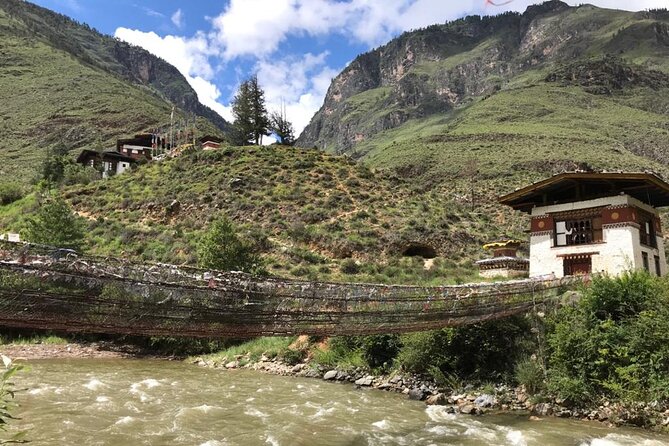
Day one starts with a gentle, scenic introduction along the Paro River at Tachoggang Lhakhang Bridge. It’s an iron bridge dotted with prayer flags, and the walk toward the temple gives you that first Bhutan rhythm: slow steps, open views, and time to look up at the details.
From there, you’ll head to Simtokha Dzong, described as the oldest fortress in the kingdom, sitting on a ridge outside Thimphu. This is one of those stops where the geometry matters. The central tower is noted as having 12 sides, and the vantage over the Thimphu Valley helps you understand why dzongs were built where they were.
Next comes Buddha Dordenma at Kuensel Phodrang, with its tall, clean silhouette—the tallest sitting Buddha statue noted here is 51.5 meters. If you like big-scale religious art and design, it’s an easy win, and it’s quick to enjoy even if your legs are still warming up.
Then you get an actual walking moment in the form of the Wangdi-tse Monastery area. The hike is described as easy and about two hours, including pine forest and a crossing through local apple farms. That’s a great kind of hike to start with because it’s not just ascent—it feels like you’re moving through working countryside.
To cap the day, the itinerary includes Centenary Farmers Market in Thimphu (the weekend market area). It runs Thursday to Sunday, so timing matters. Even if you’re not shopping, it’s useful for understanding what people eat, what people burn as incense, and what crafts show up in daily life.
Possible drawback for Day 1: this is a full day of different types of stops—bridge walk, dzong visit, statue viewpoint, then another hike—so plan on being tired by evening even if your hikes are on the shorter side.
Day 2: Pangri Zampa’s Astrology College and the Dodedrak Hilltop Hike
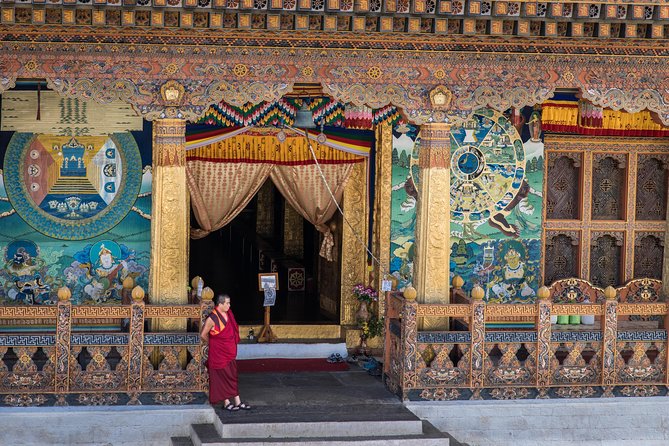
Day two leans more rural and more spiritual at once. The drive takes you through the northern end of the Thimphu valley, and you’ll make time for Pangri Zampa Monastery. What I like here is that it’s not only a shrine stop. It’s also connected to the Buddhist College of Astrology, plus the Temple of the 21 Tara Devi. That combo gives you a more complete sense of how knowledge and practice sit side by side in Buddhist life.
After that, you work up to Dodedrak Buddhist Monastery, with the itinerary calling for a hike described around four hours. This is the day where the word “short trek” starts to feel real. You’re hiking to a hilltop monastery, so you should expect steady effort and a payoff in views and calm.
The upside: this is the kind of walk that resets your brain. Instead of chasing city sights, you’re earning your arrival. When you reach a monastery perched above the valley, it makes more sense why people come to these places over generations.
Practical consideration: if your knees are sensitive, treat the hike like it’s long—slow pace, short steps, and take breaks without guilt. The tour is private, so you can usually ask your guide for a pace that works for your group.
Day 3: Morning Prayer at Dodeydra, Dochula Pass, and Punakha Dzong
Day three is about Bhutan slowing down. You start at Dodeydra Monastery early enough to join morning prayer with the assembly of monks. That’s a different experience than touring a site later in the day. Even without understanding every chant word-for-word, you’ll feel the structure and discipline in the timing and the gathering.
After the monastery morning, the trip heads to Dochula Pass at about 3,100 meters, where 108 Buddhist shrines line the pass. If skies are clear, the itinerary notes that you may see Himalayan peaks to the northeast. This is a great moment for a breath break because the pass setting gives you wide air and open sightlines.
Then you hike to Chimi Lhakhang Temple, described as about five minutes walk away from Sopsokha Village. The journey includes a short path where you may see paintings along the way, and it’s labeled as about one hour for the stop including the walk. This is one of the gentler “leg” segments after the earlier effort.
Finally, you reach Punakha Dzong, positioned at the junction of two rivers. The tour highlights its size and importance: Punakha was Bhutan’s capital until 1955, and Punakha Dzong still serves as the winter residence of the central monk body. That means it’s not just museum-style architecture—it has an active seasonal role.
One thing to know before you go: Punakha days often feel emotionally “bigger” because the river valley setting makes everything seem closer and more grounded. Plan for photos, yes, but also take time to sit and let it sink in.
Day 4 in Paro Taktsang: The Tiger’s Nest Hike You’ll Remember
On day four, you’ll do Paro Taktsang, the famous Tiger’s Nest monastery. The schedule is an early morning drive to Paro, followed by a hike to the monastery perched on a cliff at about 3,120 meters.
The time estimate here is around 4 hours, and that’s a useful number to respect. This isn’t the kind of hike where you want to sprint and hope for the best. Expect a steady climb, some uneven steps, and a need for water and breaks.
Why it matters: Tiger’s Nest is the headline for a reason, but the real value is the way your perspective changes as you climb. Lower views give way to the monastery’s dramatic placement high above the valley, and the effort makes the reward feel earned.
Weather note: this is one of those experiences where fog, rain, or cloud can change what you get to see. The tour is stated to require good weather for the best experience, and if conditions don’t cooperate, you should be ready for date changes or alternatives.
Day 5: Paro Farewell and Airport Transfer
Day five is simple. The itinerary ends back in Paro with a drive to the airport. It’s a good final touch because it removes stress on your last day—no long sightseeing push when your flight day already feels busy.
If you have energy, you might notice that Paro itself feels calmer than the busier road intersections of larger areas. Even on a short final morning, you’ll likely appreciate the slower tempo before flying out.
Monastic Stay and the Local Farm Dinner: The Part That Makes It Feel Real
This tour is sold as Culture–Hikes–Short Trek–Monastic Stay, and the best value isn’t only the famous monasteries. It’s the way the day structure hints at a Bhutan rhythm: prayer times, quiet courtyards, and meals that connect you with families rather than only with restaurants.
The highlights specifically call out a dinner at a local farm and meeting the family. That’s the moment where Bhutan stops being a series of sights and turns into conversation—what people grow, how they live, and how hospitality works at ground level.
Some experiences described here included both monastery stay and home stay elements, which is a big difference from a standard “day visit” itinerary. I like this model because it tends to make the spiritual side feel less like a performance and more like daily life.
What to expect practically: since your itinerary includes morning prayer and multiple monastery visits, you’ll likely spend more time in settings where silence and respect matter. Plan to be flexible with timing and to follow your guide’s lead.
Price and Inclusions: What You’re Actually Getting for $1,370
At $1,370 per person, this is not a budget trip, but it also isn’t vague. The package includes key costs that often surprise people in Bhutan: Bhutan Visa, accommodation, private transportation, a guide, and taxes/fees/charges.
A major item is the Bhutan SDF, listed as USD 100 per person and per night. You’ll also see meals included: breakfast (5), lunch (4), and dinner (4). That meal math matters because it reduces what you need to budget day-to-day.
Some entry tickets are also stated as included for specific stops (for example, Tachoggang Lhakhang Bridge, Simtokha Dzong, Chimi Lhakhang Temple, Punakha Dzong, and Paro Taktsang), while other stops are marked free in the schedule.
What’s not included is also clear:
- Single supplement of USD 300
- Alcohol and other beverages
If you’re comparing value, the big question is simple: do you want a guided, private Bhutan loop with hikes and monasteries built into the schedule? If yes, this price starts to look more reasonable because you’re paying for logistics, not just sights.
Packing, Weather, and Fitness: What Can Change Your Day
The tour says you should have moderate physical fitness. That lines up with the hiking durations you’ll face: an easy-to-moderate hike around two hours near Wangditse, a longer four-hour hilltop hike to Dodedrak, and about 4 hours for the Tiger’s Nest ascent.
Here’s the practical approach I suggest:
- Wear shoes you trust on uneven steps.
- Bring layers for changing mountain air.
- Pack something for rain, since Bhutan weather can shift quickly.
- Keep your phone charged, but don’t treat every minute like a photo mission.
Weather is also part of the deal. The experience is stated to require good weather. If clouds or rain spoil visibility for the major viewpoints, you may be offered a different date or refund.
Who This Tour Fits Best (and Who Might Want Another Option)
This tour is a strong fit if you want:
- A guided Bhutan trip with private transport and a clear itinerary
- Culture plus walking, not only sightseeing by car
- A route that covers Paro, Thimphu-area monasteries, and Punakha in one sweep
- A taste of monastic life through morning prayer and potentially a monastic stay
It may feel like too much if:
- You hate long hikes or you need fully flat walking most of the time
- You’re chasing a pure luxury schedule with minimal stairs and steps
- You’re traveling when you expect poor weather for multiple days (because Tiger’s Nest is weather-sensitive)
Should You Book This Bhutan Best of Tour?
If your idea of a great Bhutan trip includes Tiger’s Nest, monasteries with real morning energy, and at least a couple of meaningful hikes, this tour is worth serious consideration. I also like that the package does not bury the costs—you get SDF, guide, transport, lodging, and most meals handled, so you can focus on the experience.
Book it if you’re comfortable with a moderate fitness level and you’ll respect the slow pace of monastery spaces. Think twice if long hikes are a no-go or if you’re going at a time when you expect persistent rain. If you can handle that one variable, this is the kind of trip where the memories stick for reasons bigger than photos.
FAQ
Where does the tour start and end?
It starts at Paro International Airport (Airport Road, Paro) and ends back at the meeting point area in Paro, with a drive to the airport on the last day.
How long is the Best of Bhutan Tour?
The duration is 5 days (approx.).
What area of Bhutan does the itinerary cover?
The schedule centers on Paro, plus stops around Thimphu Valley and Punakha.
Is pickup offered?
Yes, pickup is offered.
Is this a private tour?
Yes. The tour is listed as private, meaning only your group participates.
What fitness level do I need?
Travelers should have moderate physical fitness level since the itinerary includes hiking and monastery climbs.
What meals are included?
The package includes 5 breakfasts, 4 lunches, and 4 dinners.
Are tickets included for the attractions?
Some attractions are marked as having admission included (such as Tachoggang Lhakhang Bridge, Simtokha Dzong, Chimi Lhakhang Temple, Punakha Dzong, and Paro Taktsang), while others are listed as free.
What is the price and what’s the big cost add-on?
The price is $1,370 per person. There is also a single supplement of USD 300 if you need single occupancy.
Can I cancel for free if plans change?
Yes. It lists free cancellation. You can cancel up to 24 hours in advance for a full refund, and changes within 24 hours aren’t accepted.