REVIEW · PARO
Druk Path Trek: Discover The Raw Natural Beauty of Bhutan
Book on Viator →Operated by Bhutan Best InBound Tour · Bookable on Viator
You start in Paro, then trade roads for trails. The Druk Path Trek links the arid Paro valley to greener hills above Thimphu, and you get camping nights with a full support setup. I love how monastery moments keep showing up, from Taktsang’s cliffside presence to quieter sites like Jela Dzong.
Two things you should plan around are effort and altitude. You’ll hike Tiger’s Nest before the trek starts, so this isn’t a sit-and-snap tour; it’s a real walking trip, and you’ll want moderate fitness. Also, the big gear list includes camping support but not a sleeping bag, so you’ll need to source that on your own.
In This Review
- Key points you’ll care about
- How the Druk Path Plan Cuts Down Transit Time
- Tiger’s Nest Day: The Acclimatization Hike That Sets the Tone
- Paro Warm-Up: National Museum and Rinpung Dzong
- Day-by-Day Trek Focus: Damchena (2900 m) to Jela Dzong
- Tshokam to Jigmelangtsho: The Tree Line Changes Your Day
- Janetsho Lake and Yak Herders: Where the Trek Turns Personal
- Sunrise at Phajoding and the Descent into Thimphu
- Camping and Food: Comfortable Basecamps Without the Fake Luxury
- Guide, Team, and Communication: Getting Documents Right Matters
- Price and Logistics: What $2,200 Really Buys
- Best Time to Go: When the Trek Fits the Seasons
- Who This Trek Fits Best (and Who Should Skip It)
- Should You Book the Druk Path Trek?
- FAQ
- How long is the Druk Path Trek?
- Where does the trek start and end?
- When can I do this trek?
- Is Tiger’s Nest included before the trek?
- How challenging is the hiking?
- What gear is provided?
- Is a sleeping bag included?
- Are meals included?
- Do I need to pay extra for the single supplement?
- What’s the meeting point?
Key points you’ll care about
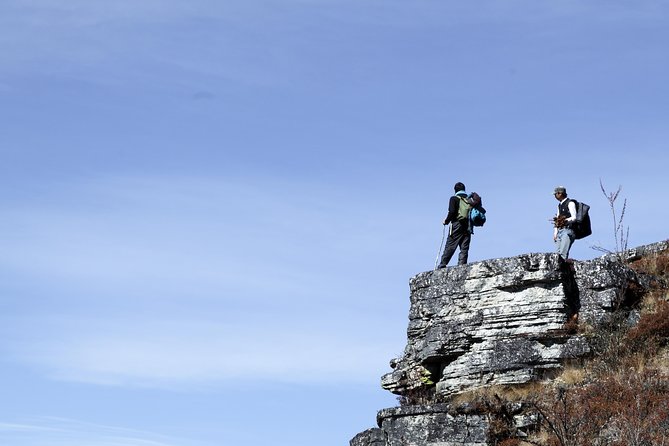
- Start hiking near your entry point so you don’t lose days to long drives
- Tiger’s Nest is built in for acclimatization, with a steep climb to a teahouse viewpoint
- Real camping support: tents, dining tents, toilet tents, and ponies for luggage
- Clear day-by-day elevation goals up to 3900 m, with shorter, manageable hiking windows
- A private trip experience with a certified guide and private transportation
How the Druk Path Plan Cuts Down Transit Time
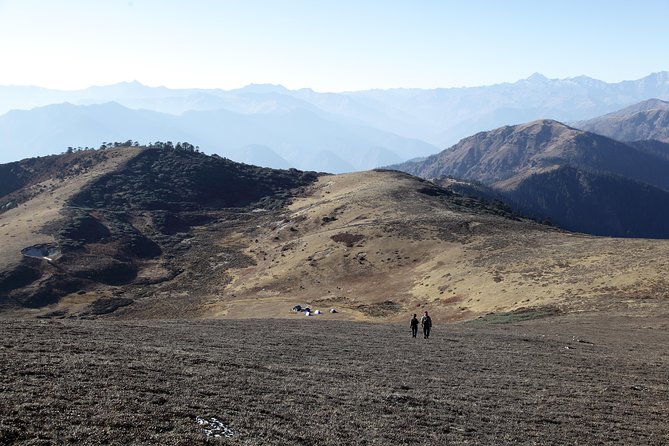
Bhutan is famous for its scenery, but what matters for your time is how the route is built. This trek is designed to begin right from Damchena in Paro, so you’re not spending your trip on the back of a vehicle just to reach the trail.
That efficiency matters because you’ll feel the altitude. Starting near Paro lets the trip pace help you adjust, especially since Tiger’s Nest is scheduled before the main trek days. You’re basically getting a gradual ramp-up: first steep steps, then the trekking days, then the calmer descent into Thimphu.
You’ll also appreciate the private nature. This is a private tour/activity, so your guide can set a pace that works for your group rather than folding you into someone else’s timing.
You can also read our reviews of more tours and experiences in Paro.
Tiger’s Nest Day: The Acclimatization Hike That Sets the Tone
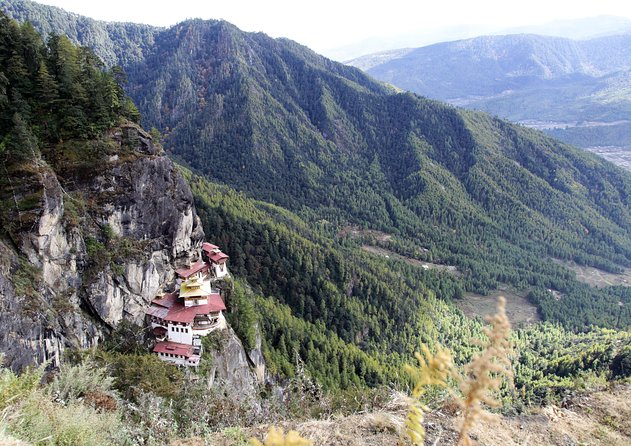
Before the trail proper, you go to Paro Taktsang for the climb to the teahouse. The hike is described as a steep 1½-hour ascent to a spot where you can pause and take in the view of Taktsang Monastery, perched roughly 2,700 feet above the valley floor.
This day is more than sightseeing. It’s a practical warm-up that helps your body get used to uphill movement and thinner air. It also helps you mentally—once you’ve climbed those stairs (and they do feel like stairs), the later trek days won’t feel like they came out of nowhere.
A quick consideration: the hike is steep, and time on your feet builds. If you’re even a little unsure of your leg stamina, this is where you’ll want to take the climb slower than you think you need to.
Paro Warm-Up: National Museum and Rinpung Dzong
Day 1 gives you a cultural entry point in Paro before you start hiking for real. First up is the National Museum in an old watchtower above the Paro Dzong. The collection includes thangkas (religious scroll paintings) and bronze statues, which is a great way to understand Bhutan’s visual language before you hit temples and monastery sites out on the trail.
Then, if your schedule allows, you drive to Rinpung Dzong, also known as the Fortress on the Heap of Jewels. Built in 1644 by Shabdrung Ngawang Namgyal, it’s a classic Bhutan “power in stone” sight. Even at this early stage, it helps you notice the mix of devotion, politics, and architecture that Bhutan does so well.
Practical value: this day is a calm gear-check. It’s much easier to enjoy the museum and fortress when your legs aren’t already tired from a long trek.
Day-by-Day Trek Focus: Damchena (2900 m) to Jela Dzong
On the trek’s start day, you begin at Damchena in Paro at about 2900 m. The walk is listed as roughly 7 hours, and the destination is Jela Dzong, described as a tranquil monastery perched on a lush hill.
What makes this day feel special is the transition. You’re moving from the more arid feel of Paro valley into greener upper terrain, and the monastery placement helps you understand why people historically built spiritual sites where views were clear.
Also, you’re not carrying everything yourself. The trip includes trekking equipment and camping gear, plus ponies for luggage. You still carry a daypack, but you’re not trying to haul the whole camp on your back. That difference is huge when you’re dealing with uneven ground.
Tshokam to Jigmelangtsho: The Tree Line Changes Your Day
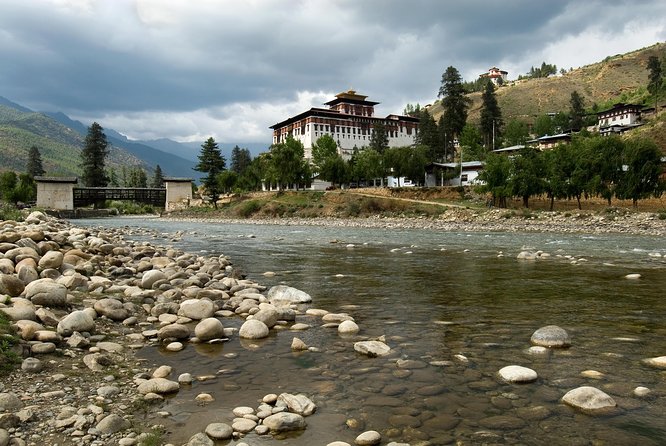
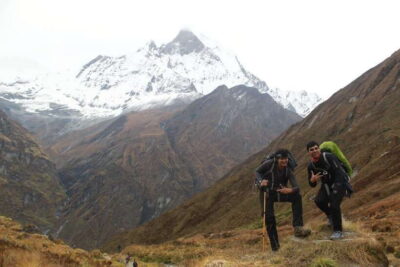
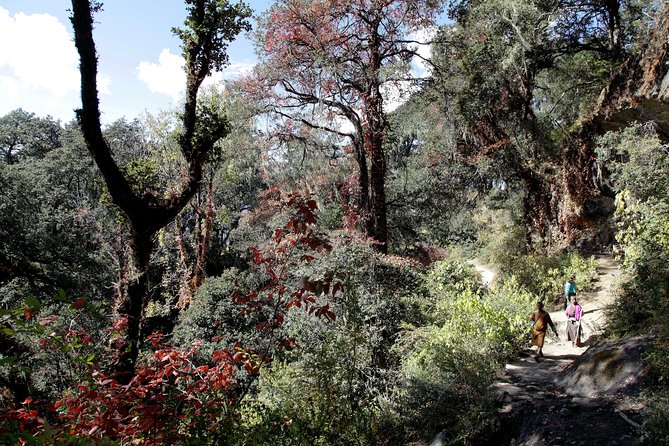
Next comes the higher move: Tshokam (3770 m) to Jigmelangtsho (3900 m), with about 6 hours of hiking. The description calls out dwarf rhododendron trees and the idea that you leave the tree line behind as you ascend.
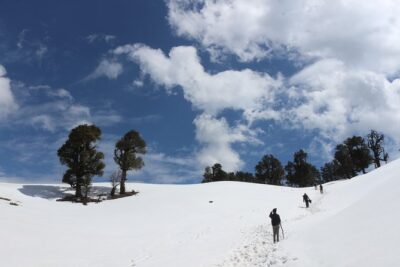
This is one of those trek details that changes how you experience the day. When the tree line breaks, you feel wind more, and you get less shade. The ground can also feel more exposed because the vegetation changes. The route description suggests an increasingly alpine feel as you gain elevation.
A practical consideration: at these heights, you’ll want to pace yourself. Even if you feel fine, your body may spend more energy than you expect just maintaining breathing and rhythm. Your guide’s pacing matters here—don’t try to “win” the hike.
Janetsho Lake and Yak Herders: Where the Trek Turns Personal
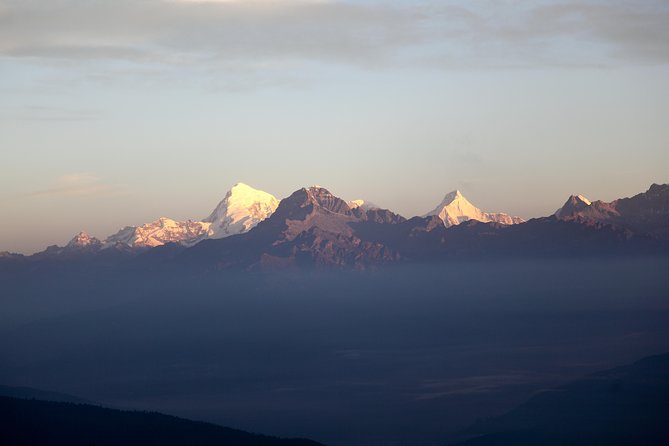
After that higher day, you walk about 5 hours on the trail through dwarf rhododendron areas toward Janetsho Lake. This segment is where the trip starts to feel less like a route and more like a place.
You’ll also pass cozy camps of yak herders, which adds a human layer to the scenery. The trek isn’t just about mountain views; it’s about moving through the zones where people live and work seasonally. That’s what makes the day memorable after the earlier cultural and monastery hits.
Another value point: because food and camp setup are handled, you get to focus on walking and stopping when it makes sense. You’re not spending your energy figuring out logistics mid-trek.
Sunrise at Phajoding and the Descent into Thimphu
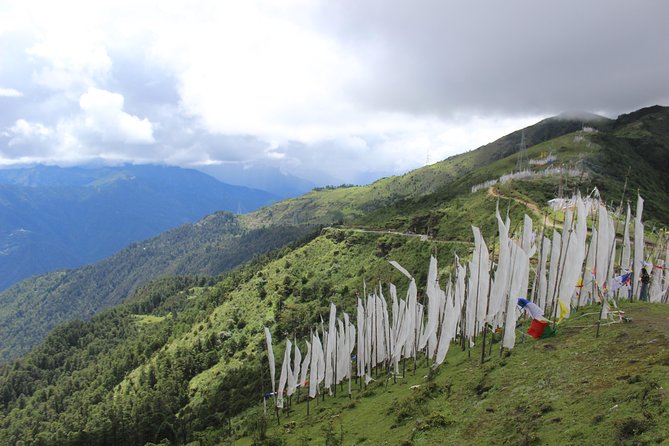
Your final trek day starts with a sunrise treat from Phajoding. The schedule describes dawn painting the sky, then a more leisurely descent toward the Thimphu valley with about a 3-hour walk.
This is a smart way to end. After a few days of steady effort, the goal becomes flow instead of grind. You’ll also get that classic sense of Bhutan: you’re walking from high terrain into a settled valley where temples and towns feel close enough to hear life again.
Then you add a big cultural topper: Buddha Dordenma at Kuensel Phodrang. The statue is listed as the tallest sitting Buddha at 51.5 meters, and the stop is about 30 minutes. It’s short, but it’s a strong final photo moment and a good contrast to the earlier monastery sites.
Camping and Food: Comfortable Basecamps Without the Fake Luxury
Camping in Bhutan can go two ways: either it’s a rough-it setup or it’s a real basecamp with the basics handled. This trek is set up on the comfortable side for its style.
Included are sleeping tents, dining tents, and toilet tents, plus trekking and camping equipment. There’s also a full food schedule listed for the trip: breakfast (6), lunch (6), and dinner (6). That’s important because trekking days burn energy, and not having to hunt for meals keeps your pace steady.
On top of that, the trek food quality has been a consistent highlight. I like that because it changes how tired you feel at day’s end. When you’re eating well in camp, the whole rhythm improves.
If you plan for one thing: bring gear that complements the comfort. The only notable gap in the gear list is the sleeping bag, which isn’t included.
Guide, Team, and Communication: Getting Documents Right Matters
Bhutan travel often feels paperwork-heavy. This trip includes internal taxes and Bhutan visa support, and the trip is run through Bhutan Best InBound Tour with a certified guide.
From what I’ve seen about how this operation runs, the coordination can be a real part of the experience. One name that shows up is Thinley, tied to handling travel documents smoothly. Another is Rinzin, mentioned as an excellent guide. If those are the people assigned to you, that’s a good sign: it means your trek isn’t just a map and a camp—it’s a team that pays attention to timing.
Even if your guide isn’t named Rinzin, the structure is similar: you’re not left on your own to figure things out. That matters on day-to-day decisions like how fast to hike and when to rest.
Price and Logistics: What $2,200 Really Buys
The price is $2,200 per person for a trek that runs about 7 days with 4 days of trekking. That sounds like a lot until you look at what’s included.
Here’s what you get in the package:
- Certified guide
- Private transportation
- Trekking equipment and camping setup
- Sleeping tents, dining tents, and toilet tents
- Ponies for luggage
- All necessary food items, with 6 breakfasts, 6 lunches, and 6 dinners
- Internal taxes and Bhutan visa
- Government SDF listed as USD 100 per person per night
The big things not included:
- Travel insurance
- Airfare (international and domestic)
- Single supplement of USD 500
- Sleeping bag
So the value question becomes: are you buying convenience and support, or are you trying to travel rugged with your own gear? This is a supported trek. If you want that, the pricing can feel fair for what’s handled for you.
One more practical note: it’s designed for people with moderate physical fitness. That’s not a casual stroll, but the hiking windows are kept to several hours rather than full marathon days.
Best Time to Go: When the Trek Fits the Seasons
The trek is feasible:
- Late February to May
- September to December
That timing matters because you’re dealing with higher elevations and exposed hiking. You’ll want weather-proof layers and decent footwear either way, but choosing a listed season helps you avoid the worst odds.
If you’re planning around work or school schedules, these windows are your reality check. Outside those months, the trip may not run as described.
Who This Trek Fits Best (and Who Should Skip It)
This is a great match if you want:
- A nature + culture combo in one trip
- Camping in the mountains with real support
- Monastery stops you can reach by foot
- A guided experience that handles meals and gear
You might think twice if:
- You hate steep climbs. Tiger’s Nest is a steep start.
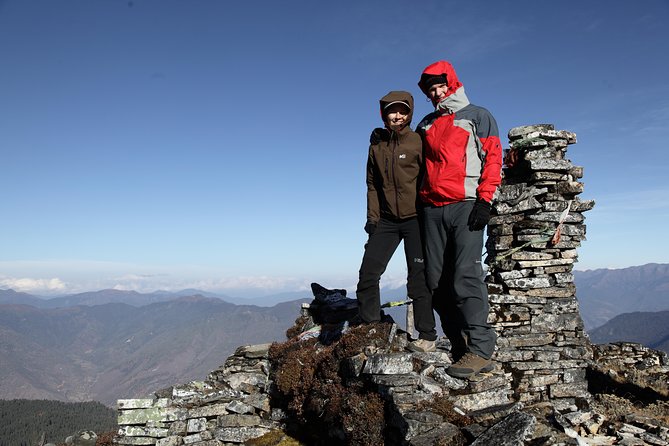
- You’re not comfortable with altitude. You’ll start around 2900 m, then climb up to about 3900 m.
- You don’t want to bring or buy a sleeping bag, since it’s not included.
If you’re a confident walker and you like the idea of waking up in camp to real mountain air, you’ll likely love how the days connect.
Should You Book the Druk Path Trek?
I’d book it if you want Bhutan that feels physical and lived-in. This trek doesn’t just show you views; it builds your days around climbing, camping, and monastery moments that make sense in sequence. The camping setup, covered meals, and luggage ponies mean you can focus on the hike instead of doing extra problem-solving.
I’d hesitate if your idea of trekking is light and flat. You’re climbing hills, stepping through higher zones, and starting with Tiger’s Nest. If you show up prepared and with a moderate fitness baseline, you’ll be rewarded with that raw natural beauty Bhutan does so well—plus a final landing in Thimphu that feels earned.
FAQ
How long is the Druk Path Trek?
The trek portion is described as 4 days, and the full experience runs about 7 days.
Where does the trek start and end?
It starts at Damchena in Paro and ends at Thimphu, or it can be run in reverse.
When can I do this trek?
The trek is feasible from late February to May and from September to December.
Is Tiger’s Nest included before the trek?
Yes. Before the trek starts, you hike Paro Taktsang (Tiger’s Nest) for acclimatization.
How challenging is the hiking?
It’s listed as feasible for travelers with moderate physical fitness. Specific hikes include a steep 1½-hour climb to Taktsang’s teahouse and multi-hour trek days.
What gear is provided?
The package includes trekking equipment and camping equipment, with sleeping tents, dining tents, and toilet tents.
Is a sleeping bag included?
No. A sleeping bag is not included.
Are meals included?
Yes. The tour includes 6 breakfasts, 6 lunches, and 6 dinners.
Do I need to pay extra for the single supplement?
Yes. A single supplement of USD 500 is listed as not included.
What’s the meeting point?
The experience meets at Paro International Airport, and the activity ends back at the meeting point. Pickup is also offered.