REVIEW · MUKTINATH
Kathmandu/Pokhara: Annapurna Circuit Trek 10 days
Book on GetYourGuide →Operated by Peak to Peak Treks · Bookable on GetYourGuide
The Annapurna Circuit is a climb with a payoff. One day you’re in green river valleys, and the next you’re aiming for Throng La Pass at 5,416m with big Himalayan views overhead. This 10-day trek mixes serious mountain effort with village life, stone monasteries, and a steady flow of scenery changes as you work your way around the Annapurna massif.
I particularly like two things: the cultural stops around Muktinath and the way the route threads through ethnic villages, and the dramatic variety in terrain—from subtropical valleys to arid, high-country country that feels almost Tibetan. The practical bonus is you travel with an English-speaking guide (people have praised guides like Kim, Khim, Nir, and Milan), which matters a lot when altitude and weather start doing their own thing.
One consideration: this is an altitude trek. If you’re not ready for long days plus high elevation, it won’t feel fun. Also, teahouses don’t always mean hot showers or easy charging, so plan your comfort level accordingly.
In This Review
- Key Points That Make This Trek Worth It
- The Route That Feels Like Three Different Trips
- The Pass Day: Throng La Pass at 5,416m (and How to Survive It)
- Manang Acclimatization: Why That Extra Day Is Not Wasted Time
- The Big Backbone: Teahouses, Food, and Comfort Limits
- Day-By-Day Walking: What Each Stop Actually Feels Like
- Day 1: Kathmandu to Dharapani (1,860m)
- Day 2: Dharapani to Chame (2,670m)
- Day 3: Chame to Pisang (3,300m)
- Day 4: Pisang to Manang (3,540m)
- Day 5: Acclimatization in Manang (3,540m)
- Day 6: Manang to Yak Kharka (4,000m)
- Day 7: Yak Kharka to Thorong Phedi (4,450m)
- Day 8: Thorong Phedi to Muktinath via Throng La Pass (5,416m down to ~3,710m)
- Day 9: Muktinath to Jomsom (2,720m)
- Day 10: Jomsom to Pokhara
- Guides Make It: Kim, Khim, Nir, Milan, and Porter Dill
- Price and Value: What $430 Really Covers
- Who This Trek Fits Best (and Who Should Skip It)
- Should You Book This Annapurna Circuit Trek?
- FAQ
- What’s the total duration of the trek?
- Where does the trek start?
- What’s the highest point on this trek?
- Do I need permits?
- Are meals included during the trek?
- Are hot showers or charging available?
- What gear should I bring?
- Is travel insurance required?
- What language is the guide?
- Who should not book this trek?
Key Points That Make This Trek Worth It
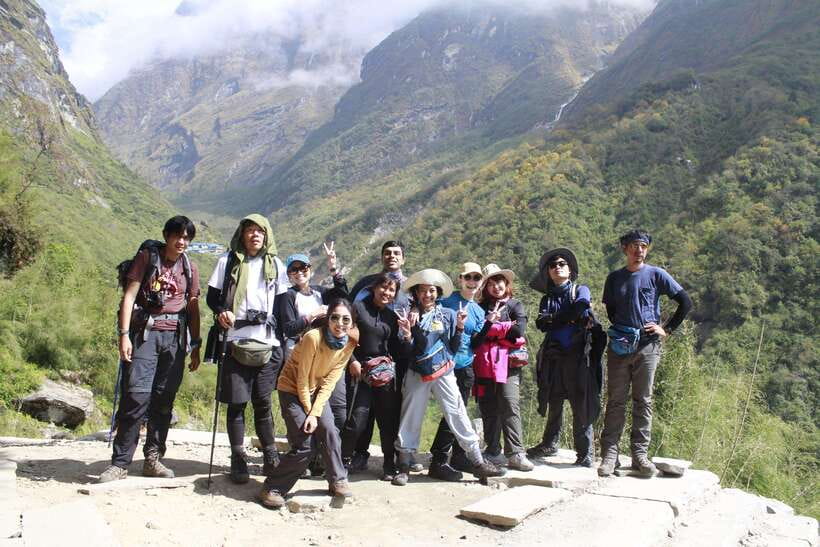
- Crossing Throng La Pass (5,416m): the centerpiece day with panoramic views of major peaks.
- Annapurna Conservation Area biodiversity: a trek that changes with the altitude, not just the view.
- Teahouse trekking support: nights in simple guesthouses keep you moving without carrying camp gear.
- Village culture at trekking pace: ethnic settlements, monasteries, and temple stops along the route.
- Iconic gorge scenery: time along the Kali Gandaki Gorge, noted as the world’s deepest gorge.
- Hot springs and apple country: Tatopani’s warm-up and Marpha’s apple orchards break up the grind.
The Route That Feels Like Three Different Trips
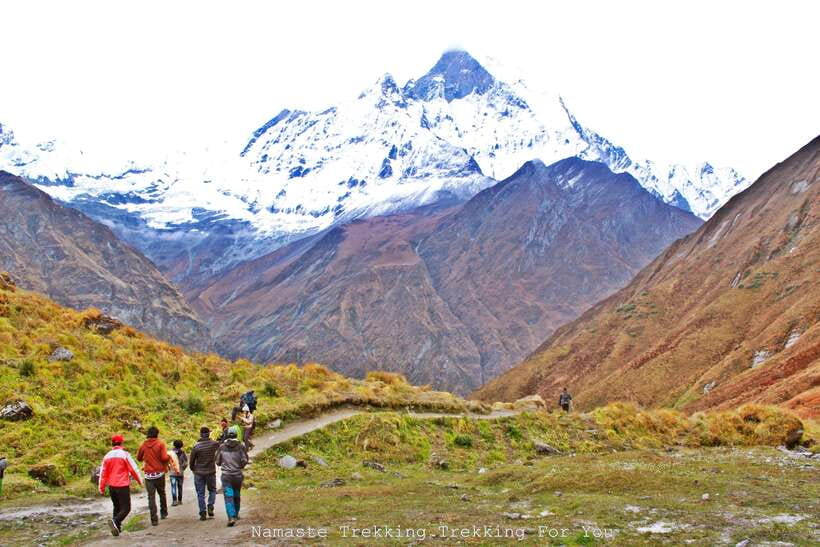
The Annapurna Circuit works because it refuses to stay in one mood. You start in lush, subtropical valley terrain near the Marsyangdi River—think terraced fields, small villages, and the kind of walking where you can actually look around without staring at your feet the whole time. As you gain altitude, the vegetation shifts. Alpine forests give way to more rugged, drier high-country terrain that can feel stark and remote.
Then there’s the cultural rhythm. The trek isn’t only about meters gained. You also pass through places where daily life keeps going—local teahouses, shopfronts, small guesthouses, and temple towns where pilgrims and trekkers share the same paths. Muktinath is the big spiritual stop in the middle of the story, with ancient temples and monasteries that give the trek extra meaning beyond photos.
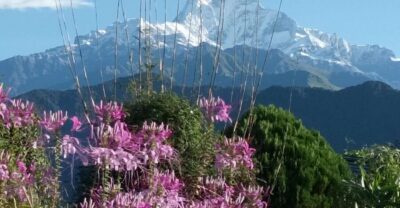
Finally, the views do what big mountain views should do: they keep widening as you go higher. You’re not just chasing one summit photo. You’re watching the Annapurna region reveal different faces—Annapurna, Dhaulagiri, Manaslu—often with long sightlines that make the effort feel real.
The Pass Day: Throng La Pass at 5,416m (and How to Survive It)
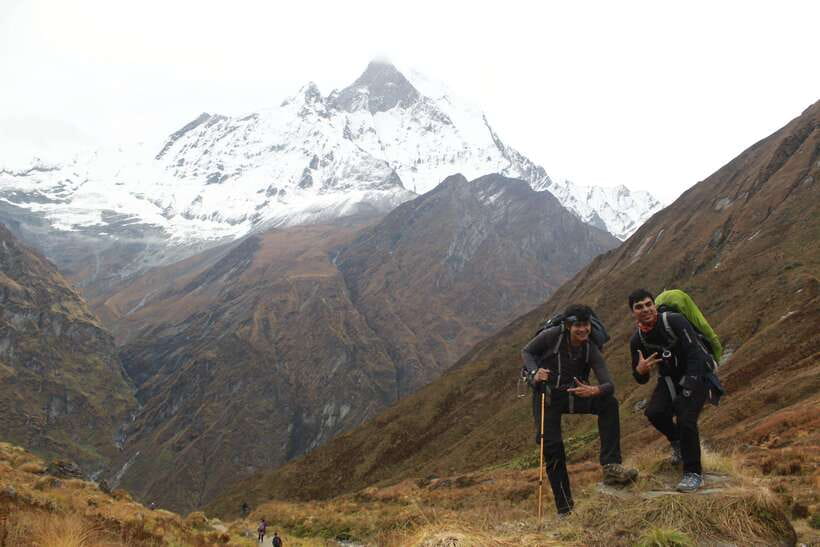
This trek’s headline is the crossing of Throng La Pass at 5,416 meters. It’s a big number. But the key is how you approach it. The plan includes a climb to high camp terrain the day before (Thorong Phedi at 4,450m), so you’re not suddenly thrown into the coldest, highest part with no preparation.
On pass day, the schedule is longer than the earlier hiking days—often 7 to 9 hours. That matters because at altitude, time feels weird. You may feel slower, especially if you go out too fast. Your best move is steady pacing. Short steps. Controlled breathing. And listening to your body, because altitude fatigue isn’t just “tired legs.” It can turn your decision-making sloppy.
The payoff is that you crest into wide, panoramic views. The trek description highlights views of Annapurna, Dhaulagiri, and Manaslu—exactly the kind of “worth it” payoff that makes the hours of planning and paperwork feel like they actually mattered.
Practical note: the pass is high, and weather can change quickly. Your English-speaking guide is there for route timing and on-the-ground judgment. If you’re prone to getting anxious at altitude, this is where having a calm professional in your corner matters.
Manang Acclimatization: Why That Extra Day Is Not Wasted Time
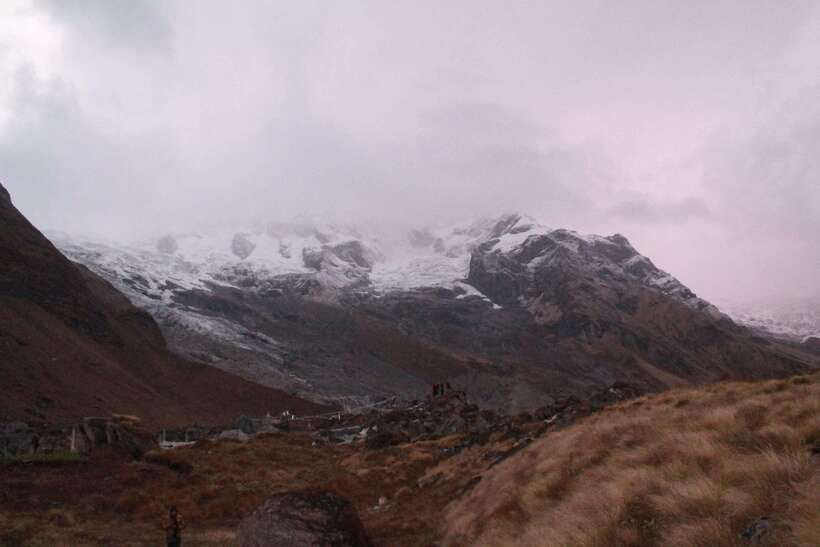
Day 5 is built for acclimatization in Manang (around 3,540m). This is one of those “boring on paper, lifesaving in real life” parts of the trek. Instead of climbing every day, you get time to explore locally and let your body adjust before you push higher toward Yak Kharka and eventually the pass corridor.
In plain terms: acclimatization helps reduce the risk of getting slammed by altitude too fast. It also makes the next hiking days more tolerable. The climb from Manang to Yak Kharka (around 4,000m) is shorter than pass day, but it’s still a meaningful step up, and your comfort level tends to depend on how well your body handled that middle point.
So if you’re looking at this trek and thinking, Can I just skip the extra day? The honest answer is no. That day is part of why the plan works.
The Big Backbone: Teahouses, Food, and Comfort Limits
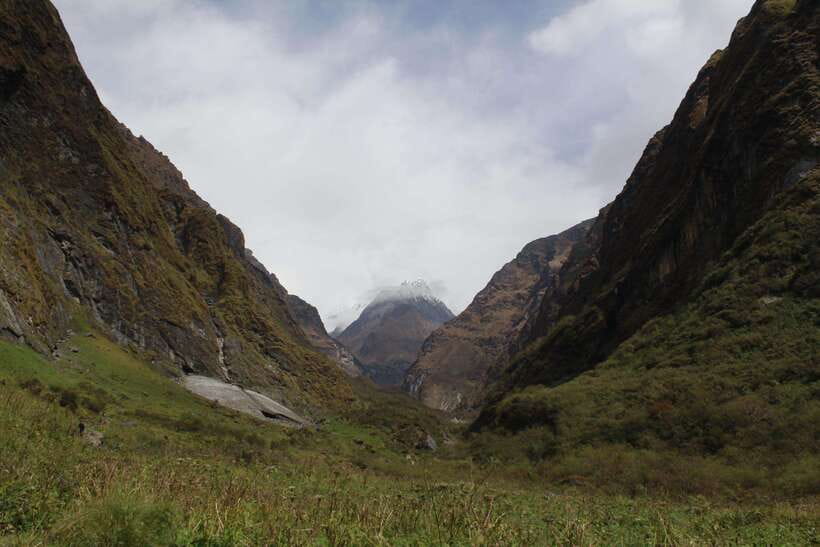
This trek uses teahouse accommodation during the walking days. That’s practical because you don’t need to carry a tent setup, and you get a predictable rhythm: hike, eat, rest, repeat.
But teahouses vary. The info you’re given is clear that some places may not offer hot showers and charging facilities. That’s normal in remote areas. So I’d pack for “functional comfort,” not spa conditions.
Meals during the trek aren’t included. That means you should budget for daily food costs in addition to the tour price. It also means you can usually choose what you eat to match how your appetite feels at altitude. If you’re the type who needs a predictable meal plan, tell your guide. If your appetite drops at height (common), aim for something warm and simple and don’t force big portions early in the hike.
One more small but important detail: the operator includes a first aid kit and trekking maps, which helps with real-world safety and navigation support.
Day-By-Day Walking: What Each Stop Actually Feels Like
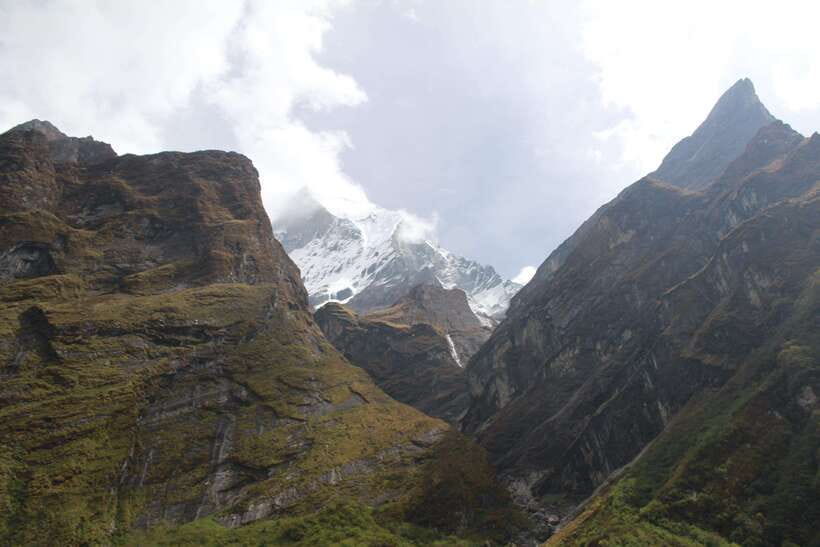
Here’s how the trek’s pacing and setting come together over 10 days, with the altitudes and rough hiking times as your guide.
Day 1: Kathmandu to Dharapani (1,860m)
You start with a drive, around 6–8 hours, from Kathmandu to Dharapani. This day is mostly transit and a gentle entry into the circuit. After a long road day, your focus should be hydration and an easy first night—no big hero moments.
Day 2: Dharapani to Chame (2,670m)
This is a solid “get moving” day at about 4–5 hours of hiking. You’ll feel the increase in altitude quickly, but it’s still the kind of day where village life and river-valley terrain keep you busy in a good way. Chame is one of those trekking towns where you’ll get used to the teahouse rhythm fast.
Day 3: Chame to Pisang (3,300m)
Another climb, around 5–6 hours. Pisang tends to feel more dramatic as you push higher—less lush vegetation and more open views. Expect that walking effort starts to matter more here, especially if you’re not used to mountain air.
Day 4: Pisang to Manang (3,540m)
At about 5–7 hours, this day is about arriving in the Manang area at roughly the same altitude level as your acclimatization target. Manang is where the trek begins to shift into higher-country thinking. You’re not far from the pass zone now, so this is when you start taking your schedule seriously: sleep, water, and pace.
Day 5: Acclimatization in Manang (3,540m)
This is your reset day. You’ll explore and acclimatize rather than adding big altitude. Use it for short local walks, getting a feel for how you breathe, and letting your body settle. The smartest hikers treat this as part of the climb, not a break from the climb.
Day 6: Manang to Yak Kharka (4,000m)
A shorter hike, about 4–5 hours, but the altitude is rising. Yak Kharka sits at around 4,000m and gives you a stepping stone toward Thorong Phedi. This day is where you’ll notice whether your pacing habits were good or bad—fast starts tend to cost you later.
Day 7: Yak Kharka to Thorong Phedi (4,450m)
About 3–4 hours, but it’s targeted for your pass day. Thorong Phedi is higher and often colder. This is the day to focus on rest, eating properly, and being ready for a long early start.
Day 8: Thorong Phedi to Muktinath via Throng La Pass (5,416m down to ~3,710m)
This is the main event, roughly 7–9 hours total. You crest Throng La Pass at 5,416m, then descend toward Muktinath at about 3,710m. The description highlights panoramic views of major peaks, then the spiritual shift into Muktinath’s temples and monasteries.
If you’ve been working hard all week, this day can feel like a full emotional cycle: effort, relief, awe, and sometimes sudden tiredness once you start descending. Plan to take it slow downhill. The knees don’t care that you’re excited.
Day 9: Muktinath to Jomsom (2,720m)
A 5–6 hour walking day, dropping to around 2,720m. This is where the route is described as passing through areas like Kali Gandaki Gorge and visiting places such as Marpha (apple orchards) and Tatopani (natural hot springs). That mix matters: after hard altitude, hot water and orchard scenery make a big difference in how the trek feels.
The Kali Gandaki Gorge part is especially striking because it’s described as the world’s deepest gorge, flanked by towering peaks. In other words, you’ll be walking through a dramatic “in-between” zone where the valley walls feel close and the rock-cut shapes look almost impossible.
Day 10: Jomsom to Pokhara
You finish with a drive to Pokhara, about 6–8 hours. This is when the trek transitions into the easiest part of the trip: getting back to town comfort and processing what you just did.
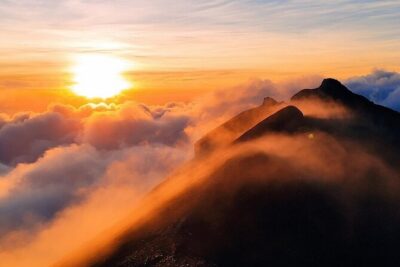
And in the wider description of this trek experience, there’s also a rhododendron-forest finale with an early sunrise shot from Poon Hill near Ghorepani. Even if timing varies depending on conditions, the idea is the same: finish with a memorable sunrise panorama, not a dull last-day shuffle.
Guides Make It: Kim, Khim, Nir, Milan, and Porter Dill
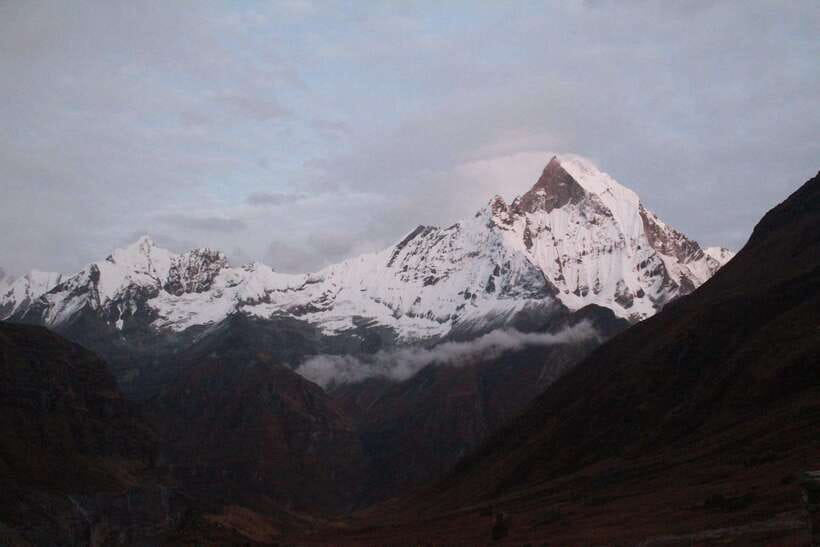
This is one of those treks where a good guide isn’t a luxury. It’s the difference between a stressful week and a calm, confidence-building experience.
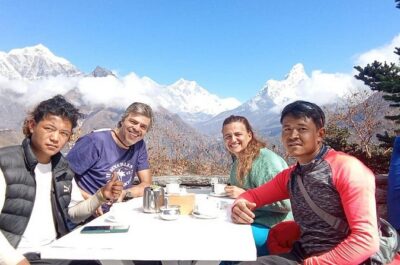
In the feedback for this trek, guides like Kim and Khim were praised for professionalism, kindness, and mountain passion. One group also highlighted porter Dill, which points to the value of having help with carrying so you can focus on the trail instead of your pack.
Other feedback called out guide Nir as exceptionally supportive, with a habit of adjusting the plan based on how you feel day by day. And Milan was praised for making trekkers feel safe, plus offering real humor and detail-oriented care.
If you care about having a relationship with your guide (not just following instructions), pick a private group. It makes the schedule more flexible and personal.
Price and Value: What $430 Really Covers
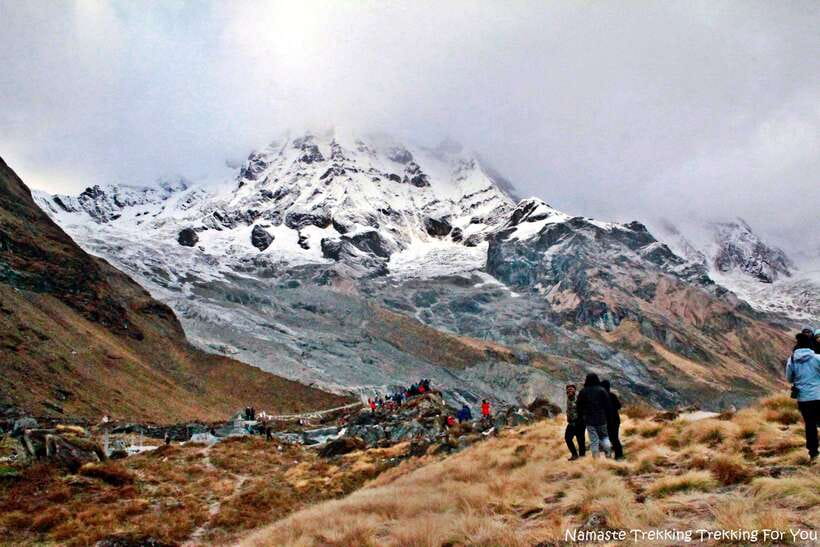
At $430 per person for 10 days, you’re paying for more than just the walks. The price includes permits (ACAP and TIMS), transportation to the trailhead from Kathmandu or Pokhara, an English-speaking guide, teahouse lodging during the trek, a first aid kit and trekking maps, and a farewell dinner. It also includes government taxes and service charges.
What’s not included is important. Meals during the trek are on you, and travel insurance is mandatory and should cover high-altitude trekking. You’ll also need personal gear like sleeping bags, jackets, and trekking poles (if you don’t already own them). Finally, hot showers and charging depend on the teahouse.
So the value story is this: you’re covered on permits, core logistics, and guiding. Your main extra costs are food, insurance, and gear. If you already own most trekking gear, this can be a strong deal. If you need to buy everything last-minute, budget time and money for that before you go.
Who This Trek Fits Best (and Who Should Skip It)
This experience fits hikers who want a real high-altitude challenge with cultural elements and a clear route structure. You should be comfortable with a long pass day, earlier elevation gains, and the idea of walking most days with teahouse nights.
It’s listed as not suitable for pregnant women. It’s also smart to treat it cautiously if you have medical conditions related to altitude—even if you feel fine on day one.
If you like being guided but also want freedom to talk, a private group can feel ideal. It’s also ideal for people who want English support, because you’ll have a better shot at understanding how to pace and what to watch for.
Should You Book This Annapurna Circuit Trek?
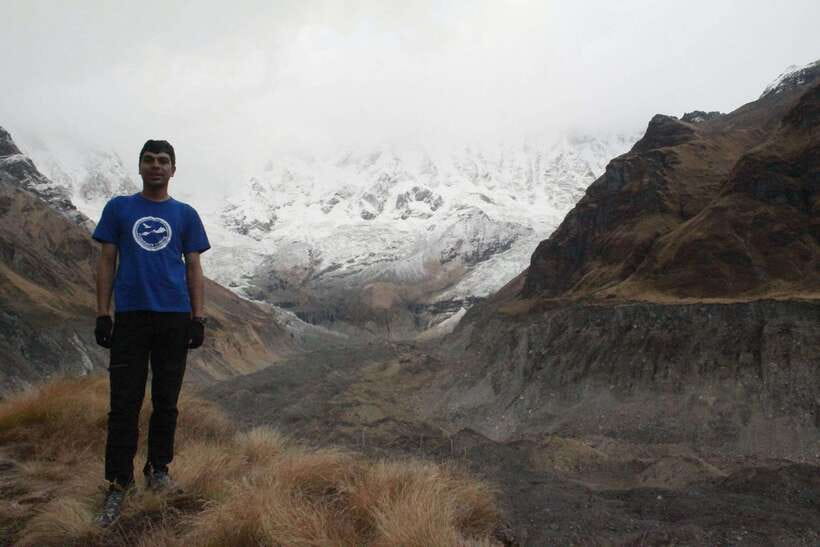
I’d book this if you want one of the classic Nepal trekking experiences with a clear centerpiece: Throng La Pass plus meaningful stops like Muktinath, plus a mix of nature and local life. I’d also book it if you value guidance—this trek seems to be the kind where good decision-making matters as much as fitness.
Skip it or reconsider if you don’t want the altitude challenge. And don’t treat teahouse comfort as guaranteed luxury. Plan for basic accommodations, cold nights, and meals you’ll need to budget for.
If you’re ready to work for a real view, and you want a route that mixes high-country exertion with temple-town culture, this is a solid way to do the Annapurna Circuit in 10 days.
FAQ
What’s the total duration of the trek?
The trek runs for 10 days.
Where does the trek start?
You’ll travel from Kathmandu or Pokhara to the trailhead as part of the package.
What’s the highest point on this trek?
The highest point is Throng La Pass at 5,416 meters.
Do I need permits?
Yes. The necessary permits (ACAP and TIMS) are included.
Are meals included during the trek?
No. Meals during the trek are not included.
Are hot showers or charging available?
Hot showers and charging facilities are not guaranteed at some teahouses.
What gear should I bring?
Personal trekking gear is not included, such as sleeping bags, jackets, and trekking poles.
Is travel insurance required?
Yes. Travel insurance is mandatory and should cover high-altitude trekking.
What language is the guide?
The guide operates in English.
Who should not book this trek?
It’s not suitable for pregnant women.