REVIEW · KATHMANDU
From Kathmandu: 5-Day Gosaikunda Lake Trek
Book on GetYourGuide →Operated by Cordial Trek Pvt. Ltd. · Bookable on GetYourGuide
A sacred lake hike in just five days.
I like how this trek takes you from Kathmandu’s chaos to the stillness of Gosaikunda Lake fast, and I also love that it’s guided by an experienced licensed guide who keeps the trip smooth. The big drawback is the altitude and the steep parts, especially if you’re not used to hiking uphill at elevation.
You’ll be moving through Langtang National Park with a mix of forest trails and alpine scenery, plus a clear sense of local culture and meaning around the lakes. If you want a solid taste of high-mountain trekking without spending a week or two on the road, this one fits.
In This Review
- Key Things I’d Focus On Before You Go
- Why Gosaikunda in Five Days Works From Kathmandu
- Kathmandu to Dhunche: The 5–6 Hour Drive and Your First Climb to Deurali
- Day 2 Toward Laurebina: Chandanbari’s Steep Ascent at 3910m
- Day 3 to Gosaikunda: Sacred Lake at 4380m and the Kunda Cluster
- Day 4 Down to Dhunche: Rhododendrons, Pine, Bamboo, and a Breather
- Day 5 Return to Kathmandu: Scenic Drive Back to Lower Elevation
- Permits, Guide, and Loaned Gear: The Stuff That Makes a Trek Easier
- Comfort and Meals: Guest Houses, Full Board, and Real Trek Fuel
- Price and Value: Is $179 a Good Deal for This Route?
- Who This Trek Fits Best (and Who Should Skip It)
- Quick Practical Tips for a Smoother Trek
- Should You Book the 5-Day Gosaikunda Trek?
- FAQ
- How long is the Kathmandu to Gosaikunda trek?
- What is the highest altitude you reach?
- Is the trek inside Langtang National Park?
- What transportation is included?
- Are guides included, and what languages do they speak?
- What meals are included?
- Do I need trekking permits?
- What equipment is provided or loaned to me?
- What are the rules on alcohol and drugs?
Key Things I’d Focus On Before You Go
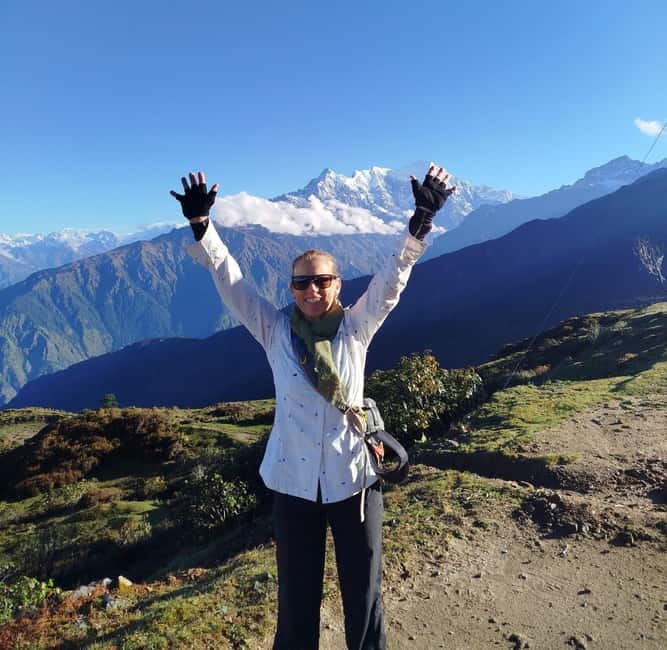
- A short trek with real altitude: you top out at 4380m, so this is not a casual stroll
- Langtang National Park trails: rhododendron, pine, and bamboo forests on the way in and out
- Round-trip to Gosaikunda from Laurebina: one intense day to reach the main highlight and explore nearby kunda lakes
- Small-group feel (up to 14 people): easier logistics and more guide attention than big buses of hikers
- Included gear loans matter: a down jacket, sleeping bag, and trekking poles can save you from buying cold-weather equipment
- Guest house comfort with full-board meals: your energy stays up when the trail gets steep
Why Gosaikunda in Five Days Works From Kathmandu
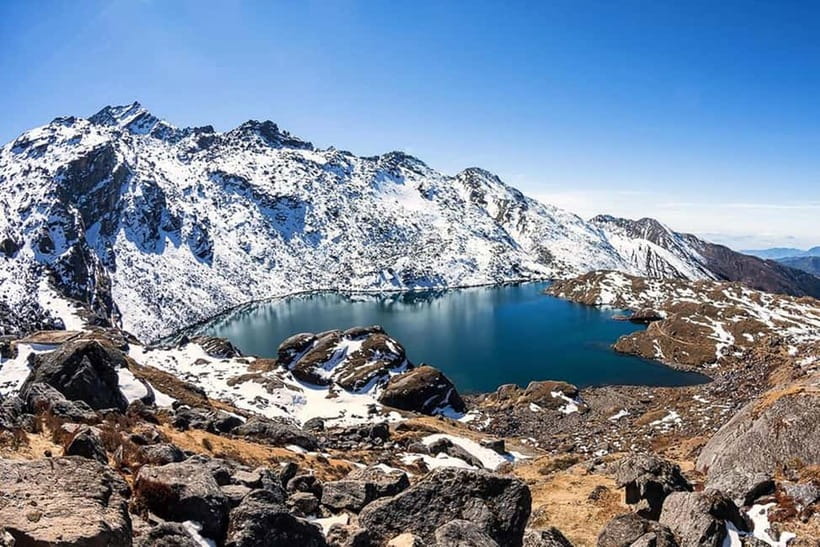
This is a short trek, but it doesn’t feel like a rushed box-check. The route is built around a clear “there and back” structure: you drive in, climb toward Deurali and Laurebina, hit the lakes around Gosaikunda at peak altitude, then descend back to Dhunche and return to Kathmandu.
The real value is timing. You’re not committing to a multi-week trek to experience high Himalayan scenery and the special pull of a sacred lake system. You also still get the bonus of crossing through parts of Langtang National Park, so the hike feels more than just one destination.
The other factor is support. You’re not hiking alone. You’ll have a guide, permits handled, and meals planned, which makes a huge difference when you’re trying to focus on your steps instead of logistics.
You can also read our reviews of more tours and experiences in Kathmandu.
Kathmandu to Dhunche: The 5–6 Hour Drive and Your First Climb to Deurali
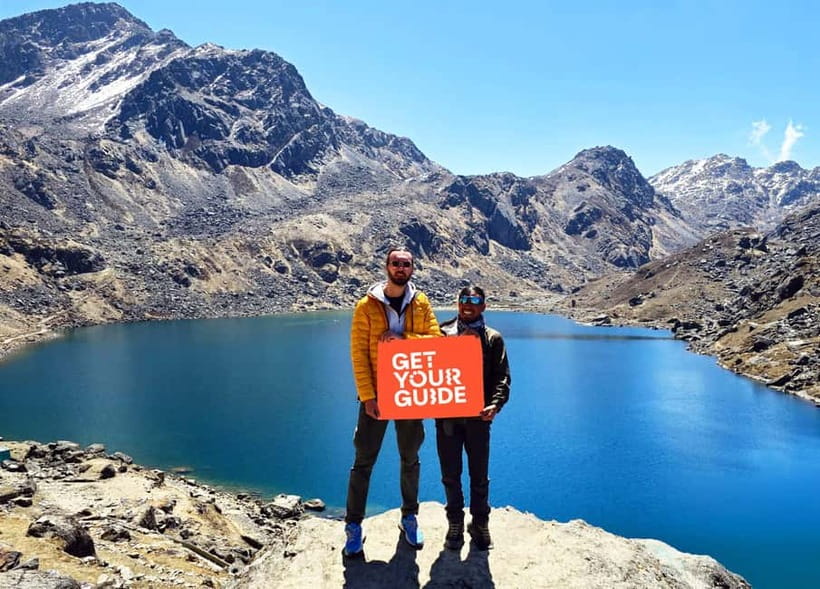
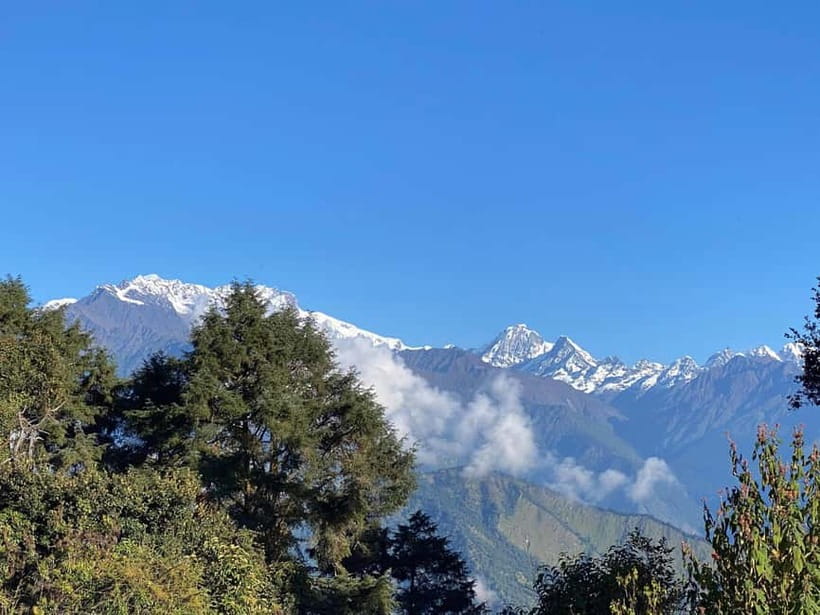
Your trip starts with pickup in Kathmandu, then a drive out toward Dhunche, the trail’s starting town. Expect about 5–6 hours in the vehicle, depending on conditions. The drive itself is part of the experience: you get mountain views along the way, with sights like Manaslu, Ganesh, and Langtang on clearer stretches.
After a short break in Dhunche, the hike begins with a brisk walk toward Deurali (2790m). It’s a 2-hour uphill start, and it’s exactly what you need after the long drive. It helps you get your body warmed up before the steeper days.
That first night at Deurali is also strategic. You’re not going from Kathmandu to peak altitude in one jump. You’re stepping in gradually, which makes the days that follow feel more manageable.
If you’re the type who gets stiff after sitting, Day 1 is where you’ll feel glad the program includes an actual walk right away.
Day 2 Toward Laurebina: Chandanbari’s Steep Ascent at 3910m
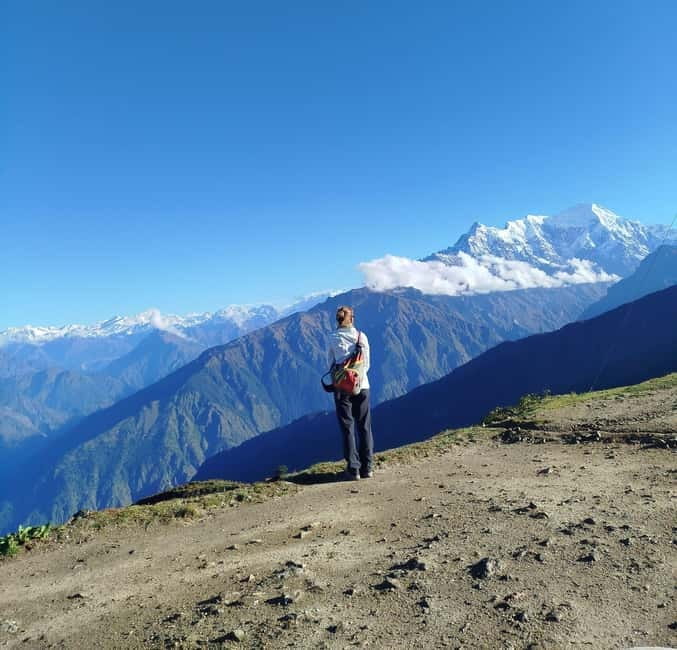
Day 2 is where the trek starts asking for real effort. After breakfast and a brief from your guide, you hike toward Laurebina (3910m) via Chandanbari. This is described as a steep path, and that matters: you can’t treat Day 2 like a leisurely “warm-up day.”
What I like about this setup is that it forces a rhythm early. With a guide, you’re more likely to pace properly and not sprint to fix your time. You also learn the practical mountain habit that keeps you safer at altitude: steady movement, small breathing breaks, and focus on footing.
You’ll stop for the night at a guest house in Laurebina. That location is key because it positions you for Day 3’s main event. Without this overnight high point, reaching Gosaikunda at 4380m would feel much more like a single hard push from much lower ground.
Day 3 to Gosaikunda: Sacred Lake at 4380m and the Kunda Cluster
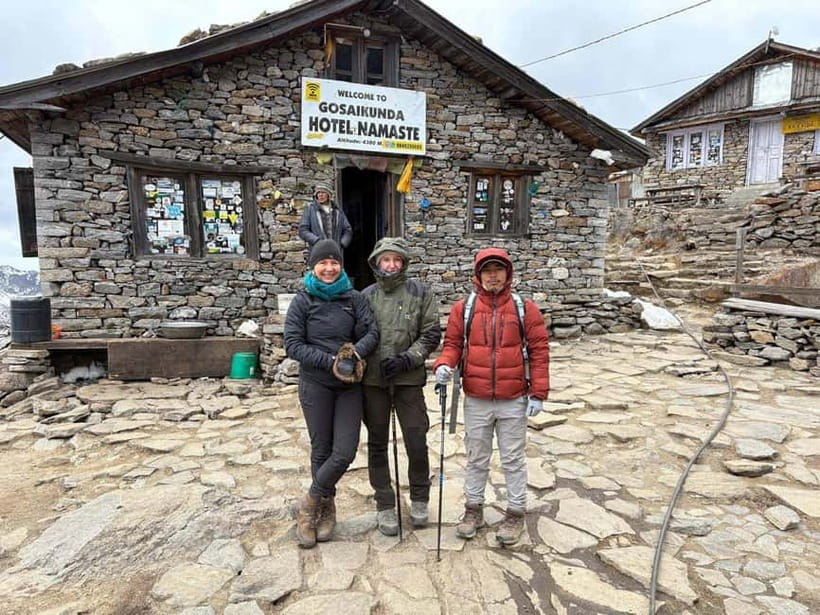
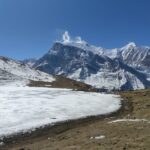
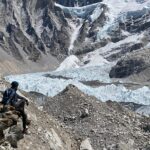
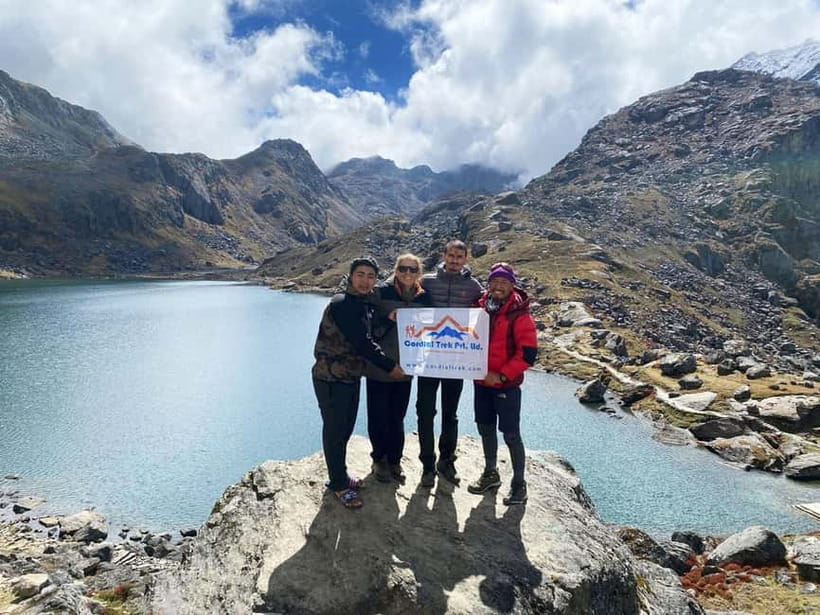
Day 3 is the center of the whole trip. After breakfast and your guide’s plan for the day, you hike toward Gosaikunda, sitting at 4380m in Langtang National Park. This lake is described as a glacial-fed, alpine freshwater lake, and the details add meaning to what you’re seeing: during winter it remains frozen, then melts to feed the Trishuli river.
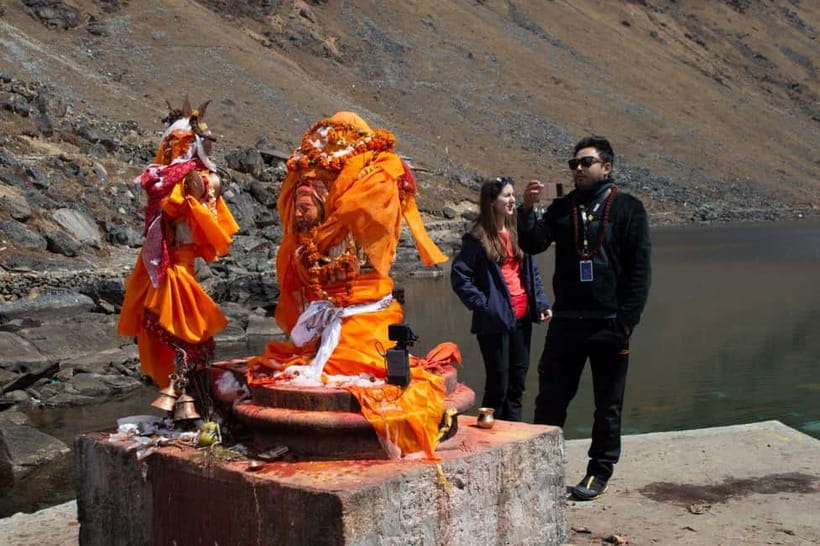
You’ll also explore other nearby lakes in the region, including Bhairav Kunda, Chandra Kunda, and Saraswati Kunda. That part is worth paying attention to because it turns one landmark into a whole mini-system of scenery and sacred geography. You’re not only going up to take photos; you’re walking through a cluster of lakes, each with its own feel.
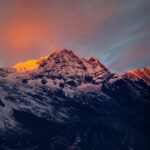
And yes, there’s the mountain view. This is where you’re looking for the sweeping Langtang range and central Himalayan vistas. Clear skies make a massive difference here, and the trek is best when conditions are mostly cooperative. Even if clouds roll in, the high-altitude setting still tends to feel dramatic and quiet.
After exploring, you hike back to Laurebina for the night. That “go high, then return to sleep” pattern is practical. It lets you experience peak altitude while still having a base for evening rest, rather than trying to descend immediately all the way to Dhunche.
One consideration: Day 3’s altitude can make you feel more winded than you expect. If you notice that, slow down early. Your guide is there to help you manage the pace.
Day 4 Down to Dhunche: Rhododendrons, Pine, Bamboo, and a Breather
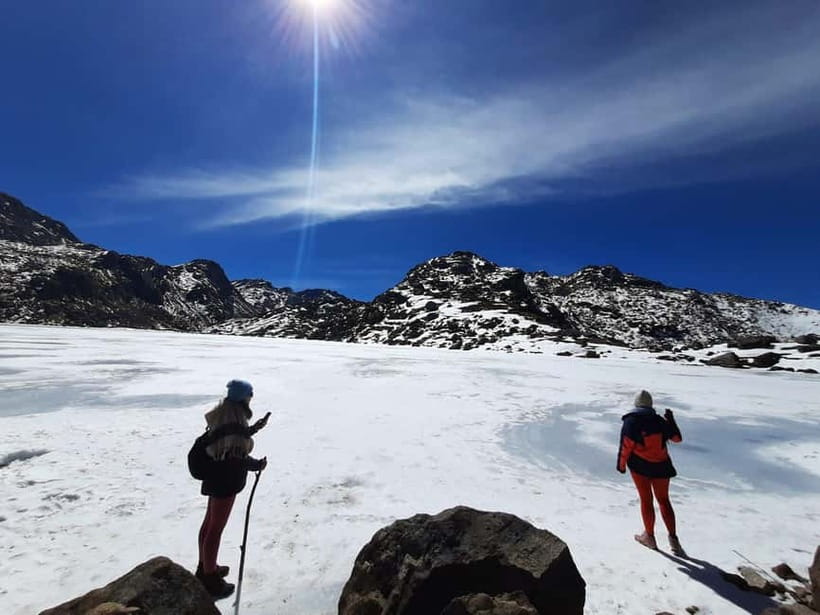
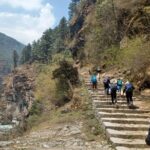
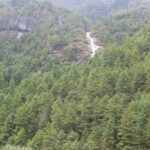
Day 4 shifts the mood from high-alpine effort to a gradual descent. The trail leads through rhododendron, pine, and bamboo forests, which is a welcome change after the big open sky feel of Day 3.
You’ll hike back down toward Deurali, then continue past another dense forest and cross a river to reach Dhunche for your final night on the trail.
This is one of those days where your legs might feel better than Day 3, but your knees can feel it too. Descents use different muscles. The good news is that the trekking poles included or loaned for the trip can help a lot here, especially on uneven trail and river crossings.
The forest walking also helps you mentally reset. It’s easier to enjoy the trail when you’re not constantly battling the altitude.
Day 5 Return to Kathmandu: Scenic Drive Back to Lower Elevation
On the last day, you start with breakfast and then take a scenic drive back to Kathmandu. You’ll drop from the Dhunche area down to Kathmandu (around 1350m) and the trip ends with transfer to your hotel.
It’s a simple finish, and that’s a good thing. By Day 5, you’re more interested in a comfortable ride and a shower than another big climb. The value is in getting you back safely without requiring extra hiking.
Permits, Guide, and Loaned Gear: The Stuff That Makes a Trek Easier
This trek includes the big “paperwork and prep” items that trip up independent plans: necessary trek permits and a TIMS card. It also includes first aid support, plus water purification tablets as required. Those details aren’t glamorous, but they reduce worry.
The guide experience is another major part of the comfort. In the feedback for this trek, the guides are consistently described as engaging and practical, with attention to safety and region knowledge. Names that came up include Ohm, Terence, and Raj. Different guides, same theme: keeping people motivated during tough sections and making sure you know what to expect.
The gear loans are practical, not just a nice extra. You can borrow a down jacket, sleeping bag, and trekking poles. At higher elevations, cold can sneak up fast, even when the sun is out. Having the right warmth setup without buying your own kit is a real cost-saver.
Also, this is set up as a small group capped at 14. That matters because smaller groups usually move with fewer bottlenecks and give you more time for questions.
Comfort and Meals: Guest Houses, Full Board, and Real Trek Fuel
The package includes 4-night accommodation at Mountain Guest House plus full-board meals for the inclusive option: 4 breakfasts, 5 lunches, and 4 dinners.
This matters more than it sounds. When you’re hiking at altitude, food becomes your plan for the next climb. Lunches on trekking days help you avoid the late-afternoon slump that can make the last uphill feel longer.
Accommodation is guest-house style. The guidance and support are what keep it comfortable, and in the experience described, private rooms were available through the trek. If you’re someone who cares about sleep quality, you’ll likely appreciate having your own space at night.
One more small but helpful detail: the trip includes a company T-shirt, and there’s also a duffel bag option tied to the porter add-on. If you’re trying to keep your load light, ask about the porter add-on early.
Price and Value: Is $179 a Good Deal for This Route?
At $179 per person, the price is reasonable for a guided, permit-included, full-board trek with vehicle transport from Kathmandu and equipment loans.
Here’s what you’re paying for in plain terms:
- pickup and drop between Kathmandu and Dhunche
- an experienced licensed guide
- guest-house nights
- meals in the inclusive option
- permits (TIMS plus trekking permits)
- borrowed cold-weather and trekking gear
- basic first aid support and water purification tablets
What’s not included is also clear: personal expenses, travel insurance, and meals if you choose a budget option. Porter service is an add-on.
If you’re someone who hates hidden costs, this package is structured to keep the “must pay” items handled. Travel insurance is listed as recommended, and I agree with that. Trekking at 4380m means you want coverage that actually matches the activity.
Who This Trek Fits Best (and Who Should Skip It)
This trek suits people who want a short but serious hiking experience. You’ll get mountain views, wildlife and forest walking in Langtang National Park, and the big spiritual highlight of Gosaikunda and the surrounding lakes.
It’s not suitable for:
- children under 10
- people with mobility impairments
- people over 309 lbs / 140 kg
You should also be honest with yourself about fitness. Day 2’s steep climb and Day 3’s altitude push to 4380m are the tough parts. Even with a guide and pacing, you still need to show up ready to walk uphill.
Quick Practical Tips for a Smoother Trek
You’ll need a passport, a camera, and cash. Passport details are used to process trekking permits, so share a copy and a recent passport-sized photo at least one day ahead so permits come through smoothly.
Also note the trip rules: no alcohol or drugs, no baby carriages, and no bare feet. If you’re the type to walk barefoot around guest houses or for photo moments, bring footwear.
Finally, think about timing. This trek runs year-round, but it’s best when the skies are mostly clear for stronger views.
Should You Book the 5-Day Gosaikunda Trek?
If you want a guided high-altitude trek that starts from Kathmandu, hits Langtang National Park, and delivers the sacred-lake payoff at 4380m in just five days, I’d say this is a smart choice. The value looks strongest when you take the inclusive meal option and use the loaned gear instead of trying to DIY cold-weather trekking.
I’d reconsider if you have difficulty with steep uphill sections, get hit hard by altitude, or need mobility-friendly access. It’s also worth being realistic about weather. Cloud cover can reduce the “wow” factor of the Himalayan views, though the hike still has meaning and natural beauty.
If you’re on the fence, picture your goal: short trek, strong destination, guided support, and a realistic chance to enjoy the lakes without planning headaches. For that goal, booking makes sense.
FAQ
How long is the Kathmandu to Gosaikunda trek?
It’s a 5-day guided trek.
What is the highest altitude you reach?
The maximum altitude is 4380m at Gosaikunda Lake.
Is the trek inside Langtang National Park?
Yes, it includes walking in Langtang National Park as you head to Gosaikunda.
What transportation is included?
You’ll travel by bus: Kathmandu to Dhunche and back to Kathmandu.
Are guides included, and what languages do they speak?
Yes. The trip includes a live tour guide, and languages listed are English, Hindi, and Icelandic.
What meals are included?
The fully inclusive option includes 4 breakfasts, 5 lunches, and 4 dinners. A budget option may exclude some meals.
Do I need trekking permits?
Yes. The trip includes the necessary trek permits and TIMS card.
What equipment is provided or loaned to me?
You can borrow a down jacket, sleeping bag, and trekking poles.
What are the rules on alcohol and drugs?
Alcohol and drugs are not allowed during the trek.