REVIEW · KAMPALA
3-Day Gorillas trekking and Batwa Experience
Book on Viator →Operated by Ngoni Safaris Uganda · Bookable on Viator
Gorillas in Bwindi turn a drive into a story. This 3-day private trip from Kampala bundles the big logistics so you can focus on the gorilla trekking day and the human moments around it, not the paperwork. I also like that you’re not left guessing: you get pickup and private transportation all the way through, even though you’ll still spend long hours on the road.
One thing to consider: the schedule is packed and the travel days are long. Day 1 is a serious start from Kampala, and even with smart timing, you should expect a day that feels more like “get there” than “relax.”
You’ll likely appreciate the way the tour handles the full safari rhythm. All meals are included, plus accommodation in camps and lodges, so you can spend your energy where it counts: waking early, trekking, and then soaking up the evening near Queen Elizabeth.
In This Review
- Key things I’d circle before you book
- Leaving Kampala for Bwindi: the long drive that sets the tone
- Bwindi morning: what your gorilla trekking day really involves
- Bwindi beyond gorillas: wildlife, pace, and what to expect on foot
- Village walk and the Batwa experience: human stories alongside the forest
- Night near Queen Elizabeth: turning the second day into a new backdrop
- Day 3 return to Kampala: the soft landing after the big moment
- Price and value: $1,600 per person in context
- Guides, guides, guides: why the ranger team and driver matter
- Booking considerations: weather, flexibility, and question time
- Who this tour fits best (and who should look elsewhere)
- Should you book this 3-Day Gorillas trekking and Batwa experience?
- FAQ
- What is the duration of the 3-day gorillas trekking and Batwa experience?
- Where does the tour take place?
- How much does the tour cost?
- Is transportation included?
- Are meals and accommodation included?
- Is the tour private?
- What’s included for the gorilla trekking admission?
- Does the tour include a village or Batwa experience?
- What happens if weather is poor?
- Can I cancel for free?
Key things I’d circle before you book
- Private transportation throughout means fewer transfers and less waiting around.
- All meals and lodging included makes the per-person price easier to justify.
- Early starts help you get the most out of a short 3-day window.
- Bwindi is alive beyond gorillas, with birds, butterflies, and other forest mammals along the way.
- Village walk with locals adds culture to the gorilla core of the trip.
- Experienced support from the ranger team matters in a place where gorillas can surprise you.
Leaving Kampala for Bwindi: the long drive that sets the tone
This tour is built around one big idea: getting you into the Bwindi Impenetrable National Park experience without forcing you to manage the messy parts yourself. You start in the Kampala/Entebbe area (the program lists Entebbe Airport as the start point), then head out early for the mountain-gorilla country.
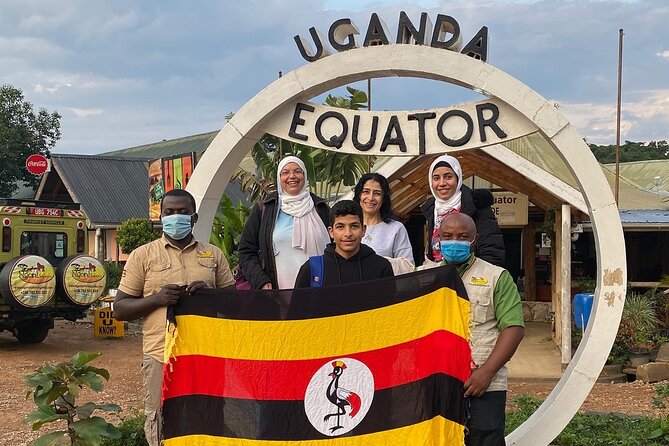
Day 1 is mostly road time, and it’s not a short hop. You’ll be in the car for around 10 hours, with a planned stop for photos at the equator. That quick photo break is more than a gimmick—it’s the first little “you’re really going somewhere” marker before the forest drive takes over.
Lunch is scheduled in Masaka or Mbarara depending on timing, so the day has flexibility built in. The goal is simple: arrive at Bwindi ready for a possible walk and a chance to mix with locals if you reach early.
That optional early walk is worth paying attention to. Even if you don’t get the full village time on Day 1, arriving with a little daylight for a short human-scale moment can make the next day feel less abrupt. The gorilla trek day is intense; easing into the setting helps you stay calm and present.
A practical takeaway: if you’re the type who gets restless in a vehicle, this itinerary may feel like a lot at first. On the bright side, private transport usually means you can keep your day more controlled—no rushed joining groups, no scrambling to coordinate rides.
You can also read our reviews of more tours and experiences in Kampala.
Bwindi morning: what your gorilla trekking day really involves
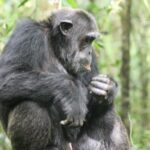
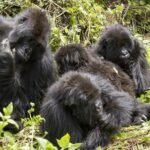
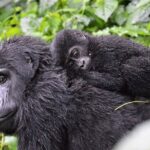
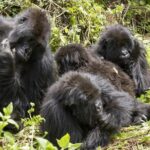
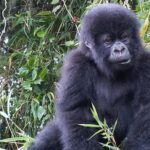
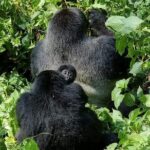
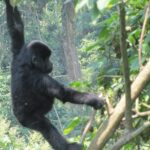
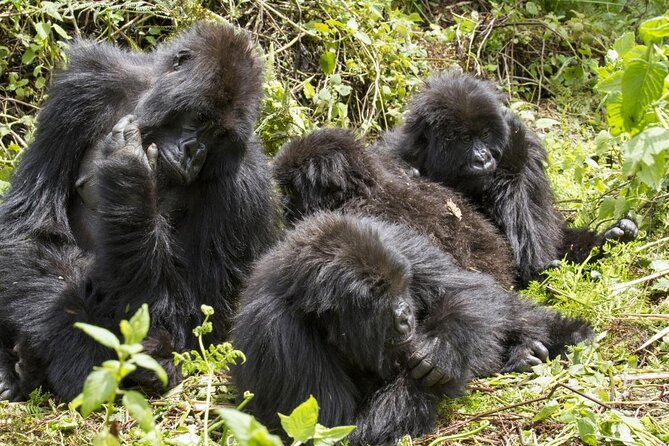
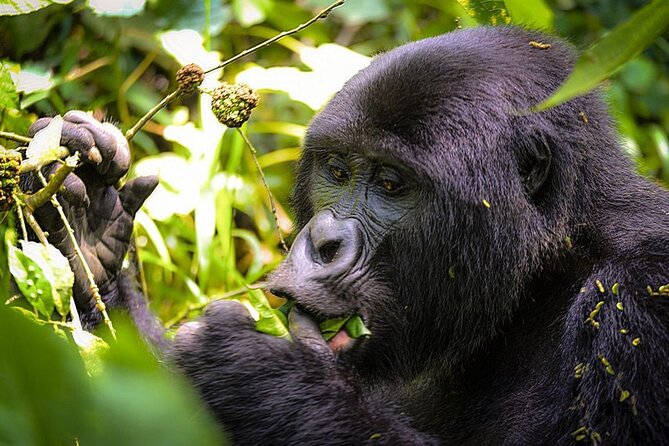
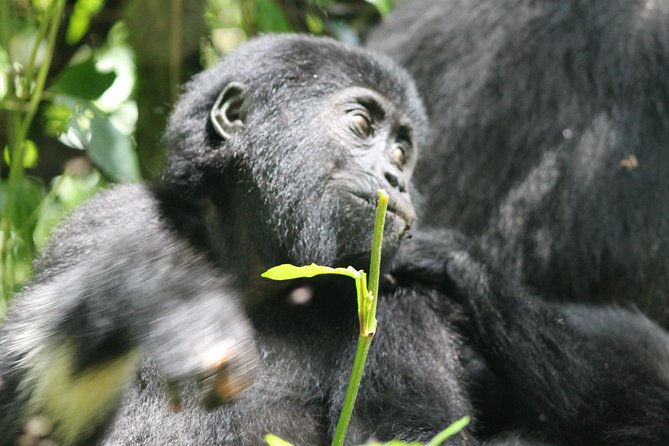
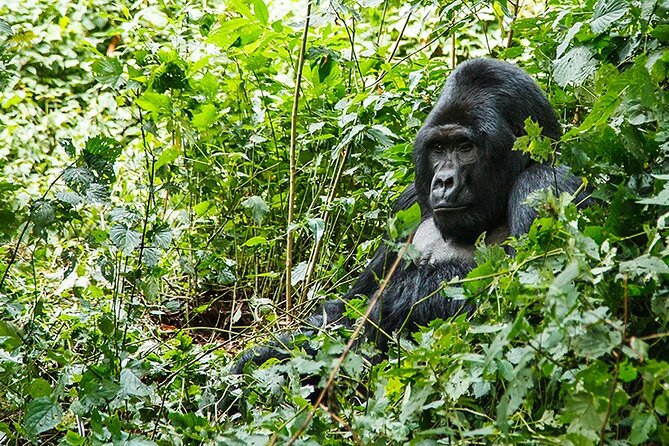
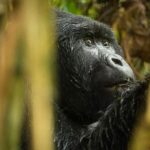
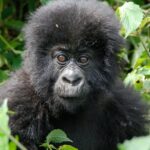
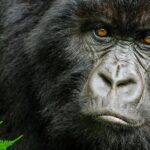
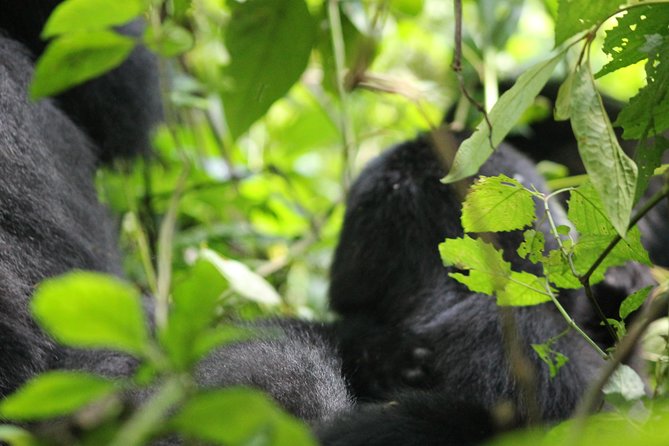
Day 2 is the heart of the trip. You start with an early breakfast, then head into Bwindi Impenetrable Forest for your gorilla trekking adventure. This is where the tour earns its 5-star reputation—the main experience is straightforward: follow the guide and ranger team, search in the forest, and then spend your time observing gorillas up close enough to understand they’re not just animals on a page.
What I find smart here is that the experience is framed as observation and learning, not just chasing a sighting. Your guide shares information about gorillas and their behavior, which makes a first encounter far more satisfying. You’re not just looking; you’re trying to read what you’re seeing.
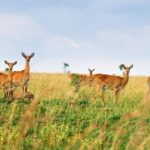
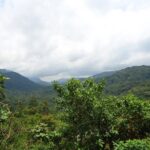
The forest itself is part of the deal. Bwindi is described as full of birds, butterflies, and multiple plant species, plus other mammals you might spot such as forest hog, forest elephant, statungas, and dikers. Even if you only catch a couple of those, the point is that the trek day isn’t a one-note show. The forest has motion and sound beyond the gorillas.
There’s also a safety and support angle you should respect. One account from a previous group noted that a gorilla charged, and the ranger held her ground while the animal backed off. That story is a reminder that gorillas are wild and unpredictable, and that ranger presence is not just ceremonial—it’s essential. When the system is working, you stay focused on what your team asks you to do.
Timing matters too. The program says that after trekking, the guide picks you up and (depending on when you finish) you start heading back toward the Kampala side. That means Day 2 doubles as both the gorilla climax and a travel pivot so the third day isn’t an even longer slog.
Bwindi beyond gorillas: wildlife, pace, and what to expect on foot
If you’ve never trekked in a dense rainforest, it helps to know what you’re stepping into: slow movement, frequent stops, and attention to your footing and the group around you. The tour description doesn’t promise comfort, but it does promise structure—your guide leads, and the ranger team supports the gorilla search and safety.
The wildlife list matters because it hints at variety in what you’ll notice. Birds and butterflies can keep your eyes busy even during slower moments. Forest mammals like statungas and dikers are less likely than birds, but knowing they’re part of the setting changes how you experience the trek. You’re less likely to judge a quiet stretch as wasted time.
I also like the way the itinerary connects the forest experience with learning. A good guide doesn’t just say gorillas are cousins to humans; they help you connect behavior to context. That’s how a brief encounter turns into something you remember for years.
Village walk and the Batwa experience: human stories alongside the forest
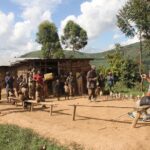
One of the best-value parts of this tour is that it doesn’t stop at gorillas. The itinerary includes a walk through villages with locals, and the trip title specifically calls out a Batwa experience. You should think of this as a chance to see how local communities live in relation to the forest, not as an add-on photo stop.
Why that matters: gorilla trekking can make you feel like you’re stepping into a protected bubble. A village walk gives you a broader view of the region—the people, daily rhythms, and the cultural connection that exists alongside conservation.
On Day 1, the schedule even hints that if you arrive early, you might do a walk and mix with locals. On Day 2, after trekking, the focus shifts toward travel toward the edge of Queen Elizabeth. That makes the village segment a key “balance” element: it breaks up the intense forest day with something more conversational and grounded.
If you care about authentic exchange, go in with a respectful pace. Ask questions your guide can help translate or explain. Even small moments—observing how people move through their environment—can make the entire trip feel more meaningful than a wildlife checklist.
Night near Queen Elizabeth: turning the second day into a new backdrop
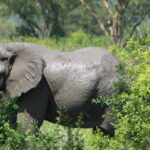
The program sets an interesting target for your overnight on Day 2: the edge of Queen Elizabeth National Park, with a chance of spotting elephants from the lodge. That’s a smart move for two reasons.
First, it gives you a second big-nature payoff without adding an extra travel day. You finish your gorilla trekking day, then you transition to another ecosystem. Second, it adds variety to your memory bank. Bwindi is about thick forest; Queen Elizabeth’s surroundings can feel different even when you only get a partial taste from your lodge area.
Is it guaranteed you’ll see elephants? No—“chance” is the language used in the itinerary. But the fact that it’s built into the plan is a plus. You’re not just sleeping somewhere convenient; you’re sleeping somewhere that could connect you to more wildlife the moment the day softens.
In a 3-day itinerary, that kind of “maybe, but planned” wildlife opportunity is often what separates a memorable trip from a merely functional one.
Day 3 return to Kampala: the soft landing after the big moment
Day 3 starts with breakfast, then you head back toward Kampala. You’ll have lunch along the way, and you should expect to arrive in the late afternoon/evening after your gorilla days.
The way this is scheduled matters. Many short gorilla safaris either cram the return too tightly or leave you with an exhausted drive the day you’re still processing what you saw. Here, the itinerary uses the third day as a controlled finish. You’re not trekking again; you’re transitioning from “big hike day” mode to “return home” mode.
Also, note the itinerary wording that references meeting the Gorillas of Uganda around your late-day arrival. Even if you interpret that as your gorilla experience carrying through into your return-day reflections, the practical takeaway is the same: Day 3 is your wrap-up, not a second peak activity.
For most people, that’s exactly what you want. You’ll arrive back with stories ready, but without needing to power through additional hours of physical effort.
Price and value: $1,600 per person in context
At $1,600 per person, this is not a budget safari. The real question is what you’re getting for that money, and the tour’s structure makes the pricing easier to swallow.
Here’s the value math that matters for you:
- Meals are included (so you’re not spending extra in places where you might have limited choices).
- Accommodation is included in camps and lodges (two nights are usually a core cost driver on safari).
- Private transportation throughout means you’re paying for time savings and reduced stress.
- A planned private safari flow means someone else handles logistics so you can focus on the gorilla and community moments.
Also, the tour is listed as being booked about 89 days in advance on average. That suggests people often plan this one early, which is common for gorilla trekking travel because everything from vehicle timing to permits and lodging availability can get tight.
Where the value can slip for some people is expectations. If you want a laid-back trip with minimal driving, you may find the travel days heavy. The itinerary explicitly includes long road time on Day 1. Still, if you accept that Uganda gorilla trips are long-distance projects, this package is built to remove many hassles.
So I’d frame the price like this: you’re paying for a supported, private, short-window gorilla plan, with meals and lodging baked in. If that’s what you want, it’s easier to see the deal.
Guides, guides, guides: why the ranger team and driver matter
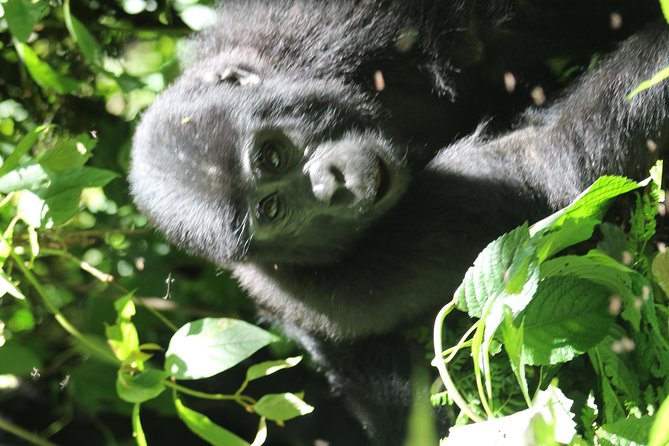
Gorilla trekking lives or dies on calm, experienced coordination. You’re moving through dense forest, and you’re sharing space with wildlife that isn’t trained to “behave like a tourist attraction.”
One specific example from a past group highlighted Charles as a pleasant guide/driver who handled drives smoothly and stayed responsive to minor requests. Even if your guide is different, the point stands: a good driver makes the long travel days more tolerable, and a good guide keeps the experience organized and understandable.
Then there’s the ranger angle. In the same account, when a gorilla charged, the ranger held ground and the animal backed off. That single moment tells you that the ranger team’s role is real and active. You’re not relying on luck; you’re relying on procedures.
In short, don’t treat the guide as a background role. Treat them as part of what you’re paying for.
Booking considerations: weather, flexibility, and question time
Gorilla trekking is weather-dependent in real terms. The tour information says it requires good weather, and if the experience is canceled due to poor weather, you’ll be offered a different date or a full refund.
That means your best move is to keep your schedule flexible where possible. If you’re locked into a rigid work calendar, build in buffer days. In the tropics, conditions can change quickly.
One more small but important consideration comes from a review detail: one group felt the office needed to be more responsive for questions. I wouldn’t panic, but I would act like this is a high-stakes trip. Ask your questions early, get clarity in writing when you can, and don’t wait until the last day.
Who this tour fits best (and who should look elsewhere)
This 3-day private tour makes the most sense if you:
- Want gorilla trekking in Bwindi with minimal planning on your side.
- Prefer private transportation and a clean itinerary over public logistics.
- Like the idea of pairing wildlife with village time and the promised Batwa experience.
- Are okay with long driving days in exchange for a tight 3-day window.
You might want to rethink it if you:
- Want a mostly relaxing itinerary with minimal time in a vehicle.
- Don’t handle early mornings well, since the plan is built around early starts and breakfast before the trek.
Should you book this 3-Day Gorillas trekking and Batwa experience?
I think you should book if you want a guided, private, full-service gorilla trip that fits into a short timeframe and still gives you a human side of Uganda, not just forest wildlife.
The combination that stands out is practical: meals + lodging included, private transport throughout, and the way Day 2 is handled as both a trekking adventure and a transition toward Queen Elizabeth’s area. Add the village walk and Batwa promise, and you get more than one kind of memory.
Just go in knowing two things: you’ll likely spend serious time on the road, and your comfort level will depend on the quality of communication leading up to the trip. If you’re ready for that trade-off, this tour is built to deliver.
FAQ
What is the duration of the 3-day gorillas trekking and Batwa experience?
The tour is listed as 3 days (approx.).
Where does the tour take place?
It focuses on Bwindi Impenetrable National Park and includes time that routes you back toward Kampala, with an overnight planned at the edge of Queen Elizabeth National Park.
How much does the tour cost?
The price is $1,600.00 per person.
Is transportation included?
Yes. Private transportation is provided throughout the tour, and pickup is offered.
Are meals and accommodation included?
Yes. All meals are included, and accommodation in camps and lodges is included.
Is the tour private?
Yes. It’s described as a private tour/activity, with only your group participating.
What’s included for the gorilla trekking admission?
The Day 2 gorilla trekking day lists admission ticket included.
Does the tour include a village or Batwa experience?
Yes. The highlights include a walk through villages with the locals, and the tour is titled as including the Batwa experience.
What happens if weather is poor?
The experience requires good weather. If it’s canceled due to poor weather, you’ll be offered a different date or a full refund.
Can I cancel for free?
Yes. Free cancellation is available if you cancel up to 24 hours in advance for a full refund.