REVIEW · KAMPALA
3 -Day Private Gorilla Trekking Safari in Bwindi Forest
Book on Viator →Operated by Lifetime Experience Safaris - Private Day Tours · Bookable on Viator
Gorillas in the mist are real magic. This 3-Day Private Gorilla Trekking Safari sends you from Kampala or Entebbe into Bwindi Impenetrable Forest, a UNESCO site, then builds in real downtime at Lake Bunyonyi after your trek. I like that it’s private transportation with an English-speaking driver/guide, so the trip feels organized instead of rushed. I also like the practical safari touches, like bottled water in the vehicle and included water for the gorilla trek. One thing to consider: the schedule is time-and-energy heavy on Day 2, with a 3–5 hour hike plus forest conditions—moderate fitness helps.
This is also a safari built around how Bwindi actually works. You’ll meet park rangers for orientation, get assigned the gorilla family based on your age, fitness, and preferences, and trek with pre-trackers who have already located the group. And the follow-up is not just a scenic break—it’s a chance to slow down on a lake that still feels local, not like a theme park.
In This Review
- Key Points Before You Go
- Why Bwindi Gorilla Trekking Feels Different on a Private 3-Day Plan
- Day 1: Kampala to Ruhija and Bakiga Lodge Check-In
- Day 2: Gorilla Tracking Day in Bwindi (Rangers, Rules, and the Real Trek)
- What you’ll need to bring (and why)
- How long the trek lasts
- Day 2 trek elevation note
- After the Gorilla: Lake Bunyonyi for Peace and Bird Life
- Day 3: 8 Hours Back to Entebbe plus the Green Equator Stop
- Price and Value: What $1,698 Buys You Here
- Lodging, Food, and the Comfort Level You Can Expect
- Who This Bwindi Private Gorilla Safari Fits Best
- A Note on the People: Jesse-Thomas, Roland, and the Calm Organization
- Should You Book This 3-Day Private Gorilla Trek Safari?
- FAQ
- What time does the safari start?
- Where does the safari begin?
- How long is the safari?
- Is this a private tour?
- What is included in the price?
- Are meals included even if they are served outside the lodge?
- Is bottled water provided?
- What do I need to bring for the gorilla trek?
- What if I’m sick on the gorilla trek day?
- Are there restrictions during peak season?
Key Points Before You Go
- Private safari flow with pickup offered from Kampala/Entebbe (and some departures can work with Kigali airport)
- Ranger-led gorilla orientation and family assignment based on your needs and trekking level
- Forest-appropriate gear guidance like long sleeves, long trousers, non-perfumed repellent, and sturdy gardening gloves
- Bottled water included both for the drive and during your gorilla tracking time
- Lake Bunyonyi reset with glassy, calm water and local boat life
- A long but manageable Day 3 drive back to Entebbe with a memorable Green Equator stop
Why Bwindi Gorilla Trekking Feels Different on a Private 3-Day Plan
Bwindi is not a quick stop. It’s a rainforest where your day is shaped by the forest, the gorilla family’s location, and the timing of park operations. That’s why I like doing this as a 3-day safari rather than squeezing it into something shorter—it gives you time to settle in, trek with focus, and still enjoy the journey.
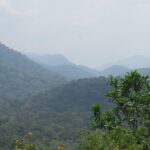
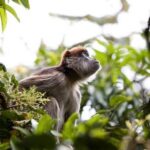
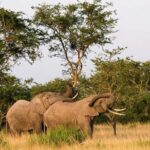
You’re trekking Northern areas of Bwindi Impenetrable Forest, with your first base in the Ruhija area at Bakiga Lodge. The drive in is part of the experience, too. As you get closer, the hills and terraced mountain scenery can feel like the rolling “Switzerland of Africa” look people talk about.
The private setup matters here. Your driver/guide keeps things moving, and you’re not playing logistics Tetris with a bus full of strangers. On a gorilla day, that calm is underrated.
You can also read our reviews of more tours and experiences in Kampala.
Day 1: Kampala to Ruhija and Bakiga Lodge Check-In

Day 1 starts early—plan for a 6:00 am start time. You’ll depart Kampala early for Bwindi Impenetrable Forest, and bottled water is provided in the vehicle so you’re not scrambling as the road gets busy.
The route is scenic, especially as Bwindi comes into view. Lunch is taken on the road in Mbarara, which is a practical break that helps the drive feel human instead of exhausting. By late afternoon, you arrive in the Ruhija area, check into Bakiga Lodge, and get the evening to rest up.
Bakiga Lodge is described as small and community-owned and managed, which usually means you get a more personal feel for the area. It also helps that the menu is called out as better quality, so your meals aren’t an afterthought after a long drive.
What to watch for on Day 1: you’re arriving late afternoon, so don’t plan big activities after check-in. Use the time to hydrate, lay out your trekking clothes, and sleep.
Day 2: Gorilla Tracking Day in Bwindi (Rangers, Rules, and the Real Trek)

This is the day with the big headline: mountain gorilla tracking inside Bwindi Impenetrable National Park. The morning starts with an early breakfast, then you head to the Bwindi National Park offices in the Ruhija area for orientation and ranger-led briefing.
Here’s how the tracking setup works in practice. You’ll meet Uganda Wildlife Rangers, go through orientation, and then be separated into groups. Your gorilla family is assigned based on age, fitness level, and the preferences you share.
A key rule: if you have a cold, cough, flu, or other infectious ailments, you won’t be allowed to trek. It’s not just policy—it’s about protecting both gorillas and people, so plan around that. If you’re even slightly sick, consider adjusting timing rather than risking a cancellation on the spot.
What you’ll need to bring (and why)
Bwindi is thick, slippery, and full of tiny hazards. The guidance you’ll receive is very “forest-sensible,” not city-based.
You’ll want:
- A daypack
- Hiking boots
- Long trousers and a long-sleeved shirt (for protection)
- Non-perfumed insect repellent
- Sturdy gardening gloves for thorns and nettles
The packed lunch on this day is included, and it’s specifically noted as coming as a packed lunch from Haven Lodge. You’re also given two liters of bottled water.
How long the trek lasts
Expect the trek to take 3 to 5 hours. Pre-trackers go out earlier to locate the gorilla family, so the group doesn’t just wander randomly.
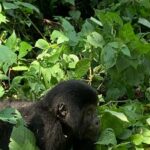
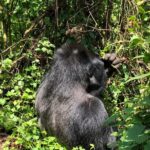
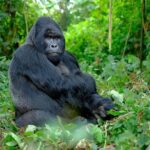
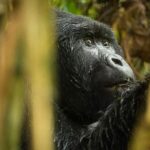
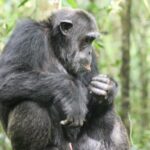
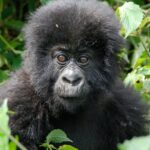
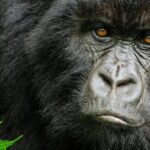
You’ll feel the difference between “walking in a forest” and “tracking a family.” The pace shifts, stops happen quickly, and you’re constantly scanning the ground, trees, and slopes. When you finally find the gorillas, it’s not a quick look-and-go photo moment—it’s an experience you remember because it feels genuinely wild.
The tour emphasizes an important conservation point: mountain gorillas can only be seen in the wild, and they don’t survive in captivity. Whether you’ve heard it before or not, it lands differently once you’re standing there watching them move through their own habitat.
Day 2 trek elevation note
The plan notes that tracking in the Buhoma area is lower elevation, so you generally avoid altitude problems. Even if your exact route varies day to day, it’s good to know the itinerary is designed to keep you comfortable enough to hike.
What to watch for on Day 2: the trek length is a range, not a guarantee. Rain, ground conditions, and gorilla location can change the time. Your best strategy is to dress for real hiking and pace yourself early.
After the Gorilla: Lake Bunyonyi for Peace and Bird Life

After the trek, you shift gears to Lake Bunyonyi, and that part of the safari is a real reward. The lake’s surface is described as smooth and reflective, with little to no wave action because surrounding terraced hills shield it from high winds.
This is one of those stops that works even if you’re not a bird person. Over 200 bird species are identified here, so you’ll likely spot activity around the shoreline and maybe even from the water. And because the towns along the lake—like Kyevu and Muko—still run local life, it doesn’t feel like a sealed-off tourist set.
The tour notes that boats regularly carry villagers across the lake, which gives the place a lived-in feel. You’re not just looking at scenery; you’re seeing how people actually use the lake.
Plan for about 2 hours 30 minutes here. Use the time to slow down, refuel, and let the gorilla experience settle into your head before you start the long drive back.
Day 3: 8 Hours Back to Entebbe plus the Green Equator Stop
Day 3 begins after breakfast with the drive back toward Entebbe. This is an about 8-hour journey, and it’s broken by lunch halfway to Entebbe/Kampala so you’re not stuck starving in the car.
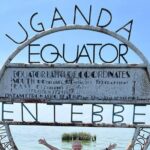
You also get a “stretch-and-photo” stop at the Green Equator Masaka Road area. There’s a must-see tradition there: you can take the classic equator picture. You can also grab lunch, a snack, a drink, and souvenirs at the stop.
You arrive in Entebbe late afternoon. The tour notes that a hotel can be arranged, and many travelers prefer a day room to freshen up before dinner and a flight. This is a practical choice because it helps you arrive less worn out, especially if your flight isn’t leaving until later.
What to watch for on Day 3: it’s long, so treat it like travel time, not sightseeing time. If you tend to get restless in vehicles, bring something simple—water, snacks, and something to pass the time quietly.
Price and Value: What $1,698 Buys You Here

At $1,698 per person, you’re paying for more than just “access to gorillas.” The big line item is the gorilla trekking permit, listed at $700 USD and included in the package.
That leaves roughly $998 for everything else—two nights of lodging, all meals (including meals served outside the lodge during the tour), private transportation, and the services of an English-speaking driver/guide.
Is it a bargain? Not really in the sense of being cheap. But it often feels like good value compared to piecing the trip together yourself, especially because:
- the transport is private
- the meals are handled
- you’re not organizing day-by-day logistics in a complex region
- the guide/driver support is included
Another value point: you get bottled water included in the vehicle and for the gorilla trek. That matters on a day where you’re walking for hours and sweating in forest conditions.
If you travel in peak seasons—June to October and December to March—gorilla permits are limited. The tour also notes permits can run short in those months, so plan early and treat your permit as the anchor of the trip.
Lodging, Food, and the Comfort Level You Can Expect
The itinerary includes 2 nights of lodging, with meals arranged across the full trip. It’s not limited to what’s inside the lodge. The package states you’ll get all meals, including those served outside the lodge during the tour.
Bakiga Lodge is your home base in Ruhija. It’s described as small and community-owned and managed. The food is described as having a better quality menu, which is a nice reassurance on safari when you want to feel strong enough to hike.
On gorilla day, your lunch is packed and included, and you’ll also have plenty of water. In my view, those two details make a big difference: you avoid the usual “what do we do for food” stress and keep your energy stable for the hike.
Also watch what’s not included. Fizzy and alcoholic drinks are not included, and there’s no mention of laundry service. Personal travel insurance is also not included, which is normal for adventure tours.
Who This Bwindi Private Gorilla Safari Fits Best
This one is ideal if you want gorillas but also want your trip to feel well managed.
You’ll likely be a good fit if:
- you have moderate physical fitness
- you want private transportation and a dedicated driver/guide
- you prefer not to manage meal stops and timing on your own
- you like the idea of adding Lake Bunyonyi relaxation rather than rushing straight from gorilla trekking into a long drive
It also makes sense if you’re flexible about dates. Permits are limited in peak months, so the sooner you lock things in, the more likely you get the trekking time you want.
A Note on the People: Jesse-Thomas, Roland, and the Calm Organization
One of the strongest signals in the way this safari is described is the focus on smooth coordination. Jesse-Thomas is listed as a key contact, and the emphasis is on getting your preferences, replying quickly, and handling changes patiently when plans shift.
On the ground, Roland is specifically mentioned as a guide who makes the experience enjoyable and easy to manage. That matters because gorilla trekking isn’t just physical—it’s emotional, and the forest can be unpredictable. A steady guide helps you stay focused on what you need to do and what you should expect next.
Should You Book This 3-Day Private Gorilla Trek Safari?
Book it if you want a real Bwindi gorilla experience with organization you can feel day by day, not just a ticket to a park. The private transport, included meals, and bottled water add up to a trip that’s less stressful, and the Lake Bunyonyi stop is a smart reset after the hike.
Skip it or rethink if you’re looking for a laid-back vacation with minimal walking. Day 2 is the main effort, and it’s still a forest trek even when the plan keeps things as organized as possible.
If you can, plan for your best chance at permits by booking early for peak months. And if you’re prone to getting sick easily, protect yourself in the days before Day 2—because if you show infectious symptoms, the trek won’t happen.
FAQ
What time does the safari start?
The start time is 6:00 am.
Where does the safari begin?
It begins in Kampala or Entebbe, with pickup offered.
How long is the safari?
It’s a 3-day safari (approx.).
Is this a private tour?
Yes, it’s described as private, meaning only your group participates.
What is included in the price?
The package includes the gorilla trekking permit, 2 nights of lodging, and all meals during the tour, plus private transportation and the services of an English-speaking driver/guide.
Are meals included even if they are served outside the lodge?
Yes. The tour states that meals are included, including those served outside the lodge during the tour.
Is bottled water provided?
Yes. Bottled water is included in the vehicle and for the gorilla trek (two liters are provided on Day 2).
What do I need to bring for the gorilla trek?
You’ll want a daypack, hiking boots, long trousers, a long-sleeved shirt, non-perfumed insect repellent, and sturdy gardening gloves.
What if I’m sick on the gorilla trek day?
If you have a cold, cough, flu, or other infectious ailments, you won’t be allowed to trek.
Are there restrictions during peak season?
Yes. Gorilla permits are limited during June through October and December through March.