REVIEW · KAMPALA
3-Day Tour to Uganda – Gorilla Trekking Bwindi Forest
Book on Viator →Operated by Home To Africa Tours and Travel · Bookable on Viator
A day with mountain gorillas changes your whole rhythm. This 3-day Uganda trip pairs a guided trek in Bwindi Impenetrable National Park with an hour face-to-face with the last of the mountain gorillas, then follows it with downtime at Lake Bunyonyi. The whole route is built for practicality, with door-to-door airport pickup and comfortable 4×4 transport between stops.
What I like most is the structure: you get a real guided trek through the rainforest, and once you locate a gorilla group, you’re given time in their presence instead of a quick drive-by. I also like the pacing shift—Bwindi’s steep, dense forest work is followed by a calm lake night, so the trip doesn’t feel like pure exertion nonstop.
One consideration: this is physically demanding. The terrain is steep and dense, and the trek’s timing depends on where the gorillas move, so you should be ready for a challenging day even if you’re excited.
In This Review
- Quick hits: what makes this gorilla trip feel worth it
- Gorilla trekking in Bwindi: the part that pulls you in
- Day 1: the Green Equator photo stop and the road toward Bwindi
- Day 2 in Bwindi: trekking through dense terrain and using that hour wisely
- Lake Bunyonyi overnight: trading rainforest intensity for calm views
- Day 3: equator line mark in Kayabwe, then airport timing
- Getting around: private 4×4 comfort, door-to-door pickup, and skilled driving
- Price and value: what $1,110 covers and what still costs extra
- Who this Uganda gorilla trek suits best (and who should think twice)
- Should you book this 3-day Bwindi and Lake Bunyonyi tour?
- FAQ
- How long is the 3-day Uganda gorilla trekking tour?
- Where does the tour start and include pickup?
- What is the price per person?
- Is the gorilla trekking permit included?
- What does the tour include for meals and accommodation?
- Is the tour private or shared?
- What is the minimum age for this tour?
- Do I need to be physically fit?
- Do I need a visa?
Quick hits: what makes this gorilla trip feel worth it
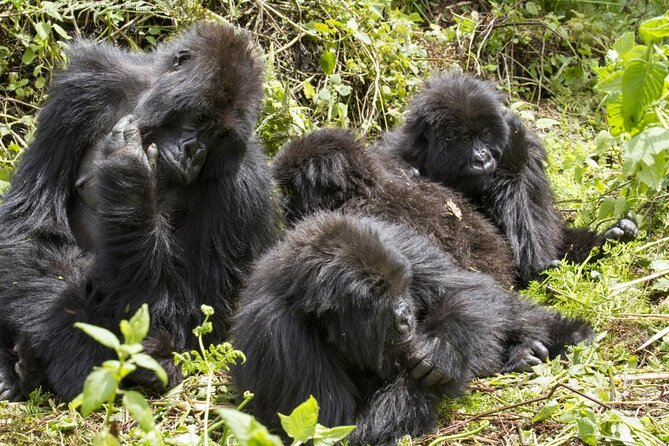
- An hour with gorillas in the rainforest: you’re not rushing your encounter.
- Bwindi’s steep, dense, trail-riddled forest: the guides work through real terrain, not flat paths.
- Lake Bunyonyi overnight: a slower, scenic counterweight to trekking day.
- Comfort-focused ground transport: private 4×4/safari car gets you between Kampala, Bwindi, and the lake.
- Two equator photo stops: Green Equator Masaka Rd and the Kayabwe equator line mark.
Gorilla trekking in Bwindi: the part that pulls you in
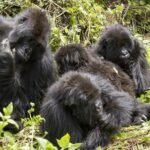
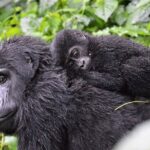
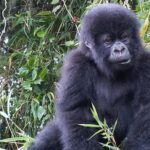
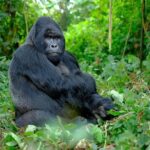
Uganda’s mountain gorillas aren’t just a headline. They’re an endangered, rainforest-living reality—and that matters. This trip is built around a guided trek into Bwindi Impenetrable National Park, a place known for steep hillsides, dense vegetation, and animal trails that give you a way through.
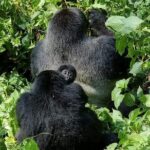
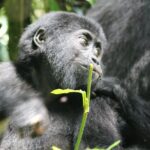
I like that the experience is framed as time with the animals, not just a checklist item. Once a gorilla group is found, you’re allowed an hour to observe them. That hour is the reason people keep talking about this kind of trip, because you can watch behavior instead of just spotting bodies.
There’s also a natural tension in the day: you’re walking through forest where the animals can move, and the trek timing can vary. That’s not a flaw. It’s part of what makes the day feel real and unpredictable—in a good way.
You can also read our reviews of more tours and experiences in Kampala.
Day 1: the Green Equator photo stop and the road toward Bwindi
Your trip begins from Kampala, and it starts with a quick detour to Green Equator Masaka Rd. The point here isn’t just sightseeing. It’s a fun, visual break from travel time, and it also gives you a chance to prove you’re at the equator (at 0 degrees) with photos.
After that, you continue toward Bwindi. This is a travel day that’s designed to keep you from feeling stuck on a long transfer with nothing to mark the journey. The pace also helps you mentally adjust: gorilla trekking is the main event, and by the time you’re closer to Bwindi, the trip starts to feel focused.
A small practical detail: the equator stop lists an admission ticket as not included, so it’s smart to carry some cash or be ready to pay that locally. It’s not a dealbreaker, just part of budgeting for the fun extras.
Day 2 in Bwindi: trekking through dense terrain and using that hour wisely
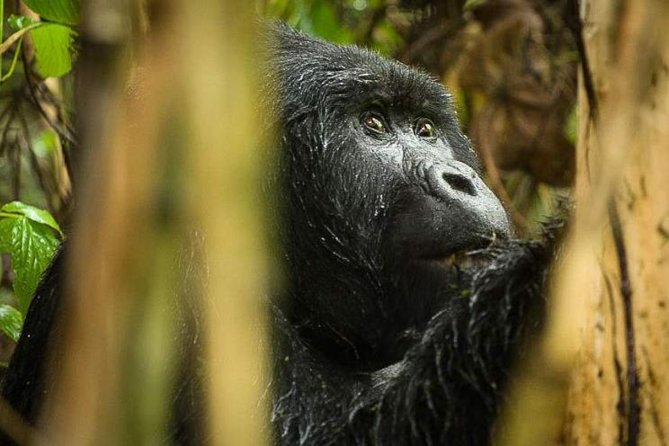
This is the day you plan around. You enter Bwindi Impenetrable National Park and start the guided trek. The setting is described as spectacular, with steep, forested terrain that’s very dense. At the same time, it’s crisscrossed by trails that make it possible for tourists to reach gorilla groups.
The key thing to understand is how variable the trekking day can be. Time and pace depend on how the gorillas are moving. That means you can’t treat the trek like a scheduled walk with a fixed arrival time; you’re responding to the forest and the animals’ behavior.
Once you locate a gorilla group, the experience shifts. You’re allowed an hour in their presence. In practice, that hour gives you room to do more than stare. You can watch feeding, movement through vegetation, and the way the group interacts with the environment. If you like wildlife with behavior, this is the sweet spot.
Also, it’s worth noting that the park entry portion is listed as admission free in the schedule, while the gorilla trekking permit is separate. Don’t mix those up. The permit is the big non-negotiable cost for the gorilla hour.
Lake Bunyonyi overnight: trading rainforest intensity for calm views
After the gorilla trek, you head to Lake Bunyonyi. This isn’t just a scenic stop; it’s a change of pace that helps your body and head recover. Bwindi days can be intense, and Lake Bunyonyi gives you a softer scene to land in.
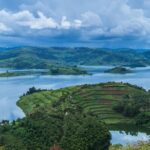
The lake is framed by lush, green terraced hills, reaching about 2,200–2,478 meters. But the bigger draw is the visual character of the water itself: there are 29 islands, varying in shape and size. That island count turns your lake time into an easy form of entertainment—you can keep looking, and the scene keeps changing.
The schedule allows a full travel-and-downshift block here (listed as about 14 hours). That’s long enough to enjoy the place instead of just passing through and moving on. Reviews also highlight this as a nice contrast to the energy of Kampala and the trekking day.
If you want your trip to feel balanced, this overnight is a smart design. You’ll remember the gorillas, but you’ll also appreciate having a calmer day that isn’t built around logistics and walking.
Day 3: equator line mark in Kayabwe, then airport timing
Day 3 brings you back toward Kampala with another equator moment. You stop at the Uganda Equator line mark in Kayabwe for photos, and you may also have a chance to buy art pieces if you’re interested. It’s a simple, human-scale stop—proof that the trip isn’t only about one big wildlife event.
The plan also includes an en route lunch. That helps you avoid the stress of searching for food while you’re thinking about the next flight step.
Then comes the airport drop-off piece. You arrive late afternoon/evening and catch your flight back home, and the trip notes that it’s recommended to plan for 19:00 or later. I take that seriously. Flights are where timing anxiety is least fun, so building in slack is smart.
Finally, note that the Kayabwe equator stop lists admission ticket not included, just like the earlier equator stop. Budget for both if you want photos plus the local experience.
Getting around: private 4×4 comfort, door-to-door pickup, and skilled driving
Transportation can make or break a short safari. This one is set up around comfortable ground travel, using a private 4×4 safari car (and it’s described as private tailored safari with only your group). Door-to-door airport pickup and drop-off are included, which matters when you’re tired and dealing with unfamiliar roads.
A big plus, based on the strongest feedback, is the driver’s competence. Reviews specifically call out that the driver was skilled and that everything was well arranged. That kind of praise usually means fewer surprises, better pacing, and a smoother ride when you’re already exhausted from trekking.
Also, the route is built for efficiency between Kampala, Bwindi, and the lake. You’re not dragging your day across endless transfers. You’re moving between the exact places that make the trip meaningful.
Price and value: what $1,110 covers and what still costs extra
The headline price is $1,110 per person. For a 3-day safari that includes ground transport, meals, and an overnight, that can be a reasonable package—especially because you’re also getting door-to-door airport support and private access for your group.
But here’s the cost reality you should face early: the gorilla trekking permit is not included. It’s listed at USD 700 per person. So your likely all-in cost for the gorilla part is much closer to $1,810 per person once you add the permit.
What the package does cover (based on what’s included) is the rest of the machinery: transport in a comfortable safari car, all meals listed across the days (breakfast, lunch, dinner), and accommodation. That’s the value you’re buying: you’re not trying to juggle logistics, food, and lodging while also planning for a high-demand wildlife activity.
Is that worth it? In my view, yes—if you’re ready for the permit cost and you want a guided, organized experience where your main energy goes into the trekking and the gorilla hour. If you’re trying to minimize costs above all else, permits alone are a clear ceiling on budget savings. This trip isn’t designed as a bare-bones, do-it-yourself adventure.
One more note: the tour is private for your group, and the details mention group discounts. In plain terms, if you’re booking with people you trust and you can take advantage of those discounts, the value can rise fast. If you’re traveling alone, you’ll still get the privacy, just without the benefit of spreading fixed costs across more people.
Who this Uganda gorilla trek suits best (and who should think twice)
This trip fits best if you want a classic Uganda experience with real structure. You’re getting a guided gorilla trek, a guaranteed hour-long encounter once the gorilla group is located, comfortable transport, and an overnight lake stop that breaks up the intensity.
You also need decent physical fitness. The tour specifically calls for strong physical fitness because Bwindi’s terrain is steep and dense. If you’re on the edge physically, you might still love the experience—but be honest with yourself about your stamina and the reality that the trek timing varies.
It also has an age minimum of 15, so it’s not a kid-friendly gorilla trip in most cases. If you’re traveling as a family, you’ll want to confirm age eligibility early.
Finally, it’s a private tailored safari with a minimum number traveling of 01. That’s good if you want your own group experience without mixing with strangers.
Should you book this 3-day Bwindi and Lake Bunyonyi tour?
Book it if you want the gorilla hour to be the center of your trip, not a rushed side stop. The combination of a guided trek through Bwindi plus an overnight at Lake Bunyonyi is a smart way to keep the trip from feeling like one long grind. I also like that reviews consistently praise the time with the gorillas and the overall organization.
Think twice if you’re sensitive to physical exertion. The forest trekking is part of the deal here, and the day can shift with gorilla movement. Also, budget early for the permit cost, since it’s the biggest extra expense.
If you’re looking for a well-run, private, short safari that balances wildlife and scenery, this is a strong choice—especially if you’re ready to pay for the gorilla permit and you care about being in the rainforest for real.
FAQ
How long is the 3-day Uganda gorilla trekking tour?
The tour runs for 3 days (approximately).
Where does the tour start and include pickup?
It starts in Kampala, and door-to-door airport pickup and drop-off are included.
What is the price per person?
The price listed is $1,110 per person.
Is the gorilla trekking permit included?
No. The gorilla trekking permit is listed separately at USD 700 per person.
What does the tour include for meals and accommodation?
It includes breakfast, lunch, and dinner as listed for the days in the tour, plus accommodation.
Is the tour private or shared?
It is private. Only your group will participate.
What is the minimum age for this tour?
The minimum age is 15.
Do I need to be physically fit?
Yes. The tour notes that travelers should have a strong physical fitness level.
Do I need a visa?
You should apply for a tourist visa before travelling.