REVIEW · HANOI
2 days 3 Nights Sapa Trekking Tour by Night Train from Hanoi
Book on Viator →Operated by Charming Vietnam Travel · Bookable on Viator
Sapa starts on a Hanoi night train. This 2 days 3 nights Sapa trek pairs a round-trip train ride with guided village hikes, so you spend more time walking through Northwest Vietnam’s rice-field views and less time stuck in transit. I especially like the chance to reach Cat Cat and learn about Hmong daily life, and I also like the bigger cultural sweep with Lao Chai and Ta Van home to the Black Hmong, Dzao, and Dzay communities.
One thing to plan around: your first morning in Sapa includes breakfast, but hotel check-in can run late (12:00–14:00, if available). You’ll still be guided, and the support from Mr Nam (Hanoi–Sapa–Hanoi) and Mr Phaj (trek guiding) makes the flow feel smoother than you might expect after an overnight train.
In This Review
- Key things to know before you go
- The night train trick: saving a full day of travel
- Hitting Sapa early: 40 km transfer and breakfast vs check-in
- Cat Cat (the 4-hour Hmong village start)
- Lao Chai and Ta Van: Black Hmong, Dzao and Dzay life for 8 hours
- Sapa hotel night on Muong Hoa Street: Charm, Sapa De, or Pao
- Guides, small groups, and how Mr Nam and Mr Phaj shape the day
- What’s included for $178—and what isn’t
- Practical tips for mountain trekking in northern Vietnam
- Who should book this tour (and who should skip it)
- Should you book this 2 Days 3 Nights Sapa trek with night train?
- FAQ
- What time does the tour start?
- Where do I meet for the Hanoi departure?
- How many people are in the group?
- What train cabin options are available?
- What time do you arrive in Lao Cai?
- Are meals included?
- What villages are visited?
- How long are the treks?
- Where is the included hotel in Sapa?
- Is there a single supplement for solo travelers?
Key things to know before you go
- Night train both ways (Hanoi to Lao Cai and back) means fewer daytime travel hours and more time for the hills.
- Small group size (max 10 people) keeps the hikes feeling personal rather than rushed.
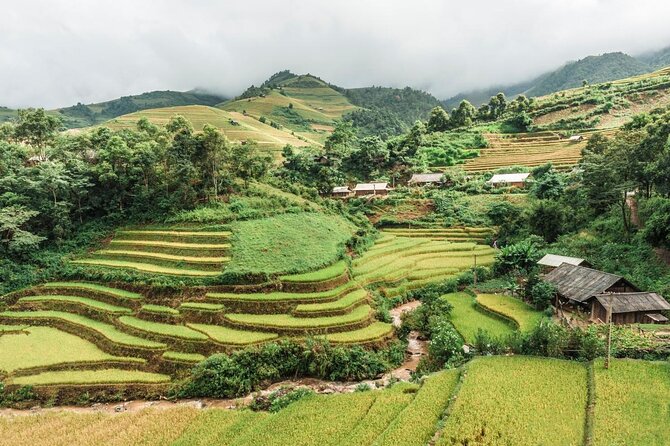
- Two guided treks with admissions included: Cat Cat for about 4 hours, then a longer Lao Chai–Ta Van–Giang Ta Chai day.
- Culture isn’t just a side note: you’re guided through Hmong and other ethnic minority daily life while walking.
- One Sapa hotel night is built into the deal with included options on Muong Hoa Street (Charm / Sapa De / Pao).
- Two guides may be assigned (Mr Nam and Mr Phaj), which can help with both transfers and on-trail questions.
The night train trick: saving a full day of travel
For this kind of trip, I like when the tour uses the night train smartly. You start from Hanoi in the evening, sleep on the way to Lao Cai, and wake up in time to head to Sapa right away. That matters, because Sapa is far enough from Hanoi that a daytime-only route can swallow your first day.
You have two train cabin options: a shared cabin for 4 people in 1 cabin or a private cabin booked for 4 people. That’s a big practical difference. A shared cabin can be a better price, but you should expect more motion and less privacy. A private cabin is the calmer choice if you value sleep quality.
Also, the tour structure means you’re not just “getting to Sapa.” You’re building a route where the hard part—reaching the mountains—is handled for you. The included bus transfer from Lao Cai to Sapa (about 40 km) is part of why the schedule stays workable even with an early arrival.
If you’re the type who hates losing a whole day to transport, this is the right style of itinerary.
You can also read our reviews of more tours and experiences in Hanoi.


Hitting Sapa early: 40 km transfer and breakfast vs check-in
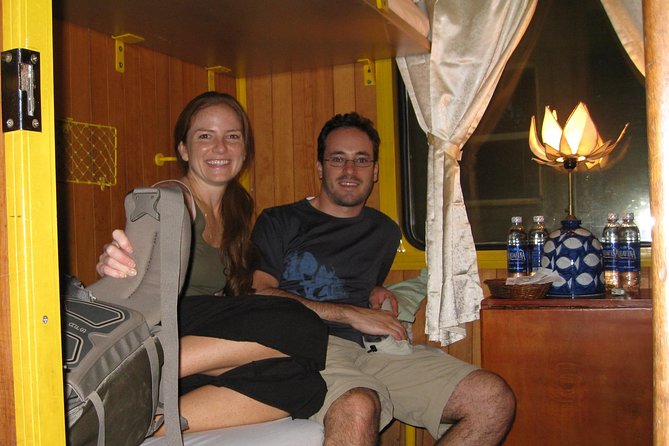
On the second day you arrive at Lao Cai Train Station around 06:00. From there, you take a bus transfer to Sapa (about 40 kilometres). That early start is one of the best parts of the plan because it positions you for a proper hike rather than a long wait.
Here’s the morning reality check: you’ll have breakfast at your hotel, but check-in time can be 12:00–14:00 depending on availability. Translation: you may be dropping your bags, eating, then waiting a bit before your room is ready. It’s not a dealbreaker, but it’s the kind of detail that can make people grumpy if they aren’t prepared.
So I’d treat that first half-day as a “get organized” window:
- Eat breakfast and get your gear sorted
- Plan for some waiting around check-in time
- Then look forward to the trek starting in the late morning (the Cat Cat hike portion begins at 09:30)
This is also where an early transfer can help you. If you’re prone to travel fatigue, arriving at 06:00 and starting meaningful sightseeing by late morning is often easier than arriving later in the day.
Cat Cat (the 4-hour Hmong village start)
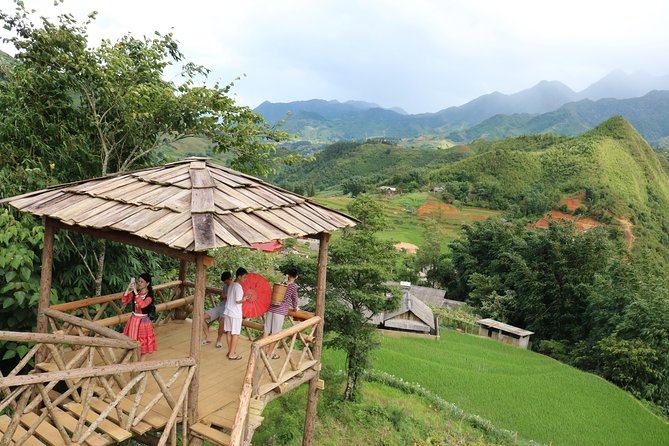
Your first trek day focuses on Cat Cat Village, with the hike scheduled for about 4 hours and admission included. The point of this stop is not just scenic walking. It’s a guided introduction to Hmong customs and everyday life as you move through the village area.
What I like about a first trek like Cat Cat is pacing. A shorter hike early in the itinerary helps you “find your rhythm.” After a night on the train, that matters. You’re still outside and walking, but you’re not forced into an all-day slog on day two.
Another practical benefit: starting with Cat Cat gives you a baseline for the rest of the route. By the time you’re later heading to Lao Chai and Ta Van, you’ll have more context for what you’re seeing and hearing from your guide.
Potential drawback: the itinerary says admission is included, but it doesn’t specify the exact trek difficulty. If you’re sensitive to uneven paths or steep sections, you’ll want to judge your fitness honestly. Bring trekking shoes if you have them. Even when a hike is only a few hours, mountain ground can get slick.
Still, as a first cultural hike, Cat Cat hits the right balance of walking + learning.
Lao Chai and Ta Van: Black Hmong, Dzao and Dzay life for 8 hours

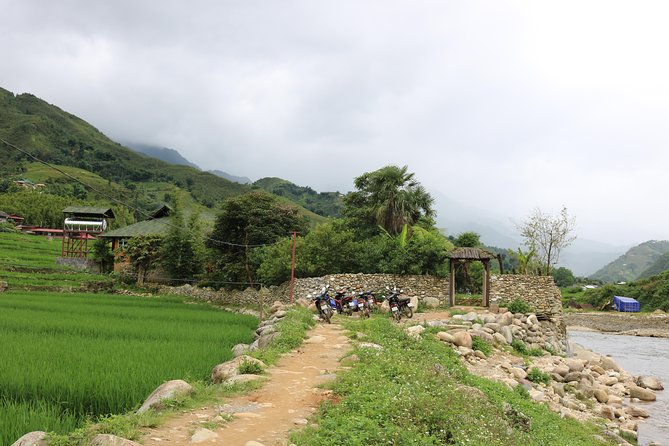
Day three is the longer, deeper trek day. Your guide picks you up for the hike scheduled around 09:00–09:30, and you’ll trek through the villages of Lao Chai and Ta Van, plus Giang Ta Chai. The focus here is clearly cultural: you’re in home areas of the Black Hmong, Dzao, and Dzay communities.
The hike portion runs about 8 hours with admission included. That’s a full day on your feet, so I’d treat it as your “main activity day.” There’s also a planned break: lunch at a local village around 12:30. Having lunch included this way is a value add, because it cuts down on decision fatigue and keeps you moving with the group.
What you’re getting on this day is the heart of the tour: a guided look at local life while you walk between communities and rice-field scenery. It’s exactly the kind of structure that turns a trek into something more meaningful than photos.
One consideration: because the schedule is long, your comfort will depend on your willingness to hike continuously, not just take occasional scenic pauses. If you’re planning to do lots of extra sightseeing the same day, don’t. This day is already built as the big trek.
Also, your best experience here comes from asking simple questions when your guide offers chances to talk—clothing, daily routines, seasonal work. This tour is designed around those conversations while you’re walking.
Sapa hotel night on Muong Hoa Street: Charm, Sapa De, or Pao
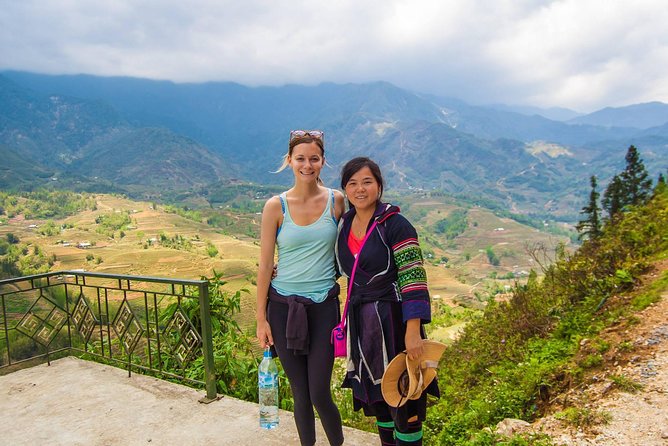
The itinerary includes one night in Sapa at an included hotel with options listed for three quality tiers:
- 3: Charm Hotel, #30 Muong Hoa
- 4: Sapa De Hotel, #10 Muong Hoa
- 5*: Pao Hotel, #40 Muong Hoa
I like that the plan gives you clear hotel options instead of making you guess. What you can expect is a proper base in Sapa for one night—enough time to shower, eat dinner (dinner is included), and recover before the return train.
If you’re picky about sleep, you’ll feel the difference. The train nights can be comfortable or not, depending on cabin choice. A real hotel bed for one night can make the whole itinerary feel more balanced.
Practical note: because your check-in might not be immediate on arrival day, plan for one night of true room time rather than expecting instant access to a fresh room upon arrival at 06:00.





Guides, small groups, and how Mr Nam and Mr Phaj shape the day

This tour runs with a maximum group size of 10 people. In practice, that small cap is a big deal. It makes it easier for your guide to keep track of the pace, answer questions, and manage the timing across village stops.
One of the strongest points I see from the tour’s real-world operation is the division of responsibilities. On one example setup, there were two guides: Mr Nam handling the Hanoi–Sapa–Hanoi coordination, and Mr Phaj guiding on the trekking portion. Even if your exact pairing differs, the structure is the same idea: someone keeps the big transitions moving, while the trekking guide handles cultural context and hiking flow.
That’s what you want on a trip like this. If the transfer person isn’t the same as your trekking guide, you still get continuity without constantly switching who you ask questions of.
To get the most out of the cultural parts, I’d go with a simple attitude: listen first, then ask. When you’re walking through Hmong customs and learning about Black Hmong, Dzao, and Dzay communities, it’s usually the small daily details that land hardest—how people make a living, what matters in daily routines, and how village life changes with seasons.
What’s included for $178—and what isn’t
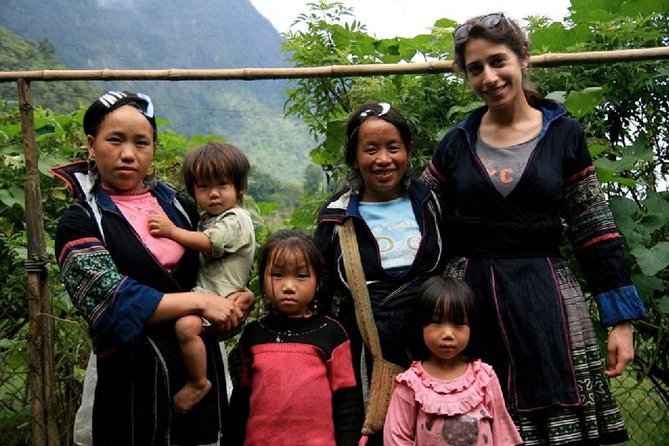
The price is $178 per person, and you should judge it based on what’s packaged together—not just the train.
Included items:
- Round-trip overnight train from Hanoi to Lao Cai and back (2 nights on the train)
- Hotel pickup in Hanoi
- Bus transfer from Lao Cai train station to Sapa (about 40 km)
- Local guide
- Treks including admission (Cat Cat about 4 hours, and the longer villages day about 8 hours)
- Meals: dinner, lunch (2), and breakfast (2)
- One night in a Sapa hotel (with the listed Charm / Sapa De / Pao options)
Not included:
- Tips and personal expenses
- Hotel drop-off on the last day from the train station in Hanoi
For value, the key question is: are you saving money compared to buying trains, guides, and meals one by one? In most cases, yes—especially because you’re getting meal coverage plus local guiding and trek admissions rolled into the package. If you’d otherwise have to hire a guide for multiple village days, the $178 starts looking less like a tour fee and more like a practical bundle.
One caution: if you’re traveling solo and need a single room, the tour notes a 20% single supplement for passengers requiring their own room.
Practical tips for mountain trekking in northern Vietnam
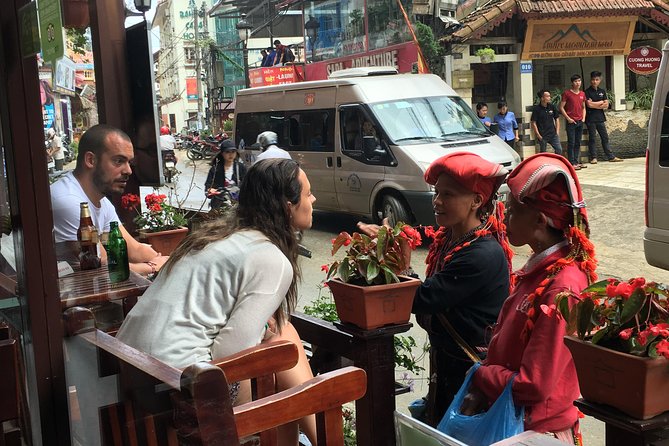
This is a trekking-focused itinerary, so you’ll want to treat it like one.
What I’d bring or plan for:
- Comfortable shoes with traction. Village trails can be rough.
- A light rain layer. Northwest Vietnam weather can shift quickly.
- A small day bag for water, snacks, and a layer you can put on and off.
- Cash for extras, because only certain meals and items are included.
Pace matters too. The Cat Cat trek is around 4 hours, while the Lao Chai–Ta Van–Giang Ta Chai day is about 8 hours. That second day is your endurance test. If you get tired easily, don’t try to force extra activities afterward.
Also, train comfort is a real factor. Choose your cabin option thoughtfully. If shared cabin sleep matters less to you, save the money. If you want a smoother return, the private cabin option can be worth it.
Who should book this tour (and who should skip it)
This tour fits best if you:
- Want a guided village experience rather than self-guided wandering
- Like the mix of Sapa rice-field scenery and culture learning
- Don’t want to spend your whole vacation on transfers
- Are okay with hiking days that are planned around group timing
You might skip it if:
- You hate long days on your feet. Day three is an 8-hour trek.
- You need immediate hotel room access on arrival day. Check-in can be 12:00–14:00 on availability.
- You’re expecting a relaxed, lounging-style vacation. This itinerary is built for walking and learning.
Should you book this 2 Days 3 Nights Sapa trek with night train?
If your goal is to see more of northwest Vietnam without losing daylight to long rides, I think this booking makes sense. The biggest wins are the overnight train (you reclaim daytime), the guided cultural focus (Cat Cat plus Lao Chai and Ta Van), and the fact that the tour bundles meals, hotel night, and trek admissions into one price.
Before you book, be honest about two things: your comfort with hiking—especially the 8-hour day—and your willingness to work around the check-in timing on arrival. If those fit your style, this is a strong value way to do Sapa with real local context instead of just sightseeing.
FAQ
What time does the tour start?
It starts at 9:00 pm.
Where do I meet for the Hanoi departure?
Meet at Ga Hà Nội (Ga Hàng Cỏ), 402ntp120 Đ. Lê Duẩn, Văn Miếu – Quốc Tử Giám, Hoàn Kiếm, Hanoi, Vietnam.
How many people are in the group?
The tour has a maximum of 10 travelers.
What train cabin options are available?
You can choose a shared cabin for 4 people in 1 cabin or a private cabin for booking 4 people in your group.
What time do you arrive in Lao Cai?
You arrive at Lao Cai Train Station at about 06:00.
Are meals included?
Yes. The tour includes dinner, lunch (2), and breakfast (2).
What villages are visited?
You visit Cat Cat, Lao Chai, Ta Van, and Giang Ta Chai.
How long are the treks?
Cat Cat is about 4 hours, and the Lao Chai–Ta Van–Giang Ta Chai trek is about 8 hours.
Where is the included hotel in Sapa?
The included hotel night is listed as options on Muong Hoa Street: Charm Hotel (#30), Sapa De Hotel (#10), or Pao Hotel (#40).
Is there a single supplement for solo travelers?
Yes. A 20% single supplement applies to single passengers who require their own room.