REVIEW · KATHMANDU
Luxury Everest Base Camp Trek -11 Days
Book on Viator →Operated by Himalayan Adventure Treks and Tours Pvt Ltd · Bookable on Viator
A helicopter ride changes how you remember EBC. This 11-day Everest Base Camp trek mixes classic trail time with a return by air, so you get big views both on foot and from above. Add in upgraded tea houses, and the whole thing feels less like survival and more like a well-run mountain plan.
What I like most is the focus on comfort where it matters: upgraded teahouses on twin sharing with modern amenities, plus real meals included during the trek (breakfast, lunch, dinner). The second thing I really appreciate is how structured the climbing is, with acclimatization stops at key elevations like Namche and Dingboche, then the big payoff days toward Lobuche, Gorakshep, and the base camp area.
One consideration: you’re paying a premium, and weather can still affect flights and schedules. The trip includes travel and rescue arrangements, but extra nights or extra costs in the mountains aren’t included if delays happen.
In This Review
- Quick highlights before you commit
- Entering Everest the comfortable way: what luxury really changes
- Kathmandu warm-up: private pickup and a 5-star buffer
- Day 2 to Namche: the Lukla flight and the altitude ramp-up
- Why Namche matters on this plan
- Tengboche and Dingboche: the monastery views meet the real altitude work
- The value of two acclimatization days
- Toward Lobuche and Gorakshep: the days that test your pacing
- Kalapatthar day: views you earn, plus a helicopter ride home
- Tea houses, meals, and support: where the “luxury” budget actually goes
- Who runs the show matters
- The itinerary, stop by stop: what to expect and what might feel hard
- Price and value: is $4,500 worth it for a luxury Everest trek?
- Who should book this trek, and who should rethink it
- Should you book Luxury Everest Base Camp for 11 days?
- FAQ
- Where does the tour start, and what time does it begin?
- How do you get from Kathmandu to the trekking area?
- Is the return from the Everest area done by helicopter?
- What kind of accommodation is included in Kathmandu?
- What will you sleep on during the trek?
- Are meals included while trekking?
- Is vegetarian food available?
- Is the Nepal visa fee included?
- Is there free cancellation?
Quick highlights before you commit
- Shared helicopter return from Gorakshep to Kathmandu, a big difference-maker for energy and timing
- Upgraded tea houses with modern amenities (still mountain basics, just better run)
- Acclimatization built in with days at higher elevations like Namche Bazaar and Dingboche
- Private trek format: only your group, with a guide and porter support plan
- Kathmandu comfort included: two nights in a 5-star hotel with breakfast, plus airport transfer
Entering Everest the comfortable way: what luxury really changes
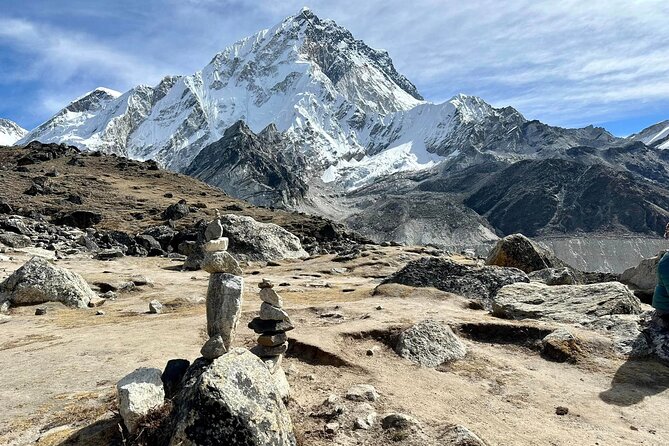
Let’s translate “luxury” for the Everest region. The mountain is still the mountain. You’ll still climb high, sleep in basic rooms compared to home, and eat by local restaurant rules. But “luxury” here mostly means you’re not left to guess.
You start with a private airport pickup in Kathmandu and two nights in a 5-star hotel with breakfast. Then, once you’re on trek, you get upgraded tea house lodging on twin sharing plus planned meals—lunch, dinner, and breakfast during the trekking days. Those are the practical comforts that remove stress when you’re already managing altitude and daylight.
And then there’s the headline feature: the trek includes a helicopter fare from Gorakshep to Kathmandu (sharing) on the way back. Even if you’re fit, that ride can turn the final days from exhaustion into relief, and it gives you a different angle on the Everest region’s sharp ridges and valleys.
You can also read our reviews of more tours and experiences in Kathmandu.
Kathmandu warm-up: private pickup and a 5-star buffer
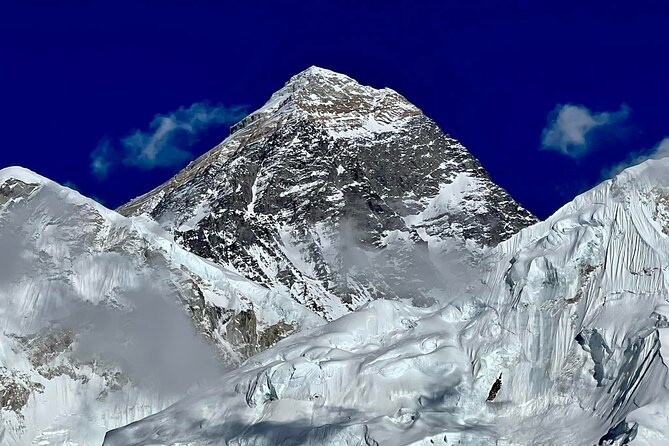
Day 1 is all about getting oriented without rushing. You land at Tribhuvan International Airport (TIA), and a company representative meets you, then transfers you to your hotel by private vehicle.
You also get two nights in Kathmandu at a 5-star hotel with breakfast. That matters more than it sounds. Before you fly to Lukla, you’ll benefit from proper sleep, steady meals, and time to review your packing and gear. It also gives you a buffer in case your body needs a day to settle after travel.
The trip also includes mobile ticket and pickup logistics, which reduces the usual “where do I go next?” panic. On a trek like Everest Base Camp, that first night can set your mood for everything that follows.
Day 2 to Namche: the Lukla flight and the altitude ramp-up
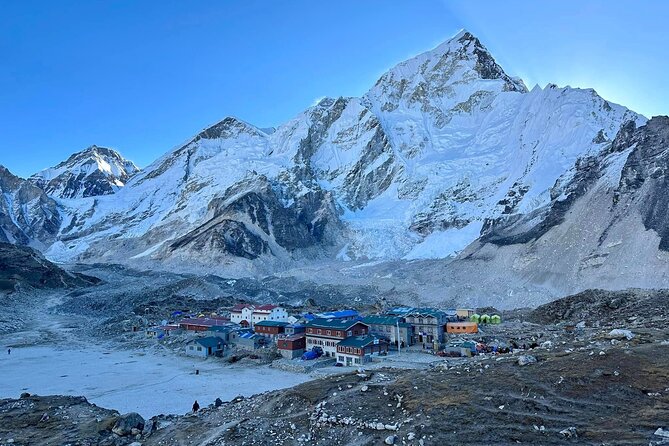
On Day 2, you fly from Kathmandu to Lukla. Lukla sits at about 2,860 meters, so this isn’t just a transport day—it’s the first altitude jolt.
From there, Day 3 begins the real trekking rhythm: you walk from Phakding to Namche Bazaar. Namche is where many trekkers start to feel the altitude more clearly, not because it’s an overnight nightmare, but because your body starts asking for slower pacing. The good news is the itinerary doesn’t rush past that moment.
The trip’s pacing is the point. You’re not just walking; you’re building tolerance step by step.
Why Namche matters on this plan
Day 4 is an acclimatization day at around 3,880 meters. That’s not wasted time. It’s your chance to adjust before you head higher. You’ll also get a day to enjoy the Everest area’s views without spending all your energy just trying to keep up.
This is where an organized guide makes a difference. I like that the route includes a formal acclimatization day rather than forcing you to “self-acclimatize” by brute effort.
Tengboche and Dingboche: the monastery views meet the real altitude work
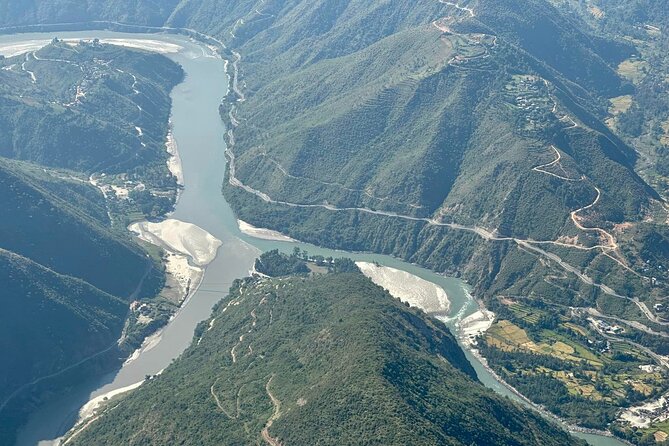
After Namche’s slow day, Day 5 moves you toward Tengboche (about 3,820m). The itinerary notes that this leg typically takes around 4 to 5 hours. You’ll be walking with classic Khumbu valley scenery, with chances for big mountain sightlines when the air is clear.
Day 6 then takes you onward to Dingboche (about 4,360m) after leaving Diboche. Expect a longer day here—roughly 5 to 6 hours is typical.
Then comes Day 7: another acclimatization day in Dingboche at 4,360m.
The value of two acclimatization days
Two acclimatization days (Namche, then Dingboche) is a luxury move in its own right. It reduces the odds you’ll spend the next days feeling wrecked, short-breath, and behind your schedule.
It also means your body has time to handle the change from the “I can do this” phase into the “okay, this is high” phase without turning the trek into a scramble.
Toward Lobuche and Gorakshep: the days that test your pacing
Day 8 is the trek from Dingboche to Lobuche. The itinerary says it’s a moderate-level hike, usually 5 to 6 hours. Weather at this height can change fast, and the terrain can feel more exposed, so this day asks for steady effort rather than heroic surges.
You’ll also start noticing how the mountain world changes: rocky sections, thinner air, and fewer places to hide from wind.
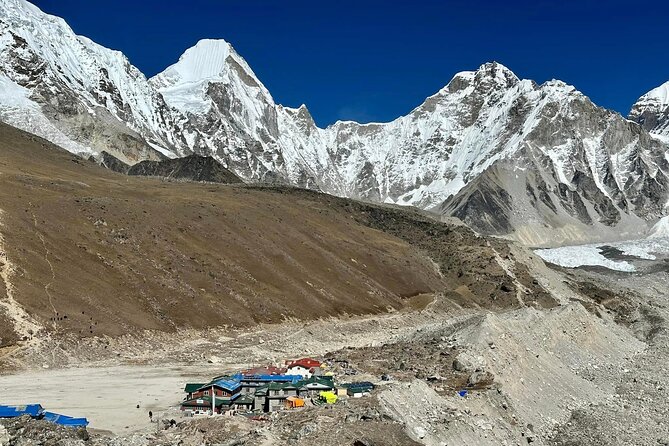
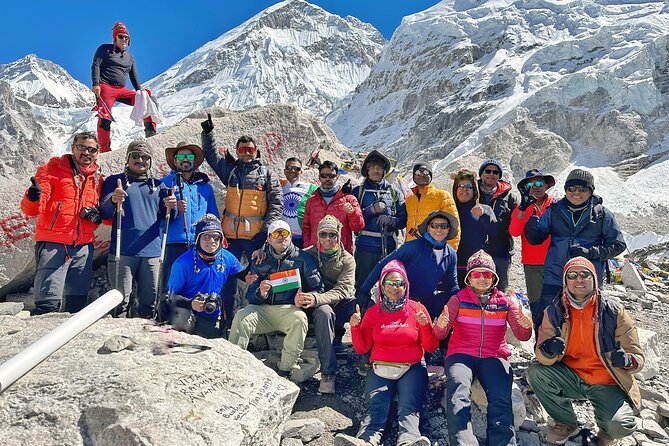
Day 9 is where things get serious. You hike from Lobuche to Gorakshep, then continue toward the Everest Base Camp area. This is listed as a strenuous day of about 6 to 7 hours, with rocky terrain and glacial-moraine surroundings along the way. You’ll be climbing steadily, and you’ll want to manage energy carefully so you still enjoy the experience when you arrive.
Kalapatthar day: views you earn, plus a helicopter ride home
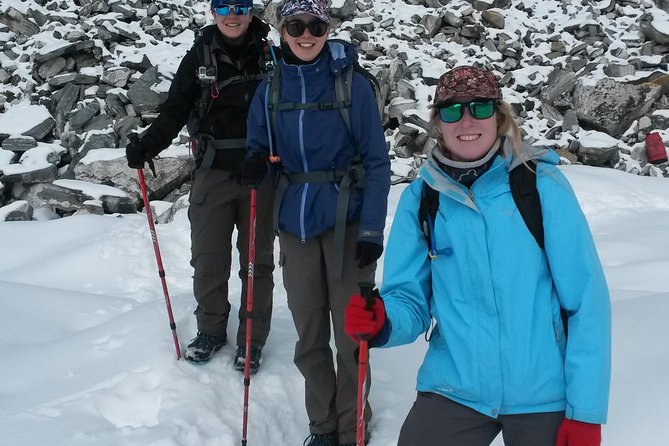
Day 10 is your Kalapatthar day. It’s at about 5,545 meters (18,192 feet), and the itinerary highlights it as one of the most popular Everest Base Camp trek highlights. This is the day for panoramic views, if the weather cooperates.
That’s where season choice matters. The trip notes spring and autumn as the best times due to more stable weather for Himalayan views and helicopter flights. I agree with that logic: if you’re spending on luxury, you want the skies to play along.
Then you get the major payoff on the return: the trek includes a shared helicopter fare from Gorakshep to Kathmandu. You don’t have to turn the last leg into another exhausting march.
By Day 11, a representative takes you to the airport about 3 hours before your scheduled flight. From there, you fly out with time to spare for the usual airport flow.
Tea houses, meals, and support: where the “luxury” budget actually goes
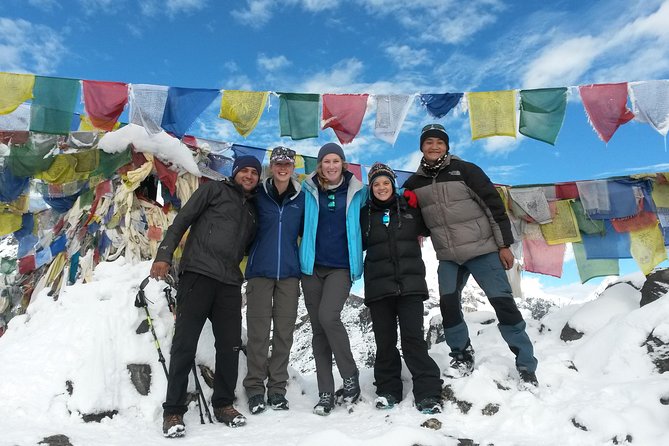
One of the smartest inclusions here is how the daily needs are handled.
During the trek, you’ll have lunch, dinner, and breakfast included for the trekking days (the package lists breakfast 10 times, lunch 8 times, dinner 9 times). That removes the annoying guesswork of finding food on the same timetable as your hiking.
You’ll also get:
- Upgraded tea houses during the trek on twin sharing
- A guide plus a porter support plan (listed as 1 porter for 2 clients)
- Duffle bag service (return after the trek)
- Company T-shirts
- Last night farewell dinner at an authentic Nepalese restaurant with a cultural performance
Even the smaller inclusions—like medical supplies (a first aid kit is available) and travel and rescue arrangements—matter because altitude travel is unpredictable. You hope you won’t need them, but having them built into the plan reduces stress.
Who runs the show matters
The reviews put a spotlight on leadership and communication. I’d expect that on a trek priced at this level, and that’s exactly what shows up in the feedback.
One review praises Prakash as the guide and calls him the absolute best, with excellent planning and communication. Another review highlights owner Bhagwat as being very well organized and hands-on. If you want a smoother trek, this kind of operational attention is what you’re really buying—not just beds and meals.
The itinerary, stop by stop: what to expect and what might feel hard
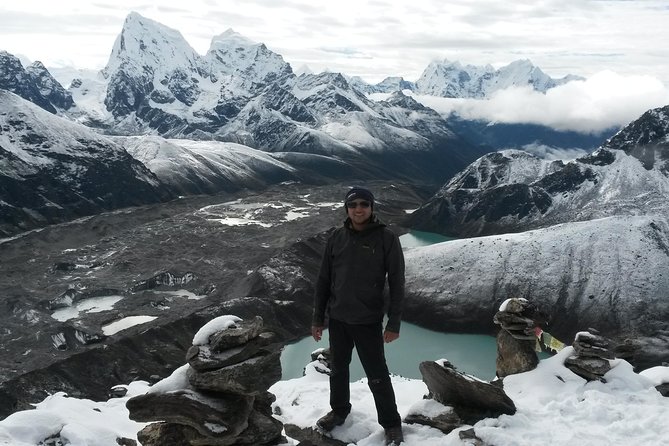
Here’s the practical reality of the day-by-day plan you’re buying:
- Day 1 (Kathmandu arrival): airport landing, representative meet, private transfer, hotel stay. Good for settling in.
- Day 2 (Kathmandu to Lukla + start walking): flight takes you high quickly. Expect jet-lag altitude, not jet-lag sleep.
- Day 3 (Phakding to Namche Bazaar): first real trekking day. Namche sets the tone.
- Day 4 (acclimatization near 3,880m): a day to slow down and breathe—do not treat it like a normal hike day.
- Day 5 (to Tengboche ~3,820m): scenery day with walking hours that usually land in the 4–5 range.
- Day 6 (to Dingboche ~4,360m): higher and longer; plan on steady movement.
- Day 7 (acclimatization at Dingboche): second built-in altitude adjustment day.
- Day 8 (Dingboche to Lobuche): moderate trek, ~5–6 hours, more exposure.
- Day 9 (Lobuche to Gorakshep + toward Everest Base Camp): strenuous day, ~6–7 hours, rocky moraine terrain.
- Day 10 (Gorakshep to Kalapatthar 5,545m): high summit hike for panoramic views.
- Day 11 (helicopter back + airport transfer): shared helicopter to Kathmandu, then depart with airport timing buffer.
What might be hard? The big stress points aren’t “single brutal climbs.” It’s the cumulative effect: altitude + walking time + cold nights + getting out the next day. That’s why those acclimatization days matter, and why the helicopter return is such a big deal on the back half.
Price and value: is $4,500 worth it for a luxury Everest trek?
At $4,500 per person, this trek isn’t cheap. So the value question is simple: what are you really getting besides the views?
Here’s what’s included that reduces risk and hassle:
- 5-star Kathmandu hotel (2 nights) with breakfast
- All trekking meals (breakfast/lunch/dinner during trek days)
- Upgraded tea houses on twin sharing during the trek
- Guide + porter support (1 porter for 2 clients)
- TIMS permit and Khumbu valley fees
- Kathmandu to Lukla flight ticket (and the return flight is also included in the package terms)
- Shared helicopter fare from Gorakshep to Kathmandu
- Last night farewell dinner with cultural performance
- Travel and rescue arrangements plus first aid kit availability
- Private airport pickup and transfer by vehicle
If you compare this to a do-it-yourself approach, you’re paying for coordination: the flights, the meal planning, the lodging consistency, the acclimatization structure, and the helicopter arrangement.
The main “watch-out” is what the itinerary can’t fully control: weather. The package notes you might face delays due to bad weather and that extra mountain costs or extra nights aren’t included if you get stuck longer than the scheduled return. That’s common in Everest country, and it’s why travel insurance matters—but insurance isn’t included in the listed package.
So: is it worth it? If you want a smoother trip with real comfort upgrades and less last-minute scramble—yes, the structure feels priced for convenience and time saved.
Who should book this trek, and who should rethink it
This plan fits best if you:
- Want moderate physical fitness and an itinerary that respects acclimatization
- Prefer guided logistics rather than managing permits and tea house bookings yourself
- Value comfort on trek days (upgraded teahouses, included meals, planned pacing)
- Like the idea of a helicopter return to protect your energy
You might rethink it if:
- You want a strict budget option (this is priced as a luxury package)
- You’re extremely weather-dependent and can’t handle possible scheduling shifts
- You’re not prepared for high-altitude trekking days like Kalapatthar and the strenuous EBC approach
Also, the trip is described as private: only your group participates. That’s great if you want control and personal attention, especially with a dedicated guide and porter support ratio.
Should you book Luxury Everest Base Camp for 11 days?
If you’re choosing this because of the headline—Everest Base Camp plus a helicopter return—this itinerary matches that idea. The real win is the combination: upgraded comfort, included meals, and a paced altitude plan with acclimatization built in, backed by leadership and communication praised in the reviews (with Prakash singled out as an excellent guide and Bhagwat highlighted as organized and hands-on).
I’d book it if you want the “get there, enjoy it, don’t overthink it” experience—and you’re okay paying for coordination. I’d hesitate if $4,500 is tight or if you’d be upset by the possibility of weather-related schedule disruption, since not every cost from delays is included.
FAQ
Where does the tour start, and what time does it begin?
The tour starts at Tribhuvan Airport in Kathmandu, Nepal. The start time listed is 6:00 am.
How do you get from Kathmandu to the trekking area?
You fly from Kathmandu to Lukla. The itinerary includes a Kathmandu to Lukla flight ticket.
Is the return from the Everest area done by helicopter?
Yes. The package includes a shared helicopter fare from Gorekshep (Gorakshep) to Kathmandu.
What kind of accommodation is included in Kathmandu?
You get two nights in a 5-star hotel in Kathmandu with breakfast.
What will you sleep on during the trek?
You stay in upgraded tea houses during the trek on a twin sharing basis.
Are meals included while trekking?
Yes. Lunch, dinner, and breakfast are included during the trekking portion of the trip (with the package listing breakfast 10 times, lunch 8 times, and dinner 9 times).
Is vegetarian food available?
Yes. A vegetarian option is available—just advise at the time of booking.
Is the Nepal visa fee included?
No. The Nepal visa fee is not included, but it can be obtained easily in Kathmandu airport.
Is there free cancellation?
Yes. You can cancel up to 24 hours in advance for a full refund. If you cancel less than 24 hours before the start time, the amount paid is not refunded.