REVIEW · KATHMANDU
7 Days Langtang Valley Private Trek From Kathmandu
Book on Viator →Operated by Outdoor Himalayan Treks P Ltd. · Bookable on Viator
Glaciers feel close on this short trek. A narrow Himalayan valley, Tibetan-style villages, and varied forests make the Langtang route an easy pick if you want mountains without a long multi-week schedule. I love how fast it gets you out of Kathmandu and into real trail life, with views of major peaks towering nearby.
I especially like the practical package included here: 3 meals a day on the trek, tea-house lodging on a twin-share basis, plus a professional English-speaking guide. You’ll also be set up with key paperwork like the Langtang National Park permit and the TIMS card, and the operator is known to work with guides such as Rupak and Prakash, who show up again and again in client feedback. That matters because trek days go smoother when the guide handles the details early.
One thing to plan for: the trek stays are basic. Your tea-house room is twin share, but the bathroom/toilet is outside your room, so comfort is simple and you’ll rely on layers and a good routine.
In This Review
- Key things that make this trek worth considering
- Why Langtang Valley feels like a Himalaya taste in one week
- Price and logistics: what you truly get for $585
- Before you go: fitness, gear, and the altitude reality check
- Day 1 in Kathmandu: airport arrival and a deluxe reset
- Day 2: the drive to Syabrubensi and switching from city to trail
- Day 3: Syabrubensi to Lama Hotel (2450m) through the first big climb
- Day 4: Lama Hotel to Langtang Village (3430m) and the valley opens up
- Day 5: Langtang Village to Kyanjin Gompa (3870m) for glacier-country views
- Day 6: the long return to Lama Hotel (2450m) and why the descent matters
- Day 7: Lama Hotel back to Syabrubensi (1550m) for the final push
- Day 8: drive back to Kathmandu and your post-trek reality
- Guide support, permits, and safety: the stuff you don’t want to improvise
- Who this trek suits best (and who should consider a different plan)
- Should you book this Langtang Valley Private Trek?
- FAQ
- How long is the Langtang Valley trek from Kathmandu?
- What is the highest point on this trek?
- What kind of accommodation will I have during the trek?
- Are meals included?
- Do I need to arrange the guide and permits myself?
- How do transfers work between Kathmandu and Syabrubensi?
- What gear should I bring?
- Does the tour include emergency evacuation?
- What’s the cancellation policy?
Key things that make this trek worth considering
- Langtang National Park access with the permit included
- 3 meals per day during the trek, so you don’t spend trekking time searching for food
- Gradual acclimation with a high point at Kyanjin Gompa (3870m)
- Tea-house trekking that’s manageable for a moderate fitness level
- Professional English-speaking guide support, with names like Rupak and Prakash mentioned in past experiences
- Emergency planning included via evacuation and medication service (with the catch that your insurance must cover it)
Why Langtang Valley feels like a Himalaya taste in one week
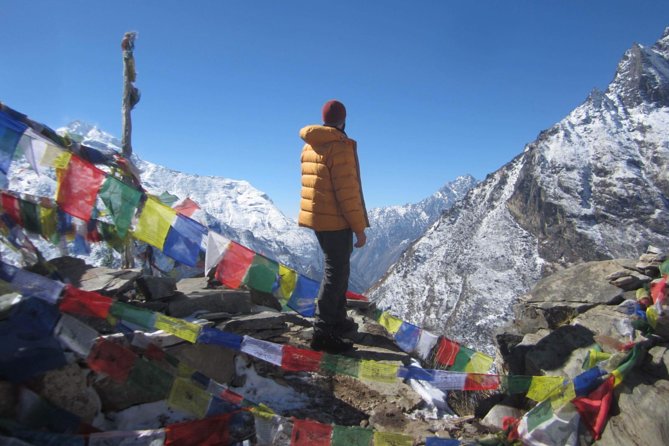
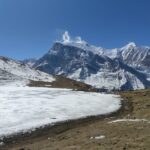
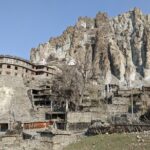
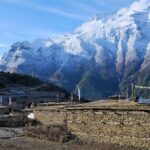
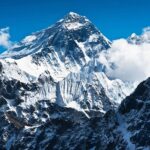
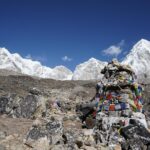
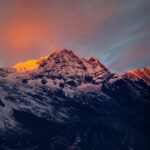
Langtang Valley is often called the valley of glaciers for a reason. The geography is dramatic: a narrow valley between big Himalayan terrain to the north and a slightly lower line of snowy peaks to the south. You get that classic high-mountain feeling—rock, snow-capped giants, and glacial scenery—without needing weeks of logistics.
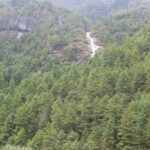
What makes Langtang especially good for first-time or time-crunched trekkers is the mix of environments. You pass rhododendron forests, bamboo forests, pine woods, fast mountain streams, waterfalls, and grassy meadows. Even the weather rhythm feels like a variety pack: sun on the ridges, cool shade in forests, and sudden clarity when mist lifts.
The cultural side is strong too. This region carries Tibetan influence, and you’ll walk through villages where life looks tuned to mountain weather, not big-city pace. That blend—nature plus everyday village rhythm—is a big part of why people choose Langtang for a short Himalayan getaway.
You can also read our reviews of more tours and experiences in Kathmandu.
Price and logistics: what you truly get for $585
At $585 per person, the value depends on what you’d have to arrange yourself. Here, you’re not just buying “someone to walk with you.” You’re also getting a lot of the boring-but-important stuff handled: permits, paperwork, meals, and lodging.
Included in the trek package:
- 3 meals per day (breakfast, lunch, dinner) during the trekking days
- 6 nights basic tea-house accommodation, twin sharing
- An English-speaking trekking guide, with their food, salary, accommodation, travel expenses, and insurance covered
- Langtang National Park permit and a TIMS card
- Kathmandu airport–hotel–airport transfers by private transport
- A Kathmandu–Syabrubensi–Kathmandu transfer by public bus
- Emergency evacuation and medication service (you still need insurance coverage for the costs)
So the money mostly pays for: guide time, meals, lodging, and the paperwork you can’t easily wing. It also helps you travel with less decision fatigue—on trek days, that’s worth a lot.
What’s not included (so you can budget without surprises):
- Tea/coffee, mineral water, hot water, cold drinks, and alcohol
- Porter (optional at extra cost)
- Personal expenses like battery charging, laundry, extra snacks, hot showers, and phone calls
- Nepal visa, international airfares, and travel insurance
If you’re comparing options, I’d focus on whether the alternative includes permits, TIMS, meals, and guide time. Those four items can easily turn into a bigger bill when booked separately.
Before you go: fitness, gear, and the altitude reality check
This trek is described for people with moderate physical fitness. Translation: you’ll hike several days with solid uphill and decent walking distances, but it’s not framed as a technical climbing expedition. Still, you’ll be at real altitude, so don’t treat it like a casual stroll.
Your daily hiking times run roughly:
- 6–7 hours with about 1070m ascent on Day 3
- 7–8 hours with about 980m ascent on Day 4
- 2–3 hours with 460m ascent on Day 5 (plus an optional side trip if time allows)
- 7–8 hours on the way down with long descents later
High point is Kyanjin Gompa at 3870m. You’re not listed as going over 4000m, but even getting to the high threes can affect sleep and appetite. The plan here uses steady climbing and a return route that lets you come down gradually.
Gear list is provided, and you should take it seriously. Minimum essentials include a sleeping bag, down jacket, water purification solution, LED headlight, trekking poles, raincoat, and full-finger gloves. Add thermal layers like fleece and a thermal cap, plus sunglasses and sunscreen. If you’re traveling light, the operator says they can help you get equipment after you arrive, but I still recommend sorting the big stuff (sleeping bag and warmth) before you come.
Also, bring a current passport. They ask for scanned copies of passport photos and passports for each participant, so plan your documents early.
Day 1 in Kathmandu: airport arrival and a deluxe reset
Day 1 is all about landing and recovery. You get a greeting at the airport and then transfer to your hotel, with 2 nights in Kathmandu in a deluxe hotel on a twin-share basis including breakfast.
For me, that first night matters. Kathmandu air is already a bit of a system shock if you’re traveling from sea level, and you’ll want a good meal, a shower, and a chance to organize your bag the way you’ll carry it on the trek. Even if you feel great on arrival, your legs will thank you for not rushing that evening.
If your flight schedule is tight, the operator says they’ll arrange pickup and drop-off according to your flight. That’s a small detail, but it removes one more stress point.
Day 2: the drive to Syabrubensi and switching from city to trail
On Day 2 you’ll travel from Kathmandu to Syabrubensi (1550m) by road. The drive is described as about 7–8 hours.
This is one of those days that looks simple on paper but can feel long in real life. Expect traffic, stops, and a slow shift in scenery as you move toward the valley. Mentally, I treat this day like an extended warm-up. You don’t want to overdo it with extra activity; you just want your body ready for the hike that starts tomorrow.
Why it’s valuable: this road link keeps the trek short enough to fit a week, while still delivering the real Himalayan mood once you start walking.
Day 3: Syabrubensi to Lama Hotel (2450m) through the first big climb
Day 3 is your first true hiking day: Syabrubensi to Lama Hotel (2450m). You’re walking about 6–7 hours with roughly 1070m ascent over around 10.9 km.
This day sets the tone. The first long ascent can be a mental game as much as a physical one. I like to use a steady pace: short breaks, slow breathing, and no hero moves. If you arrive feeling winded but not broken, you’re on track.
Also, this is when you’ll start noticing how the valley shapes your views. The Langtang region is a narrow corridor, so scenery builds in layers—forests, ridges, and the sense that you’re walking inside a mountain system rather than along an open plain.
Drawback to know: it’s an early start day, and you’ll be working your legs right after the long drive. If you’re prone to stiffness, stretch a bit before you leave the tea house.
Day 4: Lama Hotel to Langtang Village (3430m) and the valley opens up
Day 4 climbs again: Lama Hotel to Langtang Village (3430m) in about 7–8 hours, with around 980m ascent over 14.8 km.
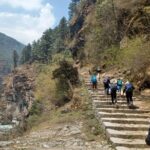
This is where Langtang starts to feel like the place you came for. The route’s described as diverse—rhododendron and bamboo forests, pine areas, waterfalls, and mountain streams. As you gain elevation, the air typically feels thinner and the view gaps start appearing between trees and rock.
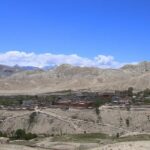
Langtang Village also gives you the cultural angle you’re looking for: Tibetan-influenced village life in a Himalayan valley. That’s the kind of scenery that stays with you because it feels lived-in, not staged for tourists.
One consideration: because this day includes both time and ascent, you’ll want to pace carefully. If you push too hard early, altitude fatigue often shows up later, especially on a trek with no true rest day.
Day 5: Langtang Village to Kyanjin Gompa (3870m) for glacier-country views
Day 5 is short on paper but still big on meaning: Langtang Village to Kyanjin Gompa (3870m) takes about 2–3 hours and about 460m ascent over 6.8 km.
The point of this day isn’t to grind it out. It’s to reach the glacier-country area at a high, satisfying altitude without making you hike for 8 hours. When you reach Kyanjin Gompa, you’re set up for the kind of views that make Langtang worth the effort.
If time allows, there’s an optional afternoon visit to Kyanjing Ri. Even without extra details on timing or altitude, the logic is simple: use that extra push to see more from above, then enjoy the slower evening back at your base.
Practical advice: this is a good day to eat well and hydrate early. The trek is giving you a “rest through reduced hiking hours,” but the altitude doesn’t automatically give you a break.
Day 6: the long return to Lama Hotel (2450m) and why the descent matters
Day 6 is back: Kyanjin Gompa to Lama Hotel (2450m) in about 7–8 hours, with about 1430m descent over 21.6 km.
Descending is often harder on the body than people expect. Your knees, shins, and ankles take a beating. Trekking poles help a lot here—especially on uneven stone and steep sections.
Why this day is valuable: you’re moving from high viewpoints back toward forests and village areas, so the scenery changes quickly. You’ll often get a more relaxed sense of place because you’re seeing the same valley from a lower angle on your way down.
Drawback: tea-house life is basic, so plan for an early bedtime and take care of your feet. Nothing kills good memories like a blister that could have been prevented.
Day 7: Lama Hotel back to Syabrubensi (1550m) for the final push
Day 7 is your last main trek day: Lama Hotel to Syabrubensi (1550m) in about 5–6 hours, roughly 1070m descent, and 10.9 km.
This is generally a morale day. By now you’ve learned your pace, you know how your body reacts to altitude, and you’ve gotten used to the rhythm of trek meals and tea-house evenings. You’ll also be getting back to lower elevation, which can feel like relief in a very real way.
Even so, treat it as a hiking day. The last descent can still strain your legs, and it’s easy to misjudge effort when you’re tired but almost done.
Day 8: drive back to Kathmandu and your post-trek reality
Day 8 is a road return to Kathmandu (about 7–8 hours). This is where you decompress.
A quick note: road travel after hiking can make your body feel stiff and heavy. If you can, plan a light evening in Kathmandu after arrival—nothing with early deadlines. Think shower, good food, and a proper stretch session.
Guide support, permits, and safety: the stuff you don’t want to improvise
This trip includes a professional English-speaking trekking guide, and the operator covers the guide’s food, salary, accommodation, travel expenses, and insurance. That level of support matters because permits and trail navigation aren’t something you want to figure out on the fly at altitude.
You also get:
- Langtang National Park permit
- TIMS card
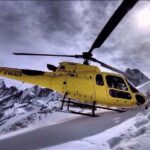
And safety planning is part of the package. The tour notes that emergency evacuation and medication service will be arranged, but you’re also explicitly told to make sure your travel insurance covers helicopter evacuation and medication. That’s the key detail. Assistance might be arranged, but the costs should be on your insurance plan, not your budget.
From past experiences with guides like Rupak and Prakash, the consistent theme is steady, friendly leadership. I’d still encourage you to treat the guide as your altitude coach too: ask about pacing, hydration, and when to slow down.
One more practical point: beverages aren’t included. On summit-ish days or colder mornings, you might want to budget a little extra for hot drinks or mineral water.
Who this trek suits best (and who should consider a different plan)
This is a great fit if you want:
- A short Himalayan trek starting from Kathmandu
- A route with Tibetan-influenced village life
- Teahouse-style hiking with meals included
- A manageable altitude profile ending at 3870m
It may be less ideal if you:
- Want a room with private bathroom and hot shower on demand (the tea-house setup is basic, with toilet/bathroom outside the room)
- Dislike long days of walking and elevation gain (Day 3 and Day 4 are substantial)
- Don’t have travel insurance that covers evacuation and medication (the safety plan relies on that)
If you’re traveling with children, the tour requires that children must be accompanied by an adult. If you’re unsure about your fitness, the trip asks for thorough physical examination before starting.
Should you book this Langtang Valley Private Trek?
I think you should book it if your goal is a week in the Himalayas that feels authentic, scenic, and logistically handled. The value is strongest if you appreciate what’s included: permits, meals, guide support, Kathmandu hotel comfort, and tea-house lodging—not just directions.
Don’t book it if you need high comfort in the mountains. Expect basic tea-house living, outside toilets/bathrooms, and cold mornings where your layers do real work. Also, double-check your insurance now, not later.
If you can handle a solid hiking rhythm and you want a close-to-Kathmandu taste of Langtang’s glacier valley world, this is a very sensible choice.
FAQ
How long is the Langtang Valley trek from Kathmandu?
The trek runs about 7 days, plus travel time. The overall schedule includes an additional drive day back to Kathmandu, so plan roughly 8 days from start to finish.
What is the highest point on this trek?
Kyanjin Gompa is listed at 3870m, which is the highest trekking elevation described.
What kind of accommodation will I have during the trek?
You’ll stay for 6 nights in basic tea houses on a twin-sharing basis. Toilet and bathroom facilities are outside of your room.
Are meals included?
Yes. During the trek you get breakfast, lunch, and dinner each day.
Do I need to arrange the guide and permits myself?
No. A professional English-speaking trekking guide is included, along with the Langtang National Park permit and the TIMS card.
How do transfers work between Kathmandu and Syabrubensi?
The itinerary includes Kathmandu to Syabrubensi and back by public bus. Airport transfers between the airport and your hotel in Kathmandu are included by private transport.
What gear should I bring?
A sleeping bag, down jacket, LED headlight, water bottle, first-aid kit, water purification solution, trekking poles, raincoat, sunglasses, full-finger gloves, socks, and thermal cap are listed. You can also ask for help buying equipment after you arrive if you want to travel light.
Does the tour include emergency evacuation?
The tour includes emergency evacuation and medication service, but you’re specifically asked to make sure your travel insurance covers helicopter evacuation and medication.
What’s the cancellation policy?
Free cancellation is available up to 24 hours in advance for a full refund. If you cancel less than 24 hours before the start time, you won’t receive a refund.