REVIEW · HANOI
Sapa – Bac Ha Trek Tour – Night Train & Bus & Homestay overnight
Book on Viator →Operated by Go Asia Travel · Bookable on Viator
Sapa hits fast, even before sunrise. This 3-day Sapa to Bac Ha trek makes the valley feel reachable by handling the hard parts for you with an overnight train and a small-group plan, plus most meals are taken care of. I especially like how the schedule mixes village walking with real downtime in Ta Van, not constant running from stop to stop. One thing to consider: you need solid stamina for the hikes, and Sapa weather can swing cold or rainy.
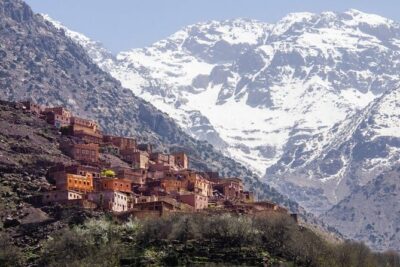
In practice, the trip is built for people who want the Sapa Valley experience without the usual logistics headaches—where to sleep, how to get around, and what to eat are already planned. You still get local culture up close: H’Mong and Zdao/Zayday villages, terrace fields, stream valleys, and market life.
Just go in knowing the homestay is not a hotel. Facilities are simple, and the shared setup plus public bathroom works best if you pack light and keep expectations grounded.
In This Review
- Key things I’d plan around
- From Hanoi Night Train to Early Sapa Morning: How the Route Works
- Sapa Rice Walks and Cat Cat Waterfall: Your First Village Day
- Lao Chai Trail in Muong Hoa Valley: Where the Hike Starts to Feel Real
- Ta Van Homestay in the Muong Hoa Area: Simple Sleep, Real Connection
- Bac Ha Market on Sunday: Pig Trades, Castle Views, and a Short Walk to Pho Village
- Price and Logistics: What You Get for Around $54 and What Costs Extra
- What the Homestay and Meals Actually Mean for Your Day
- Gear, Clothing, and Health Tips That Keep the Trek Enjoyable
- Group Size and the Guide Factor: Why This Feels Personal
- Should You Book This Sapa–Bac Ha Trek Tour?
- FAQ
- What’s the meeting point in Hanoi?
- How do you travel between Hanoi and Sapa?
- Do I need to arrange my own accommodation?
- What are the homestay sleeping and bathroom conditions?
- Are meals included?
- What’s included for Bac Ha?
- What should I bring for Sapa’s weather?
- Is vegetarian food available?
- Who shouldn’t join this tour?
- What’s the cancellation window for a full refund?
Key things I’d plan around
- Overnight train timing: Night departure from Hanoi (21:30) and early morning pickup help you lose less daylight to transit.
- Village-to-village walking: You’ll connect Cat Cat, Lao Chai, Ta Van, and nearby areas around Muong Hoa and terraces.
- Ta Van homestay basics: Expect shared sleeping arrangements or a single mattress, plus a public bathroom.
- Bac Ha Market on Sunday morning: Market culture and the way locals exchange goods drives the Day 3 timing.
- Bac Ha with a private car and guide: Easier logistics on a day that otherwise centers on walking and sights.
- Sapa weather and altitude: Cold months and occasional fog mean pack for layers, rain, and limited visibility.
From Hanoi Night Train to Early Sapa Morning: How the Route Works
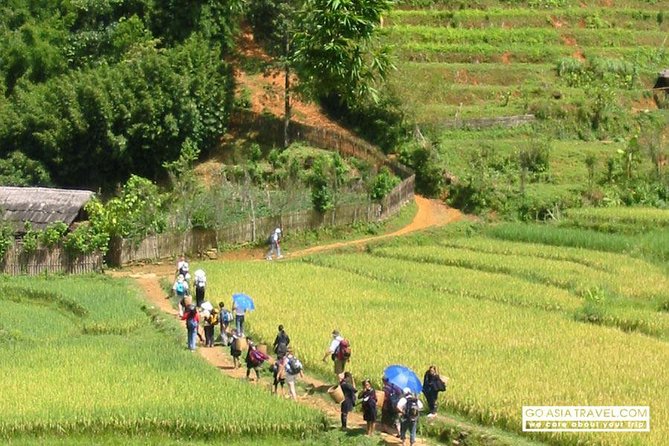
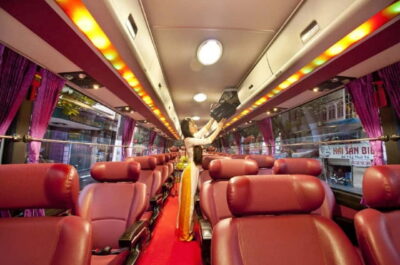
Your day really starts in Hanoi, but on Vietnamese time—late evening. You meet at the Hanoi train station area and catch the SP1/SP2/SP3 train departing at 21:30 for Sapa. This is one of the smartest ways to travel here because you’re not burning a full day on transport.
Then the morning switch flips. At 5:00, a driver picks you up at Lao Cai Train Station and transfers you about 40 km to Sapa. You arrive early enough to start trekking with daylight, which matters in the mountains where weather can change quickly.
The practical upside: you can show up in Sapa ready to hike, not exhausted from a long day on the road. The tradeoff: you’re trading comfort and sleep timing for speed and efficiency. If you hate overnight trains, this trip may feel like a long start even though it saves time overall.
You can also read our reviews of more tours and experiences in Hanoi.
Sapa Rice Walks and Cat Cat Waterfall: Your First Village Day
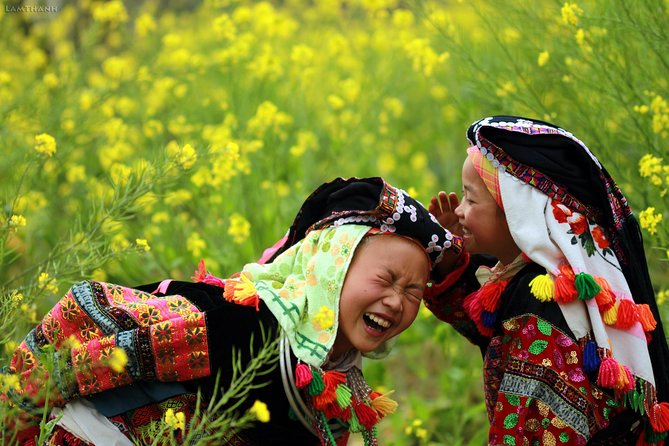
After arriving, you get breakfast and then pack a light bag for a short trek to Cat Cat village with a local H’Mong guide. Cat Cat is a good first stop because it’s close enough to ease into the terrain while still feeling like you’ve reached the real valley.
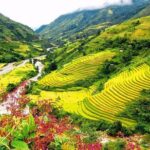
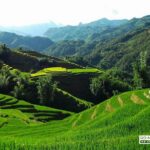
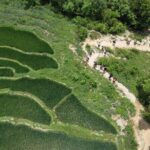
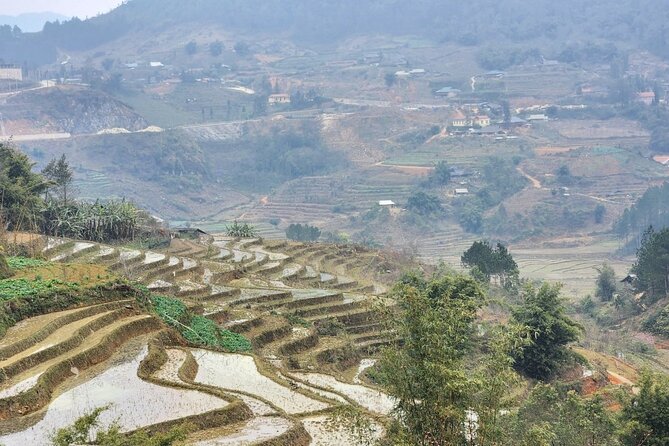
Here’s what you’re looking for: terrace fields, the Muong Hoa stream, and a waterfall area. There’s also a hydroelectric power station linked to French-era history, plus nearby schools mentioned as part of what you can see in the village area. This mix matters because you’re not only seeing scenery—you’re seeing how communities shape daily life around water and land.
I also like that Cat Cat isn’t treated like a museum stop. The village setting is the point, and your guide helps connect what you see to local life.
Watch-outs: if it’s foggy or rainy, the views can soften and paths may be slick. This is why the tour stresses warm layers and proper trekking shoes. If you’re underprepared, your first day becomes more about careful footing than enjoying the scenery.
Lao Chai Trail in Muong Hoa Valley: Where the Hike Starts to Feel Real
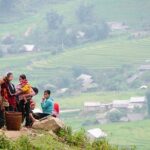
From Cat Cat, you move into the Lao Chai area, a village home for black H’Mong people. The setting is described as being in the Muong Hoa valley, by the stream, with Fansipan in the backdrop. That combination—valley water, terrace edges, and mountain views—is what most people imagine when they picture Sapa.
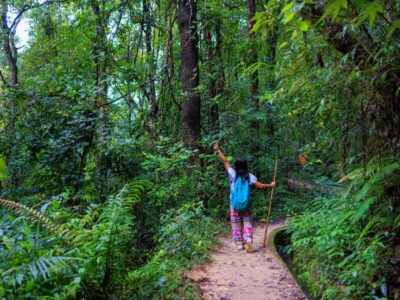
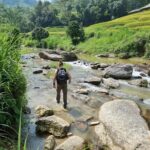
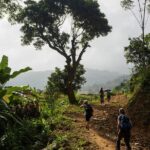
This part of the trip is where the walking becomes more meaningful. The plan connects trails through village zones and fields, so you’re not just strolling on a flat track. You’ll get the rhythm of mountain trekking: short breaks, quick photo moments, then back to moving.
What I’d emphasize for you: pace beats speed. If you try to “power walk,” you’ll arrive tired and more cranky than impressed. If you keep a steady pace and take the stops your guide suggests, the views feel more rewarding.
Weather is the wildcard. In Sapa, fog shows up in the colder months (December through March), and rain is always possible. The tour specifically notes that older travelers shouldn’t take the long trek (it mentions 9 km as the challenge length), especially because rain can make it dangerous. Translation: take the route seriously, even if you’re on vacation mode.
Ta Van Homestay in the Muong Hoa Area: Simple Sleep, Real Connection
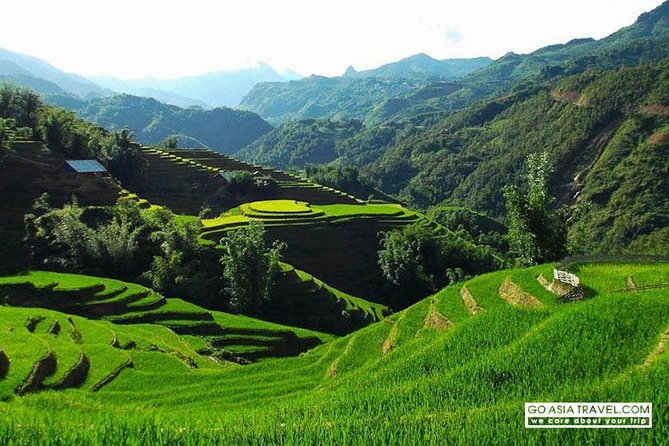
The goal of Day 1 and Day 2 is to end up in the Ta Van area for an overnight homestay. Ta Van is home to the Zday people and sits by the Muong Hoa stream, with views and multiple possible trek routes nearby.
This is where the tour becomes more than sightseeing. You’re sleeping in a valley home with a local family setup, and the experience is built to show valley life through the lens of the ethnic minority communities there. In other words, you get the culture connection, not just a photo and a goodbye.
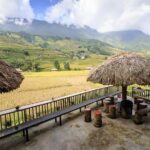
The homestay details are important. You’ll have a shared room or a single mattress situation, and the bathroom is public. It’s basic. That’s not a dealbreaker, but it is a deal-clarifier: you’ll want to bring what you need, plan on simple meals, and accept that warmth and comfort come from your own gear choices.
Day 2 adds Giang Ta Chai village, where Red Zdao, Zday, and black H’Mong people live together. The setting is described with a bamboo forest and rice terrace fields, plus valley views. This stop works well as a mid-trip reset: you get more village texture, but you’re still centered on the same broader Muong Hoa rhythms.
If you like authenticity, this part is the payoff. You get to slow down enough to notice daily details—how people move, how the terrain shapes the schedule, and how walking routes connect homes and fields.
Bac Ha Market on Sunday: Pig Trades, Castle Views, and a Short Walk to Pho Village
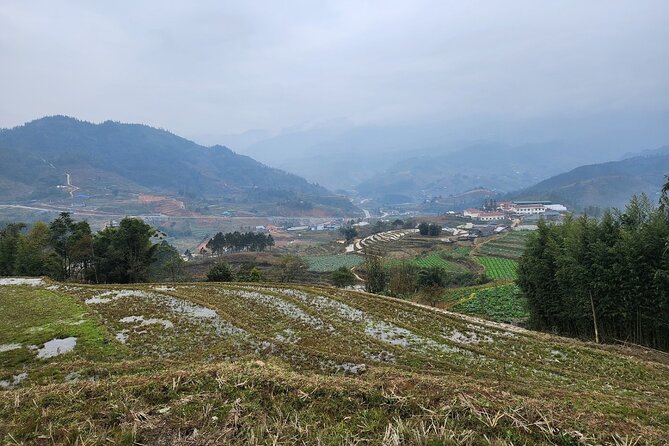
Day 3 is a different flavor: market culture and a historical site, focused around Bac Ha. The timing is key because Bac Ha Market only happens on Sunday morning. If your travel dates don’t match Sunday, your experience would change because this day’s highlight depends on that market schedule.
At the market, you can see how locals exchange goods in an older style—described as swapping items like pig, hens, and souvenirs for other products. It’s a practical look at commerce and community, not staged shopping.
After the market, you visit Hoang A Tuong’s Castle, the residence of the H’Mong king in the past. The tour description calls it the most luxurious home for him and his family, which gives you a useful perspective on what power and wealth looked like historically in the region.
Then you head to Pho village, near the market, with a peaceful walking road to see day-to-day life of the ethnic community. This is a nice soft landing after the energy of the market. Instead of bouncing between stalls, you get slower village observation and a bit of breathing room.
Logistics on this day are handled with a private car and guide for the Bac Ha segment. That’s a smart touch in a town-day itinerary: it keeps the walking focused where you want it, and helps you avoid losing time to getting around.
If you enjoy markets, this is your crown jewel day. If markets stress you out, you might still enjoy Bac Ha because the market is paired with the castle and the short village walk, so the pace isn’t all shopping all the time.

Price and Logistics: What You Get for Around $54 and What Costs Extra
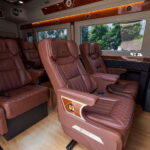
At $54.20 per person for roughly 3 days, the value is mostly in the bundled logistics. You get an overnight train from Hanoi to the Sapa area, transfers tied to Lao Cai, guiding, a homestay, and a private car and guide for Bac Ha. Then add the big ticket items that travelers often end up paying separately—entrance fees for Ta Van and Hoang A Tuong’s palace, plus meals.
Meals are a big part of why this feels like a deal. You’re included for 3 breakfasts and 3 lunches, plus dinner. That means fewer meals to plan and fewer decisions when you’re tired from trekking.
Still, there are costs not included. Drinks, travel insurance, personal spending, and the single supplement (if you need a private setup) aren’t included. That last part matters because solo travelers can see their real cost rise.
Also: in Sapa, money access can be awkward. The tour notes that you should take cash in Vietnam Dong because the banking system sometimes doesn’t function well. It also says US dollars, euros, and Australian dollars are accepted in Sapa. I’d still plan to have Dong ready so you’re not stuck hunting an exchange at the last minute.
If you want maximum value, this is the kind of tour where you should travel light and use the included meals and transfers instead of trying to DIY your way out of the plan.
What the Homestay and Meals Actually Mean for Your Day
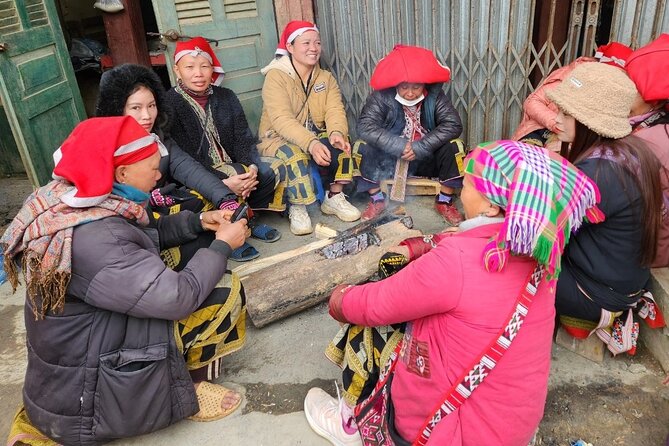
Meals being included sounds like a small detail until you’re in the mountains. When breakfast and lunch are handled, you can keep your pace focused on the trek instead of searching for food at the worst times—late morning when everyone is hungry and places feel stretched.
You’ll also get a dinner component included, which helps on homestay nights. The tour highlights that you’ll stay energized with most meals provided, and I get why: hiking days are long enough that snack-hunting can turn into wasted time.
The tradeoff is that homestay food and simple settings can be different from what you’re used to. The good news: a vegetarian option is listed as available if you request it when booking.
If you’re sensitive to spicy or unfamiliar ingredients, ask ahead. The tour data says vegetarian is possible, but it doesn’t list how flexible the menu is beyond that.
Gear, Clothing, and Health Tips That Keep the Trek Enjoyable
Sapa weather is unpredictable, and the tour is direct about what you need: warm clothes, scarf, and hat. It’s normally cold in September through March, and fog can happen in December through February. That combination can mean cool temperatures during the day, low visibility in the valley, and cold evenings at the homestay.
Bring trekking shoes, sun glasses, sun cream, and insect repellent. Even in cooler weather, you can get exposed on open sections of path. For rain, you’ll want traction and something that helps you stay warm when conditions turn.
Cash also matters. Bring Vietnam Dong for purchases since banking can be unreliable. And take medicine with you even though chemist’s shops exist in Sapa. When you’re trekking, you don’t want to make your recovery plan dependent on where a shop is located.
Finally, focus on fitness level. The tour asks for moderate physical fitness. It also lists clear exclusions: older people should not attend the long trek (it mentions 9 km) due to challenge and danger in rain; people with handicaps and children under 6 years old should not attend. If you fall into one of these categories, choose a different itinerary that matches your needs.
Group Size and the Guide Factor: Why This Feels Personal
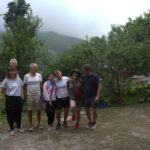
This is a small-group tour with a maximum of 15 travelers, and that’s a practical advantage. You’ll have an easier time staying together on paths, and your guide can slow down or speed up based on the group without turning the day into a race.
It’s also built around a local English-speaking guide in Sapa, and guides may change depending on route. That matters because village visits can be less about facts and more about relationships—someone local knows the route, the timing, and what to pay attention to when you arrive.
On top of that, the schedule keeps key moments structured: train and early transfer are timed, trekking is guided, and Bac Ha is handled by a private car and guide. The net effect is that you don’t waste energy on logistics while you’re trying to enjoy the mountains.
One more practical note from the overall tone of the trip: organization seems to be a strength. The plan is designed to keep things moving even if weather brings a little rain.
Should You Book This Sapa–Bac Ha Trek Tour?
If you want a Sapa trek that feels organized and still grounded in real village life, this tour is a strong pick. It’s especially good value if you’d otherwise struggle to sort out train timing, transfers, meals, and homestay sleep. The biggest highlight is the mix: trekking days plus a Ta Van homestay, then Sunday Bac Ha Market with a cultural sight package.
Don’t book it if you’re not comfortable with mountain walking and cold, changeable weather. Also skip it if you fit the stated limitations for the long trek length (9 km in challenging conditions) or if homestay-style sleeping and public bathrooms would feel like too much.
If you want, tell me your travel month and whether your dates include a Sunday in Bac Ha. I’ll help you sanity-check whether this schedule matches your trip and what to pack for that specific weather window.
FAQ
What’s the meeting point in Hanoi?
The tour meets at 160 Đ. Trần Quang Khải, Lý Thái Tổ, Hoàn Kiếm, Hà Nội, Vietnam, and it ends back at the same meeting point.
How do you travel between Hanoi and Sapa?
You use an overnight train from Hanoi to the Sapa area, departing at 21:30, and then there’s an early morning transfer at 5:00 from Lao Cai Train Station to Sapa (about 40 km). Transfers can also be chosen as bus or train depending on options.
Do I need to arrange my own accommodation?
No. You sleep in a homestay in the Ta Van area for the overnight part of the tour, and that’s included in the plan.
What are the homestay sleeping and bathroom conditions?
Homestay facilities are basic. You’ll have shared room or a single mattress with a public bathroom.
Are meals included?
Yes. The tour includes dinner, and also includes 3 lunches and 3 breakfasts.
What’s included for Bac Ha?
Bac Ha is handled as a private tour with a private car and guide, and includes entrance fees for Hoang A Tuong’s castle. You also visit Bac Ha Market on Sunday morning and walk to Pho village.
What should I bring for Sapa’s weather?
Bring warm clothes, a scarf, and a hat or cap. The tour notes it’s cold in September through March, and fog can happen in December through February. Trekking shoes and also items like sun cream, sun glasses, and insect repellent are recommended.
Is vegetarian food available?
Yes. A vegetarian option is available if you tell the provider at booking time.
Who shouldn’t join this tour?
The tour notes that older people should not attend the long trek (9 km) because it can be challenging and dangerous in rain. It also says handicapped people and children under 6 years old should not attend.
What’s the cancellation window for a full refund?
You can cancel up to 24 hours in advance for a full refund, based on local time. If you cancel within 24 hours, you don’t get a refund.