REVIEW · VOLCANOES NATIONAL PARK RWANDA
From Kigali: Bisoke Summit Trek, Crater Lake 1 Day Safari
Book on GetYourGuide →Operated by Vista Safaris · Bookable on GetYourGuide
Bisoke Summit Trek feels like a reward with a price tag of sweat. You’re hiking into Volcanoes National Park for the views, and the big payoff is the Bisoke crater lake. One thing to keep in mind: the trail can get muddy and slippery, so good grip matters.
I also like how this day is paced for a real summit attempt without turning into an all-day punishment. You’ll get a ranger-led briefing, a proper professional guide, and a picnic lunch at the summit area. The only real drawback is that it’s not for low-fitness folks, and the long driving time from Kigali means you’ll start early and run later.
If you’ve got comfortable hiking shoes and a steady pace, this hike can feel like one of the most memorable nature days you can do in Rwanda. And if the weather turns, bring patience and traction—you’ll still get to the lake.
In This Review
- Key highlights worth your attention
- Kigali to Volcanoes National Park: the early start that actually helps
- Kinigi briefing and getting ready for the Bisoke trail
- The ascent: villages, forests, and a trail that likes to test your footing
- Wildlife odds in gorilla country (and how to handle them)
- The summit and the crater lake: where the day turns peaceful
- Descent, timing, and the ride back to Kigali
- Cost and value: is $260 worth it for a Bisoke summit day?
- What to pack (and how to avoid the common mistakes)
- Who should book this Bisoke summit trek (and who should skip)
- Should you book this Bisoke summit day?
- FAQ
- What time does the tour start and when do I return to Kigali?
- How long is the hike, and is it suitable for low-fitness visitors?
- Is the Bisoke hike permit included in the price?
- What’s included in the $260 per person price?
- What wildlife might I see, and are gorilla photos allowed?
- What is the cancellation policy?
Key highlights worth your attention
- 4:30 AM pickup from Kigali means cooler, calmer trail conditions and more daylight for the crater-lake payoff
- Professional guide + porters available makes the route feel safer when the ground turns sloppy
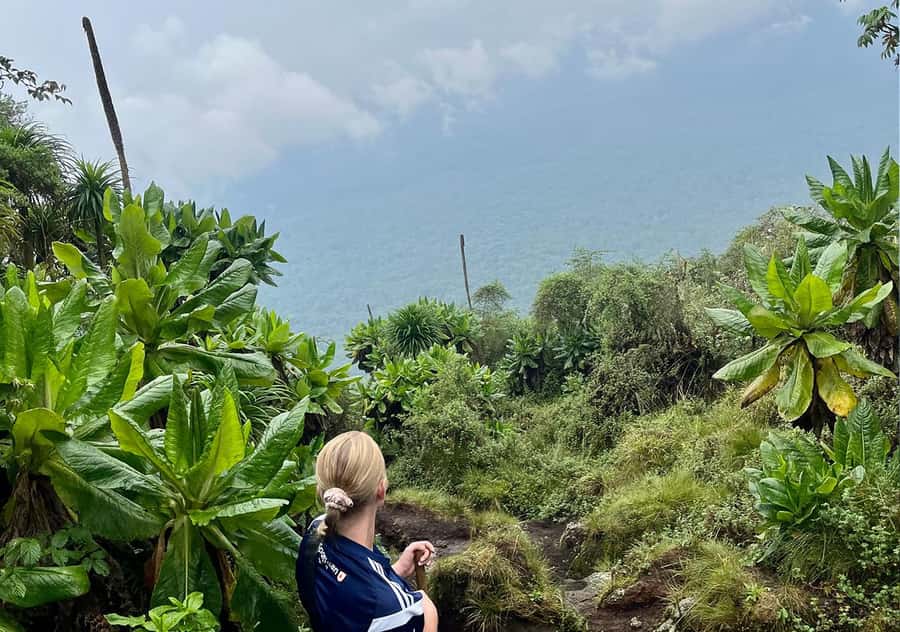
- Mostly uphill trek with volcanic terrain plus giant heather plants along the way
- Wildlife chances inside the gorilla country (golden monkeys more likely; gorillas possible but rare)
- Summit crater lake + picnic lunch gives you time to soak in the silence and the views
- Private-group experience keeps the day from feeling rushed or crowded
Kigali to Volcanoes National Park: the early start that actually helps
This is a full-day plan, but the rhythm is what makes it work. Your morning begins with pickup from your accommodation in Kigali at 4:30 AM. That’s early, yes. But it also means you’re not hiking in the hottest part of the day, and you’ll reach the park while things are still fresh and quiet.
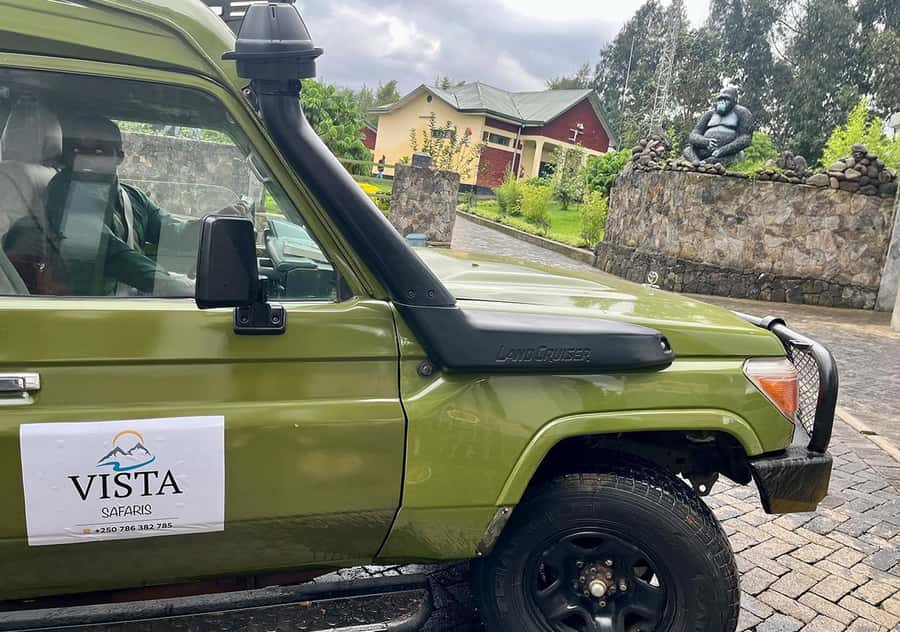
After pickup, you ride in a 4×4/SUV style vehicle for about 2.5 hours toward Volcanoes National Park in the Musanze District area. Rwanda’s countryside changes quickly as you go—paved sections where you can settle in, then rougher stretches that remind you you’re traveling through real rural roads, not just tourist corridors. This part matters because it builds the day’s anticipation, and it gets you into the park with enough time to focus on the hike.
You should also plan mentally for a long transport day. The total outing runs about 12 hours, and your return to Kigali is around 4:00 PM. If you hate early starts, this won’t feel fun. If you’re okay with mornings, it’s a smart way to time a summit day.
Kinigi briefing and getting ready for the Bisoke trail
Around 7:30 AM, you arrive at the park headquarters in Kinigi. This is where the day shifts from car ride to real adventure. You’ll meet your fellow hikers and park rangers, then get a detailed briefing about what to expect on the hike and how to move safely through the area.
That briefing is more than formality. It’s the difference between hiking while guessing and hiking with a plan—especially on a volcano trail where the ground can change under your feet. Your guide helps you understand what’s coming, how long it may take, and what to watch for as you gain altitude.
At about 8:00 AM, you move again—this time with a shorter ~40-minute drive to the Bisoke trailhead. This short hop is practical: it saves you hours of unnecessary road walking and positions you to start the real climb at the right time.
The hike itself starts at roughly 2,700 meters above sea level. That matters even if you feel fit. Altitude can make a steady pace feel more challenging than you expected, so don’t “race” the first hour.
The ascent: villages, forests, and a trail that likes to test your footing
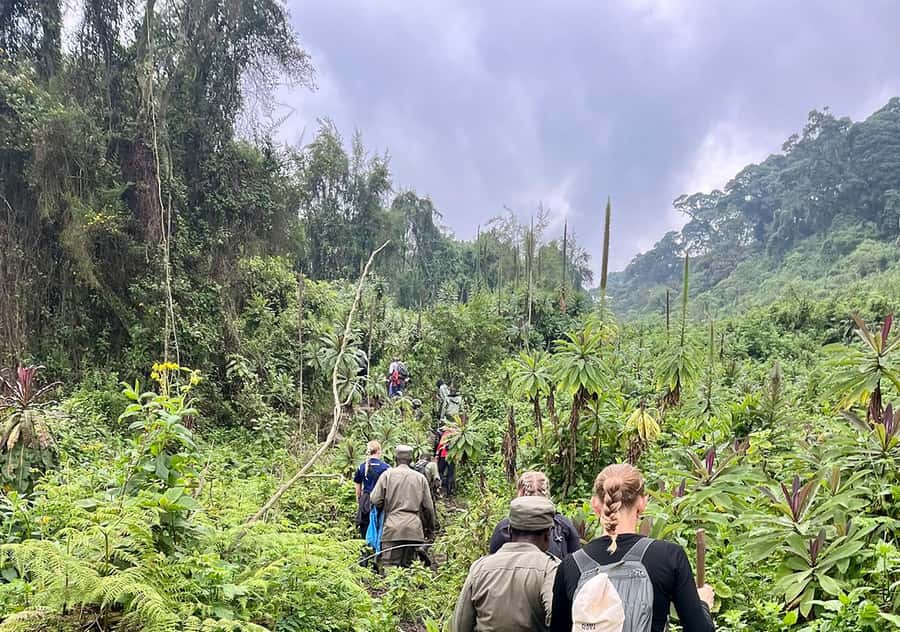
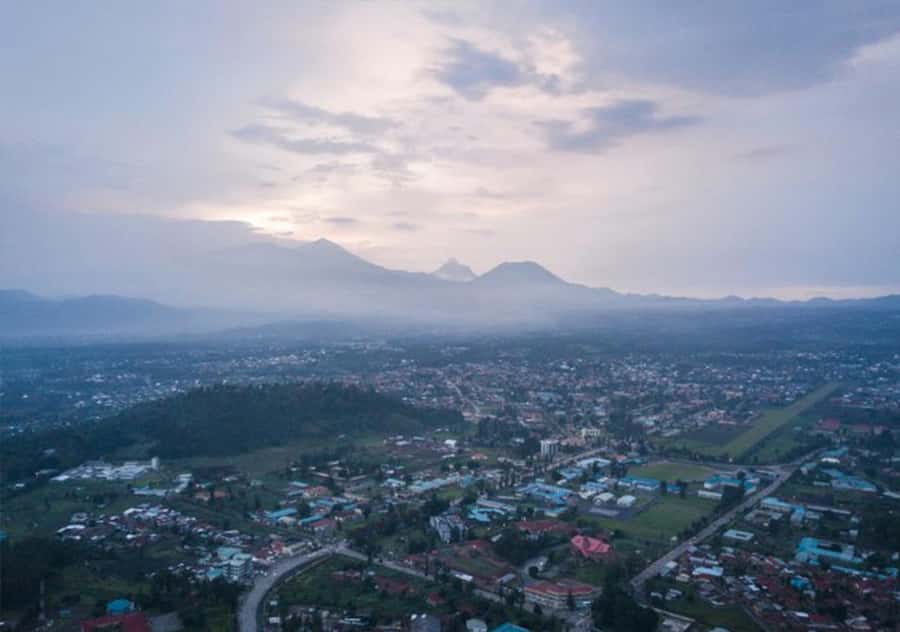
The Bisoke hike starts with a short walk through villages and farmland. It’s a quick human introduction before the trail turns more wild. Then you transition into dense forest within Volcanoes National Park, and the vibe shifts to birds, greenery, and the feeling of being deeper in the park than a simple viewing stop.
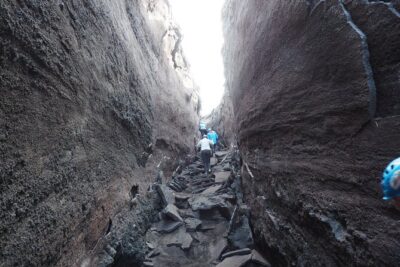
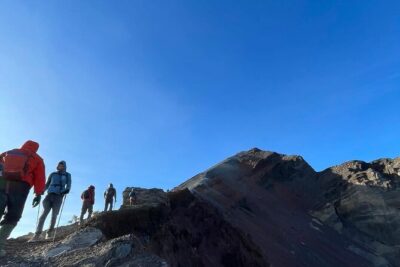
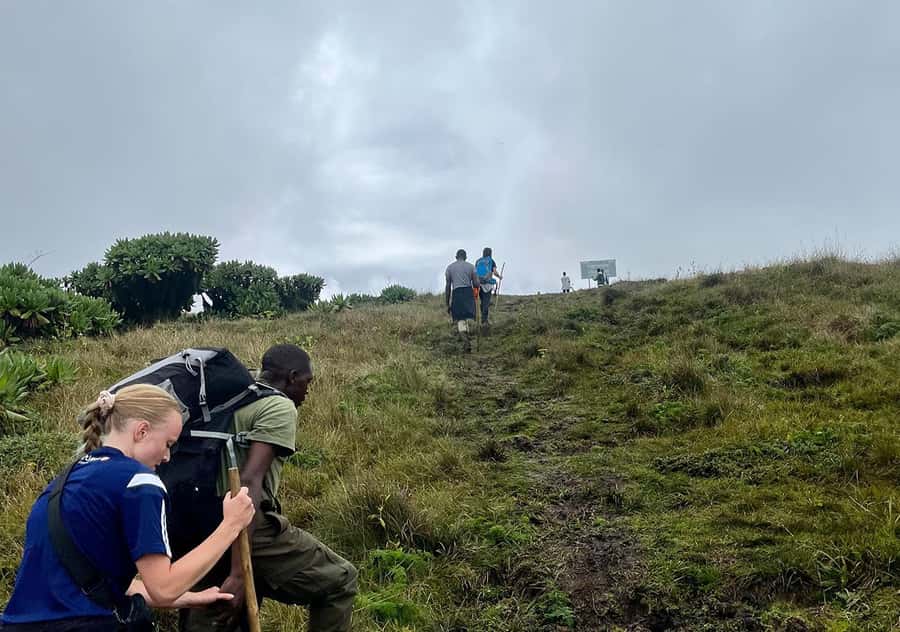
The hike is mostly uphill. You’ll likely feel it by the time you’re through the early section—especially if it has rained. One important practical point: the trail can be muddy and slippery, and you’ll need to watch your footing constantly. This isn’t a trail where you can relax into a phone-scroll pace.
Porters can be available if you opt for one. The point isn’t just luxury. It’s energy management. Carrying a heavy daypack on uneven ground at altitude can turn a challenging hike into a grim hike. With a porter, many people feel freer to keep a steady rhythm.
As you move forward, you may spot wildlife. Golden monkeys are a real possibility, and on rare occasions gorillas can happen too—but gorilla encounters require following ranger rules. Photography in gorilla situations requires the valid permit, so plan to focus on the moment, not the camera settings.
After roughly 2 hours, the hike enters the volcanic terrain. This is where the environment starts to look different from the earlier forest. You’ll see unique vegetation like giant heather, which gives the trail an unmistakable “volcano country” identity.
Wildlife odds in gorilla country (and how to handle them)
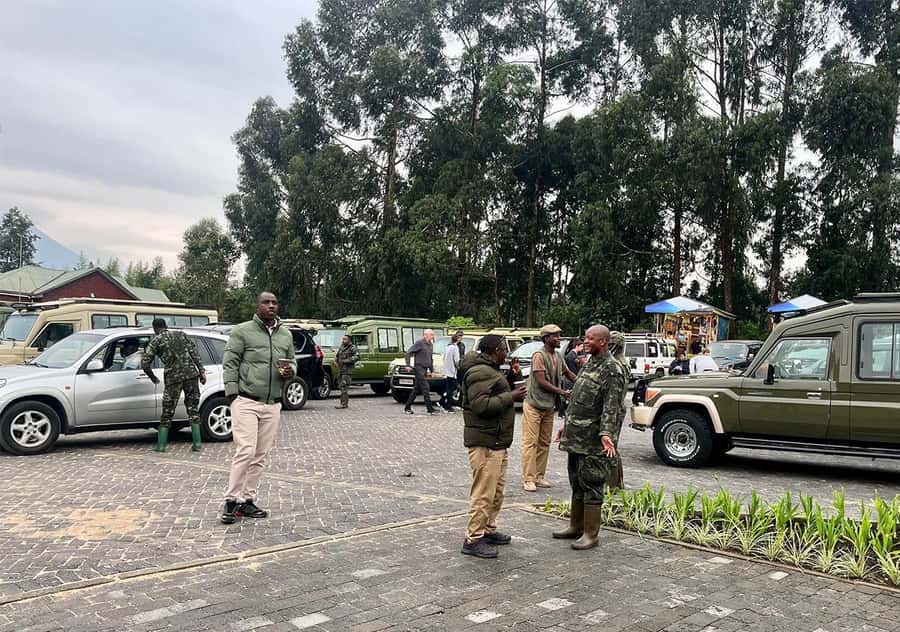
Volcanoes National Park is known for gorillas, and Bisoke sits in that same protected region. That means your hike isn’t just about views—it’s also about being in the right place for wildlife.
Here’s how to think about it realistically:
- Golden monkeys: you have a decent chance to see them along the route.
- Gorillas: possible but rare. If you do encounter them, ranger instructions rule everything.
- Photos: if gorillas are encountered, photography is not permitted unless you have the correct valid permit.
Your best strategy is simple: move quietly when the guide tells you to, and stay attentive. Many wildlife moments are short. If you’re looking at your feet the whole time, you might miss the monkey moment. If you’re staring at trees while stepping into mud, you might regret it. The sweet spot is “look up every few minutes, then get back to your footing.”
Also, don’t treat wildlife as the main guarantee. Treat it as the bonus. The real constant here is the steady climb and the crater-lake reward.
The summit and the crater lake: where the day turns peaceful
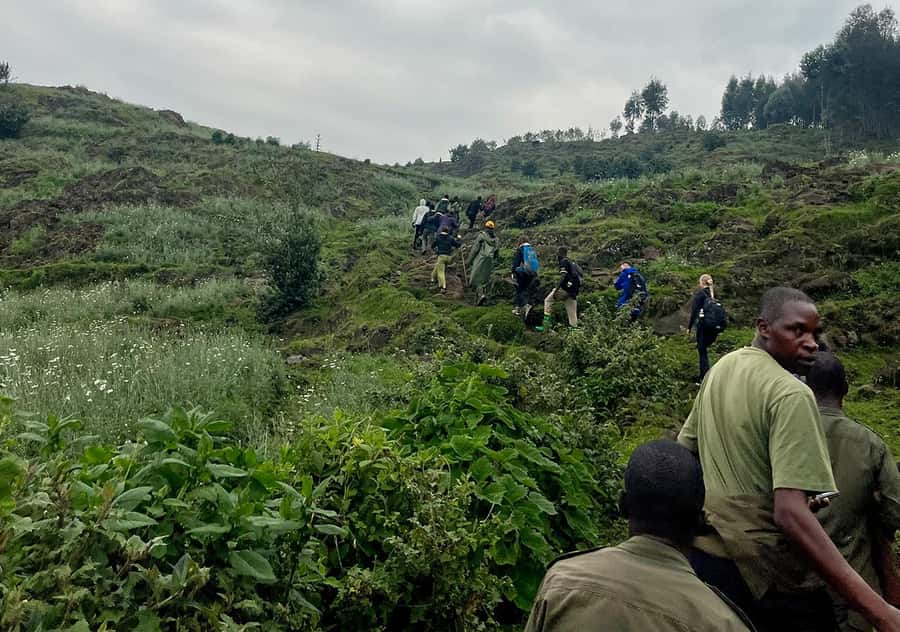
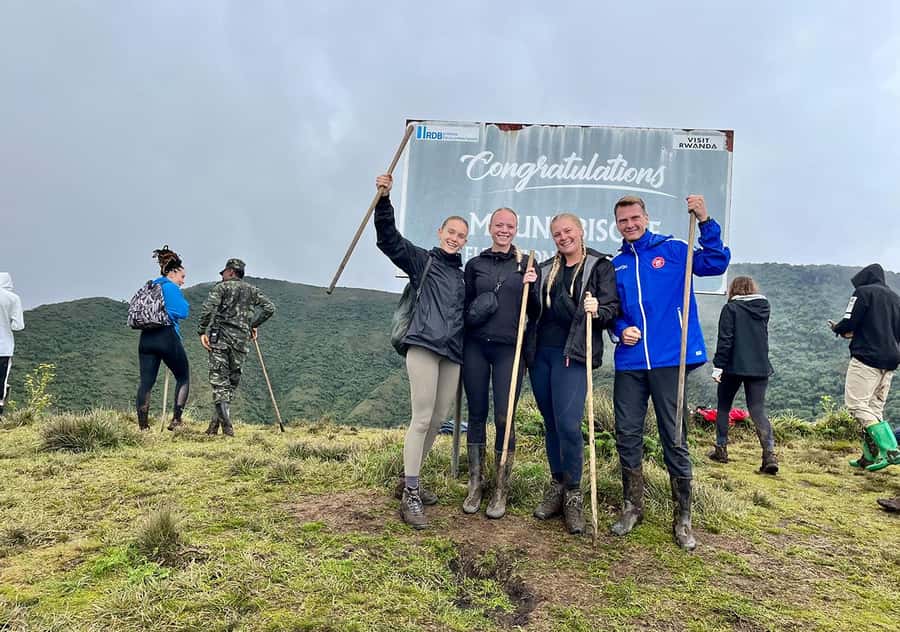
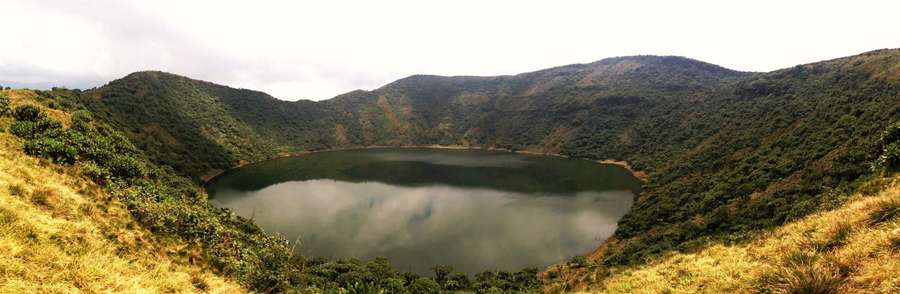
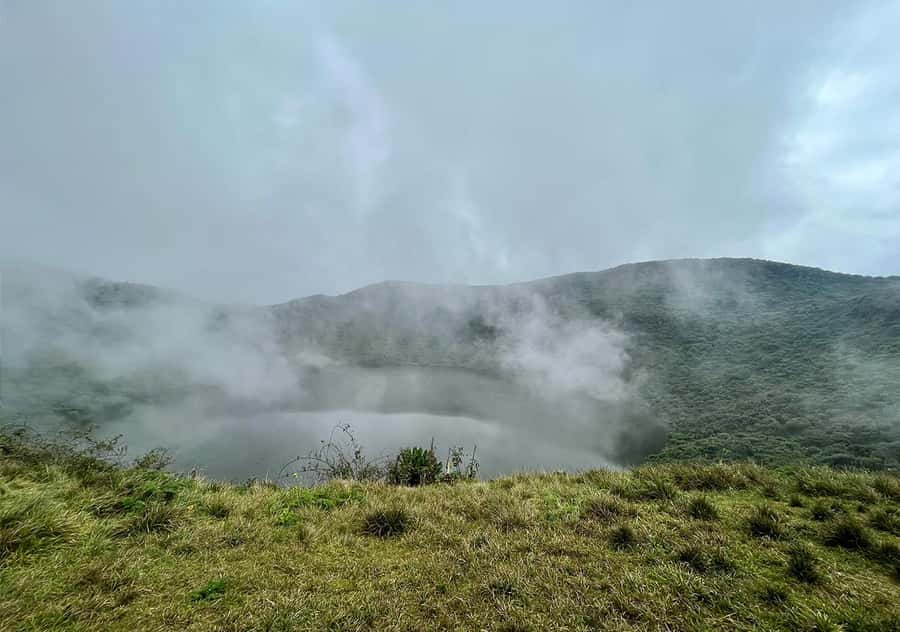
About 4 hours into the hike, you should reach the summit area. This is the payoff point: Bisoke crater lake.
The view is the headline, but the feeling is what stays with you. The crater lake sits inside a volcanic bowl, and the broader scene includes surrounding volcano views and the twin lakes below (as seen from the summit area). Even if you’ve seen lots of lakes in your life, this one has a “how is this real?” quality because it’s tied directly to the volcano’s shape.
You’ll have time to settle in. There’s also a picnic lunch, which is a gift on a day like this. Instead of eating quickly on the go, you can slow down, refuel, and take in the remote quiet. This break can be the difference between a descent that feels controlled and a descent that feels rushed.
If weather is clear, the summit views can be dramatic. If it’s cloudy or rainy, don’t assume it’s ruined. Mist can soften the world, and the crater lake still anchors the experience. Just remember that rain adds slipperiness to the trail on the way down.
Descent, timing, and the ride back to Kigali
At 2:00 PM, you begin the descent. The downhill typically takes around 2 hours, though it depends on pace and how often you stop. If the ground is wet, you’ll move slower—not because you’re failing, but because smart movement protects your knees and ankles.
This is also where your earlier choices show up. If you conserved energy in the first half, the descent feels more manageable. If you pushed too hard early, the downhill can feel like a leg workout plus a balance test.
By about 4:00 PM, you return to the starting point and meet your driver for the return trip to Kigali. Then you’re back in the city with sore legs and a mind full of volcanic scenery and that crater-lake moment you earned.
One more practical note: bring your focus back during the final stretch. The descent is often where people get careless because they’re almost done. Stay steady, keep your eyes on the ground, and let the day end on your terms.
Cost and value: is $260 worth it for a Bisoke summit day?
The listed price is $260 per person, with lunch, bottled water, transportation in a 4×4 vehicle, and a professional guide included. Taxes and pickup/drop-off service from Kigali are also part of the package. You’re basically paying for a whole-day logistics chain: a long drive, park access, a guide, and the time built into a summit schedule.
However, there’s one major add-on: the $75 Bisoke hike permit fee is not included. So, your realistic base total becomes $335 before any optional porter costs.
Porters are not required unless you opt for them. If you’re carrying a small daypack and you’re used to hiking, you can probably handle it. If you’re worried about footing, endurance, or altitude fatigue, a porter can be a smart way to make the trek safer and more enjoyable.
When I think about value here, I don’t just look at the number. I look at what the day includes: long-distance transfer from Kigali, guide support throughout, a planned summit-and-lunch schedule, and the chance for wildlife in a high-interest national park. For many people, the permit add-on is normal for Rwanda’s protected sites, and the full service package is the part that prevents the day from turning chaotic.
What to pack (and how to avoid the common mistakes)
The hike is not listed as suitable for people with low fitness, and that’s fair. It’s not just about speed; it’s about managing uphill effort, altitude, and slippery sections.
Here’s what will make a noticeable difference:
- Wear comfortable hiking shoes with good traction. If it’s wet, traction is the difference between confident steps and constant tension.
- Bring your passport or ID card. Rangers and permits may require it.
- Pack for a long day: you’ll be out for about 12 hours, and the weather at altitude can feel different from Kigali.
If rain hits, plan for mud reality. Even if you’re not hiking in heavy storms, damp conditions can make rocks slick and dirt turn into a slip-and-slide.
Also, if you’re hoping for a gorilla moment, remember the photo rules. The main thing is to follow your guide and ranger instructions instantly. That keeps both you and the animals safe.
Who should book this Bisoke summit trek (and who should skip)
This is best for:
- People who can handle a medium-difficult hike with a lot of uphill walking.
- Nature lovers who want more than a short trail—this is a full workday in the park.
- Hikers who like the mix of forest, volcanic terrain, and a summit reward.
It may not be the right fit if you:
- Have low fitness or limited hiking experience.
- Struggle with balance on uneven, muddy trails.
- Prefer a relaxed walk with minimal elevation change.
The good news is that the day is guided and structured. You’re not hiking alone, and you have support if conditions get tough. If you can meet the basics of fitness and footwear, you’re set up for a memorable summit day.
Should you book this Bisoke summit day?
Yes, if you want one of Rwanda’s most satisfying hikes: a real volcano summit, a crater lake as the highlight, and wildlife chances in gorilla country. The private-group setup, early start, professional guide, and included picnic lunch help the day feel organized instead of improvised.
If you’re unsure, be honest about two things: your fitness for a mostly uphill trail, and your comfort walking carefully on muddy ground. If those are both strong, book it. If either is weak, you may enjoy Rwanda more with an easier day trip.
FAQ
What time does the tour start and when do I return to Kigali?
Pickup is at 4:30 AM from your Kigali accommodation. You’ll return to Kigali around 4:00 PM.
How long is the hike, and is it suitable for low-fitness visitors?
The hike itself is about 6 hours, with a summit reached after around 4 hours and a descent of about 2 hours. It’s not suitable for people with low levels of fitness.
Is the Bisoke hike permit included in the price?
No. The $75 Bisoke hike permit fee is not included in the $260 price.
What’s included in the $260 per person price?
Included are pickup and drop-off, transportation in a 4×4 car, lunch, professional guide, bottled water, and all taxes.
What wildlife might I see, and are gorilla photos allowed?
You may see golden monkeys. Gorillas are possible but rare. Photography in gorilla situations requires a valid permit.
What is the cancellation policy?
You can cancel up to 24 hours in advance for a full refund.
If you tell me your hiking experience level and whether you’re traveling in rainy season, I can help you judge how to pace the day and what footwear choices make the biggest difference.