REVIEW · POKHARA
Annapurna: Mardi Himal Base Camp Trek
Book on Viator →Operated by Couch Adventure Nepal (CAN) · Bookable on Viator
Mardi Himal feels built for people who like quiet trails. In Pokhara, you’ll start easy enough, then work your way toward a summit-to-base-camp feeling, reaching 4500 meters and huge mountain views without the heavy crowds.
I especially love the way the trek is paced day-to-day, with walking ranges that stay manageable for most moderate fitness folks. I also like that the package handles the hard parts: permits (including TIMS), an English-speaking guide, and transport to the trailhead.
One thing to consider: this is still real altitude. You’ll be moving 4–6 hours on trek days, so if you’re sensitive to height or you dislike early mornings, you’ll want to plan carefully.
In This Review
- Quick highlights you’ll care about
- From Lakeside Pokhara to Kande and Aussie Camp
- Pothana to Mardi Himal: forests, villages, and locals you can actually meet
- Low Camp day: the first serious altitude step up
- High Camp day: big viewpoints and a tighter morning rhythm
- Mardi Himal Base Camp at 4500m: the payoff day
- The descent back through forests: where your legs will negotiate
- Forest Camp to Siding and back to Pokhara: the easy ending
- English guide and guesthouse stays: why this package feels like a good deal
- What’s not included (and what to plan for)
- Who this trek suits best (and who should rethink)
- Price and logistics: the real decision checklist
- Final call: should you book Mardi Himal Base Camp?
- FAQ
- How long is the Annapurna: Mardi Himal Base Camp Trek?
- Where does the trek start in Nepal?
- What altitude do you reach during the trek?
- What’s included in the price?
- Are meals included?
- What kind of fitness level do I need?
- Is there a separate rescue cost included?
- What is the cancellation policy?
- What if the minimum traveler requirement isn’t met?
Quick highlights you’ll care about
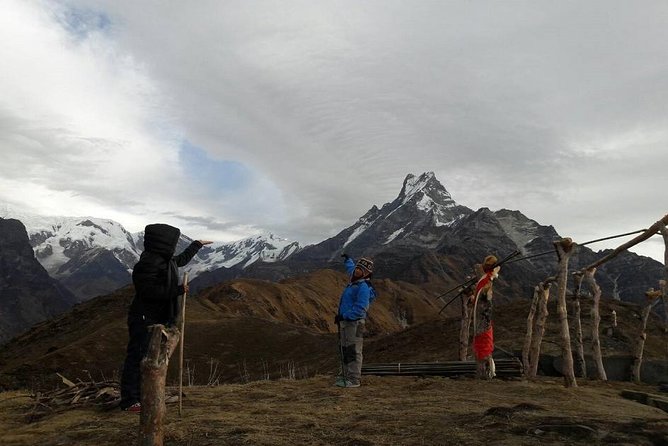
- Less-crowded trail vibe on the Mardi Himal route, so the views feel more personal
- Real mountain payoff at 4500m, plus strong viewpoints from High Camp
- Guide support that matters, and the English guidance gets praised (including guide Bisham)
- Transport included: Pokhara hotel pickup, drive to Kande, and a jeep down from Siding
- Guesthouse overnights on trek nights, so you’re not carrying everything yourself
From Lakeside Pokhara to Kande and Aussie Camp
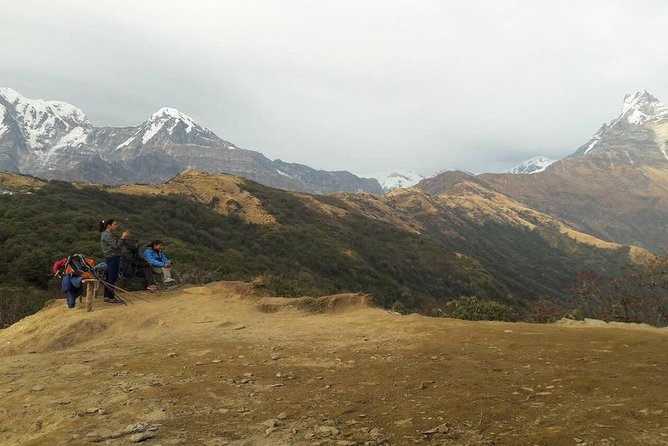
Your day starts in Lakeside Pokhara, with hotel pickup around 8:15am. From there, you’ll drive to Kande (about an hour), and your trek begins with an uphill push toward Australian Camp at 2000m.
This first climb is a good “warm-up test.” You’re not thrown straight into the deep end, but you do get your legs moving and your body wakes up to the rhythm of the mountains.
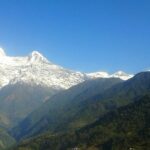
From Australian Camp, you’ll get early views of the Annapurna range. It’s one of those moments that makes the first hours feel worth it, even if you still feel fresh enough to chat the entire way.
Then comes the softer work: descending to Pothana (1700m) for your overnight. Descents are often easier on the lungs and harder on the knees, so take short steps and keep your balance when the trail turns rocky.
You can also read our reviews of more tours and experiences in Pokhara.
Pothana to Mardi Himal: forests, villages, and locals you can actually meet
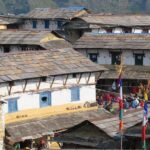
Day two keeps things grounded. You’ll head out around 8am, trekking through forest sections and village paths, with time for interaction along the way.
This is where you’ll get the “Nepal trek” feeling: not just scenery, but human scale. Village trails tend to slow you down naturally, and that’s helpful if you’re trying to keep your breathing steady as the days stack up.
The day ends after roughly 5 hours of walking, with the goal landing you near Mardi Himal for the night. That length is a sweet spot: long enough to feel like you did something meaningful, not so long that you’re dragging at the end.
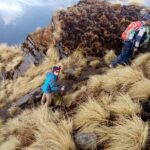
A practical note: forest and village days can mean changing trail surfaces. Pack footwear you trust, and don’t count on every step being smooth.
Low Camp day: the first serious altitude step up
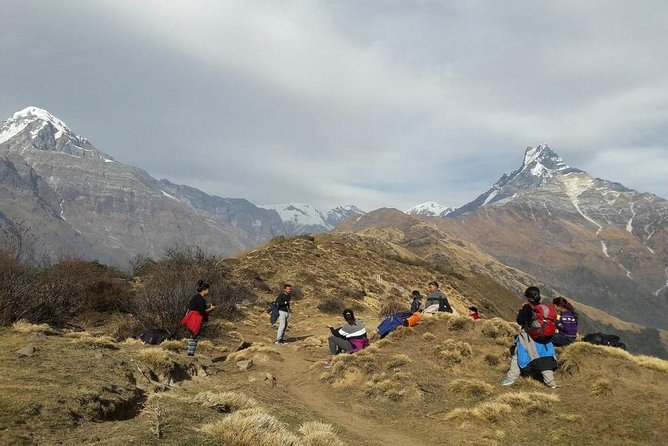
By day three, the trek turns more altitude-focused. You’ll be ascending all the way up to Low Camp over about 4 hours.
This is a shorter walking day, but don’t let that fool you. When the air gets thinner, even “only” four hours can feel like a bigger deal. Think of it as a controlled ascent day, the kind that sets up how you’ll handle the higher camps later.
You’ll be trading some comfort for altitude. You may feel it in your breathing, and you might notice you stop a little more often. That’s normal. The best move is to keep your pace even and avoid sprinting uphill just because you feel good.
This is also the day where you start to see how the route geometry works: you gain enough height to notice changes in the mountain views, but you’re still close enough to retreat emotionally if you’re not feeling great.
High Camp day: big viewpoints and a tighter morning rhythm
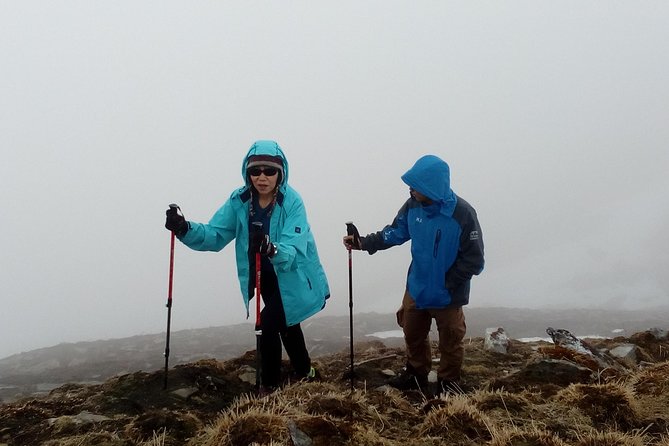
Day four continues the climb, reaching High Camp. Again, expect about 4 hours of trekking, starting around 8am.
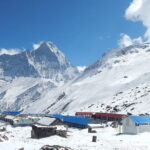
From High Camp, the value is in the views: you’ll get more of the mountain picture, with angles that feel wider and more dramatic than the earlier viewpoints. This is a good day for patience. If you rush uphill, you’ll arrive winded and miss the calm sightseeing time.
Since this trek is about 7 days total, every day is part of a system. High Camp is essentially a checkpoint: not the final 4500m goal yet, but close enough that you’ll feel the “we’re in the thick of it” vibe.
Keep the day structured in your head: walk steadily, rest when you need to, then enjoy the view long enough to actually absorb it.
Mardi Himal Base Camp at 4500m: the payoff day
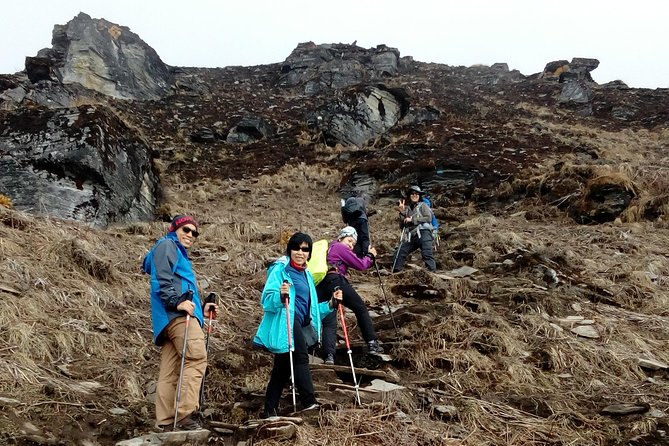
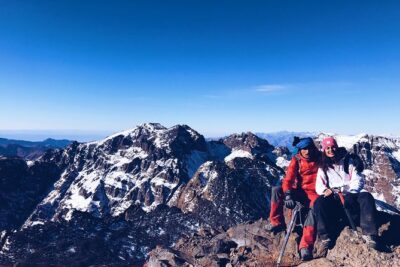
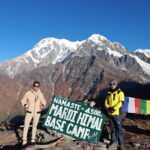
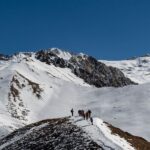
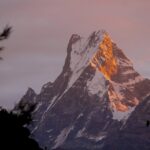
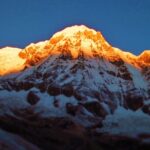
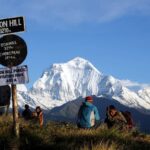
Day five is your destination day. You’ll trek early morning to reach Mardi Himal Base Camp at 4500 meters, then spend time at the top before returning to High Camp for the overnight.
This is the heavy hitter of the entire experience. Even without fancy descriptions, 4500m has a way of making the moment feel bigger than a photo can show. Plan for slower movement and allow yourself time to settle when you arrive.
Your base-camp time matters. Don’t rush through it, because the whole point is to let the views land. Afterward, you’ll retrace down to High Camp, where you’ll likely feel grateful for the rest and the familiar surroundings.
The trekking day totals about 6 hours. That means you’ll be out long enough to feel like you earned it, but you still get the comfort of returning for the night instead of pushing all the way down.
The descent back through forests: where your legs will negotiate
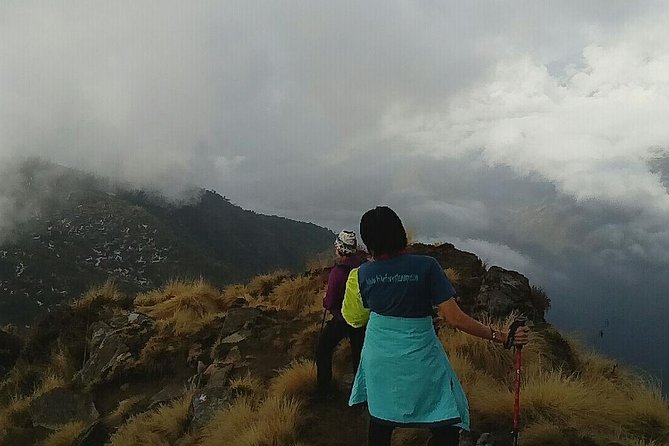
Day six is the return leg, trekking back down to Forest Camp. Expect about 5 hours of walking.
Descent days often feel better mentally because the altitude pressure eases, but your body might protest in other ways—especially knees, ankles, and calves. Use a steady pace and take advantage of any flat stretches to reset your stride.
This is also the day where you’ll notice your appreciation level changes. Earlier days can feel like “just getting there.” On the way down, you can appreciate how each camp connects visually to the next.
You’ll sleep in a guesthouse-style stop, getting ready for the final day’s journey back to Pokhara.
Forest Camp to Siding and back to Pokhara: the easy ending
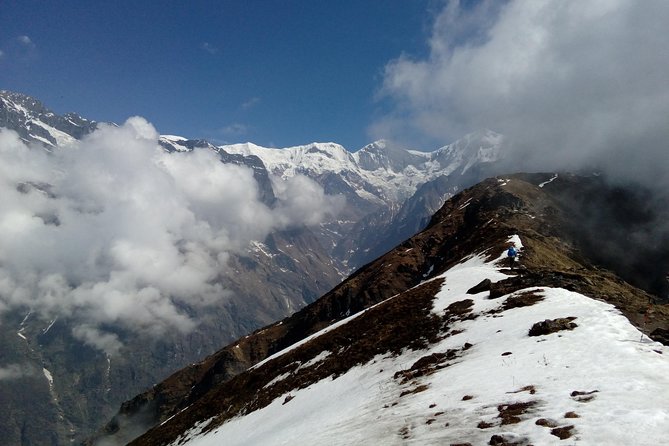
Day seven is about exit logistics. You’ll trek toward Siding, then take a sharing local jeep to Milan Chowk, and finally return to Pokhara where you’ll be dropped back at your hotel.
This is a smart finish. It keeps your last day from turning into another long uphill grind. With about 6 hours total, the day is active but not punishing.
The jeep ride is also part of the experience. It breaks the trek rhythm and gives you a moment to shift from mountain mode back to city mode.
English guide and guesthouse stays: why this package feels like a good deal
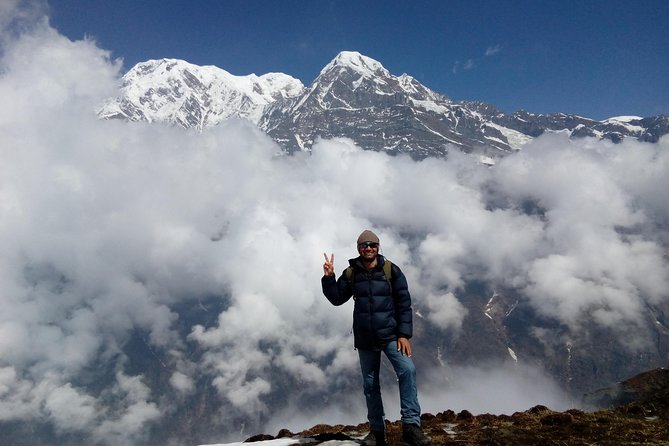
This trek isn’t just a trail—it’s also the support system that lets you focus on the mountains.
Here’s what you get that actually matters:
- English-speaking trekking guide for navigation and pacing
- Accommodation in guest houses during the trek
- Private drive from Pokhara to Kande, plus sharing jeep from Siding back to Pokhara
- Trekking permits and TIMS
- Hotel pickup and drop off
- A private trip for your group
On price, you’re paying for more than “someone to walk with you.” You’re paying for permits, transport structure, and a guide who can keep the trek on track. At $359.90 per person for a roughly 7-day plan, it’s the kind of value that makes sense if meals are easy for you to handle on your own.
One name you’ll hear tied to strong service: guide Bisham. The feedback around his guidance and helpful, friendly attitude is the kind of thing you feel on a trek—when someone can explain what’s coming next and help you move at the right speed.
What’s not included (and what to plan for)
Meals and drinks are not included. You’ll be buying food along the way. That’s common on this kind of trek, but it does mean you should budget for daily meals and small extras.
Also, rescue costs in an emergency aren’t included. That doesn’t mean you should panic. It just means you should think about travel insurance before you go, like a responsible adult with good shoes.
Who this trek suits best (and who should rethink)
I think this trek fits best if you want:
- Moderate physical fitness and a willingness to walk 4–6 hours most trekking days
- A route with beautiful scenery that stays less crowded than more famous options
- A guided setup that takes care of permits and transport so you aren’t solving logistics in the middle of nowhere
It may be a tougher fit if:
- You dislike early mornings
- You’re very height-sensitive
- You want a fully “easy” vacation pace
The upside is that the itinerary has structure. It moves you upward in stages: Aussie Camp, Pothana, then Low Camp, High Camp, and finally the 4500m base-camp goal. That step-by-step approach helps most people manage altitude better than a single big jump.
Price and logistics: the real decision checklist
Before you book, check these four things against your travel style:
- Are you good with walking days of 4–6 hours? If not, this won’t feel relaxing.
- Are you okay buying meals and drinks along the way?
- Do you value permits/TIMS and guide support enough to pay for a packaged structure?
- Do you want a private group rather than sharing the experience with strangers?
If you answered yes to most, the $359.90 cost is easier to justify. You’re not only paying for trail time—you’re paying for a working trek plan.
If you answered no to several, you might still love the region, but you may want a different itinerary style.
Final call: should you book Mardi Himal Base Camp?
I’d recommend booking if you want a meaningful trek out of Pokhara that’s built around steady ascents, strong viewpoints, and a guide team that treats the experience like something you should enjoy—not just survive.
The biggest reason to say yes is the altitude payoff: 4500m at Mardi Himal Base Camp, reached after a route that’s paced through Low Camp and High Camp. Add in guesthouse comfort, English guidance, and included permits, and you get a trek that feels well organized without turning into a factory tour.
If you’re chasing a totally effortless walk or you hate altitude pressure, this might feel like too much. But if you’re aiming for real mountain time with a human touch—this is a solid choice.
FAQ
How long is the Annapurna: Mardi Himal Base Camp Trek?
The trek is listed as 7 days (approx.), with activities each day from the pickup in Pokhara through the return by jeep and drop-off.
Where does the trek start in Nepal?
It starts in Pokhara, with hotel pickup from the Lakeside area and a drive to Kande, where the trek begins.
What altitude do you reach during the trek?
The highest point mentioned is Mardi Himal Base Camp at 4500 meters.
What’s included in the price?
Included items are an English-speaking trekking guide, guesthouse accommodation during the trek, private drive from Pokhara to Kande, sharing local jeep from Siding to Pokhara, trekking permits and TIMS, hotel pickup and drop off, and a private trip.
Are meals included?
No. All meals and drinks are not included and are available for purchase.
What kind of fitness level do I need?
You should have moderate physical fitness. The days include trekking sessions of about 4 to 6 hours on multiple days.
Is there a separate rescue cost included?
No. Rescue cost in case of emergency is not included.
What is the cancellation policy?
There is free cancellation. You can cancel up to 24 hours in advance for a full refund.
What if the minimum traveler requirement isn’t met?
If the experience is canceled because the minimum number of travelers isn’t met, you’ll be offered a different date/experience or a full refund.