REVIEW · POKHARA
Ghorepani Poonhill Trek from Pokhara – 4 Days
Book on Viator →Operated by Trekking Guide Team Adventure · Bookable on Viator
Four days. Big mountain payoffs. This Ghorepani Poonhill trek is made for short Nepal trips, with Poonhill sunrise views and real village stops like Ulleri (Magar community) before you head back toward Pokhara. The tradeoff is a tight schedule that asks for moderate fitness and some early-morning hiking.
I like that the logistics are mostly taken care of: you get private transport to the trek start near Nayapul, an English-speaking guide, and a porter for 2 trekkers so you are not carrying everything yourself. Based on the overall track record, the trip also comes with strong service signals, including a 4.9 rating and 100% recommendation, and team members such as organiser Kabi and guides like Shambu and Jit are regularly praised for staying organized and keeping you informed. Still, you’ll want to remember that this is a trek, not a resort shuttle, so your comfort will depend on what you pack and how you pace your steps.
In This Review
- Key highlights worth planning around
- The Ghorepani Poonhill Trek Works for Short Timelines
- How the Route Actually Moves: Day by Day in Plain Terms
- Day 1: Ulleri village and your first cultural stop
- Day 2: Woods, grazing, and cultivated fields
- Day 3: Sunrise views, then Ghandruk
- Day 4: Down to Nayapul and back to Pokhara
- Ulleri on Day 1: Magar Village Life Without the Grind
- Day 2 Through Oak and Rhododendron Woods
- Poonhill Sunrise and Ghandruk Day 3: The Big Payoff, Then the Real Rest
- Day 4 to Nayapul: The Finish That Still Shows You Nepal
- Price and Value: What $450 Really Covers
- The Team Factor: Guides and Porters You’ll Notice
- Packing and Pace Tips for a 4-Day Trek
- Weather, Sunrise Visibility, and Choosing the Right Expectations
- Should You Book This Ghorepani Poonhill Trek From Pokhara?
- FAQ
- What is the duration of the Ghorepani Poonhill Trek from Pokhara?
- Where does the trek start and end?
- Can I start the trek from Pokhara or Kathmandu?
- Are meals included in the price?
- Do I get a guide and porter?
- Are permits included?
- What is not included in the package?
- What fitness level do I need?
- What is the cancellation policy?
Key highlights worth planning around
- Poonhill sunrise with views of Annapurna, Dhaulagiri, and Machhapuchhre
- Ulleri village culture with the Magar community as your first taste of local life
- Oak and rhododendron woods on Day 2 for a quieter, shaded walking feel
- Ghandruk village as a memorable cultural payoff after the big sunrise morning
- Permits handled in advance, including the Annapurna Conservation Permit and TIMS
- Private group format with a guide and porter setup designed for small-team trekking
The Ghorepani Poonhill Trek Works for Short Timelines
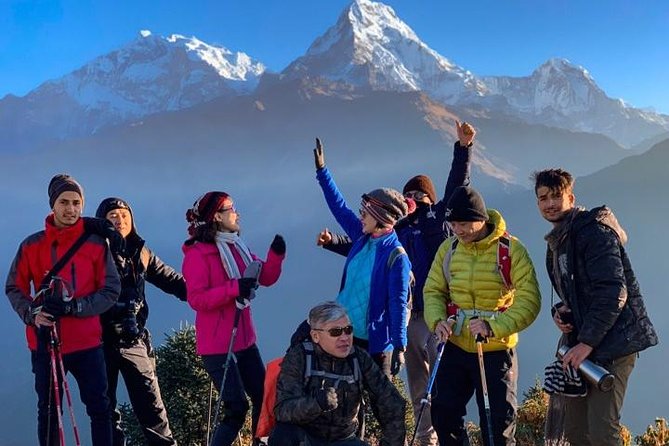
This is one of those Nepal treks that fits people who cannot spare a full week. You get the famous sunrise payoff, plus village days that feel like you’re moving through real communities instead of just passing through scenery. If you’re visiting Nepal on a tighter schedule, you’ll likely appreciate that the route is compact and the walking days are structured rather than loose.
You also have flexibility in where you start. The experience can begin from Pokhara or Kathmandu, and the trek portion itself uses private transport to get you to the trailhead at Nayapul and then brings you back to Pokhara at the end. The result is a trek that feels built for people who want to spend more time walking and looking up at mountains.
One more practical note: it’s listed for people with moderate physical fitness. That usually means you’ll want to prepare for uneven ground, some uphill effort, and early starts—without expecting it to be flat, slow, or forgiving.
You can also read our reviews of more tours and experiences in Pokhara.
How the Route Actually Moves: Day by Day in Plain Terms
Here’s how the pacing lands across the 4 days, and what each day tends to “feel” like.
Day 1: Ulleri village and your first cultural stop
You start with Ulleri, a village tied to the Magar community. The walking day is not just about legs; it’s also your first immersion into how villages in this region are laid out and how people live around the trekking routes. Even if you’re tired from travel, this day has a natural rhythm: walk, look around, then settle into village accommodation.
What I like for value: you start with a place that already gives you something meaningful before you even reach the famous viewpoints.
Day 2: Woods, grazing, and cultivated fields
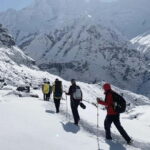
Day 2 is built around walking through grazing landscapes and cultivated areas, then into oak and rhododendron woods. This kind of route shift matters. It breaks up the trek so you’re not only thinking about altitude and distance. The woods also tend to make the day feel more manageable when the light changes.
If you enjoy nature walks as much as panoramic moments, this day is a strong middle chapter.
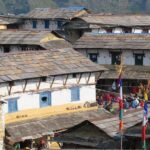
Day 3: Sunrise views, then Ghandruk
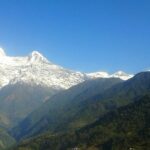
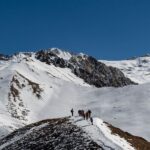
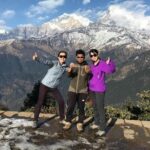
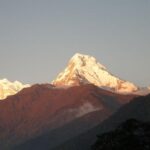
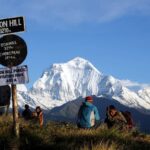
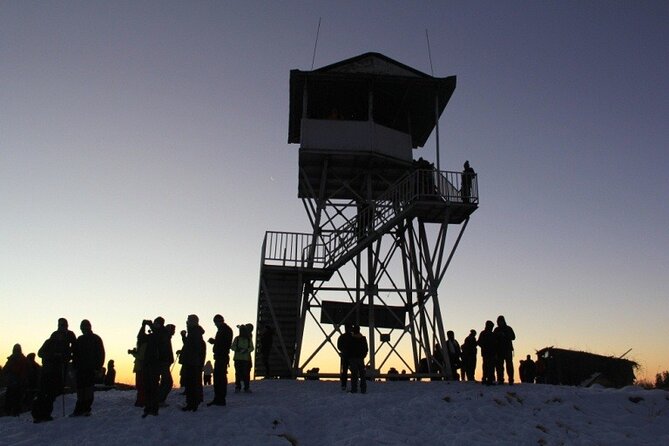
Day 3 is the big day for views. You’ll see sunrise from the Poonhill area, with Annapurna & Dhaulagiri in view, along with Machhapuchhre. After that morning payoff, you trek to the village of Ghandruk, which gives you a deeper cultural and social stop.
The order here is smart: you earn the sunrise, then you still get an actual place to rest your body and reset your energy.
Day 4: Down to Nayapul and back to Pokhara
On the final day, you trek down to Nayapul and drive back to Pokhara. This day often feels like a finish-line mix of relief and appreciation: your legs work, but you’re moving toward the end point. The drive back helps you transition out of trekking mode with scenic views along the way.
If you prefer knowing the endpoint is genuinely close, this structure helps.
Ulleri on Day 1: Magar Village Life Without the Grind
Ulleri is a classic way to begin this kind of trek because it brings you into village life early. You’re walking through a Magar community area, so the stop isn’t just a dot on a map—it’s the first moment you can notice local architecture, daily routines, and the social texture of the trail towns.
This is also a good day to set your own pace. Since the trek is short overall, you’ll feel better on later days if you don’t turn Day 1 into a “race.” Ulleri is close enough to get that initial walking done while still feeling fresh.
A small practical detail: the itinerary lists admission ticket free for this stop, which usually means your experience begins without an extra paid gate at the village.
Day 2 Through Oak and Rhododendron Woods
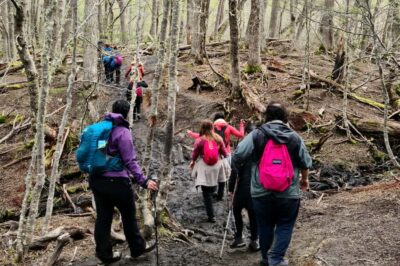
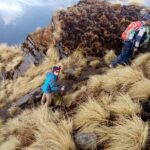
Day 2 is where the trek starts feeling like a proper hike through varied terrain. You’ll pass grazing areas and cultivated fields, then move into oak and rhododendron woods. That mix matters because it gives your eyes something different throughout the day.
The woods also tend to change how you experience the temperature and light. If you’re sensitive to heat in the daytime or want a calmer feeling walking environment, this is the day you’re likely to enjoy most.
The main “consideration” with Day 2 is simple: it’s not just scenic. It’s still hiking. So it’s worth starting the day fueled and keeping your water discipline steady, especially if you’re walking in cooler or mixed light under tree cover.
Poonhill Sunrise and Ghandruk Day 3: The Big Payoff, Then the Real Rest
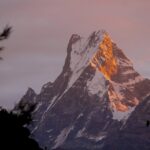
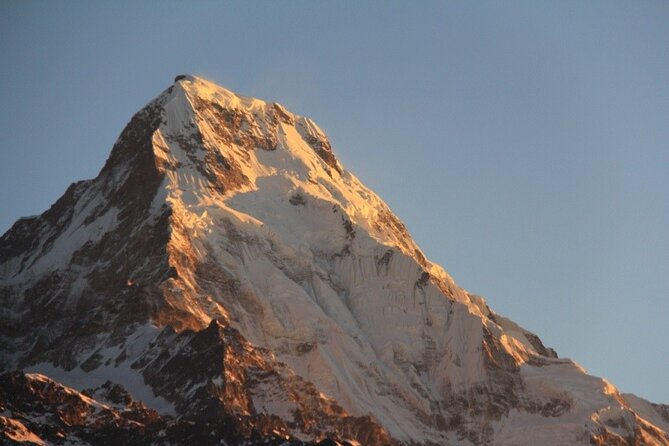
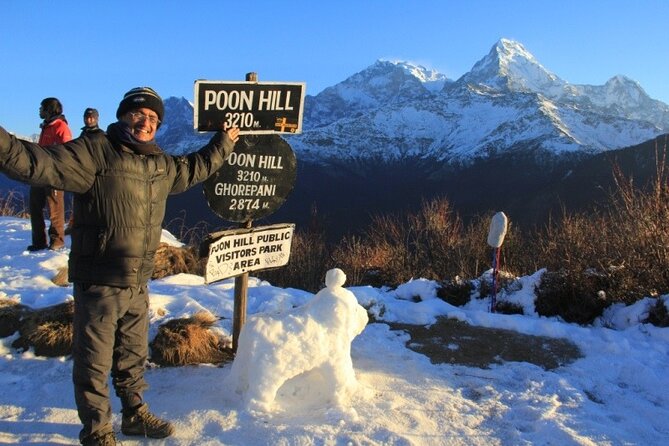
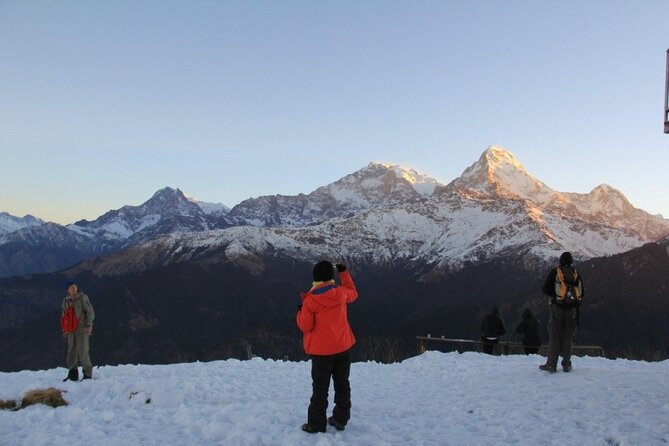
Day 3 is the reason many people choose this trek. You’ll see sunrise views of Annapurna & Dhaulagiri and Machhapuchhre. For first-timers, this can feel almost unreal: those peaks are the kind of view that makes you understand why people come back to the Himalaya again and again.
Then comes the second half, which I’m glad the itinerary includes: trekking to Ghandruk. Ghandruk isn’t just a checkpoint. It’s a village stop that lets you shift from “photo and awe” into “people and place.” If you love your travel to have a human scale, you’ll likely appreciate this.
A useful takeaway from the experience team’s reputation: guides such as Shambu have been praised for being supportive and engaged, and people often comment on safety and being well informed. For sunrise treks, that kind of guidance is not fluff. It helps you plan timing, manage the cold-start feeling, and get where you need to be.
Day 4 to Nayapul: The Finish That Still Shows You Nepal
Day 4 is straightforward: you trek down to Nayapul, then drive back to Pokhara. This day is often a relief because the end is clear. You’ll still be walking, but it’s a “close out” day rather than a fresh challenge day.
What you gain here is transition. You can go from thin-air morning focus to a slower, more comfortable end-of-trip reality. And because the drive includes scenic natural views, you still get that Nepal sense of space and variation without adding another full hiking day.
If you’re the type who likes a defined conclusion, this day structure is a good match.
Price and Value: What $450 Really Covers
The price is listed at $450.00 per person for an approximately 4-day trek. That number can look straightforward until you compare it to what is actually included.
Here’s what you’re getting that reduces your hassle cost:
- Daily meals: breakfast, lunch, and dinner for the trek portion (listed for your 3N/4D trip)
- Accommodation during the trek
- An English-speaking trekking guide plus a porter (1 porter for 2 tourists)
- Annapurna Conservation Permit and TIMS
- Private transport to the trekking start point at Nayapul and transport back to Pokhara
That matters because permits and TIMS are not optional in real Nepal trekking. And meals plus lodging remove the day-to-day logistical problem of finding and managing food and beds. The guide/porter setup also changes the experience. You still hike, but you’re less likely to feel crushed by carrying everything.
What’s not included (and you should plan for it):
- Accommodation in Pokhara or Kathmandu before/after the trek
- Personal trekking gear and personal insurance
- Tips for guide and porter (left to your interest)
- Drinks, and extras like sweets/deserts
- Wi-Fi, phone calls, and battery charging
- International airfare
So the value call is this: if you already have gear and are comfortable arranging your own city lodging and insurance, the $450 price looks pretty reasonable for a short trek with permits and supported logistics built in.
The Team Factor: Guides and Porters You’ll Notice
One thing that shows up again and again in the experience story around this trek is team quality. Guides named Shambu and Jit are praised for attention and keeping people safe and informed. Organiser Kabi is also highlighted for running the trip to a high standard.
There’s also a strong porter presence in the way the trek is described. Namaraj “Cargo” Adhikari is one example name tied to excellent porter support. That porter-to-trekkers ratio—1 porter for 2 tourists—makes a difference on a short trek. It tends to preserve energy so you can focus on walking and enjoying the route rather than hauling your entire life up the trail.
If you’re new to trekking, this support layer can feel like the difference between struggling and learning fast.
Packing and Pace Tips for a 4-Day Trek
The trek is labeled for moderate fitness, which means it’s manageable, but not effortless. A good rule: pack for comfort at both ends of the day—warm during active hiking, cooler at sunrise and early morning.
Your key planning inputs from the given info:
- Meals and accommodation on trek days are included, but drinks and extras are not.
- You’ll need personal trekking equipment (so check your own footwear, layers, and basics).
- Bring a mindset for early starts. Sunrise is part of the schedule, and that changes how the day feels.
Pace-wise, aim for steady effort rather than speed. With only 4 days, you don’t have much margin for overdoing it early. If you go too hard on Day 1, Day 3 (sunrise + Ghandruk) will feel tougher than it needs to.
Safety-wise, lean on the guide. The team’s reputation includes making people feel safe and informed, and on a sunrise trek that translates into better timing and fewer surprises.
Weather, Sunrise Visibility, and Choosing the Right Expectations
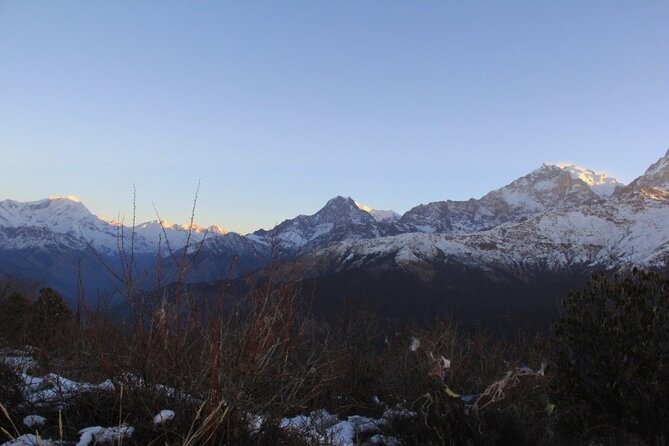
This trek lives and dies by morning visibility. Sunrise views of Annapurna, Dhaulagiri, and Machhapuchhre are the headline, but clouds and fog can spoil the view on some mornings. The good news is that the trip is structured around a sunrise moment, not a random lookout. That means your team is already planning for that early window.
If weather is clear, this is the kind of trek where the views can feel like they’re happening right above you. If the weather is not friendly, you’ll still get the hiking experience: Ulleri culture, oak and rhododendron woods, and Ghandruk as your cultural payoff.
Also, one traveler in the provided info trekked in February and reported perfect weather. That’s not a guarantee, but it is a reminder that conditions can line up nicely depending on timing.
Should You Book This Ghorepani Poonhill Trek From Pokhara?
You should book if you want:
- A short, well-structured trek that fits a limited time in Nepal
- The classic Poonhill sunrise view plus village days (Ulleri and Ghandruk)
- Permits, TIMS, guide support, and meals handled for you during the trek
- A private setup with a guide and porter ratio that reduces physical overload
You might think twice if:
- You don’t like early starts or you’re looking for an ultra-gentle acclimatization style itinerary
- You’re not ready to bring your own trekking gear and handle insurance on your own
- You want city comforts during the trek itself (the included accommodation is for the trekking days, not a hotel experience)
If you can meet the moderate fitness requirement and you’re okay with the sunrise-focused rhythm, this is an easy trek to feel confident about—especially with a team that repeatedly gets praised for organization, safety, and support.
FAQ
What is the duration of the Ghorepani Poonhill Trek from Pokhara?
It runs for 4 days approximately.
Where does the trek start and end?
The trek starts at Nayapul by private transport and ends back in Pokhara after trekking down to Nayapul.
Can I start the trek from Pokhara or Kathmandu?
Yes. The trek can be started from Pokhara or Kathmandu.
Are meals included in the price?
Yes. Daily breakfast, lunch, and dinner are included for the 3N/4D trek (as listed in the inclusions).
Do I get a guide and porter?
Yes. You get one experience English-speaking trekking guide and 1 porter for 2 tourists.
Are permits included?
Yes. The Annapurna Conservation Permit and TIMS are included.
What is not included in the package?
Not included: Kathmandu and Pokhara accommodation, personal trekking equipment, personal travel insurance, tips for guide and porter, alcoholic/non-alcoholic drinks, and extras like sweets/deserts. Wi-Fi, internet, phone calls, and battery charging are also not included.
What fitness level do I need?
The trek is recommended for travelers with moderate physical fitness.
What is the cancellation policy?
You can cancel up to 6 days in advance for a full refund. Cancel 2–6 days before for a 50% refund. Less than 2 days before means no refund.