REVIEW · SAPA
Mount Fansipan 2 Days Trek – Roof of Indochina
Book on Viator →Operated by Trekking Tour Sapa · Bookable on Viator
You climb into Vietnam’s high-mountain world. In this 2-day Mount Fansipan trek, you rise through Hoang Lien Son’s protected forests, from old pines and yellow bamboo toward dwarf bamboo near the top, with chances to spot wildlife like mountain goats and langur monkeys. The guides I’d trust most here are the kind who explain what you’re walking through, like Pao and Chu, who are praised for staying patient and sharing what’s happening around you.
I especially like the small-group feel (max 15) and the local-English guiding style that keeps the pace realistic. I also like the “process” of the hike, not just the goal: a route that builds altitude step-by-step, plus included breaks like the picnic lunch around 2,200m with cardamom plants along the way.
One consideration: even when you do everything right, weather can blur summit views, with clouds sometimes covering the best sightlines.
In This Review
- Key things I’d plan around before you go
- Mount Fansipan’s big idea: the Roof of Indochina
- Price and logistics: what $185 really covers
- Day 1 in the Tram Ton zone: cardamom, altitude, and a paced climb
- Day 2: the early breakfast, the summit push, and timing that matters
- The one real drawback: clouds can change the summit payoff
- Wildlife and orchids: what you can realistically watch for
- Guides, pace, and why the small-group size feels better
- Gear and comfort: the small items that decide your day
- Who should book this Fansipan trek (and who might not)
- Should you book the Mount Fansipan 2 Days Trek?
- FAQ
- What is the duration of the Mount Fansipan 2 Days Trek?
- Where do we meet for the tour?
- What time does the trek start?
- Is the entrance fee included?
- Are meals included?
- Is there porter support?
- What should I bring for the hike?
- Is a cable car included?
- What is the cancellation policy?
Key things I’d plan around before you go
- Hoang Lien Son nature reserve forests: vegetation changes as altitude rises, and you’re moving through a protected ecosystem.
- Guides that teach as you walk: people mention guides like Pao and Zhu being careful, friendly, and focused on the surroundings.
- Porters + gloves included: you get support (3 people share 1 porter) and hands-on comfort gear (gloves per person).
- Early second day: breakfast starts around 6–6:30 AM and the final push is timed for the summit morning.
- The Tram Ton area is your anchor: transport runs Sapa ↔ Tram Ton Pass, so your whole trek connects back to that point.
Mount Fansipan’s big idea: the Roof of Indochina
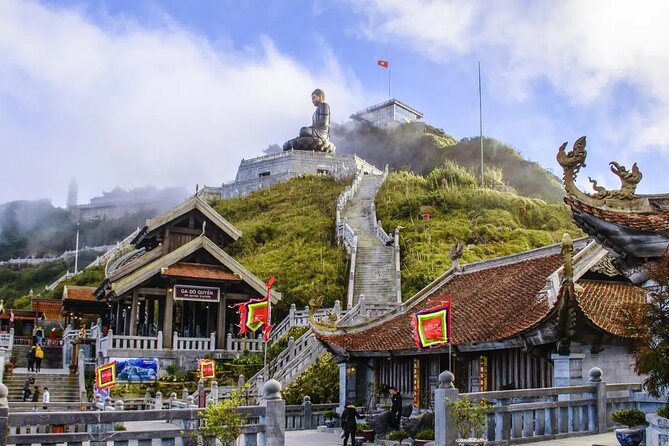
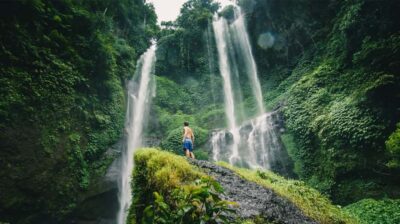
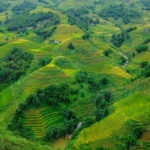
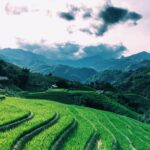
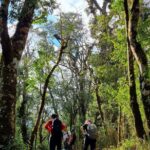
Fansipan is the headline of Sapa trekking for one simple reason: it’s the highest peak in Vietnam, so everything about the hike turns into a slow lesson in altitude. As you climb the Hoang Lien Son range, the plant life shifts with the climb. You start seeing centuries-old pine trees and expanses of yellow bamboo, then move toward dwarf bamboo near the top. It’s not a flat “walk in the park” kind of day. It feels like you’re traveling through different versions of the same mountain.
This isn’t just scenery. The area has nature reserve status, which matters because the rules of the place are built around protecting living things like orchids. The trek description points to over 100 varieties of orchids in that ecosystem. Even if you don’t spot orchids every step, the concept matters: you’re walking through an environment that’s managed for conservation, not just tourism photos.
You can also read our reviews of more tours and experiences in Sapa.
Price and logistics: what $185 really covers
At $185 per person for two days, the best value here is that the basics are handled for you. You’re not only buying a guide. You’re also paying for the park access, transport, food, and carried support.
Here’s what’s included that most solo planning would cost extra time (or money) to coordinate:
- Local English-speaking guide
- Entrance fee for Hoang Lien National Park
- Transport from Sapa to Tram Ton Pass and back
- Porter service (3 people share 1 porter)
- Meals: dinner and breakfast, plus lunch twice
- 1 big bottle of water per person
- Summiting Fansipan certificate
- Gloves per person
You’ll also get pickup offered and a mobile ticket, which sounds small until you’re tired at the end of day one and don’t want to be hunting someone with a clipboard.
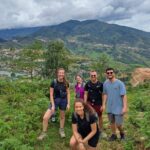
This is also set up for a human-sized group: a maximum of 15 travelers. That matters because on a mountain trail, group size changes how fast you move, how often you stop, and whether the guide can actually answer questions.
Day 1 in the Tram Ton zone: cardamom, altitude, and a paced climb
Most people start day one by meeting in Sapa around the morning hours—your pickup is listed as Sapa Church or your hotel, with the start time shown as 8:30 AM in one place and around 9:00 AM in another. Either way, the idea is the same: you get moving early enough to enjoy the climb without feeling rushed.
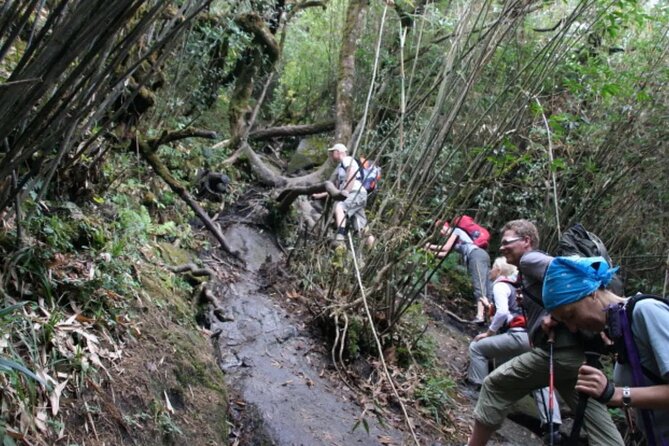
From there, you transfer to the Tram Ton point area. This is your first real “mountain shift” day: the trek isn’t just about walking uphill; it’s about crossing into the zone where the vegetation starts changing. The route includes time to observe cardamom plants and learn how locals use them in this region. If you like travel that teaches you how people live with their environment, this is one of the day-one highlights. It turns the hike into more than exercise.
As you climb up to about 2,200m, there’s a picnic lunch for about an hour. That pause is one of the best design choices in the whole experience, because it breaks the day into a “climb then reset” rhythm. It also keeps the group together at a natural altitude marker before you continue onward.
By the end of day one, you’re positioned for the early push the next morning. You’ll also have dinner included, which is important on a trek like this. When food is covered, you don’t lose energy late in the day searching for something simple.
Day 2: the early breakfast, the summit push, and timing that matters
Day two starts with breakfast together around 6–6:30 AM. This is one of those practical parts of trekking that people underestimate. If you’re used to sleeping in on vacation, be ready for a morning that feels like you woke up mid-adventure.
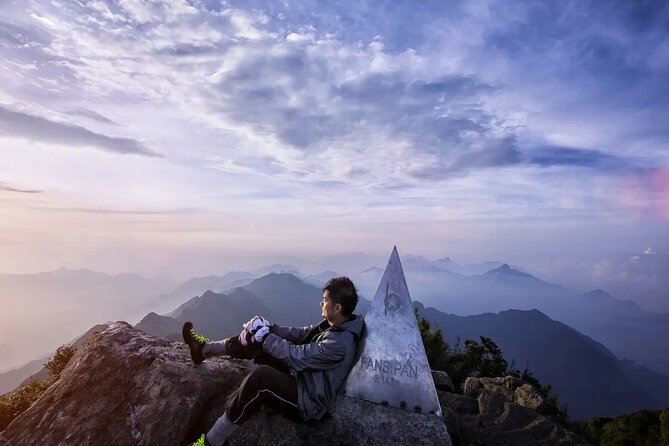
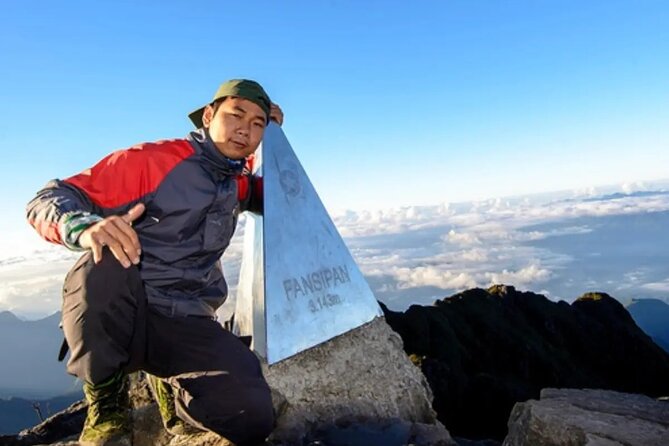
After breakfast, you’re on the last stage to conquer Fansipan Peak. The drive-off and hike structure is tight: you reach the summit area in about 1.5 hours once you’re set for the climb. When you arrive, you get an “impressive morning on the peak” moment—though the exact feel of it depends on clouds and visibility.
Then the day transitions back down with a clear end-point: around 3:00 PM, you arrive back at Tram Ton pass, where the driver is waiting to take you back to Sapa. The tour ends around 15:30, which is a gift if you want to do dinner in town or catch transport the same day.
The one real drawback: clouds can change the summit payoff
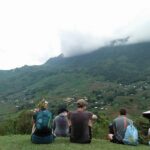
The biggest tradeoff here is simple weather reality. Even with good pacing and early timing, clouds can reduce what you can see from the summit. If you’re dreaming of big, clear views all day, keep expectations flexible. You’ll still earn the accomplishment, but the “wow photo” depends on the day’s conditions.
Wildlife and orchids: what you can realistically watch for
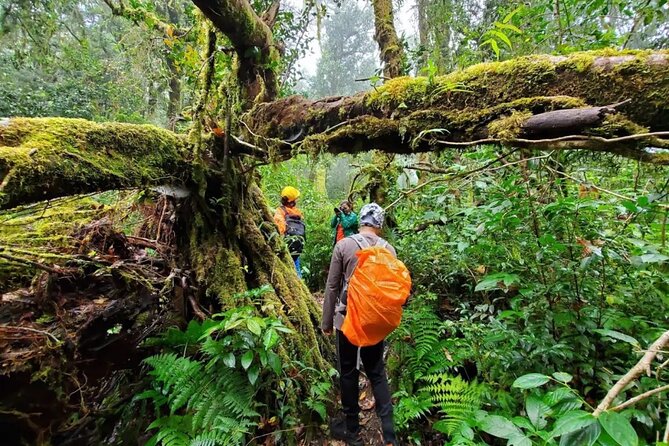
The hike description spells out a few wildlife possibilities: mountain goats and langur monkeys along the way. You shouldn’t expect guaranteed sightings, but it’s a solid reminder to keep your eyes moving, not just your feet. On misty days, animals can sometimes be more visible because you’re walking slowly and scanning the tree lines.
The vegetation changes are the more reliable “spotting” targets:
- Pine forests and older growth feel early in the climb.
- Yellow bamboo expands as you gain elevation.
- Near the top, the trek description highlights dwarf bamboo close to the summit region.
And because this is a nature reserve with noted orchid diversity, you may spot flowers or at least see the ecosystem structure that supports them. Even when you don’t see a named orchid clearly, the point stands: you’re not walking through random greenery. You’re walking through an environment built to endure.
Guides, pace, and why the small-group size feels better
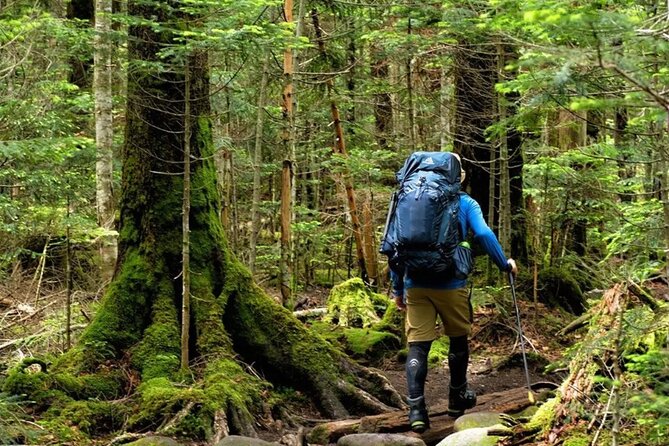
This trek leans on human skill: the guide’s route planning and the way they manage your energy. People highlight that their guides were patient, took care of them, and explained what they were walking past.
Names that come up in the feedback include:
- Pao: praised for being knowledgeable and friendly, and for taking care of guests.
- Chu: praised for patience and route planning, with one memorable mention of supporting a marriage proposal moment.
- Zhu: praised for English and accommodating style.
- Phung: praised for helpfulness and good meals.
That’s not just “nice service.” On a mountain trail, a guide’s job is to keep you moving at a speed that matches the group while still getting you to the summit stage with energy left. The tour also uses porters (shared), which reduces the heavy-lifting part so your legs can do the work.
And because you’re capped at 15 travelers, you tend to get fewer bottlenecks. You can stop, adjust, and ask questions without feeling like you’re part of a conveyor belt.
Gear and comfort: the small items that decide your day
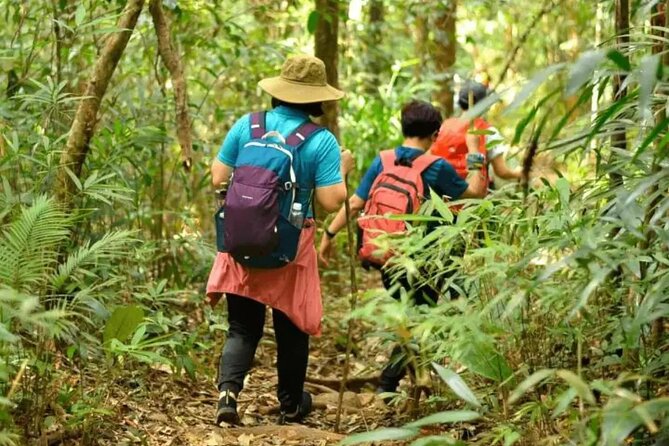
This trek includes gloves per person, which is great because high elevation can mean cold fingers fast. Still, you should plan for early mornings and temperature swings.
Here are the practical tips you can take straight into your packing list:
- Bring a headlight (day two starts in the dark). One guide-led trek note specifically flags this as a must.
- Use footwear you’re okay getting muddy. If you’ve been to Sapa before, you already know the trails can turn slippery after rain.
- Expect to carry yourself more than your belongings. With porter service (3 people share 1 porter), your load should be manageable, but you still want to keep what’s on you easy to access.
- Drink water steadily. You get one big bottle per person, but you’ll still want to pace it.
- Pack layers. Even if you don’t know the exact temperature, altitude hikes in northern Vietnam usually mean mornings are colder than you expect.
If you come expecting a casual walk, you’ll feel it. This is described as a challenge to break your limits, and the route is built around real altitude gains. With the included support, it’s doable for people with moderate fitness, but it’s still a hike, not a stroll.
Who should book this Fansipan trek (and who might not)
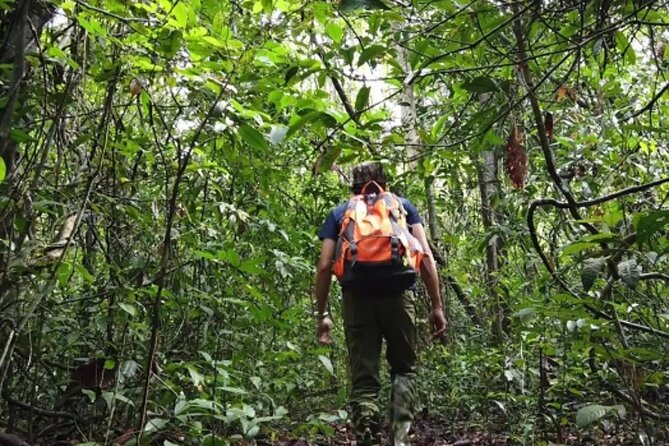
This tour fits best if you want:
- A guided, structured 2-day climb without spending your time figuring out transport and park entry.
- A trek with teaching moments (cardamom plants and how locals use them).
- Small-group pacing and porters that take the load off.
You’ll likely enjoy it most if you:
- Have moderate physical fitness
- Don’t mind early starts (breakfast around 6–6:30 AM is part of the deal)
- Prefer real mountain travel over a purely “summit-at-any-cost” approach
You might think twice if you:
- Know you struggle with cold mornings or early-dark departures.
- Are strongly dependent on clear summit views for your main satisfaction. (Weather can blur that payoff.)
Should you book the Mount Fansipan 2 Days Trek?
If your goal is to experience the Roof of Indochina in a way that’s organized, supported, and explained, I think this is an easy yes. The value is in the package: park access, transport, meals, porter service, gloves, and a summit certificate—all wrapped into a small 15-person group.
My main caution is weather. If you can handle the idea that clouds might soften summit views, you’ll be fine. And if you show up with a headlamp, layered clothes, and a mindset for a real mountain challenge, you’ll come away feeling like you climbed something—not just something you booked.
FAQ
What is the duration of the Mount Fansipan 2 Days Trek?
It’s a 2-day trek, with the tour ending back in Sapa around 15:30 on day two.
Where do we meet for the tour?
You meet at Sapa Church or at your hotel. The meeting point is listed at Sapa Church (P. Hàm Rồng, TT. Sa Pa, Sa Pa, Lào Cai).
What time does the trek start?
One part lists meeting at 8:30 AM, and another lists start time around 9:00 AM. Either way, you’ll start in the morning.
Is the entrance fee included?
Yes. The entrance fee of Hoang Lien National Park is included.
Are meals included?
Yes. The tour includes dinner, breakfast, and lunch (2) during the trek.
Is there porter support?
Yes. Porter service is included, with 3 people sharing 1 porter.
What should I bring for the hike?
The tour provides gloves per person, but you should plan for cold and early-morning conditions. A headlight is specifically recommended because the second day starts in the dark.
Is a cable car included?
No. An optional return via cable car is not included.
What is the cancellation policy?
Free cancellation is offered. You can cancel up to 24 hours in advance for a full refund, and cancellations due to poor weather may result in an offered different date or a full refund.