REVIEW · KATHMANDU
Around Manaslu Trek
Book on Viator →Operated by Tourist Link Treks Expedition Pvt. Ltd · Bookable on Viator
That pass is no joke. Larkya La Pass at 5,116m is the big-ticket moment, with glaciers and snow peaks filling the sky, and I love how the trail keeps threading through Buddhist and Hindu places, from gompas to daily village life. One heads-up: lunch and dinner on the trek are not included, so you’ll want to budget for food and drinks along the way.
What made this feel practical to me is the human support behind it. You’ll travel with one experienced, helpful guide, and the service track record includes guides like Promod Pangeni and Nabin being specifically called out for attentiveness, with Hom coordinating details from start to finish. You’re also not mixing randomly with strangers, since this is a private setup for your group.
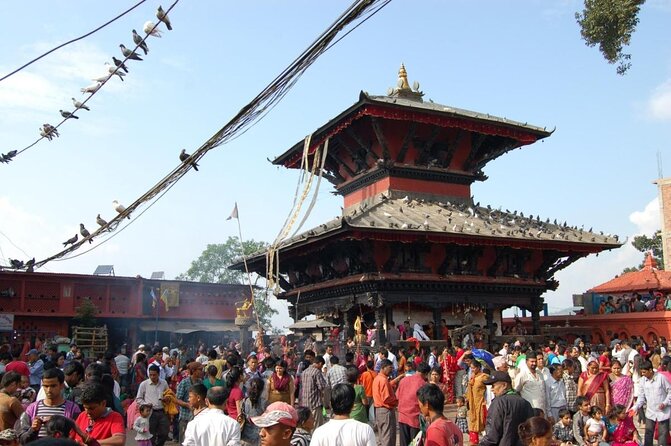
Before you start walking high, you get Kathmandu Valley sightseeing with Monkey Temple, Pashupatinath Temple, Boudhanath, and Durbar Square, plus two nights in a 3-star hotel with breakfast. It’s a nice rhythm: culture, then cold mountain air and stone steps.
In This Review
- Key highlights worth planning around
- Price and logistics: what $1,840 really covers
- Kathmandu prep days: temple time before mountain time
- From Gorakha to Sotikhola: the first taste of Budhi Gandaki
- Namrung, Ribung Gompa, and Manaslu views from Lho
- Samdo to Larkya La: moraines, mani walls, and big views at altitude
- Tilije, Chyamje, and Syange: rhododendron walking before the long finish
- Manakamana Temple and back to Kathmandu from Besi Sahar
- Guides, permits, and why this feels smoother than DIY
- What to pack and how to pace yourself on a 14-day circuit
- Who this trek suits best (and who should think twice)
- Should you book Around Manaslu Trek?
- FAQ
- How many days is the Around Manaslu Trek?
- What is the highest pass on this trek?
- Is this a private trek or shared with other groups?
- What Kathmandu sightseeing is included?
- Is the guide included?
- Are the required permits handled?
- Are lunch and dinner included during the trek?
- Are hot showers included?
- Is emergency helicopter service included?
Key highlights worth planning around
- Larkya La Pass at 5,116m: the high point of the circuit, built for dramatic glacier-and-peak views
- Restricted Manaslu Conservation Area feel: a more controlled, protected-route experience before you touch the Annapurna Conservation Area at the end
- Budhi Gandaki walking days: lots of river crossings and changing terrain, including suspension bridges and steep cliffside trail
- Gompas and mani walls on the route: you’ll see religious sites repeatedly, not as one-off stops
- Rhododendron and pine scenery later: the trek shifts into a greener zone before the final descent
- Good “what’s included” value: private transport, Kathmandu hotel (breakfast included), lodge stays (twin-sharing) and permits are covered, but meals on-trail are on you
Price and logistics: what $1,840 really covers
At $1,840 per person for a trek of about 14 days, the value is in what’s bundled rather than in what’s hidden. You get all ground transportation on a private vehicle, Kathmandu Valley sightseeing, and two nights in a 3-star hotel with breakfast. During the trek, your accommodation is best available twin-sharing lodge, and you’re traveling with a guide.
The other big value item is paperwork. This tour includes “all necessary paperwork and special permits,” plus local/government taxes and office service charges—a huge time-saver when you’re trying to keep your trip moving smoothly. They also mention that you’ll need 3 passport-size photographs, so you can plan to pack those before you arrive.
What you should budget for is very clear. Lunch and dinner are not included, and drinks (water, tea, coffee, and bar items) are extra. Even practical comfort items can cost more than you expect, since hot shower access isn’t included. If you hate surprises, this is still a good deal—just make sure you carry enough cash/card for daily meals and snacks.
The private-group angle also matters. With “only your group will participate,” your pacing and stop choices tend to feel less chaotic than the typical mixed-group trek.
You can also read our reviews of more tours and experiences in Kathmandu.



Kathmandu prep days: temple time before mountain time
Your trek starts with a full travel day out of Kathmandu toward the Gorkha region. Day 1 blends road time and a first cultural stop at Gorakha Nath Temple in Gorkha. The drive is long—about 7 to 8 hours—with paved roads up to Dhading Bensi and then rougher roads onward to Sotikhola.
That’s not just sightseeing flavor. In Nepal, road hours can feel like a workout—especially when you’re also mentally preparing for altitude later. Starting with a temple stop and a structured transfer helps you settle in before the trail starts asking questions of your lungs and legs.
Once you’ve got your bearings, the Kathmandu portion itself is solid for first-timers. You’ll see Monkey Temple, Pashupatinath, Boudhanath, and Durbar Square, and you’ll stay in a 3-star hotel for two nights with breakfast. If you want a quick hit of major UNESCO-style sites and living-city energy before retreating into the hills, this works.
From Gorakha to Sotikhola: the first taste of Budhi Gandaki
When the trek begins, it doesn’t ease you in with a gentle stroll. Day 2 is all about rhythm: Sal forest walking, then a climb to a ridge above the rapids of Budhi Gandaki, followed by rocky trail through Khursane.
One thing I like about this early segment is the variety. You go from forest shade to exposed ridges, then down and up on steep, cliffside-sounding paths where the trail clings to the mountain wall. You’ll also pass waterfalls and reach the Gurung village of Labubesi, which is a reminder that this isn’t just hiking through scenery—it’s moving through real communities.
By the time you reach Maccha Khola, you’ve done the kind of terrain that gets your body ready: gravel bars, sandy riverbed walking, and a suspension bridge crossing. Day 2 runs about 6 hours, so it’s not a marathon. It’s more like your first good “trail onboarding.”
Day 3 continues with narrow trail and early bridge work. You cross Tharo Khola, then cross a suspension-type bridge on Yaru Khola. After stone stairs to Tharo Bharyang, you cross to the western river bank of Budhi Gandaki and trek toward Jagat. The included admission at Gorkha Museum on this day adds context to the region you’re traveling through, without needing a time-consuming extra detour.
Day 4 keeps the momentum with more valley walking. Bamboo forests show up, then you pass Deng Khola, reaching the village of Deng for overnight. There’s a simple logic here: you move through habitats and terrain types while your body learns the pace.
Namrung, Ribung Gompa, and Manaslu views from Lho
Day 5 starts to feel more “classic circuit.” You cross Budhi Gandaki many times, and the trail brings you past large numbers of gompas—so religious architecture becomes a repeating landmark. From there, you trek upstream through dense forest, then notice the trail change as you near a narrow gorge where the forests become less dense.
The climb to Namrung is one of those days where you can feel the altitude creeping closer, even if you’re not yet at the pass. It’s about effort management: steady steps, short breaks, and water when you can.
Day 6 is where the Manaslu drama increases. You pass through Lho village, get extraordinary views of Mount Manaslu, and explore the Ribung Gompa. This is the kind of day I like best on a trek: not only moving through scenery, but also getting a clear view payoff that makes the effort feel earned.
Day 7 builds on that visibility. After checking out from Lho, you cross terrain near Himal Chuli and Peak 29, with Shyala village bringing in bigger panorama views, including glaciers and snow summits. The walk stretches toward Samagaon, and the day description points out a wide view arc covering Ganesh Himal as well.
One practical note: Day 7 and the following days are where you should pay attention to your acclimatization instincts—slow is smooth, and smooth is safe. You’re not told to rush, and with lodge nights built in, you can choose a slower pace without feeling like you’re falling behind a schedule.
Day 8 is listed as another walking day of about 6 hours, with a stop connected to the district office. Even without extra detail, the role is clear: you keep trekking, you keep moving forward, and you position yourself for the Larkya push.
Samdo to Larkya La: moraines, mani walls, and big views at altitude
If you’re chasing the moment when a trek becomes a story you’ll remember, Day 9 through Day 11 is it. Day 9 starts with descending toward Budhi Gandaki, which has turned north. You follow it to a bridge over a stream, then a sideways approach leads toward the Manaslu base camp trail.
One of the best route details here is the presence of mani walls. They’re not “one photo stop.” They show up as part of the trekking texture as you head along the Larkya La route. Later, you drop across a shelf and cross Budhi Gandaki over a wooden bridge, then climb steeply between river forks. Finally, you reach Samdo.
This is also where you should anticipate the trek’s mood shift. The terrain tends to feel more alpine and less “village valley.” Your legs will still work, but the air will remind you that you’re getting higher.
Day 10 is described as a relatively short climb to the Larkya or Dharamsala glacier valley, in the northward direction. This is the first “stage-setting” day for pass country: you get stunning views of Larkya Peak and Cho Danda. If you’re the type who likes to understand what you’re seeing, this is the moment to stop often and actually look, because the view context is clearer here.
Day 11 is the pass day in spirit. You walk across glacier moraines with a gradual ascent that becomes steeper near the end of the pass. The views listed are the kind you plan your entire trip around: Cheo Himal, Himlung Himal, Kangguru, and Annapurna II. Then you continue to Bimtang.
This is where the “moderate physical fitness level” requirement matters in real life. Moderate is fine, but that pass still asks for patience. Take the long way of moving: small steps, consistent rhythm, and don’t treat rest stops like interruptions.




Tilije, Chyamje, and Syange: rhododendron walking before the long finish
After the Larkya moment, the circuit shifts into a greener feel. Day 12 continues for about 4 to 5 hours to Tilije. The day description highlights rhododendron forests and green fields before you face a steep climb. That mix—soft-feeling foliage followed by a hard section—is typical high-mountain drama: the world changes, but the work doesn’t vanish.
Day 13 follows the trail toward Chyamje village by crossing Marshyangdi Khola, then descends from rhododendron and pine forests to reach Syange. This is a day that tends to feel more like “relief walking” compared to pass-country effort, but don’t let that fool you. Descents can be just as hard on knees when you’re already tired.
Manakamana Temple and back to Kathmandu from Besi Sahar
Day 14 is your exit day. You cover only about 800 meters to go at Besi Sahar, then you return to Kathmandu. The day is listed as about 9 hours, so you’ll likely feel the long-drive wear-off even after the trek ends.
On this final day, you also stop at Manakamana Temple, with admission included. It’s a fitting close: you spend two weeks moving through high passes and remote valleys, then you end with a religious site that feels grounded and human.
Guides, permits, and why this feels smoother than DIY
One thing I value in a trek package is how much mental load it removes. This one includes a private-vehicle transfer system, a guide, and the paperwork trail for permits and government office processes. You also have local taxes and office service charges included, and the tour is described as private for your group only.
The service feedback also lines up with that. Hom (the owner) is mentioned in past experiences as organizing the essentials—lodges, guide, transport, and the paperwork side. And guides highlighted in the experience record—like Promod Pangeni and Nabin—are described as attentive and helpful. Even if you’re a confident trekker, having that kind of support matters when conditions get rough or timing needs to adjust.
One practical detail you shouldn’t ignore: the inclusion list mentions paperwork and permits, but it also calls out that you should bring 3 passport-size photographs. That’s the kind of small thing that can delay you at the wrong moment, so take it seriously.
What to pack and how to pace yourself on a 14-day circuit
Because lunch and dinner aren’t included, pack for steady energy. You’ll want snacks that work for you and a plan for drinks. Drinks like tea and coffee are extra, and bar bills and personal expenses are on you—same idea for phone use and laundry.
Hot showers are also listed as not included. That doesn’t mean you’ll never find one, but you should assume you’ll rinse and move on more often than you’ll get a “spa shower” experience.
For trekking equipment, it’s not included. So bring the basics you trust: boots or shoes you’ve worn before, layers for cold nights, rain protection, and a system for keeping water safe. This tour is described as requiring moderate physical fitness, so you should be able to handle long hiking days with climbs, not just a few hours of easy trail.
Pace-wise, I’d treat Day 2 through Day 5 as conditioning. Then use the middle days to keep building altitude comfort until the Larkya approach. The pass is the headline; the rest is the warm-up your body needs.
Who this trek suits best (and who should think twice)
This is a great match for you if you:
- Want a Manaslu Circuit experience with serious altitude credibility via Larkya La Pass (5,116m)
- Like seeing religion and daily life woven into the walk—gompas, mani walls, and major temple stops
- Prefer a private setup with a guide, rather than managing permits and logistics alone
- Enjoy a route that transitions from forest walking into alpine glacier terrain
It’s less ideal if you:
- Hate budgeting for daily meals and drinks (lunch/dinner are not included)
- Need frequent creature comforts like hot showers
- Want a short, easy trek with minimal driving and minimal fatigue
If you’re the type who plans ahead, this can feel like a very fair deal: the organization is handled, and you spend your energy on the mountains.
Should you book Around Manaslu Trek?
I’d book it if you’re aiming for a real Manaslu Circuit challenge with the big payoff at Larkya La, and you want the route to feel culturally layered without turning into a bureaucratic headache. The “what’s included” list is strong—private transport, Kathmandu hotel, lodge nights, guide, permits, taxes, and key sightseeing. Just go in with eyes open that you’ll pay extra for lunch, dinner, and drinks during the trek, and you’ll want to bring your own trekking gear.
If that trade-off works for your budget and comfort level, this is a memorable circuit with the kind of views that make altitude worth talking about long after you’re back home.
FAQ
How many days is the Around Manaslu Trek?
It’s listed as approximately 14 days.
What is the highest pass on this trek?
The trek includes crossing Larkya La Pass at 5,116 meters.
Is this a private trek or shared with other groups?
It’s a private tour/activity, and only your group will participate.
What Kathmandu sightseeing is included?
Kathmandu Valley sightseeing is included, including Monkey Temple, Pasupapati Temple, Boudhanath, and Durbar Square. You also get two-night accommodation with breakfast at a 3-star category hotel.
Is the guide included?
Yes. The trek includes one highly experienced, helpful, and friendly guide.
Are the required permits handled?
Yes. All necessary paperwork and special permits are included, along with local/government taxes and office service charge. You should bring 3 passport-size photographs.
Are lunch and dinner included during the trek?
No. Two daily meals (lunch and dinner) during the trek are not included.
Are hot showers included?
Hot shower access is not included.
Is emergency helicopter service included?
No. Emergency helicopter service is not included and would be paid by your travel insurance company. Personal travel insurance is also not included.