REVIEW · BALI
Mount Agung Sunrise Trekking Private Tours
Book on Viator →Operated by CV Bali Trekking Tour · Bookable on Viator
Mount Agung sunrise hikes feel serious for a reason. This private trek takes you up Bali’s active volcano with a guide, flashlight and trekking poles, and a simple sunrise breakfast waiting at the top. I especially like how you can choose your route—full-on effort from Besakih or a shorter climb from Pasar Agung—so the day matches your group’s fitness and mood.
The other big win is the human touch. You’re not tossed into a crowd; you follow your pace with a private guide, and the service includes pickup from key Bali areas. Guides like Ketut and Gede are the kind of people who think ahead about safety—radio contact and careful decisions matter on windy, foggy mornings.
One thing to take seriously: this is a physically demanding, early-night hike. You’ll need strong fitness and warm layers, because the mountain can be cold and the conditions can change fast near dawn.
In This Review
- Key points at a glance
- Why Mount Agung sunrise is a real Bali challenge
- Besakih vs Pasar Agung: choosing your route for your group
- The Besakih Temple route: longer climb, bigger effort
- The Pasar Agung route: shorter ascent, still scenic
- What the night start and sunrise window actually feel like
- The gear that’s included—and what you still need to bring
- Included on the trail
- Not included
- Breakfast at the summit: practical fuel for the climb down
- Pickup and private-tour pace: where logistics actually help
- Safety culture on an active volcano morning
- Price and value: is $74 a good deal for Mount Agung?
- Who should book this trek (and who should think twice)
- Quick booking checklist so your day goes smoother
- Should you book Mount Agung Sunrise Trekking Private Tours?
- FAQ
- Where do the Mount Agung sunrise hikes start?
- How long is the trek to the summit?
- What time will we reach the summit for sunrise?
- What’s included for food and drinks?
- Are trekking poles and a flashlight provided?
- Do you offer hotel pickup, and from where?
- What is the cancellation policy?
Key points at a glance
- Two starting points, two difficulty levels: Besakih Temple for a longer 6-hour ascent, or Pasar Agung Temple for a shorter 4-hour ascent.
- Sunrise timing built in: you reach the summit around 05:50 to watch sunrise and eat breakfast before descending.
- Private pace with real safety focus: your group hikes with a private guide, and the guides prioritize communication and caution.
- Included gear helps you show up ready: trekking poles and a flashlight are provided.
- Breakfast and warm drinks at the top: bread, coffee/tea, snacks, seasonal fruit, plus bottled water.
- Pickup from multiple Bali areas: Ubud, Sanur, Jimbaran, Nusa Dua, Seminyak, and Kuta are covered.
Why Mount Agung sunrise is a real Bali challenge
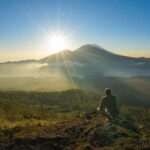
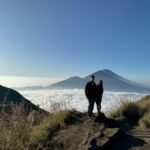
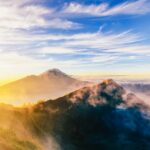
Mount Agung is the highest peak on Bali, and it’s still active. That matters because you’re not signing up for a casual walk in the dark—you’re planning a real climb on an active volcano. The payoff is that classic sunrise moment people chase in Bali: you’re high above the clouds, watching light roll in as the morning slowly wakes up.
The trek’s reputation comes from the combination of timing and effort. You start late at night, hike for hours with a headlamp/flashlight, and then you’re expected to keep going back down while your legs are still deciding whether they want to cooperate. It’s not just about reaching the top; it’s about managing your energy and staying steady in low visibility.
What I like about this particular tour format is that it doesn’t pretend the mountain is easy. It gives you a private guide and actual included support (poles, flashlight, breakfast), which turns a scary concept into something you can execute with a plan.
You can also read our reviews of more tours and experiences in Bali.
Besakih vs Pasar Agung: choosing your route for your group
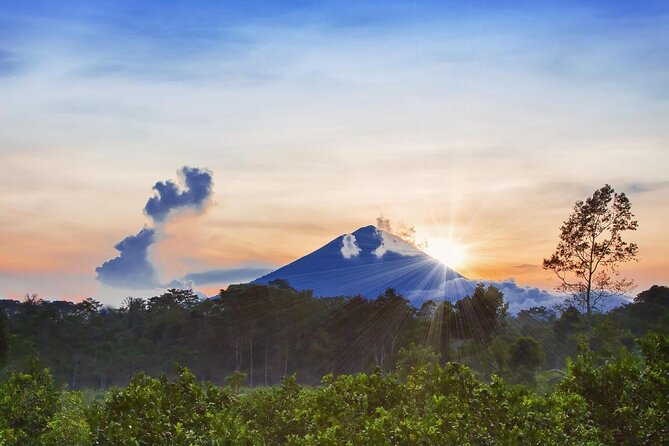
You get two route options, and they change the whole feel of the hike.
The Besakih Temple route: longer climb, bigger effort
If you start via Besakih, you’re looking at an ascent that takes about 6 hours up to the summit. This is the option for you if you like a steadier grind and you want the challenge. It’s also the route that tends to feel the most like the full Mount Agung experience because you’re committing to more time on the trail.
The Pasar Agung route: shorter ascent, still scenic
If you start via Pasar Agung, the ascent is about 4 hours. This option is less strenuous and is designed to take you up with an easier schedule while still aiming for sunrise and amazing views. It’s a good choice if you’re fit but you don’t want to spend quite as long climbing in the dark.
Either way, you’re still reaching the top around the same time for sunrise and breakfast. The big difference is how much uphill time you’re carrying on your legs before dawn arrives.
What the night start and sunrise window actually feel like
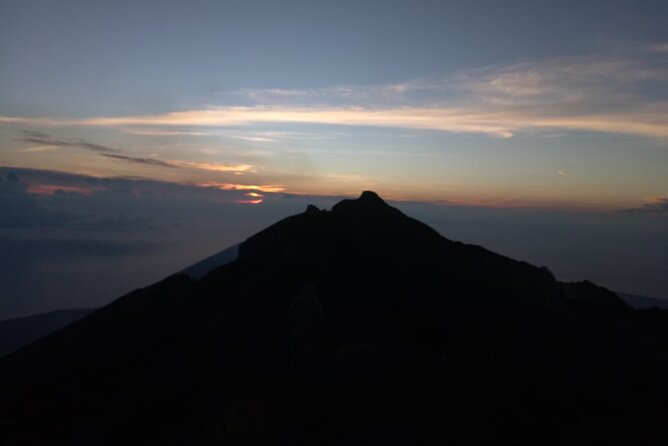
This trek is built around late-night pickups and early-morning summit timing. You’re picked up in the evening or very late night depending on the route, then you drive to the trailhead area, meet your guide, and start climbing.
From the moment you begin, the hike is about rhythm:
- Keep your pace controlled.
- Use your poles for balance on uneven ground.
- Stay calm when visibility drops.
Fog and wind are not rare here. On a rough morning, the summit can feel like you’re hiking through weather, not just altitude. That’s exactly where a cautious guide helps. One guide (Ketut) is noted for being careful even when conditions were windy and foggy, which is the kind of mindset you want on an active volcano.
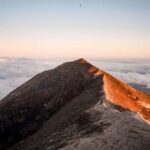
Then comes the part you’re really there for: you arrive at the top around 05:50, watch sunrise, and eat. After breakfast, you descend. You’re back at the trailhead area around late morning or mid-morning, then back to your hotel in the early afternoon.
The gear that’s included—and what you still need to bring
This tour is thoughtful about basic hiking needs, but it doesn’t do everything for you.
Included on the trail
- Trekking poles (help a lot on descents)
- A flashlight (important for night footing)
- Bottled water
- Breakfast setup at sunrise: bread, snacks, coffee/tea, plus seasonal fruit
I like this mix because it handles the basics you might forget. Poles and light support your footing when the ground is slick or uneven. And the food/drink doesn’t turn the sunrise moment into just photos—it gives you energy to get back down.
Not included
You’ll want to bring your own:
- Shoes
- Jacket
- Personal expenses
If you show up without proper footwear, you’ll feel it by the time you’re deep into the climb or the first hour of descent. And a jacket matters because sunrise doesn’t automatically mean warm air.
Breakfast at the summit: practical fuel for the climb down
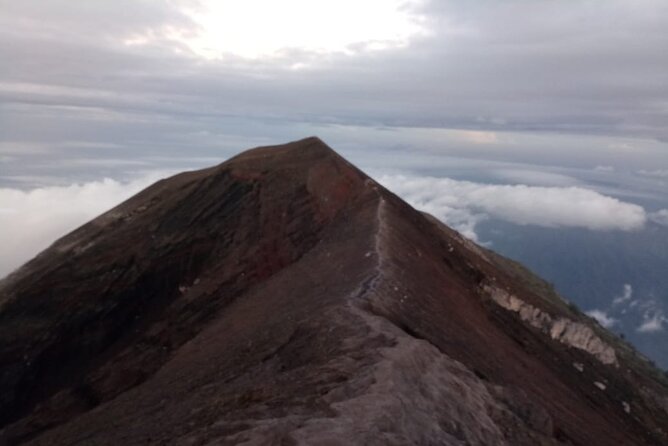
The breakfast here is simple, not fancy. Bread, snacks, coffee or tea, and seasonal fruit—plus bottled water. The value isn’t in gourmet flavor; it’s in what the timing does for you.
You reach the summit, eat, and then start your descent. That sequence is smart. If you wait too long to eat, your energy drops and the downhill feels longer than it should. If you eat too early, you can feel heavy before the last push. This tour hits the sweet spot: eat when you’re warm enough from the hike and before your body starts to cool down.
Also, coffee/tea is one of those small things that can make a huge difference when it’s chilly. It helps you feel human again—and on Mount Agung, that counts.
Pickup and private-tour pace: where logistics actually help
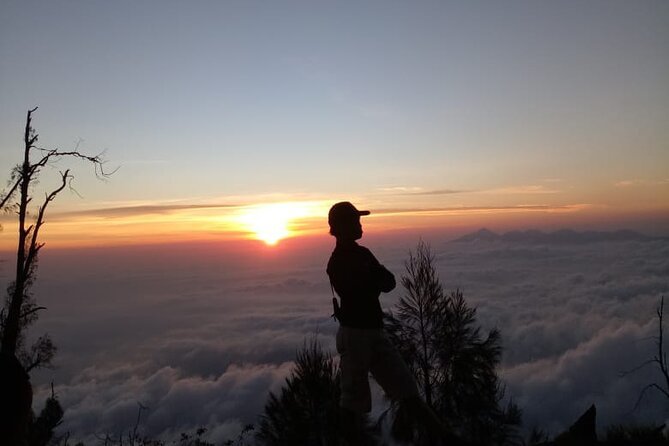
This is a private tour, meaning only your group participates. That’s more than a comfort perk. It reduces the chaos factor on a schedule where every minute matters—especially with pickups from different parts of Bali.
Pickup is offered from:
- Ubud
- Sanur
- Jimbaran
- Nusa Dua
- Seminyak
- Kuta
That matters if you’re trying to stay efficient with your time. You’re already working against the clock with late-night starts, so not having to arrange your own driver or meet-up point can save stress.
Private pace also means you can adjust if someone needs a slower rhythm, more short breaks, or a cautious approach on steeper sections. For an active volcano hike, control is your friend.
Safety culture on an active volcano morning
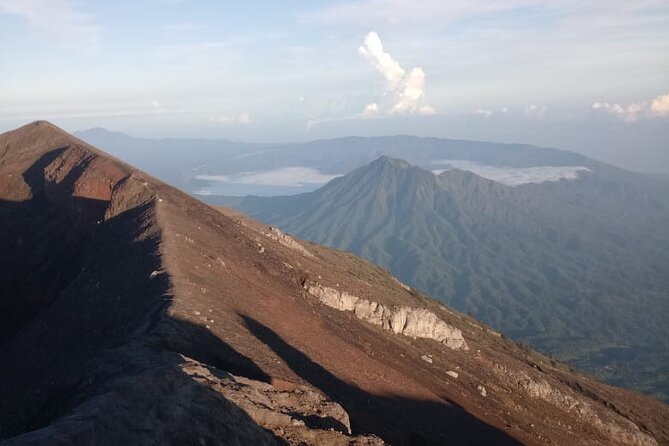
A big part of enjoying Mount Agung is trusting your guide’s judgment. In the feedback for this tour, safety planning comes up more than once.
One guide is praised for using radio contact to stay in communication during the morning climb. That’s the kind of detail that tells you the team is thinking about more than just the route. On foggy, windy mornings, a guide who monitors conditions and coordinates decisions makes the hike feel safer—even when you still can’t control the weather.
Also, guides are described as being friendly and helpful before, during, and after the hike. That translates into real value: you’re not just dropped at a trailhead. Someone is managing your experience end-to-end.
Price and value: is $74 a good deal for Mount Agung?
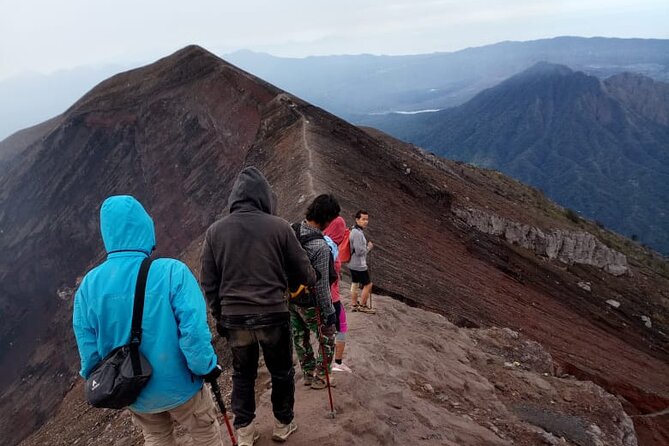
At $74 per person, the price is best viewed as a package for an early-night, logistics-heavy adventure.
Here’s what you’re getting that costs money elsewhere:
- Private transportation
- Hotel pickup from multiple areas
- Guide service for a sunrise timing challenge
- Trekking poles and flashlight
- Breakfast and drinks at the summit (bread, snacks, coffee/tea, seasonal fruit)
- Bottled water
You still need to provide shoes and a jacket, but the tour handles the time-critical stuff: getting you to the trail and keeping you fueled when you need it most.
You also get mobile ticket support and the possibility of group discounts, which can help if you’re traveling with friends or want to share the cost.
For Mount Agung specifically, what you’re paying for is not just the hike—it’s the coordination and the guide’s ability to run that schedule safely.
Who should book this trek (and who should think twice)
This trek is best for you if:
- You’re seriously active and ready for a night climb
- You can handle cold early mornings
- You want a private guide rather than a big group experience
- You care about a sunrise moment and want the challenge
It may not be your best match if:
- You’re not confident with uneven, steep terrain
- You dislike very early starts and low-visibility hiking
- Your group prefers a casual day hike (this is not that)
The tour also clearly expects good physical fitness. If your training is light, you might find the combination of dark hiking, steep sections, and a sunrise schedule too tough.
Quick booking checklist so your day goes smoother
Before you lock it in, make sure you’re prepared for the basics:
- Bring proper shoes (not just sneakers you use for errands)
- Bring a jacket for cold summit air
- Plan for late-night pickup and a long day after
- Choose Besakih if you want the longer ascent; choose Pasar Agung if you want a shorter climb
If you’re unsure which route fits your group best, leaning toward Pasar Agung can reduce strain while still delivering sunrise and views. If your group is strong and motivated, Besakih is the full workout.
Should you book Mount Agung Sunrise Trekking Private Tours?
I’d recommend booking if you want a Mount Agung sunrise trek that’s organized, private, and practical. The included poles, flashlight, breakfast, and pickup make this feel like a guided plan rather than a solo gamble. The route choice is a big deal too—you’re not stuck with one difficulty level.
Skip it (or choose the easier route) if your group isn’t ready for a demanding night hike. The mountain requires fitness, warm layers, and patience when conditions get foggy or windy.
One last thing to consider: this experience depends on weather, and you should expect changes if conditions are poor. The good news is that a different date or a full refund is offered when cancellation happens due to weather.
If you’re prepared for the climb and you want a real sunrise effort with a guide you can trust, this is a strong way to tackle Bali’s top challenge.
FAQ
Where do the Mount Agung sunrise hikes start?
You can start from either Besakih Temple or Pasar Agung Temple, and you choose the route based on how challenging you want the hike to be.
How long is the trek to the summit?
Via Besakih Temple, the summit ascent takes about 6 hours. Via Pasar Agung Temple, the ascent takes about 4 hours.
What time will we reach the summit for sunrise?
You arrive at the top around 05:50 and enjoy sunrise along with breakfast.
What’s included for food and drinks?
Breakfast includes bread, snacks, coffee/tea, and seasonal fruits. You also get bottled water.
Are trekking poles and a flashlight provided?
Yes. Trekking poles and a flashlight are included.
Do you offer hotel pickup, and from where?
Pickup is offered from Ubud, Sanur, Jimbaran, Nusa Dua, Seminyak, and Kuta.
What is the cancellation policy?
Free cancellation is available up to 24 hours in advance for a full refund. Within 24 hours, the amount paid is not refunded. If poor weather causes cancellation, you’ll be offered a different date or a full refund.