REVIEW · BALI
Ubud: Rice Terrace, Holy Water Temple & Waterfalls Trek Tour
Book on GetYourGuide →Operated by Trip Gotik - Bali Tours · Bookable on GetYourGuide
Ubud can be sensory overload. This tour stitches together Tegalalang Rice Terrace views, Tirta Empul spiritual water rituals, and two waterfall stops in one smooth 6–7 hour run. You get a day that feels planned, but not forced.
What I like most is the contrast. You start with the wide-open photo walks at Ceking’s rice terraces, then you step into the focused calm of Tirta Empul’s holy spring water temple rituals.
One consideration: you’ll do real walking on uneven paths and sometimes slippery ground at the waterfalls, and Tirta Empul requires modest dress (plus a period restriction for women). Plan your outfit and footwear accordingly.
In This Review
- Key Points Before You Go
- Why This Ubud Day Mix Works for Most People
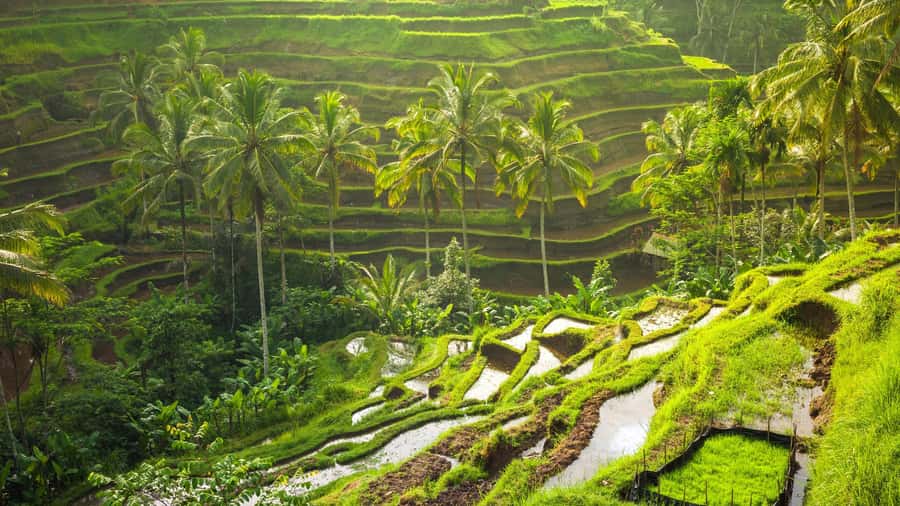
- Ceking Tegalalang Rice Terrace: Photo Stops That Still Feel Like a Walk
- Tirta Empul Holy Water Temple: The Ritual Portion You Can Actually Participate In
- Tibumana Waterfall: A Jungle Reset With Time to Cool Off
- Kanto Lampo Waterfall: Tiered Falls and Strong Photo Moments
- Lunch and Coffee Add-ons: Where the Day Actually Tastes Good
- Add-ons That Change Your Day: From Massage to Monkey Forest
- Transportation and Timing: What 6–7 Hours Feels Like in Real Life
- What to Bring (and What to Leave Behind)
- Respect, Rules, and Physical Reality at Waterfalls
- Who This Tour Suits Best
- Should You Book This Ubud Rice Terrace, Tirta Empul, and Waterfalls Trek?
- FAQ
- How long is the Ubud rice terrace, Tirta Empul, and waterfalls tour?
- Do I get hotel pickup and drop-off?
- Are entry tickets included for each attraction?
- What should I wear and pack for Tirta Empul?
- Will I get wet at the waterfalls?
- Is this tour suitable for everyone?
- Can women who are on their period enter Tirta Empul?
Key Points Before You Go
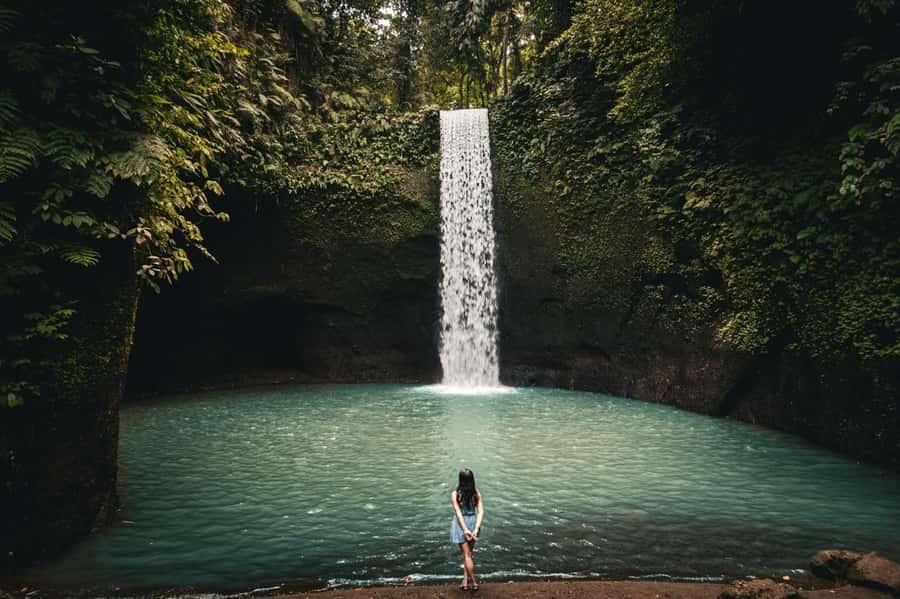
- A well-paced Ubud loop: rice terrace, Tirta Empul, then Tibumana and Kanto Lampo waterfalls.
- Tirta Empul has real rules: you’ll need shoulders and knees covered, and sarongs are provided.
- Waterfall time is built in: you can cool off at Tibumana and capture the tiered views at Kanto Lampo.
- Photography support is part of the day: hosts often help with photos, and there are optional polaroid shots.
- You can customize the day with add-ons like luwak coffee tasting, massage, jungle swing, and even Monkey Forest.
- Pickup depends on where you stay: pick-up works from Bali central areas listed in the tour notes.
Why This Ubud Day Mix Works for Most People
This isn’t a tour that tries to cram in ten stops and sprint you from one gate to the next. Instead, it pairs iconic Ubud sights with two waterfall breaks, so your day naturally alternates between temples, views, and cooling down.
The value here is the structure. You’re not just sightseeing—you’re guided through what to look for, where to stand, and how to behave respectfully at Tirta Empul, where it matters.
And yes, the photo factor is real. Ceking’s rice terrace paths are made for walking viewpoints, and the waterfall scenery is the kind that makes you stop checking your phone.
You can also read our reviews of more tours and experiences in Bali.
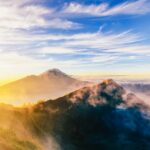
Ceking Tegalalang Rice Terrace: Photo Stops That Still Feel Like a Walk
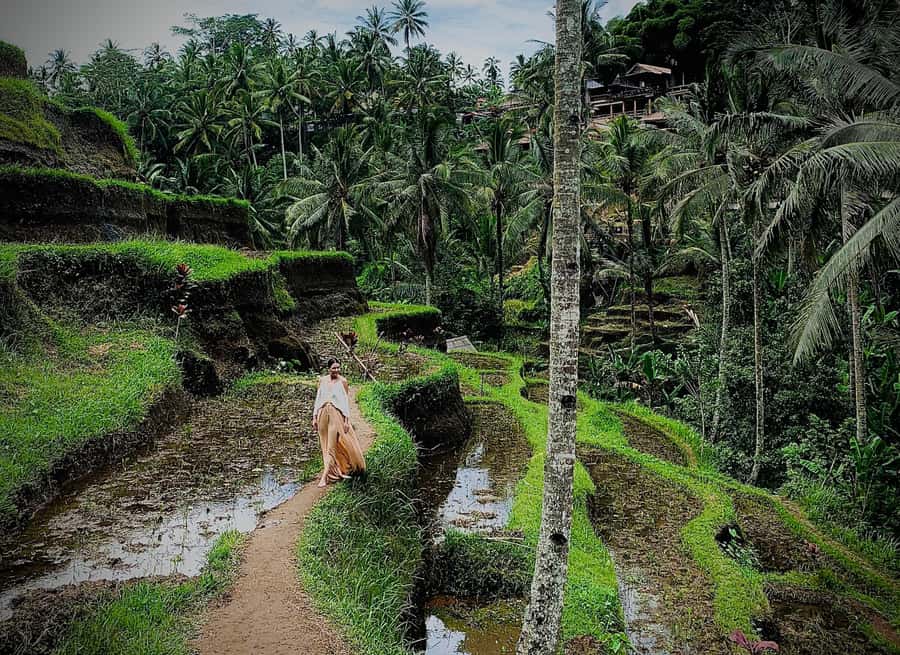
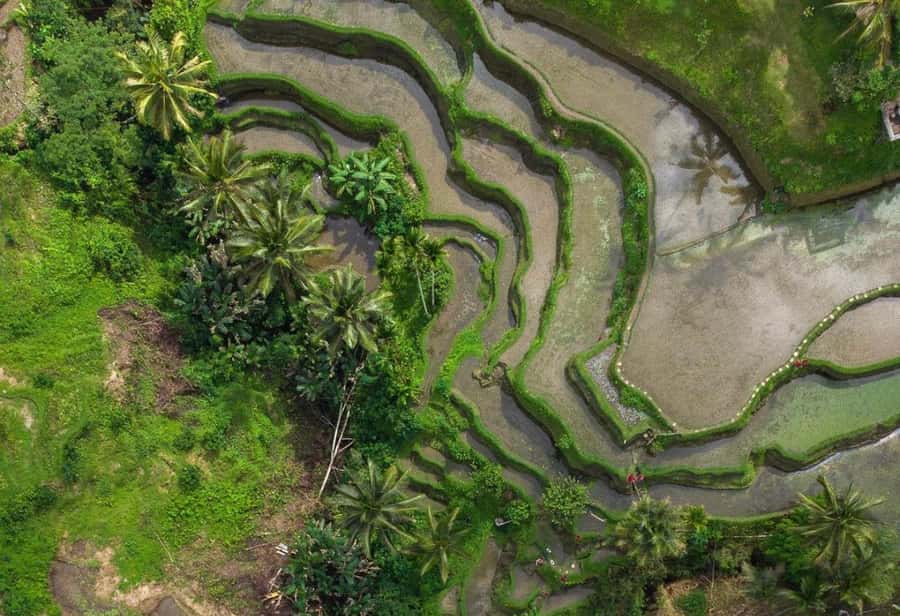
Your first major stop is Ceking Village at the Tegalalang rice terraces. Expect about an hour here, mixing guided touring, a photo stop, and time to walk the viewpoints without feeling rushed.
What makes this part work is timing and guidance. The terraces are busy in general, but a good guide helps you move to angles with better visibility and fewer bottlenecks—so you can actually enjoy the view, not just queue for it.
Practical tips that matter at Tegalalang:
- Wear comfortable, grippy shoes. Paths can be uneven.
- Bring a sun hat and sunscreen. You’ll be outside for most of the rice terrace time.
- If you want photos, keep your water and towel packed so you don’t waste time running back to the vehicle.
If you’re booking add-ons, this is also a good moment to think about photos. Polaroid add-ons are available, and many guides are used to helping you frame shots so you don’t spend the day struggling with the camera app.
Tirta Empul Holy Water Temple: The Ritual Portion You Can Actually Participate In
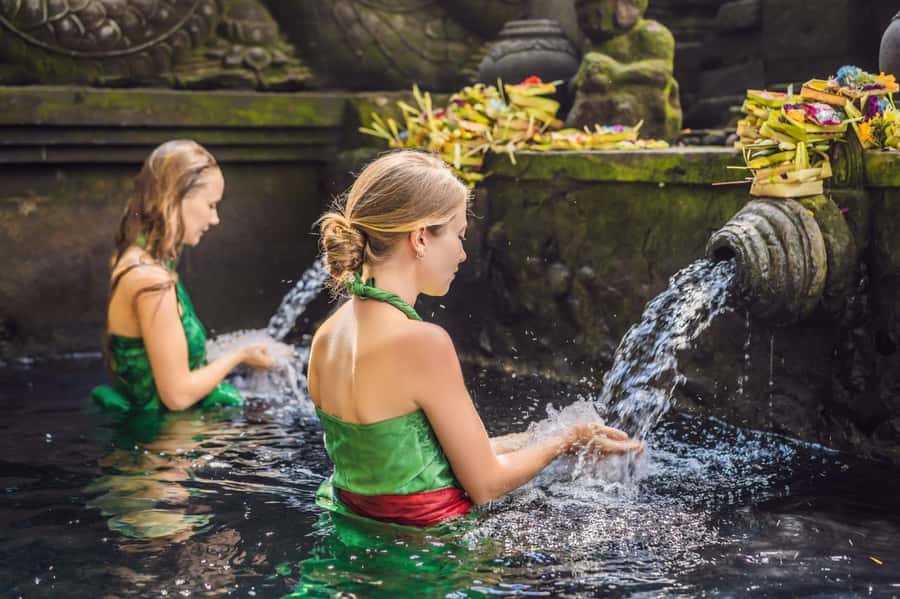
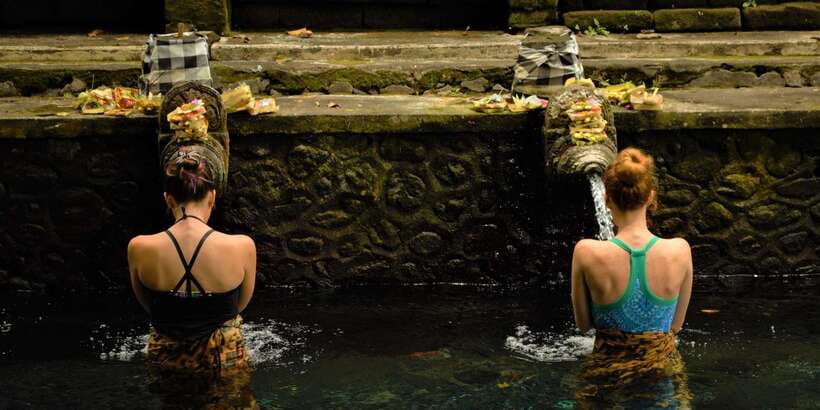
After rice terraces, the day shifts into temple mode at Tirta Empul, also known as the Holy Spring Water Temple. You’ll get about an hour here for sightseeing, a photo stop, and guided touring.
This is the spiritual anchor of the tour. You’ll see how locals engage with the temple grounds, and that creates context for what you’re watching rather than treating it like a spectacle.
The tour also offers a key upgrade: the Spiritual Cleansing Experience as an add-on. If you choose it, you’ll follow the flow of the ritual alongside the guided setup. I’d only do this if you feel comfortable with the idea of modest dress rules and participating respectfully.
Dress and behavior rules are not optional here:
- Modest attire is required: shoulders and knees must be covered.
- A sarong is provided for temple entry.
- Women who are on their period are not allowed to enter the temple grounds or participate in rituals.
One more detail that helps: your guide will typically coach you on what to do at each step. In the past, guides including Gusti, Agung, and Yuda have been praised for helping people through the ritual correctly and calmly—so you don’t feel lost.
Tibumana Waterfall: A Jungle Reset With Time to Cool Off
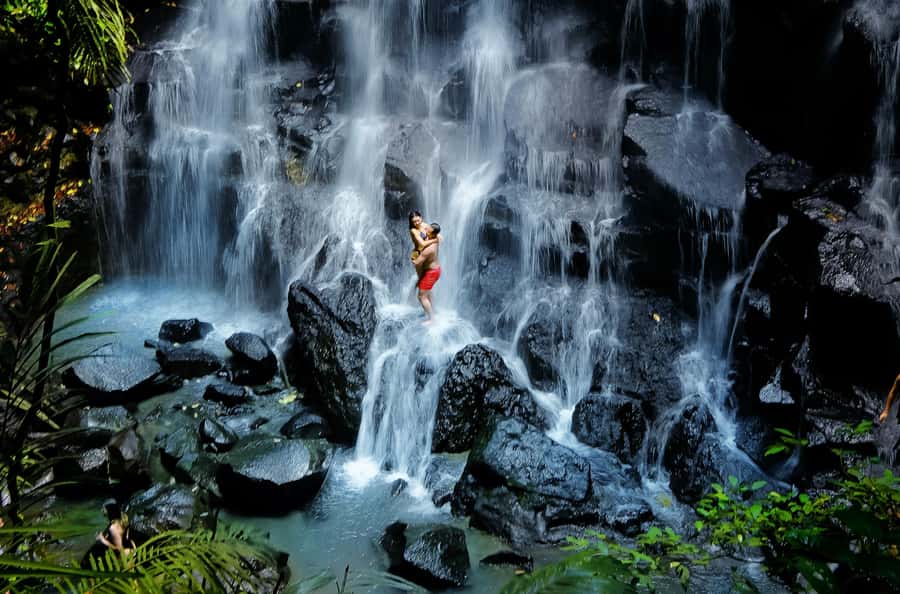
Next up is Tibumana Waterfall, where the vibe changes from temple solemnity to jungle relaxation. The scheduled time is about an hour, and the focus is on seeing the falls and getting a refreshing break.
This is the stop where you’ll probably appreciate the practical list of what to bring: a change of clothes and a towel. You may get wet, and Tibumana’s paths can involve stairs and rocks, so you’ll want shoes that don’t slip.
If you’re the type who likes to swim, bring what you need for a quick dip and then dry off. The tour notes also suggest using a waterproof bag for your phone and valuables—smart move because waterfalls and phones don’t mix well.
For photos, think simple: hold your shots longer. At Tibumana, the mist and movement look best when you’re not trying to rush to the perfect angle every ten seconds.
Kanto Lampo Waterfall: Tiered Falls and Strong Photo Moments
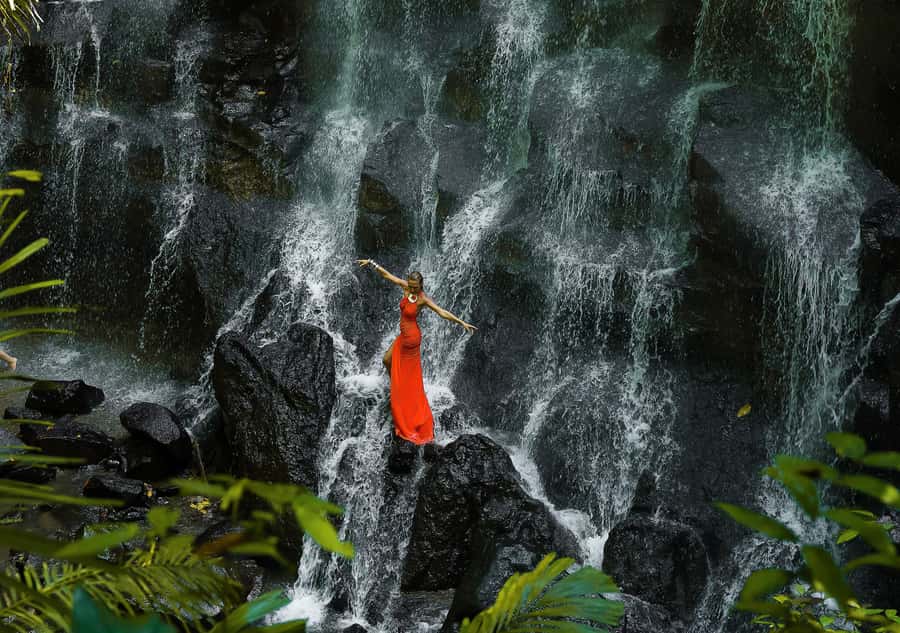
Then it’s on to Kanto Lampo Waterfall, with about an hour again. This stop tends to feel like a photography moment: tiered cascades, lush surroundings, and plenty of visual rhythm for shots.
Where Tibumana can feel like a calm reset, Kanto Lampo often feels more “pose-friendly.” You’ll still be walking and navigating uneven ground, but the payoff is in the fall structure and the way the water drops into layered views.
Again: expect wet surfaces. The tour notes flag slippery areas, so keep your pace steady. If you’re bringing a camera, consider how you’ll keep it safe from mist and splashes.
For people who like guided photo support, this is where it can pay off. Some add-ons include polaroid photography, and several guides—like Komang Sparsa and Wayan in past bookings—have been called out for taking great photos and helping you get them without stress.
Lunch and Coffee Add-ons: Where the Day Actually Tastes Good
You’ll have lunch at a local restaurant, typically included as a buffet lunch if you select the lunch add-on. Even if you’re not chasing “foodie” experiences, this is valuable because Ubud days can get long fast. A sit-down meal keeps the afternoon enjoyable rather than snack-only survival.
There’s also a complimentary coffee tasting as a highlighted part of the experience. Plus, the tour offers optional upgrades like Luwak coffee tasting (listed as an add-on).
Coffee in Bali is never just about caffeine. It’s part of the agriculture and local economy story, and tasting sessions are often the easiest way to understand why Bali’s coffee culture is such a thing. If coffee is your hobby, the luwak tasting add-on is the one to consider; if you just want the basics, the included tasting should be enough.
Add-ons That Change Your Day: From Massage to Monkey Forest
This tour is flexible, and the add-ons can genuinely change the pace and feel of your day. Here are the main ones listed:
- Spiritual Cleansing at Tirta Empul (add-on)
- Coffee Luwak Tasting (add-on)
- Traditional massage (1-hour massage add-on)
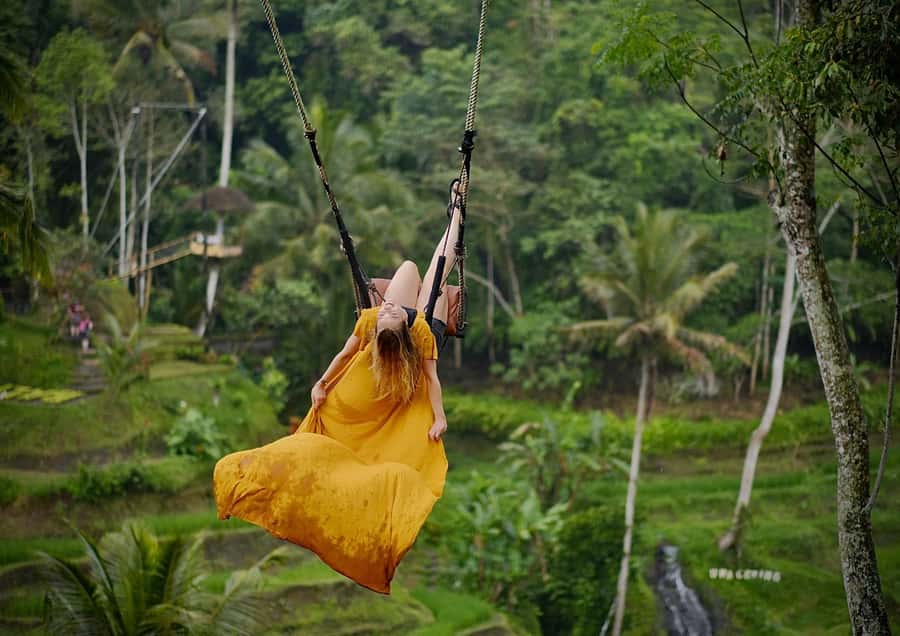
- Jungle swing and coffee (add-on)
- Polaroid camera photographs (add-on)
- 1.5-hour guided tour at Monkey Forest Ubud (add-on)
- Optional guide-focused add-ons like Female guide and language options (German, Japanese, Korean)
A simple way to choose: pick one “fun body” add-on (like massage or jungle swing) and one “mind/culture” add-on (like spiritual cleansing or Monkey Forest). Doing too many at once can turn your day into a menu, not a memory.
If you’re traveling with someone who loves photos, polaroid add-ons plus guides who are comfortable photographing you—like Gusde or Gede Astrawan in previous trips—can be a big win because you don’t have to juggle selfie sticks while you’re also trying to enjoy the sites.
Transportation and Timing: What 6–7 Hours Feels Like in Real Life
The tour runs about 6–7 hours, including pickup and drop-off. Transportation is by air-conditioned vehicle, and fuel costs are included.
Pickup is optional, but only from specific areas: Bali central including Jimbaran, Nusa Dua, Kuta, Seminyak, Canggu, Sanur, Ubud, and Kintamani. Your drop-off includes Ubud Palace in two locations (as stated in the tour details).
In practice, that means your day starts with a clear meeting point. The tour notes ask you to be ready about 5 minutes before pickup at your hotel lobby, and that makes a difference if you’re trying to avoid delays.
Communication matters too. They strongly recommend WhatsApp, and you’ll use the contact on your voucher to chat for confirmation and coordination. If you hate messaging apps, consider at least downloading WhatsApp before you go—it prevents awkward last-minute confusion.
What to Bring (and What to Leave Behind)
The tour gives a solid packing list, and following it keeps the day smooth:
- Comfortable shoes with grip
- Sun hat, sunscreen
- Camera
- Change of clothes
- Towel (especially if you plan to swim at Tibumana or Kanto Lampo)
- A waterproof bag for your phone and valuables
Not allowed:
- Pets
- Alcohol and drugs
Also helpful: bring cash for personal expenses. The tour notes explicitly mention this, and it saves you from scrambling if you want snacks or small purchases at stops.
Respect, Rules, and Physical Reality at Waterfalls
This is a walking-and-standing day. The tour warns that some paths are uneven, and waterfalls can involve stairs and rocks.
If you have back problems, mobility limits, or use a wheelchair, this isn’t the best match. The tour explicitly lists it as not suitable for:
- pregnant women
- people with back problems
- people with mobility impairments
- wheelchair users
- babies under 1 year
- people over 95 years
- people over 70 years
If you’re generally healthy but hate slipping, you can still go—you just need to move slowly, watch your footing, and treat wet steps like wet steps (not like treadmill steps).
For Tirta Empul, plan your clothing early. A lightweight wrap or clothing that hits the modest requirement makes the temple part easier.
Who This Tour Suits Best
This is a great fit if you want a single day in Ubud that covers the big “must-see” elements plus two waterfall breaks.
You’ll likely enjoy it most if you:
- like walking photo stops more than sitting in museums
- care about understanding Balinese spirituality (especially at Tirta Empul)
- want a guide to handle the practical parts so you can focus on the scenery
It’s also a smart choice for first-time visitors who don’t want to piece together rice terrace + temple + waterfalls on your own.
If you’re traveling with kids, note that the tour doesn’t list a specific age rule for kids, but it does emphasize physical walking and uneven ground. I’d treat it as age-dependent and bring extra caution if your child isn’t steady on stairs.
Should You Book This Ubud Rice Terrace, Tirta Empul, and Waterfalls Trek?
I’d book it if you want one organized day that gives you Ceking’s rice terrace views, the real ritual setting of Tirta Empul, and two distinct waterfall stops without rushing.
Skip it—or at least think twice—if you know you’ll struggle on wet, uneven paths, or if modest dress and the Tirta Empul period rules create a problem for you.
If you want to customize, choose add-ons that match your energy: spiritual cleansing if you’re curious about the ritual side, and one comfort or fun add-on (massage or swing) if you want the day to end on a good note. And if photography matters, look for options like polaroid shots and guides known for photo help, such as Gusti or Komang Sparsa.
FAQ
How long is the Ubud rice terrace, Tirta Empul, and waterfalls tour?
The duration is about 6 to 7 hours.
Do I get hotel pickup and drop-off?
Yes. Hotel pickup and drop-off are included, and pick-up is available from listed Bali central areas including Jimbaran, Nusa Dua, Kuta, Seminyak, Canggu, Sanur, Ubud, and Kintamani.
Are entry tickets included for each attraction?
Entry tickets are included only if you select the option that includes them. Tickets are listed for Tegalalang Rice Terrace, Tirta Empul, Tibumana Waterfall, and Kanto Lampo Waterfall when the entry-ticket option is chosen.
What should I wear and pack for Tirta Empul?
You’ll need modest attire with shoulders and knees covered. A sarong is provided, and it’s also helpful to bring clothing that you can keep comfortable in.
Will I get wet at the waterfalls?
You may get wet, especially at Tibumana and Kanto Lampo. The tour notes suggest bringing a towel and a change of clothes if you plan to swim.
Is this tour suitable for everyone?
No. It is not suitable for pregnant women, people with back problems, mobility impairments, wheelchair users, babies under 1 year, people over 95 years, or people over 70 years.
Can women who are on their period enter Tirta Empul?
No. The tour notes say women on their period are not allowed to enter the temple grounds or participate in rituals at Tirta Empul.