REVIEW · SA PA
Sa Pa: 2-Day Trekking Trip with Ethnic Minority Homestay
Book on GetYourGuide →Operated by Vietnam Nomadtrails · Bookable on GetYourGuide
A two-day trek can change your whole Sa Pa trip. I love the mountain-and-rice-terrace views and the chance to slow down in a Dzay homestay with real family meals. The one catch: this hike can get muddy and slippery in wet weather, so your shoes and attitude matter.
What makes it especially interesting is the mix of villages and ethnic communities across the Muong Hoa Valley—Black H’mong at Y Linh Ho and Lao Chai, then a night in a Dzay house. I also like that guides such as Lan, Khu, Mme Nhu, Son, and Robert are English-speaking, which means you’re not just walking—you’re learning what you’re seeing as you go. A possible drawback: you may get occasional friction around village stops where buying small items comes up, so go in with a respectful, steady mindset.
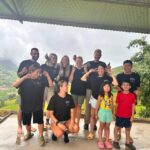
If you like short hikes, big scenery, and cultural exchange that’s more “shared life” than museum-style touring, this 2-day loop has the right rhythm. It’s also small-group friendly (up to 14 people), which usually keeps the walk from feeling like a conveyor belt.
In This Review
- Quick takeaways before you go
- Why Muong Hoa Valley trekking feels different from a town day
- Day 1: From Sa Pa to Ta Van with Y Linh Ho, Lao Chai, and a Dzay dinner
- Day 2: Bamboo forest, a waterfall pause, and a Muong Hoa River swim
- How hard is the hike really? Pace, mud, and what locals do for you
- Food, homestay comfort, and what to expect in the Dzay house
- Guides make or break it: Lan, Khu, Mme Nhu, Son, and the kind of English you want
- Price check: $55 includes meals, tickets, and transport, so where does your money go?
- Practical gear and culture tips (so you stay comfy and respectful)
- Weather, slips, and small friction points like bedbugs and shop stops
- Should you book this 2-day Sa Pa homestay trek?
- FAQ
- How long is the trekking trip from Sa Pa?
- What distance do we walk each day?
- Where do we stay overnight?
- Is food included?
- What does the trekking cover on Day 1 and Day 2?
- How big is the group?
- What language is the guide?
- What should I bring?
- Is there any extra cost during Lunar New Year?
- What is the cancellation policy?
Quick takeaways before you go
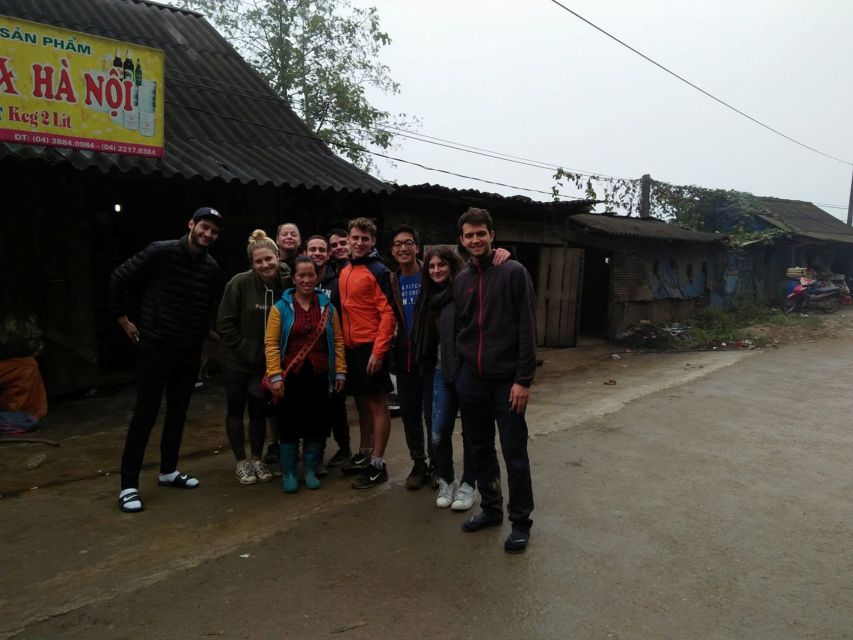
- Two village days, not one: You’ll meet different ethnic communities as you walk through the Muong Hoa Valley.
- Homestay dinner in a Dzay house: Expect a hosted family meal, plus a breakfast the next morning.
- Rough weather is part of the deal: Mud, slips, and cool mountain air can happen—pack accordingly.
- Short but steady hiking: Day 1 is about 11 km; Day 2 is about 8 km, with a dirt trail and river time.
- Guide quality is the real multiplier: Names you might hear include Lan, Khu, Mme Nhu, Son, and Robert.
- Know the tradeoffs: Not for people with mobility issues, back problems, pregnancy, or children under 6.
Why Muong Hoa Valley trekking feels different from a town day
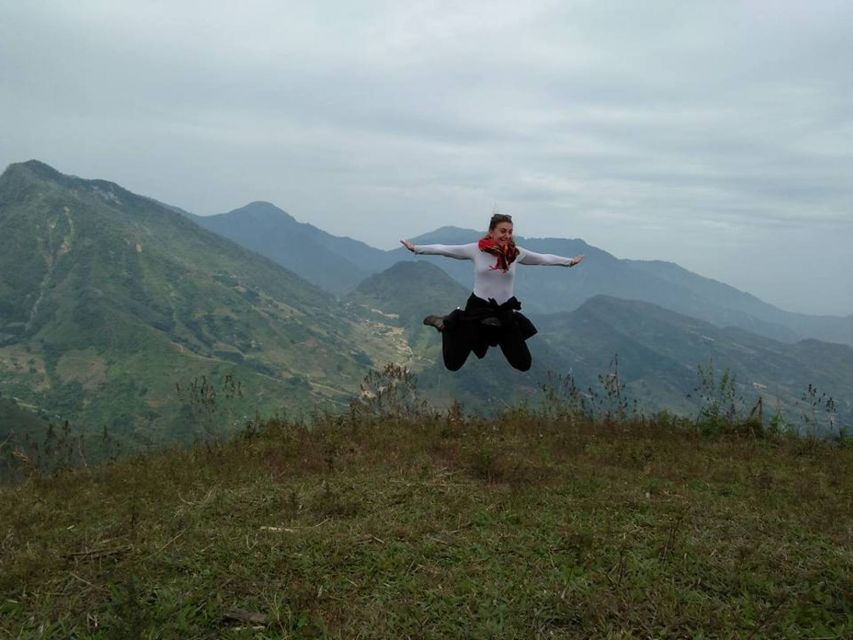
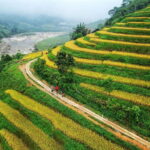
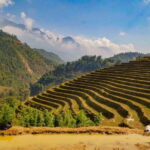
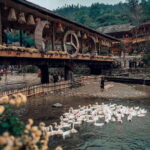
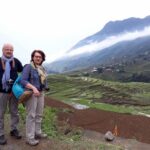
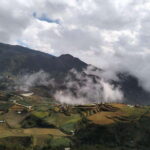
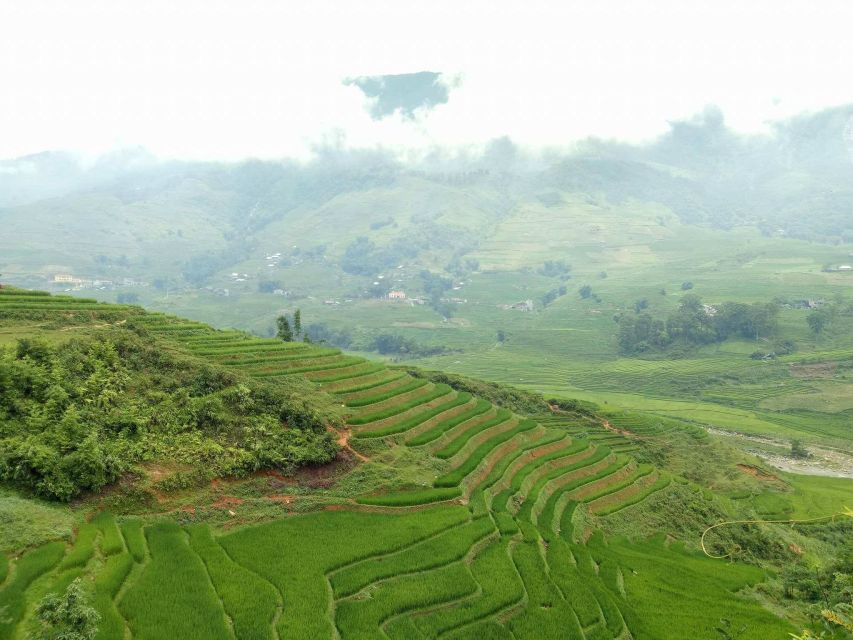
Sa Pa can be busy. This trek is the opposite vibe: smaller lanes, quieter paddies, and villages that sit right on the slope. You spend your time walking through Muong Hoa Valley rather than just riding past it. That means you see how the terrain shapes daily life—paths that follow the contours, house clusters built where the water and fields make sense, and terraces that look like steps from a distance but reveal real work up close.
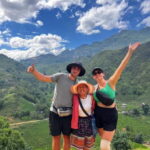
I also like that your day isn’t only about one big photo moment. You get multiple stops: a village encounter at Y Linh Ho, passing through areas such as Lao Chai on your way toward Ta Van, then a second day that includes bamboo forest and a break at a waterfall. The trip keeps moving, but it’s not a “run until you collapse” style outing.
The value part is clear when you look at what’s included. For around $55, you’re paying for a guide, entry/tickets where needed, multiple meals (including a hosted dinner), one night in a Dzay homestay, mineral water, and the return transfer by bus. That’s a lot bundled together, which matters in Sa Pa when prices and add-ons can creep up fast.
You can also read our reviews of more tours and experiences in Sa Pa.
Day 1: From Sa Pa to Ta Van with Y Linh Ho, Lao Chai, and a Dzay dinner
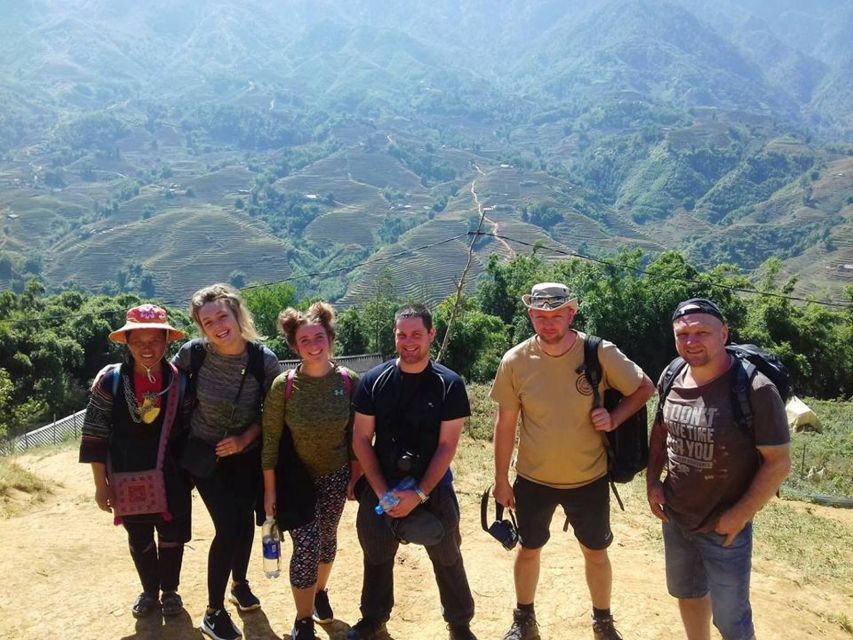
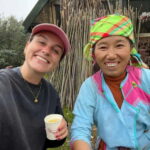
Day 1 starts with pickup in Sa Pa’s town center. From there, you step into the Muong Hoa Valley corridor and begin an 11-kilometer trek. The first main village stop is Y Linh Ho, where you’ll meet Black H’mong community members. This is one of those times when the details matter: clothing, house layout, and how people explain their routines. With an English-speaking guide (Lan and Khu are common names you might meet), you’ll have context as you walk rather than guessing.
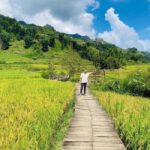
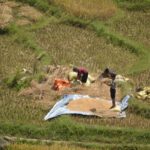
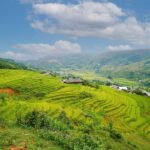
You’ll also get a classic Sa Pa combo—Fansipan mountain views and surrounding rice paddies. The area isn’t just scenic; it’s functional. Rice terraces are engineered for water flow, and walking past them helps you understand why the slope matters so much. Don’t rush these moments. Even a short pause helps your eyes adjust from “wow” to “okay, I see how this works.”
As you continue toward Ta Van, you pass through other ethnic settlements such as Lao Chai. That transition is important. Ta Van isn’t an isolated “destination.” It’s part of a wider patchwork of villages and paths that people use to connect fields, markets, and families.
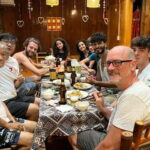
Then comes the best part of Day 1: overnight in a Dzay homestay. You check in, settle, and share a hosted dinner. This is where the trip feels less like sightseeing and more like joining a household routine for one night. One dinner is included, and you’ll also have lunch earlier—both at local settings arranged by your guide.
Practical note for the homestay night: the atmosphere can be cozy, but rooms are simple. Plan to sleep in a basic setup, not a hotel. A few people have also flagged bedbugs in some beds, so it’s smart to check the mattress seams and bedding carefully before you commit to sleeping arrangements.
Day 2: Bamboo forest, a waterfall pause, and a Muong Hoa River swim
After breakfast at the homestay, you start Day 2 with an 8-kilometer trek. The route follows a dirt trail and takes you through a smaller village area first, including a stop near an H’mong village. It’s not a “big sightseeing day,” and that’s a good thing. You’re walking through living space, not only through set points.
The next highlight is the bamboo forest section. This is the part that feels cooler and quieter, and it tends to break up the views with something different from terraces and open slopes. If you’re the kind of traveler who likes changes in scenery every hour, you’ll enjoy this segment.
Then you take a break at a waterfall. The timing matters: when weather is good, this becomes a reset. When it’s not, it still works because it gives you a chance to slow down, change layers, and get ready for the river part.
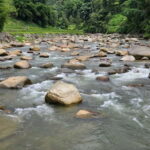
The river moment is one of the most memorable pieces: you’ll have time to cool off with a swim in the Muong Hoa River. Not everyone will jump in, but the option is there. It’s a fun way to turn a hard-walking day into something playful, and it helps you feel the valley rather than just look at it.
Lunch is included at a local restaurant before you drive back to Sa Pa. That final meal is practical. You’ve worked up appetite, and you’ll appreciate not having to hunt for food right after the trek.
How hard is the hike really? Pace, mud, and what locals do for you
This isn’t a stunt trek. Most people find it manageable, but it’s still a hike in mountain terrain. Day 1 clocks in around 11 km, and Day 2 is around 8 km. The distances sound short on paper, but your pace depends on steps, dirt paths, and elevation changes.
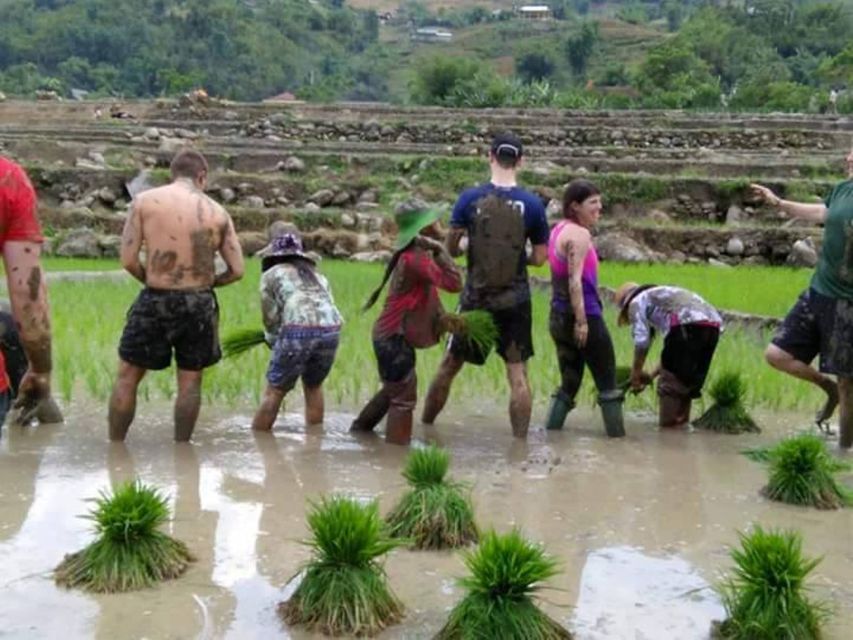
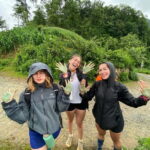
The bigger challenge is weather. Rain can make the trails muddy and slippery. When that happens, you’ll be glad you brought proper trekking shoes with grip. You’ll also likely rely on local support along the way—helpers or women in the group may assist with tricky sections and guidance down steep bits.
If you’re deciding whether to go, think about your footing more than your stamina. You should feel comfortable with uneven ground for multiple hours. It’s also not suitable for people with mobility impairments, back problems, or for children under 6. Pregnancy is also listed as not suitable. If any of those apply to you, it’s better to choose a different style day trip in Sa Pa.
One more friction point: the trek can feel longer than you expect when trails are wet. Your guide can adjust pace and routes based on group needs, and it’s okay to ask for a slower rhythm. Good guides keep an eye on everyone’s condition, not just the schedule.
Food, homestay comfort, and what to expect in the Dzay house
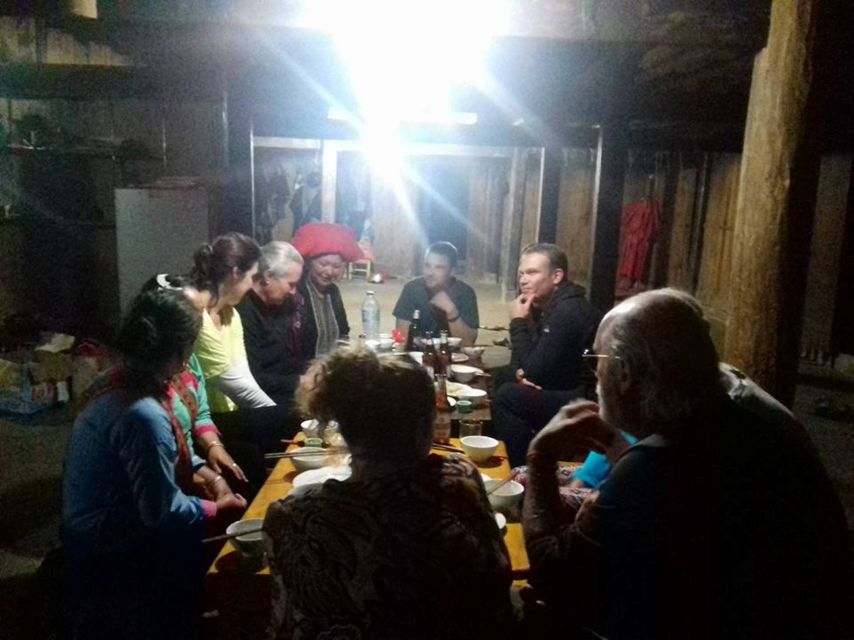
Food is a big reason this trek works as a two-day experience. You get two lunches at local restaurants, plus one hosted dinner with your Dzay homestay family. That dinner isn’t just a meal; it’s part of the cultural exchange. You’ll see how a household sets up cooking, serving, and hospitality.
Breakfast is included at the homestay on Day 2. After a first day that includes village walking and hours outside, a warm breakfast helps you reset. You’ll feel ready to start again.
As for comfort, this is not luxury lodging. Many people describe the homestay as simple but welcoming. Some reports mention a view from the homestay and even the presence of internet or outlets, which can be a pleasant surprise if you’re used to staying fully connected. Blankets matter too—warm layers and bedding can make the night much easier.
Still, treat this as a home stay with real-world details. In at least some cases, people have mentioned bedbugs in some beds. That doesn’t mean every room is affected, but it’s enough of a flag that you should check bedding seams, and if something looks off, tell your guide right away.
In the evening, don’t expect a lot of entertainment. The night is for resting and sharing. If you want big nightlife, Sa Pa town is where that happens. Here, the value is the quieter connection.
Guides make or break it: Lan, Khu, Mme Nhu, Son, and the kind of English you want
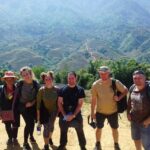
The reviews consistently highlight one theme: guides who can explain what you’re seeing make the trek feel meaningful. With this tour, you’ll have an English-speaking guide, and you might meet people like Lan, Khu, Mme Nhu, Son, or Robert.
What I like about this style of guiding is the balance. A good guide doesn’t only translate words. They help you understand why people live where they live, why terraces look the way they do, and what daily customs mean in context. That’s where your walks turn into learning.
Guides also help with the practical side. Wet trail sections need guidance. Steep steps need careful movement. If someone is struggling, a thoughtful guide checks in and adapts the pace. A few people also mention that guides answered questions often, and some even took the group to a festival in the wider area when timing aligned. Even without that extra, the core value is clear: you’re not stuck wandering without context.
One balanced caution from the real-world side: a few people noted that a guide sometimes used a phone more than they expected. If you’re sensitive to that, choose the tour with the guide energy you want—friendly, engaged, and present.
Price check: $55 includes meals, tickets, and transport, so where does your money go?
At $55 per person, the headline value is that the trek isn’t “pay for the hike, then pay again for everything.” The included items are substantial:
- English-speaking guide
- Entrance tickets to the sites used
- Two lunches and one hosted dinner
- One breakfast at the homestay
- Homestay accommodation in a Dzay ethnic village
- Mineral water
- Return transfer by bus
That’s why this price can work well if you want a full two-day package without shopping around for guides, meals, and lodging separately. In Sa Pa, costs can add up quickly if you piece it together.
The main extra cost to watch is the Lunar New Year surcharge of $30 per person for the dates listed (Jan 26–Feb 2, 2025). If you’re traveling during that window, confirm the total early. Another part to plan for is drinks, which are not included.
When you think about value, ask yourself what you’d otherwise pay for: a private or small-group guide, a homestay night, and the included meals. For many people, those are the expensive components. Here, they’re bundled, and that makes the trek a smart choice for a two-day window.
Practical gear and culture tips (so you stay comfy and respectful)
Bring comfortable shoes with traction. This is the #1 practical item for a muddy mountain trail. Even if the forecast looks okay, mountain weather can change. Wear warm clothing because from October to March, temperatures can run chilly. Sunglasses help too—you’ll spend time looking at bright terraces and mountain views.
Add sunscreen and insect repellent. You’ll be outside for long stretches, and even on a clear day, bugs and sun happen.
On the cultural side, the tour asks you to respect local culture. That means be patient during village interactions, avoid treating people like photo props, and follow your guide’s advice on where to stand, how to ask questions, and how to handle invitations to buy small items. A small amount of commerce may come up, especially at stops where people offer crafts or local products. If shopping isn’t your thing, a calm yes/no is usually best—don’t argue.
Also, keep an eye on your energy. Warm clothing and layers help you avoid getting cold during stops at the waterfall or river. If you bring a light rain layer, you’ll thank yourself.
Weather, slips, and small friction points like bedbugs and shop stops
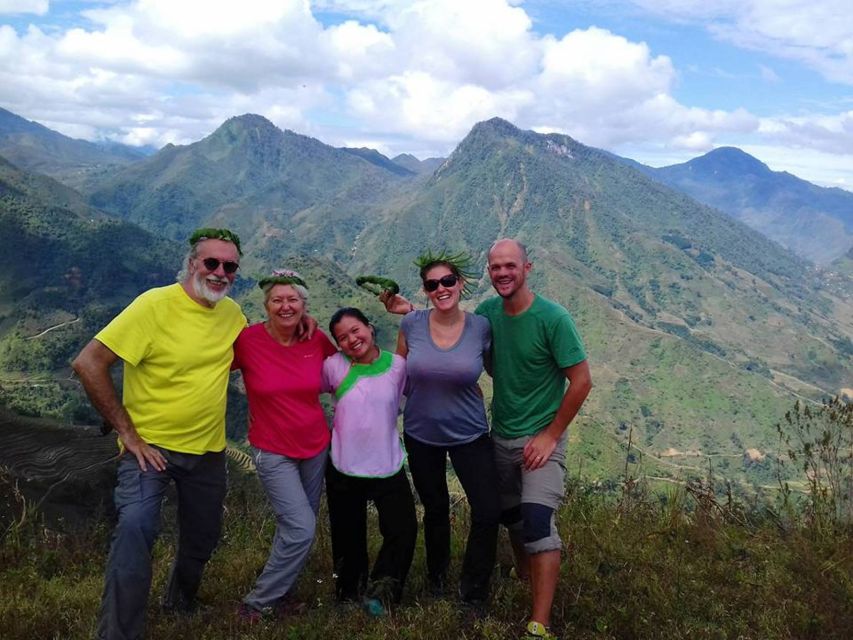
Weather is the wild card. When it rains early, you may find the trails slippery and more tiring. The upside is that the valley can still look great, and the tour keeps you moving at a safe pace with local support. The best strategy is simple: dress for wet ground, walk slowly, and don’t try to power through like it’s flat sidewalk.
A second friction point is the homestay bedding issue. Because bedbugs were mentioned for some beds, treat bedding inspection as part of responsible travel. Tell your guide immediately if you see anything concerning.
A third small friction point is transfer timing. Some people said the last return transfer needed extra waiting for another group, and it was tight for catching a bus onward to Hanoi. To protect your schedule, build buffer time into your next leg. If you have a hard departure later that day, consider taking it easy with your timing.
Finally, shopping stops can feel awkward. Some people felt that women who walked with the group expected purchases. You can keep it polite and brief, but don’t feel pressured into anything you don’t want.
None of these points cancel out the experience. They just help you plan so you stay in control.
Should you book this 2-day Sa Pa homestay trek?
Book it if you want a two-day plan that mixes walking, villages, and a real night with a Dzay family. You like rice terraces, bamboo forest, and the kind of scenery you get from getting out of the vehicle. You also care about having context, not just photos—because an English-speaking guide makes a big difference.
Skip it if you need a fully comfortable, low-impact schedule. This trek is not suitable for people with mobility impairments, back problems, pregnancy, or children under 6. If slippery ground worries you, you might choose a calmer Sa Pa day instead.
Here’s the decision-maker detail: if you can handle muddy trails with trekking shoes and warm layers, this tour is excellent value because meals, homestay, guide support, and transport are bundled. If you’re coming on Lunar New Year dates, add the $30 surcharge to your budget. And if you’re booking during a rainy stretch, pack like you expect wet ground.
If you want, tell me your travel dates and your hiking comfort level, and I’ll help you judge whether this fits your Sa Pa schedule.
FAQ
How long is the trekking trip from Sa Pa?
It’s a 2-day trip. The activity runs on two days of hiking with an overnight stay in a Dzay ethnic minority homestay.
What distance do we walk each day?
Day 1 is about 11 kilometers. Day 2 is about 8 kilometers.
Where do we stay overnight?
You spend the night at a homestay in a Dzay ethnic minority village.
Is food included?
Yes. The trip includes two lunches at local restaurants and one hosted dinner in the village, plus breakfast at the homestay. Mineral water is also included.
What does the trekking cover on Day 1 and Day 2?
Day 1 covers Sa Pa to Y Linh Ho, then Lao Chai, and onward to Ta Van before staying overnight. Day 2 includes a bamboo forest segment, a stop near a waterfall (with time to cool off), and a swim in the Muong Hoa River before returning to Sa Pa.
How big is the group?
The group is limited to 14 participants.
What language is the guide?
The guide is English-speaking.
What should I bring?
Bring comfortable shoes, warm clothing, sunglasses, sunscreen, and insect repellent.
Is there any extra cost during Lunar New Year?
Yes. There is a 30 USD per person surcharge for Lunar New Year for the dates listed (January 26 to February 2, 2025).
What is the cancellation policy?
You can cancel up to 24 hours in advance for a full refund.