REVIEW · KATHMANDU
Everest Base Camp Trek
Book on Viator →Operated by Welcome Nepal Treks P.ltd · Bookable on Viator
This trek has Everest in your footsteps. Over 14 days you’ll move through the Khumbu region, meet Sherpa culture up close, and reach Everest Base Camp with a route designed around altitude sense.
I especially liked the logistics: airport pick-up and drop-off in Kathmandu, 3-star standard hotel stays at each end, and daily lodge/tea house routing so you’re not constantly problem-solving.
My other big win was the human factor—having a strong guide matters here, and the name that comes up again and again is Pradip (sometimes called Master Zi or Big Z), plus solid pre- and post-trip support from people like Niti and Hari. The main drawback? You’re at the mercy of Lukla flight timing, and delays can change how tightly your schedule feels.
In This Review
- Key things that make this Everest Base Camp trek worth your attention
- Kathmandu first: setting your body clock for altitude
- Lukla flight: the moment the trek becomes real
- Day-to-day walking: how the route builds altitude without rushing
- Phakding to Namche Bazaar: Sherpa life appears fast
- Acclimatization in Namche: rest with purpose
- Namche to Tengboche: monasteries and big quiet views
- Tengboche to Dingboche: higher air, slower steps
- Dingboche to Lobuche: the trek climbs toward Everest country
- Lobuche to Gorakshep to Everest Base Camp: the most rewarding section
- Gorakshep to Kala Patthar to Pheriche: the sunrise-style payoff
- The return loop: Namche to Lukla feels longer than you think
- Price and value: what $1,500 includes (and what still costs extra)
- Guide, porters, and safety: why Pradip is a standout name
- What to pack and how to travel with luggage
- Food, water, and power: small comfort wins you’ll actually feel
- Who this trek suits (and who should reconsider)
- Should you book this Everest Base Camp trek?
- FAQ
- What time and where does the trip start in Kathmandu?
- How long is the Everest Base Camp trek?
- What’s included in the tour price?
- How many people are in the group?
- Do you need travel insurance?
- How does luggage work during the trek?
- Is electricity available to charge devices?
- What about Lukla flight delays or cancellations?
- Is a single room available?
- Are tips required?
Key things that make this Everest Base Camp trek worth your attention
- Practical acclimatization stops built into the schedule, not just “walk higher and hope”
- Trek partner setup: 1 porter for 2 people, and your main luggage is handled for you
- High-impact sightseeing at Kala Patthar, then you’re rewarded with the big Everest perspective
- Care in the details: TIMS card fees, first-aid kit, and guide/porter support are included
- Flight disruption options are addressed (reschedule the next day, or helicopter at extra cost)
Kathmandu first: setting your body clock for altitude
Your trip starts in Kathmandu with a straightforward arrival plan. You land at Tribhuvan International Airport, get met, and transfer to your hotel. This first day is about two things: getting sleep and getting organized. The trek begins early in Nepal, and you’ll feel it.
You also get a real benefit from having time before your first mountain day. Even if Kathmandu is “just a city,” it’s where you can sort out basics: trekking shoes, snacks for early mornings, water purification tablets, and a plan for charging devices. Kathmandu accommodations are described as 3-star standard, with attached bath and hot/cold shower, plus A/C. That’s not luxury for show—it helps you recover after a travel day.
You can also read our reviews of more tours and experiences in Kathmandu.
Lukla flight: the moment the trek becomes real
The schedule lines you up for an early flight from Kathmandu to Lukla (about 2,886m). Then you start walking down toward Phakding (around 2,640m). This is the classic EBC rhythm: fast change in altitude by air, then hiking to settle your lungs.
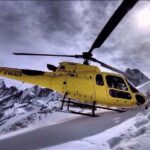
Lukla is also the part where things can get unpredictable. The plan includes a specific approach if your Lukla in/out flight gets cancelled or delayed: reschedule for the following day if possible. If you’re in a group, there’s also the option to hire a helicopter to fly to/from Lukla at your own expense (minimum US$500 per person, depending on group size). The big practical takeaway: have travel insurance that covers flight cancellation for at least that kind of cost, since helicopter rescue is only useful if your policy can help.
Day-to-day walking: how the route builds altitude without rushing
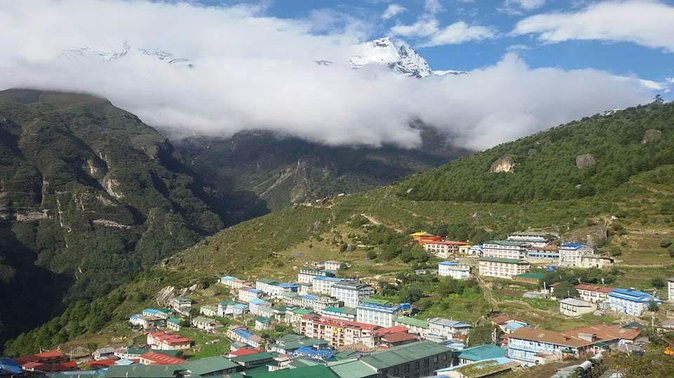
The trek is built around a pattern you want at altitude: steady walking days, then a pause day. Here’s how the big stages feel.
Phakding to Namche Bazaar: Sherpa life appears fast
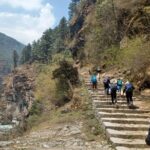
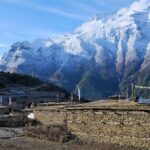
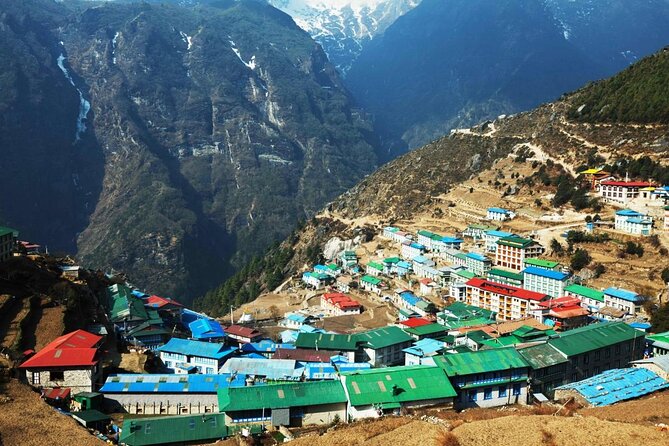
You hike from Phakding up to Namche Bazaar (around 3,440m). This leg is where the trail starts to feel like an expedition. You’re gaining altitude but you’re also entering a place where daily life is clearly shaped by the mountain.
Namche is more than a dot on a map. It’s described as the capital of Sherpa community, and it’s also your acclimatization anchor. After you arrive, you’re not pushed immediately to the next highest point.
Acclimatization in Namche: rest with purpose
You get a dedicated acclimatization day in Namche. That’s a big deal. A rest day can be boring at sea level; at altitude it’s what makes the next days safer and more comfortable. The schedule also frames Namche as an ideal high-altitude stop before heading toward Tengboche.
In plain terms, this day buys you breathing room. You can take it easy, explore nearby areas, and adjust your pace for what’s coming next.
Namche to Tengboche: monasteries and big quiet views
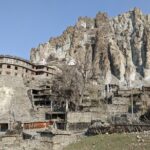
From Namche you head toward Tengboche (about 3,867m). Tengboche is famous for monasteries, and that spiritual setting is part of why many people love this route. Even if you’re not religious, the mood changes here. The trail feels less like pure climbing and more like moving through Sherpa culture.
This is also where you’ll start noticing how your hiking pace needs to match altitude, not ambition. A strong guide helps here by keeping you steady and informed.
Tengboche to Dingboche: higher air, slower steps
You move up to Dingboche (around 4,260m). The trail is longer and the altitude is higher, so your body starts asking for more patience. Lodges/tea houses along the way are described as clean and comfortable, but don’t expect modern comforts.
You then get another acclimatization day at Dingboche (sometimes with a loop back and rest). That “go up, then come down slightly, then rest” method is classic for good reason: it helps your body adjust without stacking fatigue too fast.
Dingboche to Lobuche: the trek climbs toward Everest country
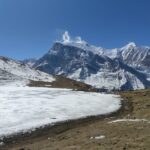
From Dingboche you continue to Lobuche (around 4,930m), with lunch stop at Dugla (about 4,595m). This stretch is where the terrain starts to feel more rugged and more exposed. You’re close enough to Everest-area scenery that the trek shifts from villages-and-stairways to rockier realism.
Lobuche to Gorakshep to Everest Base Camp: the most rewarding section
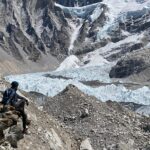
Next you push onward to Gorakshep (about 5,140m), then to Everest Base Camp (EBC), with the route described as the most rewarding segment. This day is often the emotional peak: you’re working hard, but you can also feel the payoff. The trail winds through rocky sections, and the altitude makes every step feel louder.
Expect lodges/tea houses at these higher points to be basic. That’s not a flaw—it’s the deal in remote Himalayan areas. The practical win is that the package keeps you moving with planned meals and lodging so you’re not stuck hunting for options at the end of the day.
Gorakshep to Kala Patthar to Pheriche: the sunrise-style payoff
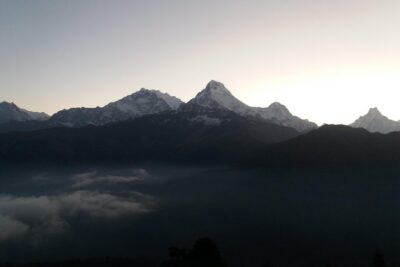
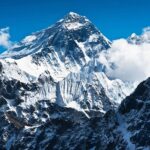
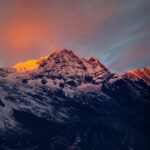
You trek from Gorakshep to Kala Patthar (around 5,545m), then down to Pheriche (around 4,243m). Kala Patthar is one of the most famous spots on this route for views. Even if you’re not chasing perfection, you’ll feel like the mountain is suddenly closer.
After that, you hike down. That down part matters because it helps you recover. It also makes Day 10 feel like a swing between “hard effort” and “big reward,” then back to “let’s get comfortable again.”
The return loop: Namche to Lukla feels longer than you think
From Pheriche you head back toward Namche Bazaar (about 3,440m). This return day includes an afternoon arrival back at Namche, which is the comfort zone after the higher camps. Then you trek from Namche to Lukla (around 2,886m).
The Lukla flight back to Kathmandu happens on Day 13, and Day 14 is your departure day. One reason the return can feel long is psychological. You’ve already hit the big goal, so it’s easy to mentally drift. Don’t. Keep your pace steady, and you’ll enjoy the change in scenery as altitude drops.
Price and value: what $1,500 includes (and what still costs extra)
At US$1,500 per person for a roughly 14-day trip, the value is mostly in what’s handled for you. This package includes:
- Airport pick-up and drop-off by private vehicle in Kathmandu
- Two nights of 3-star hotel stays in Kathmandu (arrival and after the trek)
- Lodges/tea houses during the trek
- An experienced guide plus porters (1 porter for 2 people)
- Guide/porter salary, food, drinks, accommodation, transportation, and insurance
- TIMS card fees
- First-aid medical kit
- Meals on trek: 14 breakfasts, 11 lunches, 11 dinners
- A duffle bag provided if needed
What you should plan to pay separately:
- Travel insurance
- Meals (lunch and dinner) while you’re in Kathmandu
- Drinks, including alcohol and non-alcoholic beverages
- Extra entrance fees for Kathmandu sightseeing (approx. US$25)
- Tips (suggested range 10–15% of the total tour cost)
- If needed, any helicopter cost (minimum US$500 per person) due to Lukla disruptions
From a “real traveler math” viewpoint: you’re paying for fewer decisions and less risk. That matters on EBC routes, where a missed connection or missing permit can cost days.
Guide, porters, and safety: why Pradip is a standout name
The most praised ingredient across the feedback is the guide experience. The name that pops up the most is Pradip, often described as funny, supportive, and very experienced on mountain routes. People also highlight him for spotting wildlife along the way and for keeping the group feeling informed and safe in tougher terrain.
That doesn’t mean the trek is easy. It means your pacing, route choices, and daily decisions are more likely to be sensible. On a trail like this, a guide who reads conditions and altitude correctly is worth more than a fancy add-on.
Porters are part of your safety too. You carry a day pack, while your main luggage is transported by porters. This keeps your day hiking realistic and helps reduce exhaustion.
What to pack and how to travel with luggage
You’re advised to travel light. The trek setup is built around having your main luggage carried. You should plan for a day pack with what you need immediately: water bottle, camera, sunscreen, spare jacket, and similar essentials.
There’s also an important domestic airline detail: weight allowance is 15 kg on Nepal’s domestic flights, including your hand bag. Excess weight is charged (noted as USD 1 or more, extra on tour cost). So your packing strategy should match your airline limit.
If you prefer, you can store extra clothes in a locker/safe deposit box in Kathmandu while you trek, at no charge (as described).
Food, water, and power: small comfort wins you’ll actually feel
Meals are included on trek, taken in lodges. You’ll have breakfast and dinner at your overnight lodge, with lunch handled at available stops daily. The plan suggests bringing water purification pills because the water available can be normal water even when it’s free.
Bottled or boiled water is available in places along the trail. The key is being consistent: treat water the same way each day so your stomach doesn’t get surprised.
On electricity: charging may be possible in some villages, sometimes through solar power. You might still pay for recharging batteries depending on village power availability, so bring spare batteries and plan your charging time.
Who this trek suits (and who should reconsider)
This trek is best for people with a strong physical fitness level and comfort with altitude. Strong fitness doesn’t mean you jog; it means you can hike steadily for hours, uphill, at elevation, day after day.
It also suits you if you want a culture-and-community route as much as a summit mission. The focus on Namche Bazaar and Tengboche monasteries is part of that. If you want only photos and no cultural rhythm, you might find some stops slow. But if you like understanding where you are, this route tends to click.
Should you book this Everest Base Camp trek?
I’d recommend booking if you want a well-supported route with clear structure, help with permits and daily meals, and a guide-led experience where Pradip-style expertise shows up in the day-to-day pace.
I’d hold back or ask extra questions first if you’re very tight on schedule. Lukla flight delays are real enough that the plan discusses rescheduling and helicopter options. If you’re risk-averse about timing, consider building flexibility into your overall Nepal trip and making sure your insurance can handle flight cancellation.
If you want the real EBC experience—villages, altitude days that make sense, and a guided push to the big viewpoints—this itinerary format is a good fit.
FAQ
What time and where does the trip start in Kathmandu?
The meeting point is Tribhuvan Airport in Kathmandu, with a stated start time of 5:30 am.
How long is the Everest Base Camp trek?
The duration is listed as 14 days approximately.
What’s included in the tour price?
Included items cover airport transfers in Kathmandu, 3-star hotel stays in Kathmandu (two nights), lodge/tea house accommodation during the trek, an experienced guide and porters, meals on trek (breakfast 14, lunch 11, dinner 11), TIMS card fees, a first-aid medical kit, and government taxes and service charges.
How many people are in the group?
The trek is described as having a maximum of 15 travelers.
Do you need travel insurance?
Travel insurance is not included, and the guide/porter costs are covered in the package, but your own travel insurance is still required separately.
How does luggage work during the trek?
Your main luggage is carried by porters, while you carry a day pack. Weight allowance on Nepal domestic airlines is noted as 15 kg including your hand bag.
Is electricity available to charge devices?
Electricity and battery charging may be available in some villages, including solar power in some areas. You may need to pay some places for recharging, so bring spare batteries.
What about Lukla flight delays or cancellations?
If a Lukla flight is cancelled, they reschedule you for the following day subject to availability. Helicopter flights are mentioned as an option at your own expense if needed.
Is a single room available?
Single supplement accommodation is available on request for an additional US$200 for the single supplement.
Are tips required?
Tips are not listed as mandatory, but they are appreciated by the support team after the trek, and a suggestion is to allocate 10–15% of the total tour cost as tips.