REVIEW · SAPA
Sapa trekking 2 days small group
Book on Viator →Operated by Saparis Horizon Travel · Bookable on Viator
Sapa trekking should feel like a shared journey, not a race. This 2-day small-group hike in Sapa lets you walk through Muong Hoa Valley and spend the night in a homestay with local families. I especially like the village-by-village rhythm (Y Linh Ho, Lao Chai, Ta Van) and the way the guide turns routes into real conversations about Hmong and Red Dao life. One thing to plan for: it’s a true trek across mountain paths, so you’ll want decent stamina.
What makes this trip feel “local” is the focus on daily life—meals, chats, and time in the villages—rather than a checklist of photo stops. Guides named Lily (and you may hear Lulu in the mix) come across as careful, friendly, and genuinely interested in answering questions. The group size caps at 15, which helps the pace stay human.
At $80 per person for about 2 days, the value is solid because dinner, breakfast, two lunches, accommodation, and water (1.5L/day) are included. That said, you’ll still need to budget for tips and personal expenses, since those aren’t covered.
In This Review
- Quick Reasons This 2-Day Sapa Trek Works
- What You Actually Do on This 2-Day Sapa Trek
- Day 1: Y Linh Ho, Lao Chai, and the Slow Build to Ta Van
- Y Linh Ho (Black Hmong)
- Lao Chai (Black Hmong) and a Bridge into the Valley
- Lunch in Lao Chai: Eat by the river or take it up the hill
- Ta Van (Giáy) and the final push to homestay
- The Homestay Night in Ta Van: Why It Matters
- Day 2: Muong Hoa Valley Viewpoints and a Red Dao Village Lunch
- Giang Ta Chai (Red Dao): lunch with local food
- The hill walk and the final pickup near Su Pan
- Price and Logistics: Is $80 Good Value?
- Group Size and Your Guide: What “Up to 15” Feels Like
- How Hard Is This Trek, Really?
- Who This Sapa Homestay Trek Is Best For
- Should You Book This Sapa 2-Day Homestay Trek?
- FAQ
- How long is the Sapa trekking 2 days Homestay tour?
- Is pickup included?
- What’s included in the price?
- Is there an overnight stay?
- What villages do we visit during the trek?
- How many people are in the group?
- What should I budget for since it is not included?
- What is the cancellation policy?
Quick Reasons This 2-Day Sapa Trek Works
- Village-to-village walking through Y Linh Ho and Lao Chai, then on to Ta Van
- Homestay night in Ta Van, with time to relax and talk with your host family
- Muong Hoa Valley viewpoints on Day 2 from higher ground near Ta Van
- Real ethnic diversity on the route: Black Hmong, Giáy, and Red Dao villages
- A guide-led experience (including guides like Lily/Lulu) that keeps questions answered and the group looked after
What You Actually Do on This 2-Day Sapa Trek
This is a two-day trekking-and-homestay plan designed around the Muong Hoa Valley villages. Day 1 is mostly about moving through Black Hmong areas, stopping for a local lunch, then continuing to Ta Van. Day 2 shifts to higher viewpoints and a Red Dao village visit before you return to Sapa town.
The best part is that the itinerary doesn’t just pass through places—it pauses in villages for food and interaction. You also get a practical structure: pickup in Sapa town, guided trekking segments, included meals, and a car transfer back at the end.
Also note the “small group” feel. With a maximum of 15 people, you’re less likely to feel like you’re standing in a line while someone counts footsteps.
You can also read our reviews of more tours and experiences in Sapa.
Day 1: Y Linh Ho, Lao Chai, and the Slow Build to Ta Van
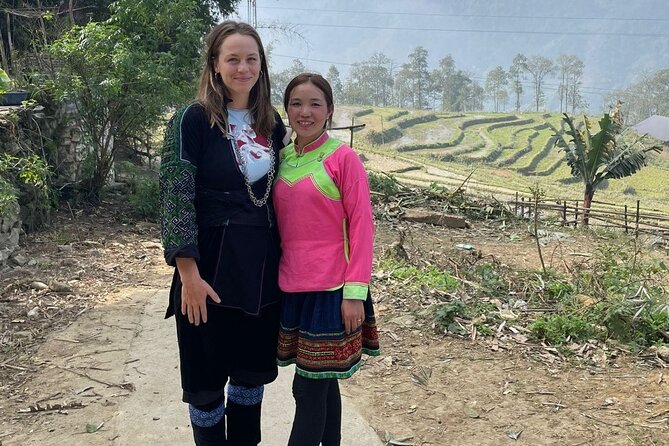
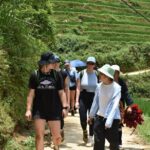
Your day starts with pickup from Sapa town around 08:00–08:30. That timing matters because it helps you get on the trail while the valley is still waking up. Your guide meets you at the meeting point in Sapa town and sets expectations for the trek.
Y Linh Ho (Black Hmong)
Around 08:30–09:00, you start trekking from Sapa town toward the southeast along Muong Hoa Valley. Your first village stop is Y Linh Ho, home to the Black H’mong people.
This part is a strong opener because it sets the tone right away: you’re not waiting until late in the day to meet locals. You’ll also get your first taste of how village life connects to the landscape and routes—people live with the mountains, not against them.
Lao Chai (Black Hmong) and a Bridge into the Valley
Next you continue to Lao Chai (roughly 10:30–11:00). The walk includes crossing into the Muong Hoa Valley area and continuing through peaceful countryside views.
Lao Chai is a good mid-trek break. You get a village atmosphere plus time to breathe, which helps when you’ll be walking again after lunch.
Lunch in Lao Chai: Eat by the river or take it up the hill
Around 12:00–12:30, you stop for lunch in Lao Chai. The plan includes local food at a restaurant near the river. There’s also an option for a picnic-style lunch on the uphill, depending on how the day is paced.
Either way, lunch is more than fuel. It’s one of the moments when the group slows down and you can actually take in the setting without worrying about the next uphill segment.

Ta Van (Giáy) and the final push to homestay
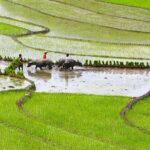
From about 13:30–14:00, you walk toward Ta Van with its large rice terraces. You’ll also have time to interact with the Giáy people.
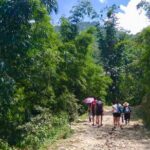
Then you continue trekking for about 3 km to the village homestay. In practical terms, this means Day 1 ends with a steady finish—long enough to feel like you earned dinner, but structured enough that the day doesn’t run away from you.
By around 15:30, you arrive at your homestay or local house for an overnight stay.
The Homestay Night in Ta Van: Why It Matters
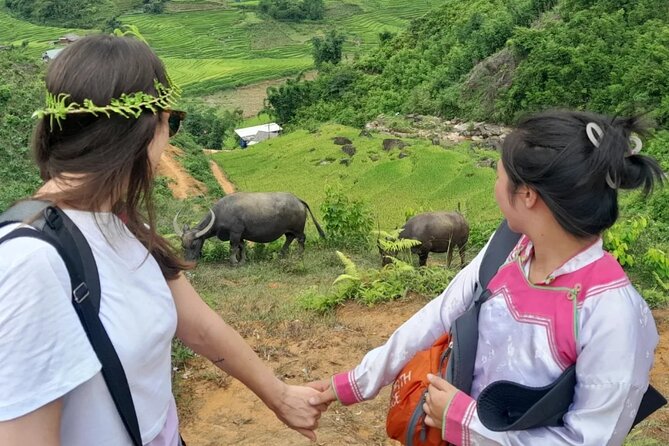
Staying with a local family isn’t just “where you sleep.” It changes how you experience the area because you’re part of the household rhythm for a night.
Dinner and breakfast are included, so you aren’t scrambling for food after the trek. You’ll also have time to relax and talk together after an active day, which is where the trip often turns from pretty walking to something memorable.
From the vibe described in guide-led experiences, guides like Lily/Lulu tend to keep the mood upbeat and conversational. You might find the evening includes lots of question-and-answer time about village life and culture, and the mood can feel more like a friendly introduction than a formal tour.
One consideration: homestays can vary. This kind of overnight is usually simple. Plan to be flexible about room size and comfort level, and focus on the cultural exchange rather than expecting hotel standards.
Day 2: Muong Hoa Valley Viewpoints and a Red Dao Village Lunch
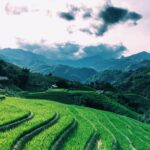
Day 2 starts around 08:30–09:00 after breakfast. Your route begins with a follow along the local trail from high ground in Ta Van, focusing on Muong Hoa Valley views.
This is a smart choice for a second morning. You’re not rushing straight into another long village-to-village grind. You get that morning perspective first—then the day continues.
Giang Ta Chai (Red Dao): lunch with local food
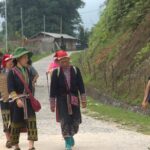
Around 12:00, you reach Giang Ta Chai Village and stop for lunch at a local home. The food is described as Red Dao local fare, paired with views of surrounding mountains and terraced fields.
Lunch here is valuable because it’s not just a meal stop. It’s part of how you understand Red Dao community life: you’re in their home setting, not just on the edge of a village.
The hill walk and the final pickup near Su Pan
After lunch, you go up the hill in the afternoon (about 13:00), then finish the trek near the main road at around 14:30 near Su Pan village. From there, the car picks you up and returns you to your accommodation in Sapa town.
This ending matters. Ending at the main road keeps it practical: you’re not stranded in the mountains, and you get back to town with less stress.
Price and Logistics: Is $80 Good Value?
The price is $80 per person for approximately 2 days. What you get for that money is the real story.
Included items:
- Dinner and breakfast
- Two lunches
- Accommodation for 1 night
- Water: 1.5L per day
- Pickup at Sapa town and transport back at the end of Day 2
If you’re comparing options in Sapa, this package tends to be a good fit because it bundles the “expensive friction”—food, lodging, and transport—into one clear total. You also don’t have to hunt for meals after trekking, which is a big deal in the hills.
Not included:
- Tips
- Personal expenses
A small but useful detail: the stops are listed with admissions as free in the schedule, so you don’t see extra entrance fees piling up during the route.
One practical tip: bring cash for personal spending. Even with a simple itinerary, you’ll likely want a snack, a drink, or something small during the day.
Group Size and Your Guide: What “Up to 15” Feels Like
This tour caps at 15 travelers, which affects your experience more than you might think.
Smaller groups tend to:
- keep the pace steadier
- make it easier for the guide to answer questions
- reduce the time spent waiting at turns and crossings
The guide component is also consistently praised. Guides such as Lily are described as professional, careful, and responsive. You’ll likely feel like you’re in safe hands, especially on uneven paths.
If you care about learning—why people live where they do, how they farm, and how different ethnic groups connect to daily routines—this guide style works well. The tour is set up for interaction, not just walking past people.
How Hard Is This Trek, Really?
The tour is described as something most travelers can participate in. One key reason is the pacing: you get multiple village stops, structured meal breaks, and a clear end point each day.
That said, you are trekking for multiple hours across mountain paths, including several village segments on Day 1 and more uphill walking on Day 2. So treat it like a workout, not a stroll.
If you’ve done day hikes before, you’ll probably feel comfortable. If you’re new to trekking, consider whether you can handle long periods of walking with some climbs.
Who This Sapa Homestay Trek Is Best For
This trek is a strong match if you want:
- cultural contact, not just views
- a homestay night with time to chat
- village walks through multiple ethnic communities
- a guide-led experience that keeps you informed and cared for
It’s also a good option for couples and small friend groups because the group stays small enough for real conversation. And if you’re the type who likes asking why something works—how terraces are farmed, how village life flows—this route gives you plenty of openings.
Should You Book This Sapa 2-Day Homestay Trek?
I’d book it if you want an honest Sapa experience: walk through Black Hmong villages, enjoy lunch in Lao Chai, reach Ta Van, and sleep with a local family. The mix of guided trekking + homestay is the core value, and the included meals and water make it easier to commit without extra planning.
I’d hesitate only if you want a fully cushy, hotel-style comfort level. Homestay nights are usually simple, and the trek is still a trek.
FAQ
How long is the Sapa trekking 2 days Homestay tour?
It runs for approximately 2 days.
Is pickup included?
Yes. Pickup is offered in Sapa town in the morning.
What’s included in the price?
Dinner, breakfast, two lunches, accommodation for one night, water (1.5L per day), and admission tickets are listed as free for the stops.
Is there an overnight stay?
Yes. You’ll stay 1 night at a homestay or local house in Ta Van village.
What villages do we visit during the trek?
Day 1 includes Y Linh Ho, Lao Chai, and Ta Van. Day 2 includes Giang Ta Chai, and the trek ends near Su Pan village.
How many people are in the group?
The group has a maximum of 15 travelers.
What should I budget for since it is not included?
Tips and personal expenses are not included.
What is the cancellation policy?
You can cancel for a full refund up to 24 hours in advance of the experience start time. If you cancel less than 24 hours before, the amount paid is not refunded.