REVIEW · NEPAL
Manaslu Tsum Valley Trekking
Book on Viator →Operated by Trekking Planner Nepal · Bookable on Viator
One trek, two worlds: Tsum villages and high passes. I love the Tsum Valley culture days with monasteries and prayer wheels, and I also like the twice-daily oxygen checks that keep you honest about altitude. The main drawback to plan for is the brutal early starts—especially the Larke Pass morning—and that some overnight spots are basic and cold.
This trek is run by Trekking Planner Nepal, with airport pickup, permits handled, and a government-licensed English-speaking guide. You’ll be on the trail long enough to feel like you’ve joined the mountains for a while, not just checked a box.
In This Review
- Key Highlights Worth Your Attention
- What You’re Really Signing Up For: Quiet Tsum + Big Peak Energy
- Price and Logistics: What $1,899 Covers (and What It Doesn’t)
- Your Team on Trek: Guides, Porters, and Daily Health Checks
- Day 1 and Day 2: Kathmandu Warm-Up That Sets the Tone
- Getting to the Trail: Scenic Drive, Rivers, and Nauli Jharana
- From Maccha Khola to Dobhan: Tatopani Hot Springs and Easy-Walking Trails
- Philim to Lokpa: Pine Forests, Suspension Bridges, and the First Tsum Signal
- The Classic Tsum Valley Days: Chumling to Chhokangparo
- Rachen Gompa, Nun’s Monastery, and Nele: Spiritual Stops That Change the Pace
- Mu Gompa: High Valley Views and a Different Monastery World
- Turning Back: Rerouting Through Chhokangparo and Linking Back to the Manaslu Trail
- The Transition to Higher, Sparsher Terrain: Bihi Phedi to Namrung
- Samagaun to Samdo: Sherpa Villages, Dry Air, and Acclimatization
- Dharmashala and Larke Pass: The Early Start and the Real Test
- The Final Descent: Tal, Jagat, Waterfalls, and Bhulbhule
- Packing, Pace, and Fitness: Prepare for Cold, Wind, and Long Walks
- Should You Book Manaslu Tsum Valley Trekking?
- FAQ
- How long is the Manaslu Tsum Valley Trekking trip?
- What time does the experience start?
- Is this a private trek or will I join others?
- What meals are included during the trek?
- Are permits included?
- What trekking gear does the operator provide?
- How does the trek handle altitude safety?
- What are the major things not included in the price?
- What’s the cancellation window for a full refund?
Key Highlights Worth Your Attention
- Tsum Valley first, then Manaslu-side terrain: You get a full taste of Tsum’s distinct villages and “Beyul Kyimolung” spirit before the trip pushes into higher, harsher country.
- Oxygen safety system, not just vibes: An oximeter is used twice daily to track pulse, oxygen saturation, and heart rate while you acclimatize.
- Permit coverage for Manaslu + Tsum: ACAP, MCAP, and special permits are included, which saves you time and paperwork stress.
- Day-by-day lodge rhythm with real variation: From pine forests and prayer-flag trails to wind-scoured high camps, your comfort level changes—so packing matters.
- A guide-led, safety-focused team feel: Reviews repeatedly connect names like Anis, Binod, Shusil, Aitey Tamang, and Sudip with attentive support and a strong sense of safety.
- Gear support for the cold days: Included items like a sleeping bag and down jacket can make the trek more realistic if you’re traveling light.
What You’re Really Signing Up For: Quiet Tsum + Big Peak Energy
The appeal of the Manaslu Tsum Valley trek is how it balances two different flavors of Nepal. Tsum Valley feels more like a hidden cultural pocket—slow, village-based, and focused on monasteries, gompas, and daily life. Then the route gradually turns toward bigger altitude challenges and wide-open mountain views.
The itinerary is built around that shift. You’ll start with driving time into the mid-west hills, then move into trekking days that steadily prepare you for Larke Pass. If you like your adventure with a side of culture (not just altitude), this one fits.
One more thing: the trek crosses zones where permits and checkposts matter. That’s not just bureaucracy—it’s part of what keeps these areas protected and gives the route its “organized but remote” feel.
Price and Logistics: What $1,899 Covers (and What It Doesn’t)
At $1,899 per person for ~25 days, the value depends on whether you’d otherwise pay for the same basics separately. Here’s what stands out as “you’re actually getting something” value:
- Permits included (ACAP, MCAP, and special Manaslu/Tsum permits)
- A guide who’s described as government-licensed and English-speaking
- One porter for every two guests, which affects how much you carry (and how you feel at altitude)
- Key gear included like a sleeping bag, down jacket, duffle bag, plus trekking route maps
- Meals covered on multiple trek days (more below)
What you still pay for separately: Nepal visa, international flights, travel and health insurance (including for helicopter evacuation), and tips. Also, Kathmandu meals and lodging are not included, which is normal for most treks but still worth budgeting for.
If you’re the kind of traveler who hates last-minute gear buying or paperwork headaches, the package setup looks like a fair deal. If you already own proper cold-weather gear and have insurance lined up, you’ll feel the savings less.
Your Team on Trek: Guides, Porters, and Daily Health Checks
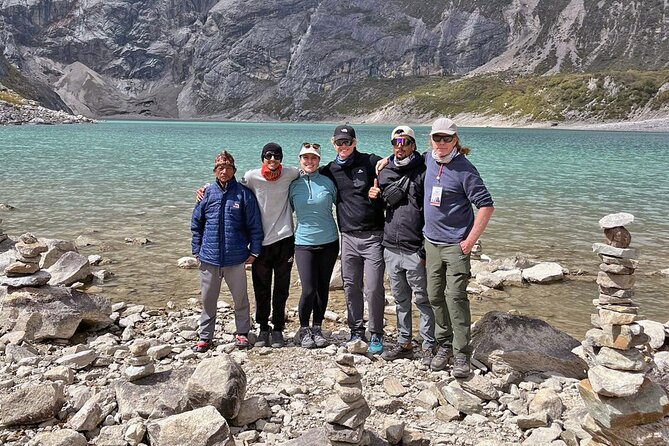
Your guide is a big part of why this route works smoothly. The program includes a highly experienced English-speaking guide (and in practice, you may work with guides noted in feedback such as Binod, Shusil, Anis, Aitey Tamang, or Sudip). Across those names, the recurring themes are clear: check-ins, safety-minded decisions, and being helpful with what you need day to day.
The porter ratio is also meaningful: 2 guests to 1 porter. That means you’re likely carrying daypack weight rather than full loads, which matters when your legs are already negotiating thin air and steep steps.
Then there’s the safety layer that isn’t just talk. You get an oximeter to check oxygen saturation and pulse/heart rate twice daily. It’s not a guarantee against altitude illness, but it gives you—and your team—hard numbers to guide decisions.
Day 1 and Day 2: Kathmandu Warm-Up That Sets the Tone
Day 1 is straightforward: airport arrival, pickup to your hotel, briefing with the guide, and a welcome dinner in an authentic Nepalese restaurant with a folk culture program. It’s a good “off the plane” structure because you learn the rhythm before you start trekking.
Day 2 is Kathmandu sightseeing with a Buddhist focus and big views. You hit Swayambhunath (Monkey Temple) for the mix of Hindu and Buddhist symbolism plus a panoramic Kathmandu look, then go to Boudhanath Stupa, where Tibetan Buddhist culture is visible in everyday life around the stupa.
This matters more than it sounds. When you later visit gompas in Tsum Valley, the trip feels like one continuous story instead of random temples on the way to hiking.
Getting to the Trail: Scenic Drive, Rivers, and Nauli Jharana
On the way out of Kathmandu, you’ll make a long scenic drive toward Nepal’s mid-west region. The travel time is listed as about 7–8 hours, with a mix of farm villages, waterfalls, and river crossings (Trishuli River and Budi Gandaki River are mentioned), plus bumpy road segments.
The route includes stops like Nauli Jharana, where you can take a quick break and snap a photo. This day isn’t “trek fatigue,” but it is a reality check: Nepal road travel takes time. Plan to be flexible with how tired you feel.
If you’re prone to motion sickness, I’d pack what you usually use—this kind of long drive can add stress before the first hike.
From Maccha Khola to Dobhan: Tatopani Hot Springs and Easy-Walking Trails
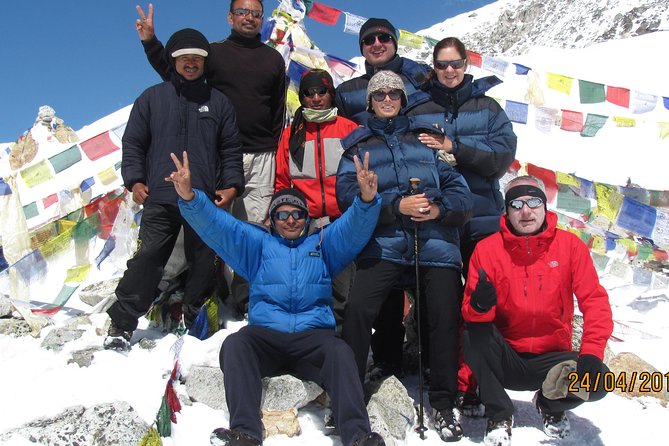
The trek starts with a segment from Maccha Khola toward Dobhan via Tatopani. The listed trekking time is around 6 hours, and the trail is described as in good condition and not very steep.
Why it’s a good first real day: you get waterfalls and river scenery, and you reach Tatopani—natural hot springs. The springs are described as usable without cost, but the program also asks you to respect the area and keep it ecofriendly and disciplined.
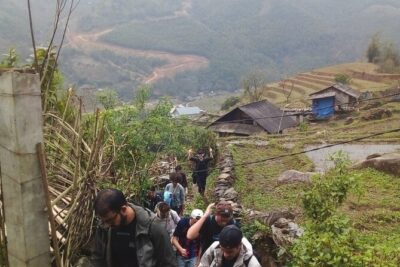
Dobhan itself is a meeting point of two rivers, and you settle into a Gurung settlement vibe. This is where you’ll start learning the “mountain routine”: slow pace, steady steps, and the way you actually feel after lunch.
Philim to Lokpa: Pine Forests, Suspension Bridges, and the First Tsum Signal
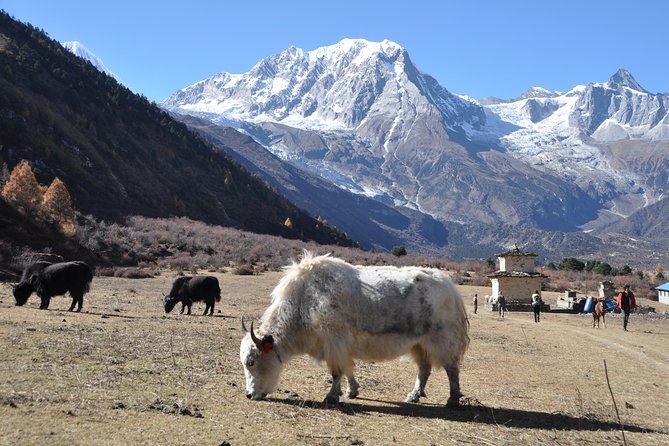
From Dobhan you trek up to Philim in about 6 hours. The route includes a gravel bed crossing to Lauri, then a suspension bridge, and later a more open valley stretch toward villages like Jagat.
Jagat is important because permits are checked at checkposts. That kind of on-trail structure means you’ll rarely feel like you’re guessing the route, even when the terrain gets remote.
Next comes the climb toward Lokpa (about 6 hours). The big win here is that you’re now moving through pine forest for a long stretch. Lokpa is described as the first village of Tsum Valley, with only a few settlements that also serve tourists—so you see both traditional village life and the infrastructure that supports trekking.
The Classic Tsum Valley Days: Chumling to Chhokangparo
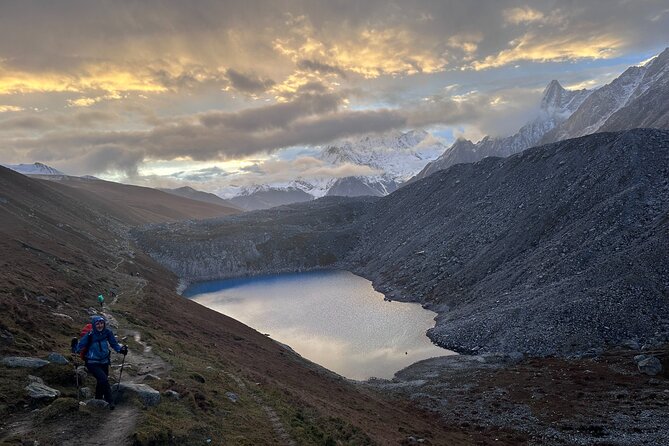
This section is where Tsum Valley stops feeling like a brochure. You’ll trek toward Chumling (around 6 hours), walking through dense pine forest. The itinerary notes rhododendron in spring and multiple suspension bridges along the route.
Rougher moments exist too—like rockfall areas and gorge crossings—so don’t treat this as gentle strolling. It’s “moderate trekking,” not a walk in the park.
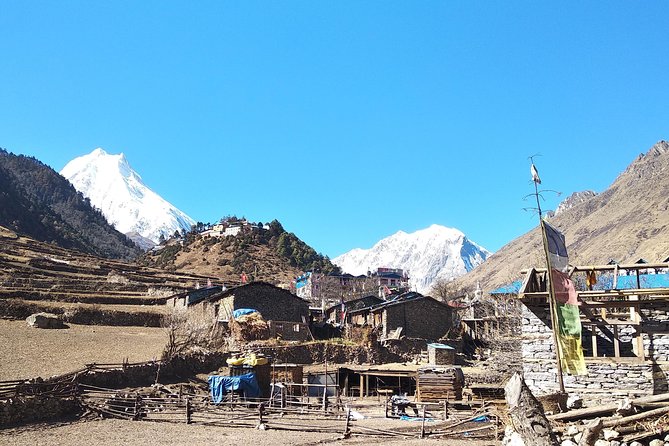
Chumling and Chhokangparo are heavily shaped by monastery culture. Chhokangparo is described as the biggest village in Tsum Valley, and you get views of peaks such as Buddha Himal and Siringi Himal. You’ll pass things like a water-powered prayer wheel, which gives you the sense that spiritual life and daily work are not separate here.
Rachen Gompa, Nun’s Monastery, and Nele: Spiritual Stops That Change the Pace
The route from Chhokangparo toward Nele takes around 5 hours, plus time for stops at gompas. Rachen Gompa is described as the biggest gumba in Tsum Valley. There’s also special mention of a nun’s-only worship setup for Ranchen Gompa, where only women are present for worship.
This isn’t a museum visit. It’s active religious life with real routines and real people. You slow down by nature.
Nele itself is small but meaningful in the trek story: it’s described as known for tasty potatoes. That’s the kind of detail that becomes memorable at altitude, because food and routine start mattering more than Wi-Fi.
Mu Gompa: High Valley Views and a Different Monastery World
From Nele toward Mu Gompa is about 4 hours, with lunch at Chho Syong. The trek climbs into arid terrain, which is a visual shift from the greener pine forest earlier.
Mu Gompa is for male monks only, but trekkers can sleep inside the monastery. That’s a major cultural and practical difference from standard tea house nights, and it’s one of the reasons Tsum Valley stands out. You’re not just hiking; you’re stepping into a living religious setting.
You also get time for a free afternoon to explore around the high valley area. This is one of those rare chances to slow down and let the day be less about checking off steps.
Turning Back: Rerouting Through Chhokangparo and Linking Back to the Manaslu Trail
After Mu Gompa, you return and revisit Rachen Gompa, then head downhill toward Chhokangparo (about 6 hours in the return segment). Later, you move back to Lokpa and then join the Manaslu trail via the Budigandaki River.
This “turn-back then rejoin” structure may sound like extra walking, but it does two helpful things:
1) It protects your energy by managing altitude gradually through the route design.
2) It gives you the cultural contrast again—same direction, different light, different day mood.
If you’re the type who hates repetition, this section might feel like it slows your “big peak” momentum. If you enjoy seeing a place more than once, it’s a gift.
The Transition to Higher, Sparsher Terrain: Bihi Phedi to Namrung
Once the route fully shifts, the terrain changes. You hike toward Bihi Phedi with mixed uphill/downhill sections, and parts are described as carved into sheer cliff walls. That kind of path demands focus—one of those days where safe footing matters more than speed.
By Deng and onward, the architecture takes on a more Tibetan-like appearance. Bihi Phedi is also described with a social note: many unmarried women due to men often going abroad for work. It’s a reminder that trekking routes connect to real economic pressures, not just scenery.
Then you move to Namrung (about 8 hours), and the contrast gets fun. Namrung is described for apple gardens, tea house options, and cozy stopping places. The trek even points out trying apple wine and apple products at dinner—one of those details that feels very local.
Samagaun to Samdo: Sherpa Villages, Dry Air, and Acclimatization
From Namrung to Samagaun, you pass villages like Lee, Sho, and Lho, and you see Sherpa customs through everyday work (firewood and yak dung are mentioned for winter preparations). Lho includes a monastery tied to Sherpa rituals.
Samagaun to Samdo is described as a slower-feeling climb because altitude and dry air make it take longer. The program calls it a short walk, but the important part is the pacing—this is where you’re training your body to accept slower progress.
Samdo is the last village before Larke Pass, and it’s also described as tied to older trade routes linking Nepal with Tibet. That gives the place a “this mattered historically” tone without needing any extra drama.
After reaching Samdo, you get a full acclimatization day. In high altitude trekking, that rest day is not optional—it’s your best chance to reduce risk before committing to the pass crossing.
Dharmashala and Larke Pass: The Early Start and the Real Test
Dharmashala is reached after about 5 hours from Samdo, and the route warns about wind and extreme cold. Overnight options are basic: either a teahouse with limited shared rooms or tent camping depending on the number of trekkers.
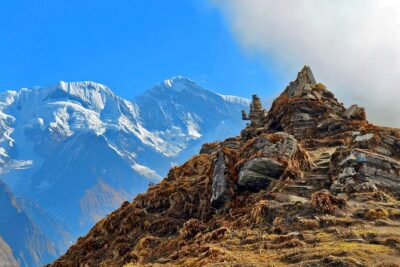
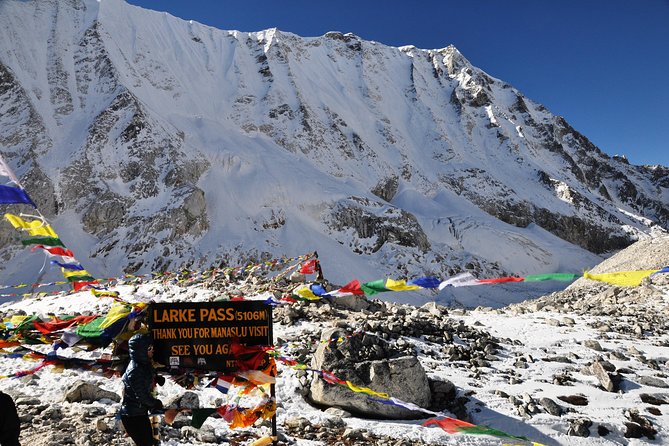
Then comes the big morning: a 4:00 am start for Larke Pass. The pass is described as an ice lake formed from Larke Peak, and the route includes steep snow trails and wind exposure. The viewpoint is the reward, with named views including Larke Peak and Punker Mountain.
After the pass, you descend to phedi, then farther down to Bhimthan (with time estimates mentioned for each leg). Bhimthan is described as a photography-friendly spot with green patches and views of mountain ranges beyond.
If you want one practical takeaway: treat this day like a mission, not a casual sunrise hike. Layering, wind protection, and steady breathing matter.
The Final Descent: Tal, Jagat, Waterfalls, and Bhulbhule
After the pass, the itinerary eases into lower terrain. You trek toward Dharapani, then continue south following the Marsyangdi River downstream to Tal (about 5 hours from Dharapani, then about 2 more hours of descent mentioned to reach Tal). You’ll find an ACAP checkpost in Tal.
Next comes Tal to Bahundanda with a route that passes Chamje hamlet and Jagat (lunch there). You’ll also see waterfalls and move through paddy field areas as the terrain warms up.
The final trekking nights are in places like Baundanda and Bhulbhule, then you return toward Kathmandu via Besisar (Lamjung administrative center) and the Kathmandu–Pokhara highway, with a route that follows the Trisuli River for a stretch. Even in the “end phase,” you’ll still feel the change in temperature.
Day 25 is the final handoff: you fly out from Kathmandu international airport, with staff assisting you with farewell arrangements.
Packing, Pace, and Fitness: Prepare for Cold, Wind, and Long Walks
This trip is built for people with moderate physical fitness. Many walking days are in the 6–8 hour range. The pace isn’t constant; some days are easier, some are more technical, and Larke Pass is its own beast.
A practical tip: because you receive a sleeping bag and down jacket as part of the included gear, you can focus your packing on what you’ll actually need day to day: layers, gloves, good footwear, and a way to manage wind chill.
Also remember that weather matters. The program says it operates in all weather conditions, so bring gear for cold and rain. Even when the trail is walkable, wind can still drain you fast at high altitude.
Should You Book Manaslu Tsum Valley Trekking?
Book it if you want a trek where culture is as important as altitude—you’ll spend serious time in Tsum villages and gompas, not just pass through. The added value is strong if you want permits, a guide, porters, and key cold-weather gear handled for you.
Think twice if you’re sensitive to early mornings or very cold, windy nights. Dharmashala and Larke Pass day are the hard points of this route, and the comfort level can be basic.
If you’re aiming for a well-run, safety-conscious trek with real village contact, this one makes a lot of sense.
FAQ
How long is the Manaslu Tsum Valley Trekking trip?
It’s approximately 25 days.
What time does the experience start?
Start time is listed as 6:00 am.
Is this a private trek or will I join others?
It’s private. Only your group will participate.
What meals are included during the trek?
Lunch is provided for 21 days, breakfast for 23 days, and dinner for 22 days. There is also a welcome dinner with a folk culture program on Day 1.
Are permits included?
Yes. ACAP permit, MCAP permit, and special permits for the Manaslu and Tsum Valley area are included.
What trekking gear does the operator provide?
Included gear lists a trekking sleeping bag, down jacket, T-shirt, cap, duffle bag(s), and trekking route maps and city/trek maps.
How does the trek handle altitude safety?
An oxymeter is used to check your pulse and oxygen saturation (and heart rate) twice daily to help monitor altitude mountain sickness symptoms.
What are the major things not included in the price?
Not included: Nepal visa fee, international airfare, meals and accommodation in Kathmandu, personal travel and health insurance (including helicopter evacuation), tips, and personal expenses like phone calls, laundry, bottled/boiled water, and extra porters.
What’s the cancellation window for a full refund?
Free cancellation is offered if you cancel at least 24 hours before the experience’s start time for a full refund. If you cancel less than 24 hours before, the amount paid is not refunded.