REVIEW · KATHMANDU
Annapurna Base Camp Trekking
Book on Viator →Operated by Destination Unlimited Treks Expeditions Pvt Ltd · Bookable on Viator
Thick mountain air has a way of resetting you. This 10-day Annapurna Base Camp trek is built for limited time, with teahouse comfort and an overnight at Annapurna Base Camp. The trade-off is real: you’ll be hiking at altitude, with the route reaching about 13,550 ft (4,130 m), so you need a steady pace and common-sense acclimatization.
I also like the practical flow of the trip. You start in Kathmandu, then head to Pokhara early on a morning flight, followed by a drive toward the trek starting area, and the final day wraps in Pokhara with a stop at the Pokhara Museum.
If you’re planning for spring, this trek gets extra meaning. The route includes a good shot at rhododendron forest in bloom, which adds color and softer light when the mountains can still feel sharp and cold.
In This Review
- Key things I’d pin on your packing list (and your plan)
- Kathmandu to Pokhara on trek-day timing (why 6:15 am matters)
- Day 2: Poon Hill and Ghorepani—checkpoint views without the full slog
- Machhapuchhare Base Camp area to Tadapani: the day the valley starts paying you back
- Chhomrong: when the route starts feeling serious
- Doban and Deurali: quieter stretches that test patience (in a good way)
- Annapurna Base Camp: overnight at 4,130 m and why it’s the whole point
- Bamboo to Jhinu: the return to warmth and the hot springs payoff
- Pokhara Museum and the soft landing after the mountains
- Teahouse trekking comfort: what you get, what you still control
- Guides, porters, and the kind of support that changes your trip
- Price and value: what $1,180 buys on an ABC trek
- Altitude reality check: who should choose this trek
- My decision guide: should you book this ABC trek?
- FAQ
- How long is the Annapurna Base Camp trek?
- What is the highest altitude on this trek?
- Does this trek include teahouse accommodation and meals?
- Are tents included?
- Where do you meet in Kathmandu, and what time does it start?
- Is this a private tour?
- Is there mobile ticketing?
- Is this experience refundable if I cancel?
Key things I’d pin on your packing list (and your plan)
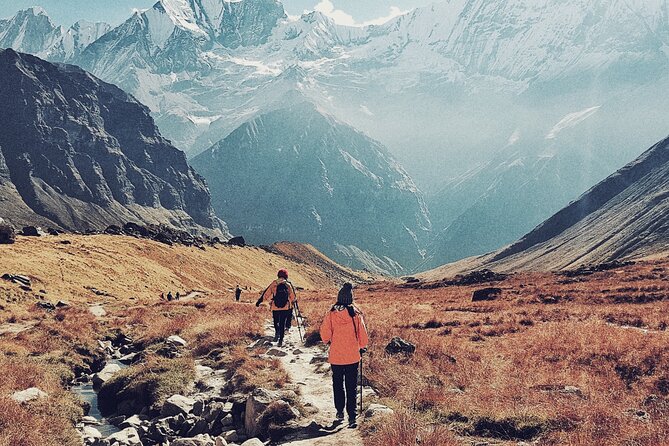
- Overnight at Annapurna Base Camp: You’re not rushing through; you get time in the basin.
- Real altitude, not a sightseeing stroll: Up to about 13,550 ft / 4,130 m.
- Teahouses with included meals: You’re sleeping in guesthouses, not carrying tents.
- Route variety: You’ll move through villages and high ridges, not just one long straight pull.
- Spring rhododendrons: A strong reason to consider timing your trip.
Kathmandu to Pokhara on trek-day timing (why 6:15 am matters)
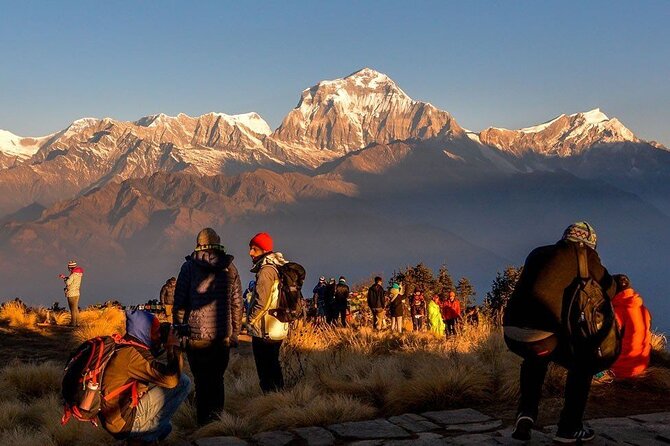
Your day starts in Kathmandu at Destination Unlimited Treks and Expeditions Pvt Ltd in Thamel, at 6:15 am. Thamel is convenient because it’s in the middle of where travelers organize Nepal trips, and it’s also near public transportation, which helps if you need to shuffle plans quickly.
From there, you’ll fly to Pokhara in the morning and then drive to the trek starting area. This matters more than it sounds. ABC treks often feel long because getting to the trail can eat half a day. Here, the plan squeezes that transport into a structured first day, so your first real hiking day comes sooner.
Also, you’re not booking chaos. Your operator offers a mobile ticket, and you’ll receive confirmation at the time of booking. That’s one less thing to worry about when you’re thinking about shoes, layers, and whether your legs will hate you on Day 3.
You can also read our reviews of more tours and experiences in Kathmandu.

Day 2: Poon Hill and Ghorepani—checkpoint views without the full slog
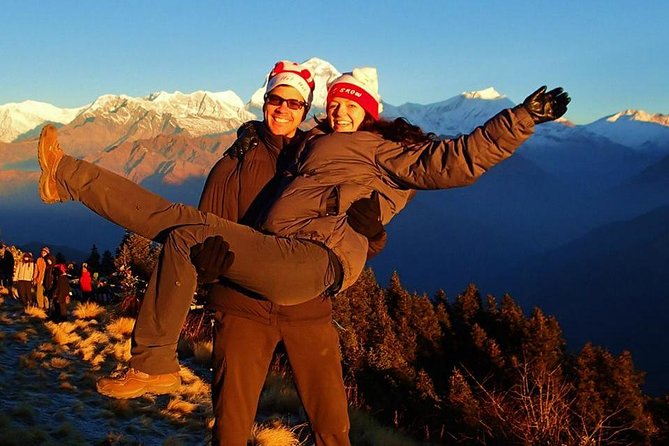
On Day 2, the trek heads toward Ghorepani, with Poon Hill included as a key stop. Poon Hill is famous because it’s one of the easiest places on this route to get that big “Himalayas, wow” feeling.
What you’ll like is the rhythm: you’re hiking, but not in a constant grind straight uphill for hours and hours. Ghorepani is a common base for mountain viewpoints, so it tends to feel like a “settle in, look around, breathe” kind of day.
Practical note: since you’re still early in the trek, treat this day as a warmup. Your body is learning the trail, and your lungs are learning thinner air. If you go out hot, altitude will collect its fee later.
Machhapuchhare Base Camp area to Tadapani: the day the valley starts paying you back
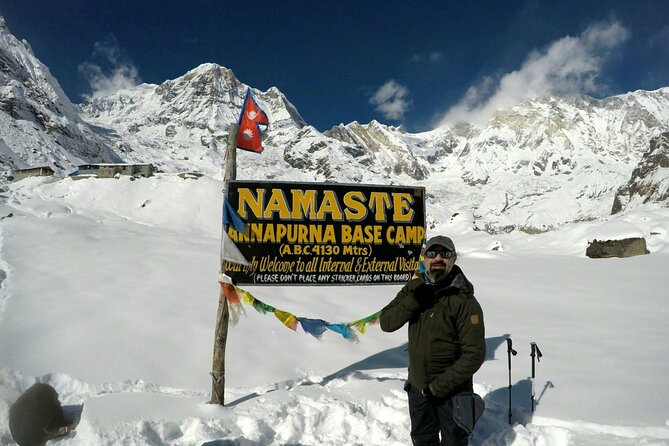
Day 3 moves toward Tadapani and includes Machhapuchhare Base Camp along the way. Machhapuchhare (the fish-tail mountain) is one of those silhouettes you can’t unsee once you’ve seen it framed between ridges.
Tadapani is where the trek often starts feeling more “inside the Himalayas.” You’ll pass through terrain that changes enough to keep your attention. It’s not just about height; it’s about shifting views, different trail textures, and the sense that the region is alive with small daily routines.
This day is also a good reminder of why teahouse trekking is popular here. You’re not dragging camping gear through narrow paths. After the day’s hike, you can focus on eating, hydrating, and getting sleep before tomorrow’s altitude pressure ramps up.
Chhomrong: when the route starts feeling serious
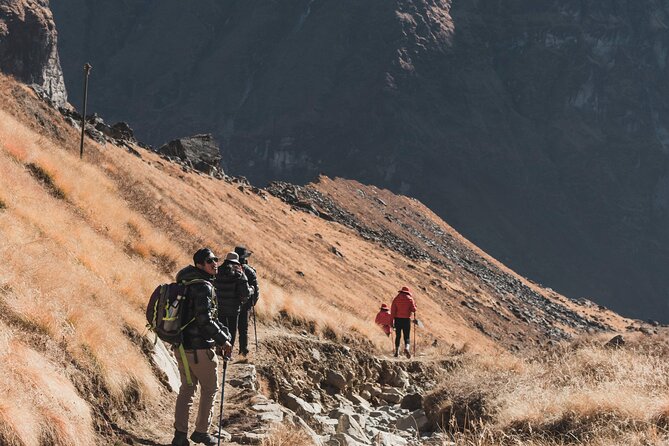
Day 4 brings you to Chhomrong. Chhomrong is a major waypoint on ABC treks, and it’s usually the place where hikers stop thinking of the trek as just “a hike” and start thinking of it as “a real mountain journey.”
This is also the day where the landscape of the trek starts to show its moods—more exposed sections, clearer sight lines, and the sense that weather can change faster than you expect.
You’ll likely feel it in your body too. Even when the daily time blocks aren’t extreme, the combination of elevation gain, cooler air, and long descents can make your legs feel used. Plan for that. Your best strategy on ABC is to walk like you have time. You do.
Doban and Deurali: quieter stretches that test patience (in a good way)
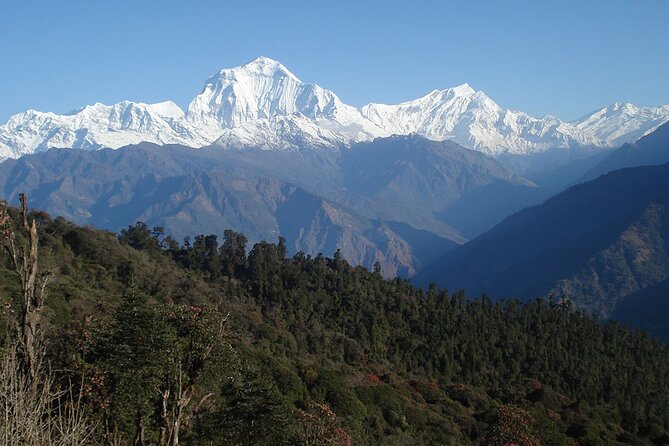
Day 5 goes to Doban, and Day 6 heads to Deurali. These are the days where the trek often becomes about consistency: step after step, not one dramatic moment after another.
That’s not a negative. It’s where you start to notice details you’d otherwise miss. The sound of footsteps on the trail. The way the air changes when you crest a ridge. The way village life thins out and then returns, depending on where you are.
This is also where your pacing becomes your superpower. If you move too fast early in the day, the late part can feel brutal. If you keep your effort level steady, you’ll arrive feeling more human, and sleep better—both matter at altitude.
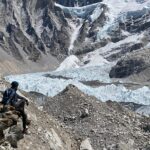
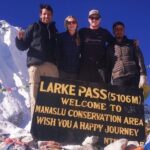
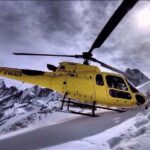
Annapurna Base Camp: overnight at 4,130 m and why it’s the whole point
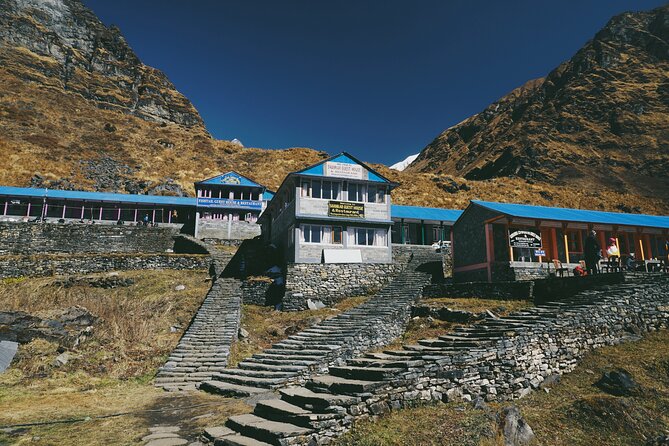
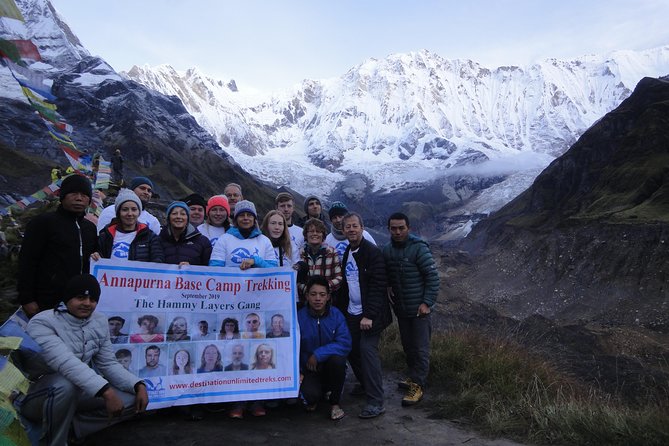
Day 7 is your arrival day at Annapurna Base Camp (ABC). The trek climbs up to about 13,550 ft / 4,130 m, and the “overnight at ABC” part is what makes this trip meaningfully different from quick hit versions.
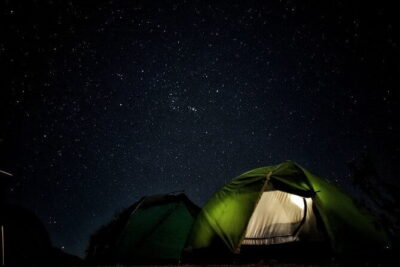
Spending the night at base camp changes how you experience the trek. During the day, you’re focused on getting there. At night, the mountain takes over your attention. Clouds can roll in, stars can pop out, and the air feels thinner and sharper than lower elevations.
A realistic consideration: at this height, you may feel more tired than you expect, even if the walk time looks manageable on paper. That’s normal. Your job is simple: slow your pace, eat when you can, drink steadily, and don’t treat the altitude like a math problem you can outsmart.
Bamboo to Jhinu: the return to warmth and the hot springs payoff
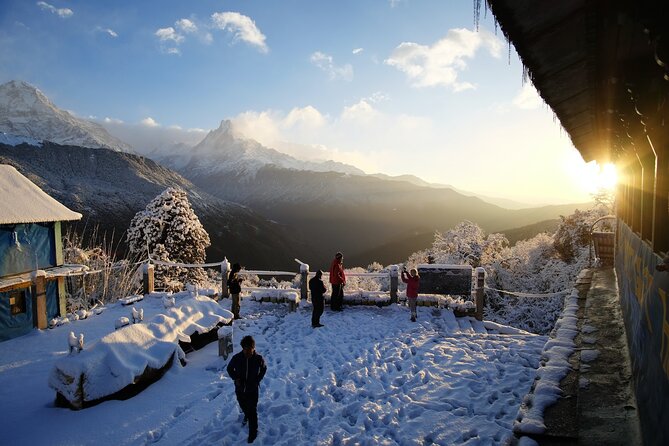
Day 8 heads to Bamboo, and Day 9 goes to Jhinu. If you’re looking for a physical reward, Jhinu is usually where that happens. Jhinu is known for the hot springs area, and it’s a classic way to end an ABC trek with sore muscles still in your body but relief on the way.
Even if you’ve been hiking for days, this stage tends to feel different because you’re heading back down in elevation. Your breathing steadies. Your legs feel less like they’re arguing with gravity every step.
The Bamboo-to-Jhinu leg also tends to bring a change in scenery and settlement feel. The trail becomes more human again: more voices, more guesthouse activity, and that comforting feeling that you’re closing the loop.
Pokhara Museum and the soft landing after the mountains
Day 10 finishes in Pokhara, including a stop at Pokhara Museum, before the trip drives you to your hotel in Pokhara. This matters more than people think. After high altitude walking, you’ll appreciate a final day that doesn’t immediately pile more effort on your body.
Pokhara is a good reset hub. It’s where you can shower properly, eat something that feels like home comfort, and plan your next move. The museum stop is short, but it gives context to Nepal beyond the trek route, which is helpful when your brain is still half in mountain mode.
Teahouse trekking comfort: what you get, what you still control
This trek includes accommodation in teahouses along the way. It also includes meals: 10 breakfasts, 10 lunches, and 9 dinners. That’s a big deal for value and sanity. You’re not hunting for food at altitude, and you’re not managing meal logistics while your energy is going toward hiking.
You’re not carrying tents either. The tour explicitly lists that tents aren’t included, which fits how teahouse trekking works: you sleep in guesthouses. In practice, it means you can travel with less weight and focus on layers and water rather than campsite gear.
What you still control is how prepared you are for cold and for basic comfort. Teahouses vary a bit, so bring layers that work for chilly mornings and windy nights. And keep your priorities simple: warm layers, foot care, and steady water intake.
Guides, porters, and the kind of support that changes your trip
This private trek runs as only your group, which usually helps with pace and coordination. The operator behind Destination Unlimited Treks and Expeditions Pvt Ltd is led by Ashok, and many trekkers highlight how responsive and organized he is before and during the journey.
You’ll also see names pop up in the trek support ecosystem. People have mentioned guides like Hari and Homprakash, and also Rai Badal and Prakash. Porters named Surendra, Durga, and Bobinda have also been credited for care and serious professionalism. I like that pattern, because trekking success is often less about heroic effort and more about day-to-day follow-through.
If you’re traveling solo, or if you just want the route to feel handled, this kind of local team attention helps. It can also make the difference if you start feeling off and need practical help adjusting your pace.
Price and value: what $1,180 buys on an ABC trek
At $1,180 per person for about 10 days, this price sits in the “you’re paying for planning and reduced burden” category. You get transport components (including the Kathmandu to Pokhara flight) and on-trek support, plus teahouse stays and a full set of meals.
Where you should think carefully is what’s not included. Since tents aren’t included, you’ll rely on teahouses as promised. That’s fine for most people, but it means your comfort depends on weather and basic guesthouse standards.
Also, understand that this isn’t marketed as a leisurely walk. The trek’s maximum altitude is substantial, and the daily hiking time blocks range from about 5 to 7 hours most days. That means the value is partly in how the team helps you keep moving smart, not just in who carries your gear.
If you want ABC but have limited time, this setup is the right kind of efficient.
Altitude reality check: who should choose this trek
This trek is best for people with moderate physical fitness and realistic expectations. The route climbs to 4,130 m, and while the daily durations aren’t extreme, the altitude is still the main event.
So ask yourself:
- Can you walk for 5–7 hours comfortably, with a few longer days?
- Do you know what pace feels sustainable for you?
- Are you okay slowing down even when you feel capable?
ABC isn’t about speed. It’s about getting there safely and enjoying the time at the top.
Spring travelers should pay attention to the rhododendron forest in bloom. Late March and early April is often a sweet spot in the region, though the only thing you’re guaranteed from the info is that spring viewing can be excellent.
My decision guide: should you book this ABC trek?
Book it if you want:
- A private ABC plan that’s structured for a 10-day timeframe
- Teahouse comfort plus meals handled for you
- The key moment: an overnight at Annapurna Base Camp
- Support from a team that’s been credited with clear communication and serious trekking care, with guides and porters like Ashok, Hari, Homprakash, Rai Badal, Prakash, and porters such as Surendra, Durga, and Bobinda showing up in previous journeys
Pass or consider another option if you:
- Hate the idea of hiking near 13,550 ft / 4,130 m
- Are looking for a fully low-effort trek where you never have to manage cold, breath, or tired legs
If you’re honest with your fitness and you’re okay walking steadily rather than sprinting, this is a strong way to experience Annapurna Base Camp without turning your trip into logistics homework.
FAQ
How long is the Annapurna Base Camp trek?
The trek is about 10 days.
What is the highest altitude on this trek?
The route reaches about 13,550 ft (4,130 m).
Does this trek include teahouse accommodation and meals?
Yes. It includes accommodation in teahouses and meals, including 10 breakfasts, 10 lunches, and 9 dinners.
Are tents included?
No. Tents are not included.
Where do you meet in Kathmandu, and what time does it start?
The meeting point is Destination Unlimited Treks and Expeditions Pvt Ltd on Thamel Rd, Kathmandu. The start time is 6:15 am.
Is this a private tour?
Yes. It’s a private tour/activity, so only your group participates.
Is there mobile ticketing?
Yes. The experience lists a mobile ticket.
Is this experience refundable if I cancel?
No. The experience is non-refundable and cannot be changed for any reason.