REVIEW · KATHMANDU
12 Day Everest Base Camp Guided Trek
Book on Viator →Operated by Outfitter Himalaya Holidays P. Ltd · Bookable on Viator
That Lukla flight kicks your heart into gear.
This 12-day Everest Base Camp guided trek is built for real mountain travel: you start fast, gain altitude step by step, and spend your last big push days working toward views of Everest up close. I like that the plan is practical for acclimatization (Namche and Dingboche have dedicated time), not just a race to the finish.
Two things I really like: the trek is run as a small-group experience (max 14), and you’re guided by a team that gets repeat praise for staying attentive and organized (names that show up in feedback include Rajan, Raj, Suraj, Dhana, and Bir). One consideration: weather and timing matter a lot on this route, and flying in and out of Lukla is weather-dependent.
In This Review
- Key highlights you’ll feel on this trek
- Kathmandu to Lukla: your first taste of real altitude
- Phakding, Dudh Koshi, and the easy miles that aren’t really easy
- Namche Bazar rest day: the pause that makes the summit day possible
- Tengboche and the rhododendron climb: monasteries plus mountain theater
- Pangboche and Dingboche: suspension bridges and prayer walls
- Lobuche via Pheriche and Dugla: getting higher and getting rockier
- Gorakshep and Everest Base Camp: the day you’ve been training for
- Kala Patthar sunrise: the climb that turns the volume up
- Heading home: Tengboche to Namche, then the final push to Lukla
- Lodges, meals, and the cold reality (what’s included, what’s not)
- Price and what makes this trek good value at $1,300
- Who this guided trek is best for
- What to do before you go: simple prep that helps a lot
- Should you book this Everest Base Camp guided trek?
- FAQ
- What time does the trek start?
- Where is the meeting point in Kathmandu?
- How long is the trek and how many nights are on the route?
- Is a guide included?
- What permits and paperwork are included?
- What meals are included during the trek?
- What cold-weather gear is included?
- How does emergency helicopter service work?
- What is the cancellation refund rule?
Key highlights you’ll feel on this trek
- Lukla to Phakding on day one, with a big scenic payoff right out of the gate
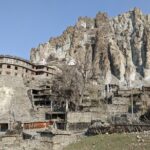
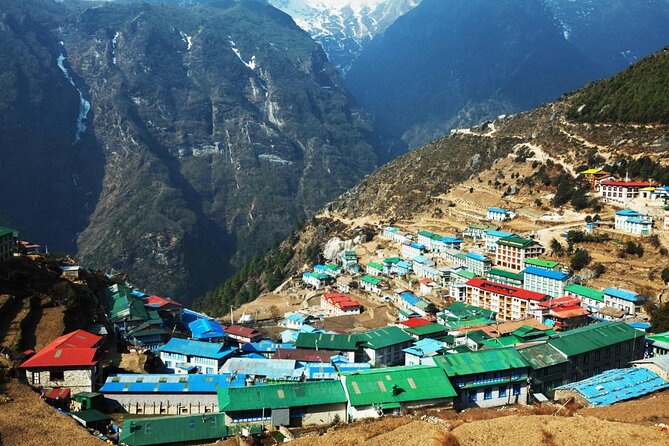
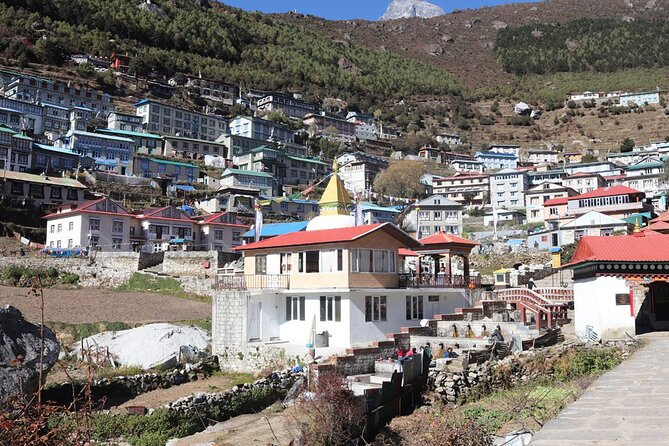
- Namche Bazar acclimatization at 3,440m, surrounded by giant walls of rock and ridges
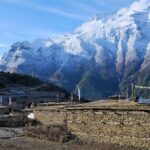
- Rhododendron forest + monastery day at Tengboche, with constant mountain sightlines
- Kala Patthar sunrise climb for panoramic Everest views around 5,545m
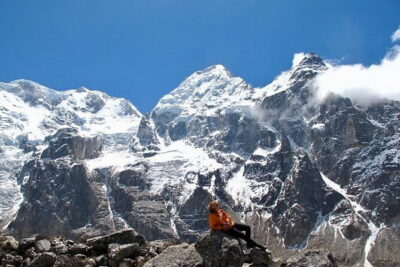
- Everest Base Camp day via rocky moraine and the Khumbu Glacier region
- Guide + team support that people consistently describe as attentive and safety-focused
Kathmandu to Lukla: your first taste of real altitude
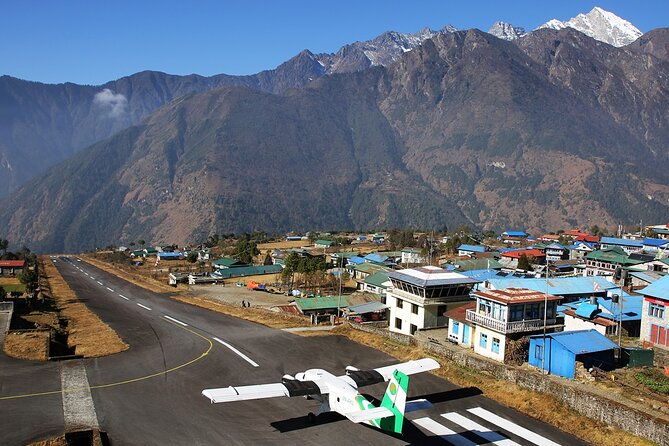
Most people think they are starting an Everest trek in the mountains. You actually start in Kathmandu, at the Outfitter Himalaya Holidays office in Thamel, with the activity starting around 6:15am. From there, you’re driven to the airport and you’ll take an early 35-minute scenic flight to Lukla.
This is where the trip’s rhythm clicks. The flight itself is short, but it changes everything: you’re suddenly dealing with thinner air and steeper walking days ahead. After landing, your guide introduces you to the porters (porters are included only if you need one; otherwise you handle your own stuff), and then you start trekking right away.
Practical reality: Lukla days can be sensitive to weather. The company notes that the experience requires good weather, and if it’s canceled for poor conditions, you’re offered a different date or a full refund. So keep your plans flexible if you can.
You can also read our reviews of more tours and experiences in Kathmandu.
Phakding, Dudh Koshi, and the easy miles that aren’t really easy
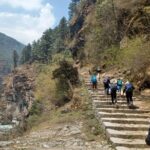
Day one finishes around Phakding after trekking roughly 3–4 hours. You’ll follow the left bank of the Dudh Koshi River, with a route that’s described as easy trekking—exactly what you want on day one.
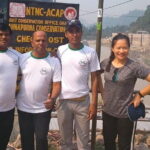
Day two keeps the Dudh Koshi theme strong. You trek along the river, cross it a few times, and then you enter the park area near Jorsale for lunch. After a few more hours, Namche Bazar starts showing up ahead. The trail weaves through pines, then you pass the plateau where the Saturday bazaar is held, and you enter Namche—an opening framed by mountain ridges on three sides.
Why this early stretch matters: it helps your legs adapt to going uphill slowly, without burning energy. Also, river crossings and repeated ascents at the start build the habit of pacing—an underrated skill for high trekking.
Namche Bazar rest day: the pause that makes the summit day possible
Day three is your acclimatization day in Namche Bazar (3,440m). Namche is one of those places where your brain catches up with your altitude. It’s tucked between two ridges, surrounded by huge peaks in the Khumbu area, and it has lodges, tea shops, and souvenir shops—enough comfort to keep you sane without turning it into a city vacation.
This rest day is not random. It’s one of the key ingredients that helps you move better later—especially once you’re heading toward higher villages like Dingboche and then Lobuche.
In the feedback, one theme pops up again and again: guides checking on the group and keeping people on track. Names like Raj and Rajan show up in descriptions of support and coordination, including how they handled times when people felt sick.
If you’re prone to rushing—control that urge here. Use the day for slow breathing, hydration, and letting your body adjust.
Tengboche and the rhododendron climb: monasteries plus mountain theater
On day four, you start with ridge and flat mountain path sections with strong panoramas of nearby peaks, then you hit flat zigzags before descending toward the river at Phunki Tenga. From there, the trail climbs through rhododendron forest to Tengboche monastery.
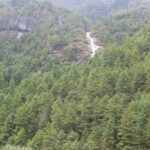
This day feels like two treks in one. First, you walk in a way that lets you watch the mountains grow larger. Then the rhododendron forest gives you a cooler, shaded rhythm as you climb.
What I’d watch for: rhododendron routes can feel gentler because the forest blocks wind, but that doesn’t mean your altitude isn’t working on you. Keep your pace steady. Save your legs for the days where the trail turns rockier and steeper.
Pangboche and Dingboche: suspension bridges and prayer walls
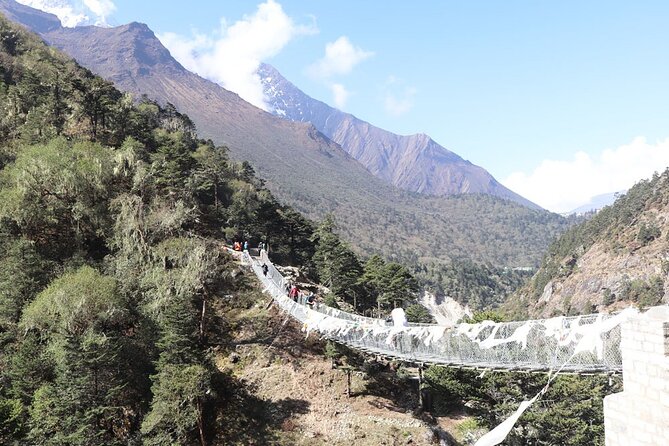
Day five starts with a descent through rhododendron forest toward the Imja Khola, then you cross an exciting suspension bridge. After that, you pass a long Mani stone wall (prayer stones), then continue into Pangboche.
From Pangboche you move onward to Dingboche, walking through areas described as summer pastures. The key change here is that you’re transitioning from busy village patterns into the quieter rhythm of higher-season mountain travel—more sky, less greenery, and a stronger sense of being far from home.
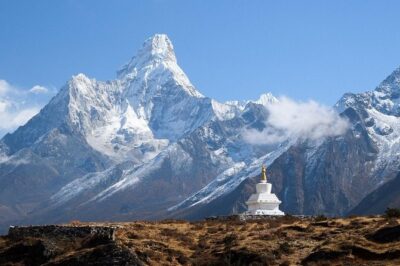
Day six is where Dingboche earns its reputation. It’s your second acclimatization day, and the views get serious. The plan includes exploration with standout sightlines of Ama Dablam’s north face and the Lhotse-Nuptse ridge. The walk is shorter, which gives you a chance to relax and do side day trips for acclimatization.
Tip: if your body asks you to take it easy, listen. Short walks and rest afternoons are part of the engineering of this trek.
Lobuche via Pheriche and Dugla: getting higher and getting rockier
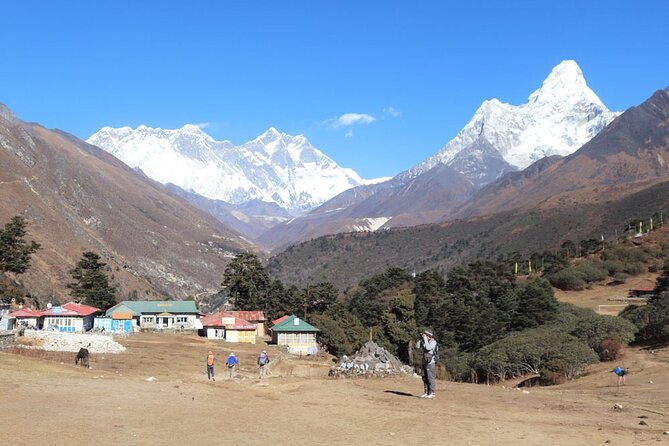
Day seven pushes the trek north toward higher terrain. You walk up to a mani-prayer stupa, then the trail is described as gentle-looking down toward Pheriche, with views including Mt. Tawache and Ama Dablam.
After about two hours, you join a trail near Dugla (4,595m). You cross near a small wooden bridge over the Khumbu glacier river, then climb for an hour up a steep hill. This is one of those “short but punchy” sections. The payoff is the view: Mt. Pumori and the west side of Everest appear clearly.
Then you continue trekking to Lobuche for the night. If you’re keeping notes for what kind of day this is: it’s a bridge between comfortable village days and the “okay, this is real” Base Camp landscape.
Gorakshep and Everest Base Camp: the day you’ve been training for
Day eight is the big one, the day you go for Everest Base Camp.
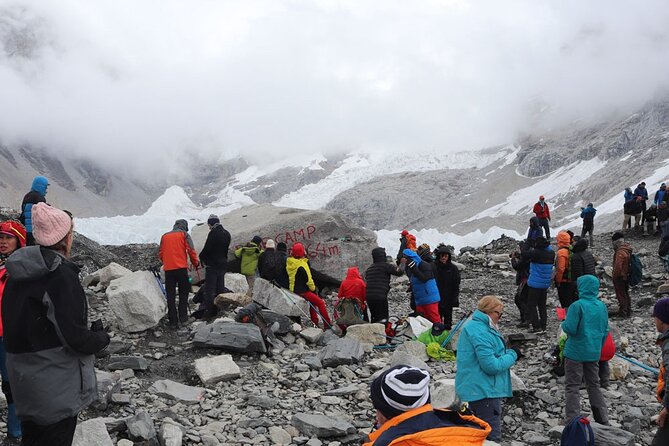
You trek from higher trails toward Base Camp following a rocky moraine path. Along the way, you’ll see glacial ponds and icebergs below the Khumbu Glacier. After the last rocky moraine dunes, a short downhill walk brings you to Gorakshep, where you stop for lunch.
Gorakshep matters because it’s described as the last place with lodge accommodation. So you leave most of your extra stuff there, and then you head out toward Base Camp.
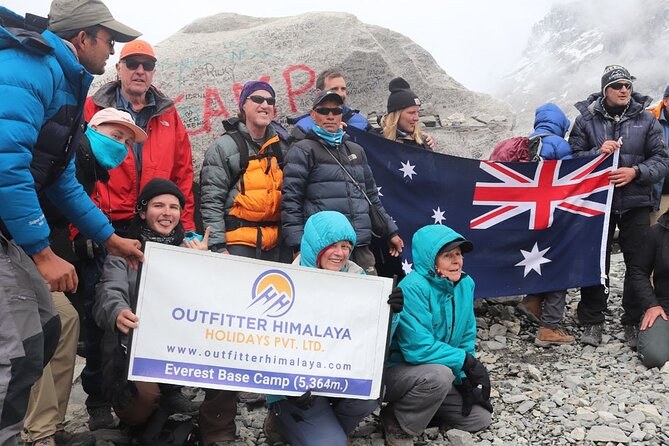
Once you arrive at Everest Base Camp, you visit the camp and the surrounding area. Then you retrace back to Gorakshep for the overnight stay.
This day is emotional for most people because it’s not just views. It’s also the feeling of arriving after layers of effort: river crossings, ridges, prayer walls, acclimatization pauses, and stone paths that don’t look like they belong in real life.
Kala Patthar sunrise: the climb that turns the volume up
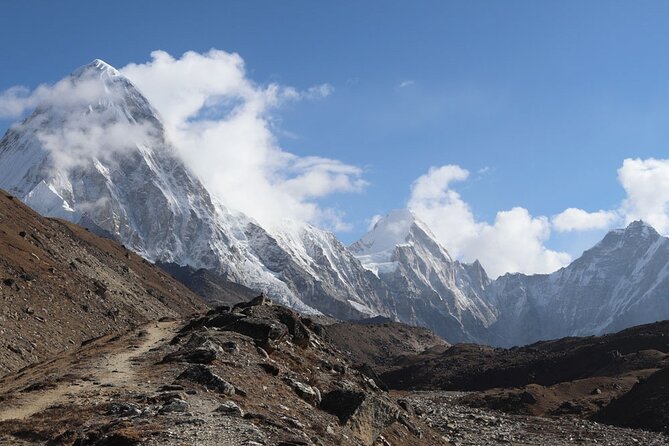
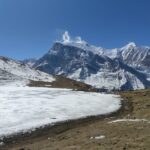
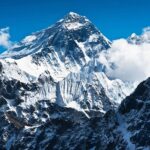
Day nine begins early with the climb to Kala Patthar (5,545m). The goal is sunrise, and from Kala Patthar you get panoramic views of Mt. Everest plus a wide list of nearby giants: Pumori, Lingtren, Khumbetse, Nuptse, Lhotse, Ama Dablam, Thamserku, and more.
Then you trek down to Gorakshep for breakfast and continue descending to Pheriche. The plan describes the descent as easier trekking down, and after a sunrise summit-like effort, that matters.
Here’s the thing: sunrise climbs on high mountains reward people who stay calm. Don’t try to sprint at altitude. Slow steps, steady breathing, and a good layer system make the difference between suffering and managing.
Heading home: Tengboche to Namche, then the final push to Lukla
Day ten turns toward descent. You trek from Pheriche back toward Namche Bazaar, passing rhododendron forest again. You also pass through Tengboche, where lunch is included and you’ll have views of Ama Dablam, plus green hills and river scenery.
Day eleven is your last full trekking day toward Lukla. The walk is described as pleasant, with only a few short uphill climbs before you reach and cross the Bhote-Koshi River multiple times. There’s also a final uphill climb of about 45 minutes to reach Lukla.
From Lukla, your trip’s final move happens on day twelve: early breakfast, walk to the airport, then you fly back to Kathmandu.
Lodges, meals, and the cold reality (what’s included, what’s not)
This trek uses trekking lodges for 11 nights. That’s the normal Everest Base Camp teahouse-style setup, where you trade comfort for access. According to the style of planning here, you’re not stuck with a hotel luxury standard. You’re there to keep moving, sleep somewhere warm enough to recharge, and eat enough to keep your pace.
Meals are included: 11 breakfasts, 11 lunches, and 11 dinners. That’s a big value piece because it removes daily decision fatigue on menus in remote areas.
Not included are things that can surprise first-time trekkers: Nepal entry visa fees, hotels/meals in Kathmandu, travel insurance (compulsory), personal expenses, drink water and hot/cold drinks, laundry, and charges for hot showers and internet.
Also note: hot shower and internet charges are listed as not included. So if you want comfort, plan for it to cost extra.
Price and what makes this trek good value at $1,300
At $1,300 per person, this is not a budget skim. But it’s also not just “a guide and a map.” For this route, the included items are what typically make or break overall value.
What you get for the price:
- Domestic transfers and Kathmandu–Lukla–Kathmandu flights with airport tax
- Guide and the paperwork: National Park entry permits and TIMS permit
- Accommodation in trekking lodges for 11 nights
- Meals for the trek (11 breakfasts, lunches, dinners)
- Emergency helicopter service arrangement, with the note that it will be paid by your travel insurance company
- Sleeping bag, down jackets, and duffel bag if necessary (and returned after the trek)
This combination matters because Everest trekking is expensive when you add up flights, permits, lodging, and food. Here, those core costs are handled. The biggest thing you still own is your personal spending and what you choose to upgrade (like hiring a porter if you want one).
One more value angle: the group cap is 14 travelers. That keeps the trek from becoming chaotic, and it’s consistent with the kind of “they kept checking on us” support that shows up repeatedly in the feedback.
Who this guided trek is best for
This trek is built for people with strong physical fitness. That doesn’t mean you need to be a mountain athlete, but you do need consistency: steady walking hours, altitude days you can’t bully through, and the willingness to move at the pace set by acclimatization and conditions.
It’s a good fit if you:
- Want a guided itinerary with permits and key logistics already arranged
- Like structure (especially on summit-style days like Kala Patthar)
- Prefer small-group energy instead of a big herd on the trail
- Are comfortable with lodge-style sleeping and included meals rather than gourmet expectations
If you’re trying to “see Everest” but hate altitude, steep descents, and early mornings, this may not be your right match. Everest Base Camp is famous because it’s demanding.
What to do before you go: simple prep that helps a lot
The information you’re given is clear: this trek demands fitness. Here’s how to prep in a way that directly supports the itinerary you’ll live.
- Train for long walks on inclines and uneven ground. The days toward Gorakshep and Base Camp aren’t just long; they’re also rocky.
- Practice slower pacing. The plan includes acclimatization days and early starts; your body likes steady.
- Plan your layering. Cold weather gear like down jackets and sleeping bags are mentioned as provided if necessary, which is helpful for lighter packing.
- Keep your daypack light. Even when you have a guide, you still carry what you bring—and high altitude makes extra weight feel worse.
And one more practical thought: hydration and food matter because your day is broken into long walking blocks and altitude transitions. The itinerary includes lunch and dinner every day on trek—use those meals to keep your energy stable.
Should you book this Everest Base Camp guided trek?
If you want Everest Base Camp with a guide-led plan that handles flights, permits, lodges, and most meals, this is a strong choice. The standout value is that it’s not just sightseeing. It’s a trek with built-in acclimatization in Namche and Dingboche, plus the signature sunrise push at Kala Patthar.
I’d book it if you’re looking for:
- A small group experience with attentive support (guided by teams including people like Rajan/Raj and others such as Suraj, Dhana, and Bir in past trips)
- A clear route structure that helps you manage altitude instead of ignoring it
- Included meals and trekking lodge nights that take guesswork out of daily life
I wouldn’t book it if you’re not ready for early mornings, rocky walking days, and the reality that Lukla flying can be weather-sensitive. This trek rewards preparation, patience, and pacing.
FAQ
What time does the trek start?
The activity start time is listed as 6:15am.
Where is the meeting point in Kathmandu?
The meeting point is Outfitter Himalaya Holidays, Thamel Marg, Kathmandu 44600, Nepal.
How long is the trek and how many nights are on the route?
It’s listed as 12 days (approx.), with 11 nights in trekking lodges.
Is a guide included?
Yes. A guide is included in the package.
What permits and paperwork are included?
Paper work is included, including National Park entry permits and the TIMS permit.
What meals are included during the trek?
Breakfast (11), lunch (11), and dinner (11) are included.
What cold-weather gear is included?
Sleeping bag, down jackets, and a duffel bag are included if necessary, and they are returned after the trek.
How does emergency helicopter service work?
An arrangement for emergency helicopter service is included, and it is paid by your travel insurance company. Also, travel insurance is compulsory.
What is the cancellation refund rule?
You can cancel up to 6 days in advance for a full refund. Cancel 2–6 full days before for a 50% refund. If you cancel less than 2 days before, the amount paid is not refunded.