REVIEW · CUSCO
Salkantay 5-Day Trek To Machu Picchu
Book on Viator →Operated by Bamba Travel · Bookable on Viator
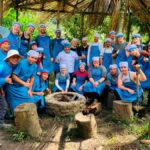
That first cold morning on the trail sets the tone fast. This Salkantay 5-day trek mixes snow-peak views, jungle bottoms, and a high pass at 4,650m, then drops you into a guided Machu Picchu visit. You get a local, bilingual guide for the trek and the ruins, plus small-group pacing (avg. 4, max 16), which makes the rough parts feel more manageable.
I also love how much the trip handles for you: pickup, key transport legs, camping gear basics (tent and sleeping pad), and meals from breakfast through dinner across multiple days. The vegetarian option is built in (you need to request it in advance), so you’re not stuck eating plain bread while everyone else gets real food. One drawback: this is demanding hiking with big altitude swings, and you’ll still need to bring things like a sleeping bag (not included) and be ready for very cold nights at the highest camp.
In This Review
- Key takeaways
- A Salkantay Trek That Ends at Machu Picchu Morning Light
- Why This Route Fits Real Hikers (Snow Peaks to Jungle Creeks)
- Day 1: Soraypampa, Lunch With Snow Views, and Laguna Humantay
- Day 2: The 4,650m High Pass (With Optional Horse Help)
- Day 3: Upper Jungle Trails, Santa Teresa River, and a Hot Springs Option
- Day 4: Hydroelectric Station to Aguas Calientes Hotel Night
- Day 5: Machu Picchu at First Bus, Guided Tour, Then Freedom to Explore
- Meals, Camping Comfort, and the Stuff That Keeps You Going
- Fitness, Altitude, and Clothing: How to Pack Smart
- Price and Value at $797: What You’re Actually Buying
- Small-Group Logistics: Transfers Without a Guide, but With Structure
- Who Should Book This Salkantay Trek (and Who Might Think Twice)
- Should You Book This Salkantay 5-Day Trek?
- FAQ
- How hard is the Salkantay trek on this 5-day itinerary?
- What time do I need to be ready in Cusco?
- Are meals included, and is there a vegetarian option?
- Is camping provided, or do I need to bring my own tent?
- Do I get a guide during the entire trip?
- What happens on Day 5 at Machu Picchu?
- Can I add hot springs in Santa Teresa?
- Is there an option to reduce the hardest part of Day 2?
- What if I need extra time in Aguas Calientes?
Key takeaways
- High pass at 4,650m with optional horse help for some folks
- Small group feel (avg 4, max 16) with a bilingual trek guide
- Camp comfort you can count on: tent + basic sleeping pad, plus extra oxygen in case of emergency
- Good food on the move, including a vegetarian meal option each day
- Machu Picchu at first-bus timing, with a guided walk before you explore on your own
- Day-to-day pacing that mixes hiking + transport, so you’re never 100 percent walking every hour
A Salkantay Trek That Ends at Machu Picchu Morning Light
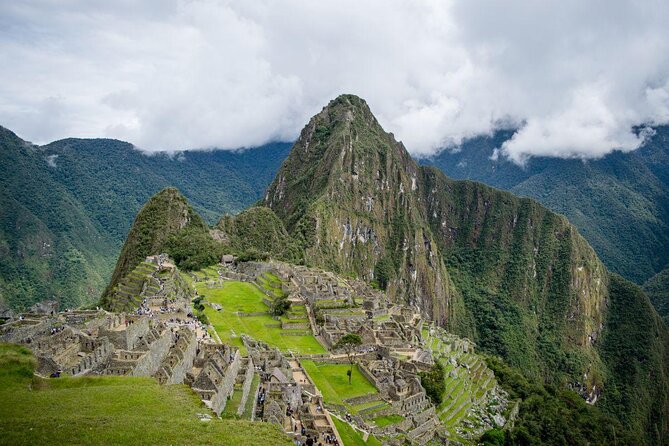
This trek has one main job: get you from the Andes high country to Machu Picchu without making you plan a small army of details. You’re picked up early in Cusco (around 5:00–6:00am) and, by the time you reach the trailhead area, you’ve already done the “hard part” of organizing your logistics.
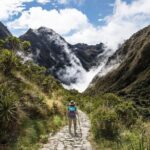
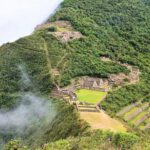
What makes this route feel worth it is the shape of the scenery. You don’t just do high views. You also get lower jungle valleys, rivers, and waterfalls, then finish with a guided Machu Picchu morning when mist tends to lift. That mix is a big reason Salkantay has staying power with hikers who want more than a single-type view.
The trip is also structured so you’re not left wondering what comes next. You’ll have a professional bilingual guide on the trek and during the Machu Picchu tour. Transfers between points (bus/train legs) are handled too, but you won’t have a guide sitting next to you for every transit step.
You can also read our reviews of more tours and experiences in Cusco.
Why This Route Fits Real Hikers (Snow Peaks to Jungle Creeks)
Salkantay works because it gives you variety without feeling random. Day 1 and Day 2 are about altitude and breath control: higher camps, steeper stretches, and that big crossing. Day 3 shifts into an “upper jungle” vibe, where the air feels warmer and the trail threads through valleys and waterways.
That matters because it changes how your body feels across the week. You start at serious elevation, then you drop down toward 2,900m and even 1,700m in Santa Teresa. Those altitude changes can help you recover, but don’t treat that as an excuse to walk sloppy. Cold nights and steep descents still take their toll.
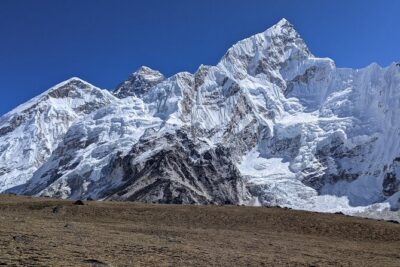
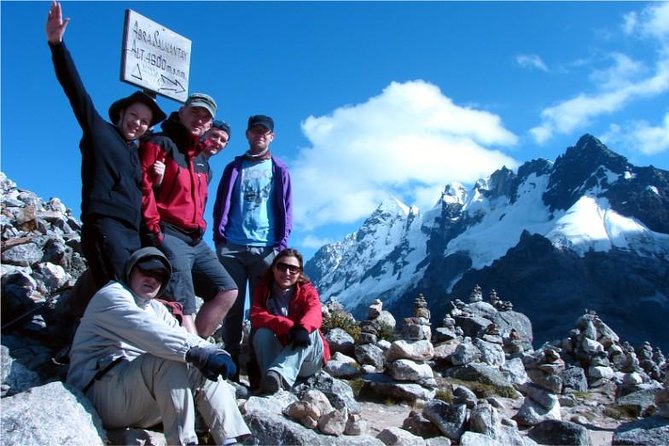
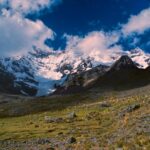
Also, the big pass at 4,650m is the moment most people remember. You’ll be between two massive mountains (Salkantay and Humantay), and the views at the top can include snow. If you’re nervous about that section, the trip even offers an optional horse rental for reaching the high pass area.
Day 1: Soraypampa, Lunch With Snow Views, and Laguna Humantay
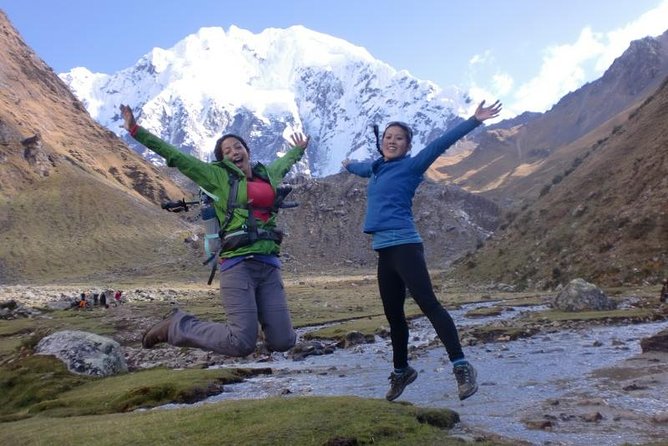
Day 1 is an early start followed by a gradual warm-up. You’re picked up between 5:00 and 6:00am and ride to Mollepata at about 2,900m, where you can stretch and buy snacks. Then you head onward to Challacancha for final checks and equipment prep.
From there you hike about 3 hours to Soraypampa (3,920m) and have lunch with panoramic mountain views. This is a good day to take your pace seriously. At that elevation, “comfortable” can turn into “work” quickly if you race the group.
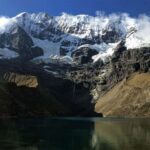
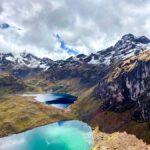
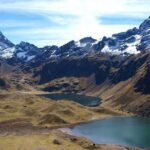
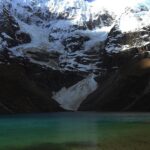
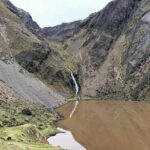
After lunch, you do the Laguna Humantay out-and-back (about 1.5 hours each way). It’s not just a walk; it’s the kind of viewpoint stop that makes you slow down and actually look around. Then you return to camp for dinner and early sleep at the highest, coldest campsite of the trek (3,920m).
What to watch: cold. This is the night where warmth matters most. Bring the layers you actually trust.
Day 2: The 4,650m High Pass (With Optional Horse Help)
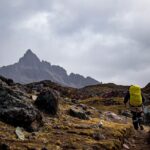
This is the day that separates “I can hike” from “I can handle a challenge.” Breakfast is around 6:00am, then you set out for roughly a 4-hour climb to the highest pass at 4,650m, located between Salkantay (6,267m) and Humantay (5,900m).
At the pass, the views can be dramatic, and there’s a real possibility of snow. If you’re feeling cautious, there’s an optional horse rental to reach the high pass area for about 100–120 soles. It won’t turn the trek into an easy walk, but it can save you if your lungs or legs are close to their limit.
After the pass, you hike downhill for about 2 hours to lunch at Huayracpampa, then continue for around 3 hours to your campsite near the start of the high jungle zone (around 2,900m). That drop in elevation usually helps your recovery, but it also means your knees will work harder on descents.
A smart move: use trekking poles if you have them. They’re one of the simplest upgrades for a day like this.
Day 3: Upper Jungle Trails, Santa Teresa River, and a Hot Springs Option
Day 3 shifts from altitude grind to a more nature-driven trail. Breakfast is around 6:30am, and you trek through “upper jungle” terrain by crossing the Santa Teresa River and passing small brooks.
The walk is less about one iconic viewpoint and more about moving through a landscape that changes minute by minute—valleys, waterfalls, and plant life. You also get lunch at La Playa (2,200m) before switching from hiking to transport: a car ride brings you to Santa Teresa town (1,700m) for the night.
The big practical win here is the warmer climate. After three harder days, it feels like your body finally gets to exhale. You can also add hot springs in Santa Teresa for extra cost (around 20 soles), which is a legit treat after cold nights and long descents.
The only caution: don’t assume warmer weather means easy effort. This is still active walking and uneven ground at elevation.
Day 4: Hydroelectric Station to Aguas Calientes Hotel Night
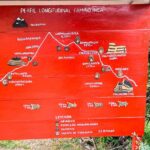
Day 4 is your “last day on the trail,” and it’s built to transition you into Machu Picchu mode. After an 8:00am breakfast, you hike a relaxing path for about 3 hours to the hydroelectric station (1,880m), where you’ll get a box lunch.
Then you continue around 3 hours with a slight uphill walk to Aguas Calientes (2,010m). This is where the trip finally gives you space to feel human again. You can recharge, shower if your schedule allows, and get ready for the main event.
You also get dinner at a local traditional restaurant that night, then sleep in a 3-star hotel in Aguas Calientes for one night. This hotel night is a big value piece if you prefer more sleep than the “fully under the stars” option.
A potential wrinkle: optional transfers can save time on some legs. There are optional bus and train transfer options mentioned for parts of the route, but the core plan still uses bus from Aguas Calientes to Machu Picchu and train back on Day 5.
Day 5: Machu Picchu at First Bus, Guided Tour, Then Freedom to Explore
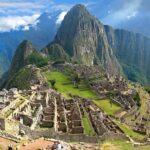
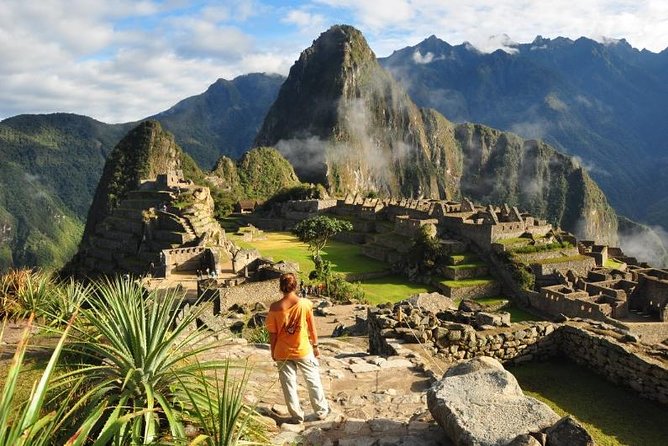
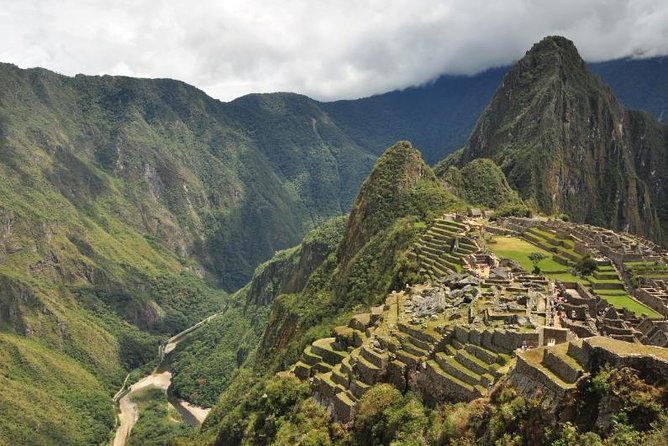
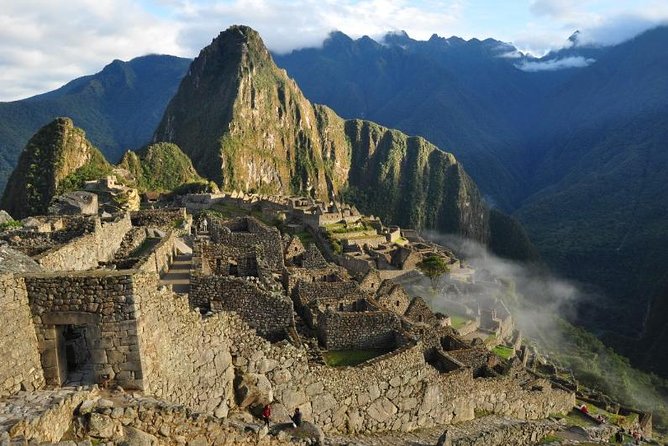
You’ll wake early for a reason. The plan uses one of the first buses (around 5:30am) to Machu Picchu. The ride is quick (about 25 minutes), and it’s timed so you catch the ruins with early morning light while mist often shifts away.
You get a guided walking tour of about 2 hours, then you’re free to explore at your own pace. If you still have energy, there’s also an optional climb to Huayna Picchu inside the archaeological site, but it has to be booked in advance for an extra cost.
After you finish exploring, you take the bus back down to Aguas Calientes. Then you return by train to Ollantaytambo, followed by a bus back to Cusco. You’re dropped late in the day at Plaza San Francisco.
Important detail: during the bus and train transfers, you won’t have a guide. The trek and the Machu Picchu tour have guidance, but the transit legs are on you in terms of keeping track of timing.
Meals, Camping Comfort, and the Stuff That Keeps You Going
This trip is serious about feeding you well. You get 4 breakfasts, 4 lunches, and 4 dinners, plus 3 snacks during the trek days (exact timing depends on the day). Meals are described as fresh, with variety and a vegetarian option for every meal when requested.
Breakfast ideas include hot porridge, quinoa or oats, fried eggs or omelets, and pancakes, plus coffee/coca and hot tea. Lunch and dinner are built around a first course like soup (quinoa, corn, noodle, asparagus, mushroom, or vegetable soup) and a second course that can include things like chicken breast, beef stew, fried rice, or pasta dishes. Desserts are part of the routine too.
The practical angle: good food matters at altitude. When you’re burning energy and dealing with cold nights, you’ll feel the difference between “something to eat” and actual meals.
On camping nights, you get a basic sleeping pad and a tent for two people. Single travelers share a tent/room (and Day 4 singles share a room), while couples get private tent/room arrangements based on the provided accommodation rules.
What’s not included: a sleeping bag. If you show up without one, you’ll feel it fast.
Also note: bottled water isn’t included, and Day 1 breakfast and Day 5 lunch are not included. You can buy water and snacks, but it’s wise to bring extra cash because prices can run high along the trail.
Fitness, Altitude, and Clothing: How to Pack Smart
You should treat this trek as demanding, not casual. The route includes a major high point at 4,650m, plus big elevation changes down to about 2,000m and lower. The instructions call out important temperature changes tied to altitude shifts, so your clothing plan needs to be flexible.
The suggested packing list is practical and hits the real needs:
- trekking boots, warm socks, thermals, sweater
- rain pants and a rain poncho (weather can change fast)
- hat and gloves for cold stretches
- sun hat, sunblock, sunglasses for higher sun exposure
- hiking poles (strongly helpful on climbs and descents)
- a flashlight/torch (limited or no electricity during the trek)
- waterproof bags for your camera
- personal first aid kit and hand sanitizer
- extra batteries and memory card (limited electricity during trek)
I’d also plan to pack for cold nights because Day 1’s campsite is the coldest of the trip. Your body may be moving all day, but nights at elevation can feel brutal.
If you’re the type who gets sore easily, start with poles. If you’re the type who forgets layers, don’t.
Price and Value at $797: What You’re Actually Buying
At $797 per person, you’re paying for more than “someone walks you to Machu Picchu.” You’re getting:
- pickup and transfers for major legs (Cusco to trail area, La Playa to Santa Teresa)
- round-trip transport for the Machu Picchu day (bus Aguas Calientes to Machu Picchu, train back to Ollantaytambo, bus to Cusco)
- a professional bilingual guide for trekking and the Machu Picchu tour
- camping accommodation (tent + sleeping pad) and one night in a 3-star hotel in Aguas Calientes
- meals and snacks across the trek days
- horsemen and mules to carry cooking and camping equipment, plus a described weight limit support system (including sleeping bag/mattress and personal items)
- an emergency oxygen bottle
What you’re not getting is equally important:
- your sleeping bag
- water and some meals (Day 1 breakfast, Day 5 lunch)
- a guide for the bus/train transfer legs
- optional upgrades like hot springs, Huayna Picchu, and certain transport shortcuts
The “value” part is that your hardest logistics are handled. And because it’s a small group (max 16, avg 4), you aren’t stuck in a huge herd during the key parts of the hike and the Machu Picchu tour.
Small-Group Logistics: Transfers Without a Guide, but With Structure
This is a small-group experience with maximum 16 people and average 4, which makes a real difference on a trek. Smaller groups tend to spread out on steep sections, which reduces bottlenecks and helps pace feel natural.
You also get a pre-departure briefing one day before departure at 5pm, 6pm, or 7pm (time depends on your trek date). It’s mandatory. You’ll receive details about what to bring and you’ll confirm departure details. Make sure your passport info is correct, since changes can cause permit and ticket issues.
Another practical detail: you’re assigned to tent/room sharing depending on whether you’re traveling solo or as a couple. If privacy matters, plan for sharing unless you’re in a couple grouping.
Who Should Book This Salkantay Trek (and Who Might Think Twice)
This trek fits best if you:
- want a challenging hike with high elevation and a real pass crossing
- like small-group guiding and consistent meal support
- want the big payoff of Machu Picchu with a guided morning tour
- can handle cold nights and steep sections
It may not be the best match if you:
- are looking for a gentle walk with no cold-weather camping component
- can’t manage altitude changes (the route includes time at high elevations and notes about temperature swings)
- dislike long early days (pickup starts around 5:00–6:00am)
A final note on schedule: departures are Monday, Wednesday, Thursday, and Saturday, with no departures in January and February due to unfavorable climatic conditions.
Should You Book This Salkantay 5-Day Trek?
If you want the full Salkantay experience—snow views, jungle valleys, a serious pass, then Machu Picchu in the morning—you’ll likely love this plan. The combination of a small-group setup, guided walking tour at Machu Picchu, and meal support on the trail makes it feel like good value rather than just a price tag.
Book it if you’re physically ready and you’ll pack for cold nights and wet weather. Skipping the right gear is the easiest way to turn a great trek into a miserable one.
If you’re on the fence, I’d choose this only if you’re comfortable committing to the early start and the demanding nature of the route. This is the kind of adventure that rewards planning—and punishes shortcuts.
FAQ
How hard is the Salkantay trek on this 5-day itinerary?
It’s described as demanding, with a high pass at 4,650m and significant altitude changes. The route includes long hiking days and cold nights at elevation, so you should be in good physical condition.
What time do I need to be ready in Cusco?
You’ll be picked up in Cusco between 5:00 and 6:00am. A start time of 5:00am is listed for the experience.
Are meals included, and is there a vegetarian option?
Yes. The trek includes meals 4B/4L/4D/3 snacks. Vegetarian options are available for every meal if you advise the operator at least 2 days in advance.
Is camping provided, or do I need to bring my own tent?
Camping accommodation is included, with a basic sleeping pad and tent. A sleeping bag is not included, so you’ll need to bring or rent one separately.
Do I get a guide during the entire trip?
You get a professional bilingual guide on the trek and during the Machu Picchu walking tour. During bus and train transfers, you won’t be accompanied by a guide.
What happens on Day 5 at Machu Picchu?
You’ll take an early bus (around 5:30am) to Machu Picchu, enjoy a guided walking tour of about 2 hours, then have time to explore on your own. There’s also an optional Huayna Picchu climb for an extra cost.
Can I add hot springs in Santa Teresa?
Yes, hot springs in Santa Teresa are optional for an extra cost (about 20 soles).
Is there an option to reduce the hardest part of Day 2?
There is an optional horse rental to reach the high pass area for about 100–120 soles.
What if I need extra time in Aguas Calientes?
An extra night in Aguas Calientes can be arranged if you request it when booking.